
You can drive the length of the North Fork in forty minutes. You can hit fifteen tasting rooms in a single Saturday if you’re a maniac, or three if you’re a person who wants to remember any of them. The problem with most “best North Fork wineries” lists is that they’re alphabetical, or they’re sponsored, or they include thirty places and then you have no idea which four to actually go to. So here are twelve, ranked, with a real opinion about each, and with the specific bottle I’d put in your hand the moment you sit down.
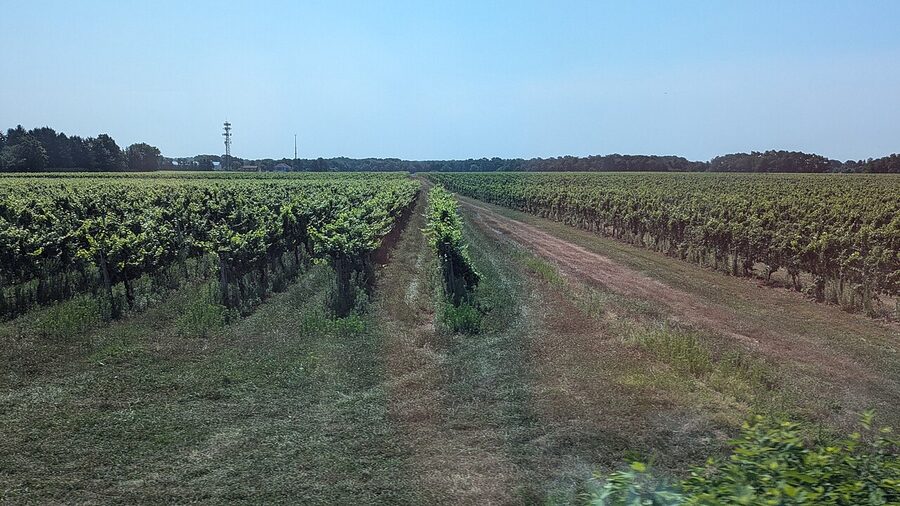

Some context first. There are, depending on who’s counting, between fifty and sixty working wineries on Long Island’s east end, almost all of them on the North Fork between Aquebogue and Greenport on Route 25. The maritime climate makes the place behave more like Bordeaux than like Napa. Reds are lighter, whites are crisper, and the harvest is later than almost anywhere else on the US east coast. Cabernet Franc and Merlot are the two reds the region does best. Sauvignon Blanc, dry Chenin Blanc, dry Riesling and the rosé wines are where the real action is on whites.
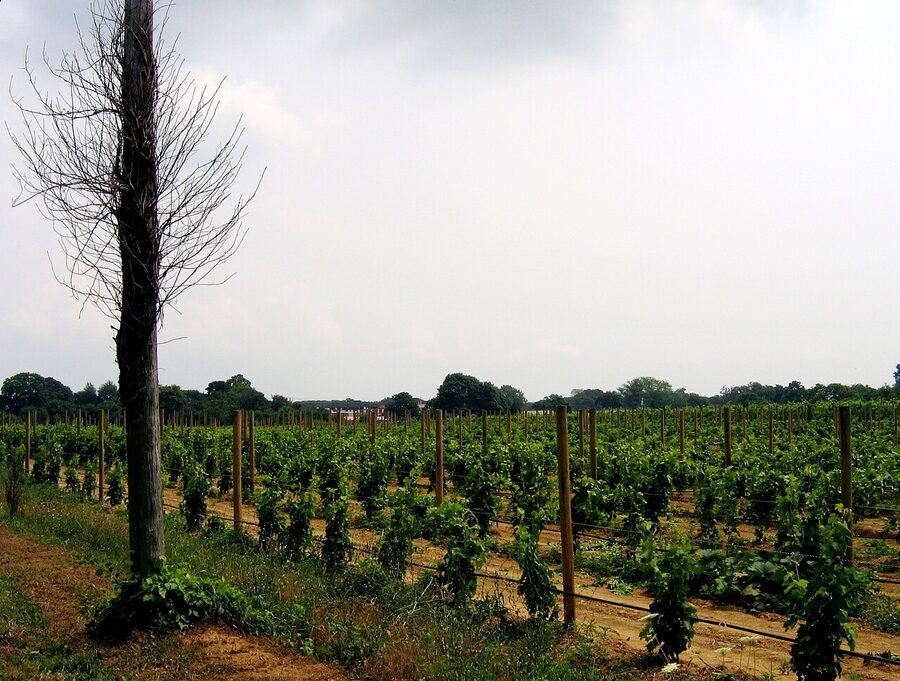
I’ve been driving up to the North Fork from Brooklyn since the late 2000s, and the place has changed less than you’d think. The vineyards still look like potato fields with grapes on them, because that’s what they were thirty-five years ago. The tasting rooms have gotten smarter. The crowds got worse, then settled into a manageable pattern: pre-noon and Sunday afternoon are calm, Saturday between 1pm and 4pm is a bachelorette-bus warzone in summer, and the weekday autumn shoulder is the quietly perfect window everyone keeps to themselves.

If you’re new to the region and want the broader view, the Long Island wine tours guide is the wider plan. For the South Fork side of the East End specifically, see the Hamptons winery tours guide. If you’re choosing between Long Island and the upstate alternative, the Finger Lakes pillar is the place to start, with deep-dives into the four trails worth the drive: Seneca Lake for serious cool-climate Riesling, Cayuga Lake for the quieter loop, Keuka Lake for the cradle of US vinifera, and Canandaigua for the half-day Rochester gateway. This piece is about which twelve wineries on the North Fork are actually worth your drive, and which famous ones I’d politely steer you past.

In This Article
- How I ranked these
- 1. Macari Vineyards (Mattituck)
- 2. Paumanok Vineyards (Aquebogue)
- 3. Bedell Cellars (Cutchogue)
- 4. Lieb Cellars and Suhru (Cutchogue)
- 5. Wölffer Estate (Sagaponack, South Fork)
- 6. Sparkling Pointe (Southold)
- 7. Lenz Winery (Peconic)
- 8. Croteaux Vineyards (Southold)
- 9. Kontokosta Winery (Greenport)
- 10. Channing Daughters (Bridgehampton, South Fork)
- 11. RGNY (Riverhead)
- 12. Roanoke Vineyards / Tulio’s NY Wine Bar (Mattituck)
- The four wineries I’d politely steer you past
- Booking and tour cost compared
- Where to stay if you’re making a weekend of it
- Where to eat that isn’t a tasting room
- When to go
- Getting there without a car
- The full rank, one more time
How I ranked these
Three things, in this order. One: how good is the wine, judged against other US cool-climate sites and not against itself. Two: would I send a friend who doesn’t know the region. Three: how does the place feel when you walk in, because the North Fork has a real range from biodynamic farm-shed to Hamptons-bus discotheque, and what you want depends on who you’re with. The wineries that score on all three are at the top. The ones that score on two are in the middle. The two at the bottom of the twelve are there because they’re famous and you’re going to ask, but I’d skip both before I’d skip anything in the top eight.
One geographic note. Eleven of these are on the North Fork proper. Number five (Wölffer) is on the South Fork in Sagaponack, technically the Hamptons, but anyone telling you a “best North Fork wineries” list and leaving Wölffer off is performing a small act of regional snobbery I refuse to participate in. You can do Wölffer plus three or four North Fork stops as one ambitious day; better is to do it on the way out from Manhattan as a dinner-and-pour stop on its own.
1. Macari Vineyards (Mattituck)

If I had to send one person to one North Fork winery for the rest of time, it would be Macari. The estate covers around 500 acres on Bergen Avenue in Mattituck and they farm the place biodynamically, which on the North Fork means composting fish waste from the local docks into the vineyard rather than spraying. The wines have improved every year I’ve been going, and the tasting room has the right ratio of windows-to-floor for the late afternoon light to carry you straight into a third glass.
What to drink: the Sauvignon Blanc Katherine’s Field, which is the bottle I’d hand a Loire Sauvignon drinker to make a point about NY whites. After that, the dry rosé in summer, full stop. If you can wrangle it, ask whether the three Cabernet Franc treatments (whole-cluster, partial carbonic in concrete egg, and aged in neutral oak) are pourable that day. They almost always are. Tasting them side by side teaches you more about Cab Franc in twenty minutes than reading about it for a year.
Reservation: always, always reserve. Macari is busy. They also run a second tasting room called Meadowlark in Cutchogue with twenty acres of pollinator gardens, which is the right pick if you’ve got someone in your group who isn’t drinking and wants somewhere to wander. Macari is on most operator routes; you can also reach it on the Viator Long Island wine tour roster if you’d rather not drive.
2. Paumanok Vineyards (Aquebogue)
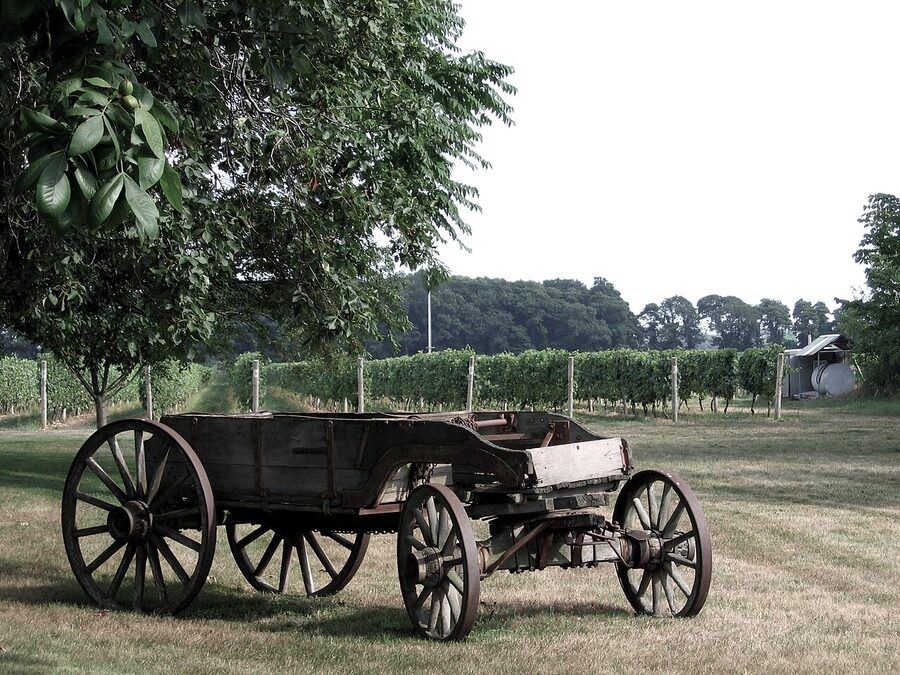

If Macari is the consensus number one, Paumanok is the wine person’s number one. The Massouds have been farming this land since 1983, the second generation runs winemaking and viticulture and business now, and every wine on the list is estate-bottled, which means the grapes were grown, picked, fermented and bottled within a quarter mile of where you’re standing. The tasting room is a converted barn with a deck that overlooks the vines, the size of which encourages the kind of long second pour you don’t get at the showier estates.
What to drink: the dry Chenin Blanc, which is still the only one on Long Island anyone makes seriously and remains the benchmark white in the state. After that, the Festival Red as your everyday-drinking bottle, the Assemblage as the pour you’d buy to take home, and if Kareem’s minimalist Cab Franc (wild yeast, no added sulphites) is on the day’s list, drink it. It tastes like nothing else on the North Fork.
Practical: Aquebogue is the westernmost real wine town, fifteen minutes east of Riverhead. If you’re driving from Manhattan, Paumanok is your sensible first stop because it’s first off the highway. The winery is solar-powered since 2017 and certified Long Island Sustainable. Reservations are strongly suggested in summer; on a Wednesday in October you can usually walk in.
3. Bedell Cellars (Cutchogue)
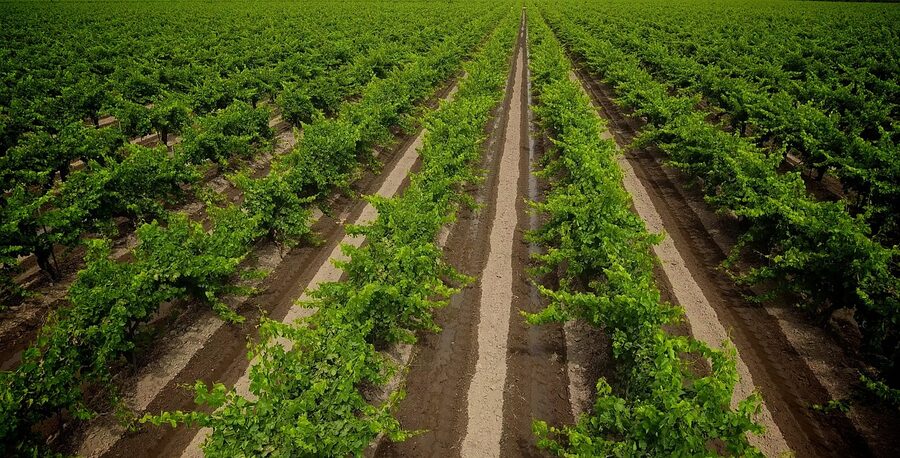
Bedell is the North Fork’s most quietly serious red house. The estate was the first winery in the world to use the now-famous wine label by John Currin (yes, that John Currin), and the artist-label thing has continued to give the bottles a presence in places where you don’t expect to see Long Island wine. None of that would matter if the wine wasn’t good. It is. The Merlot is the wine I cite when someone tells me Long Island reds aren’t serious.
What to drink: the Bedell Merlot every time. It’s the wine that converted me from “Long Island reds are fine” to “Long Island reds belong on a wine list with Bordeaux’s right bank and don’t have to apologise.” Then the Musée Rosé, which is the rosé I’d put in a blind tasting against any Provence pink under twenty-five euros and bet on Bedell. The First Crush bottling is the entry-level red and is the one to take home for a weeknight pasta.
Sister property: Corey Creek Tap Room in Southold is the casual sibling, less production, more outdoor lawn, and a fine pick on a Sunday when you want a relaxed second stop after Bedell itself. Corey Creek often has live music on weekends in shoulder season, which Bedell mostly doesn’t.
4. Lieb Cellars and Suhru (Cutchogue)
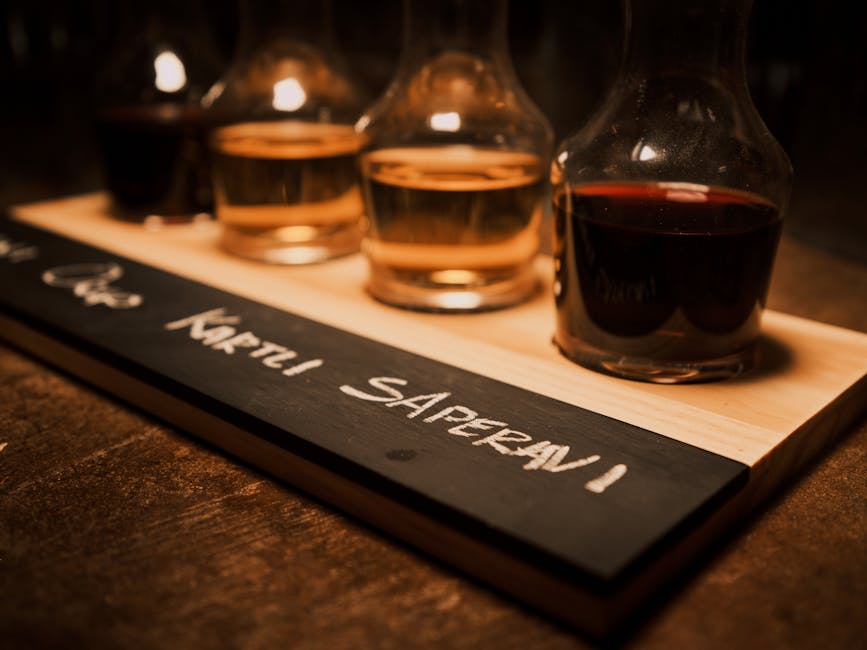
Lieb merged with Suhru a few years back, which sounds like winery-gossip insider baseball but matters because it’s now one of the only places on the North Fork where you can taste an estate-grown lineup (Lieb) next to a négociant lineup (Suhru) under one roof. The combined operation produces eleven or twelve different wines, including grapes most North Fork producers don’t bother with: Petit Verdot, Pinot Grigio, the Italian Teroldego, and a Pinot Blanc that’s quietly become the region’s award-magnet white.
What to drink: the Pinot Blanc, which is the Lieb signature and which won enough awards last year to make the staff slightly bored of pouring it. After that, the Suhru Sauvignon Blanc, the Suhru rosé, and if you can talk your way into the small private library room (limit twelve people, requires booking), do the red flight with the Petit Verdot.
Vibe: small, indoor, rustic-but-renovated. There’s outdoor seating from May to November but the indoor barn-door tasting room is the move when it’s October and the wind is coming off the Sound. This is not a party-bus stop and it isn’t trying to be. Pick this for a couples afternoon or a small group of four who actually want to talk about the wine.
5. Wölffer Estate (Sagaponack, South Fork)
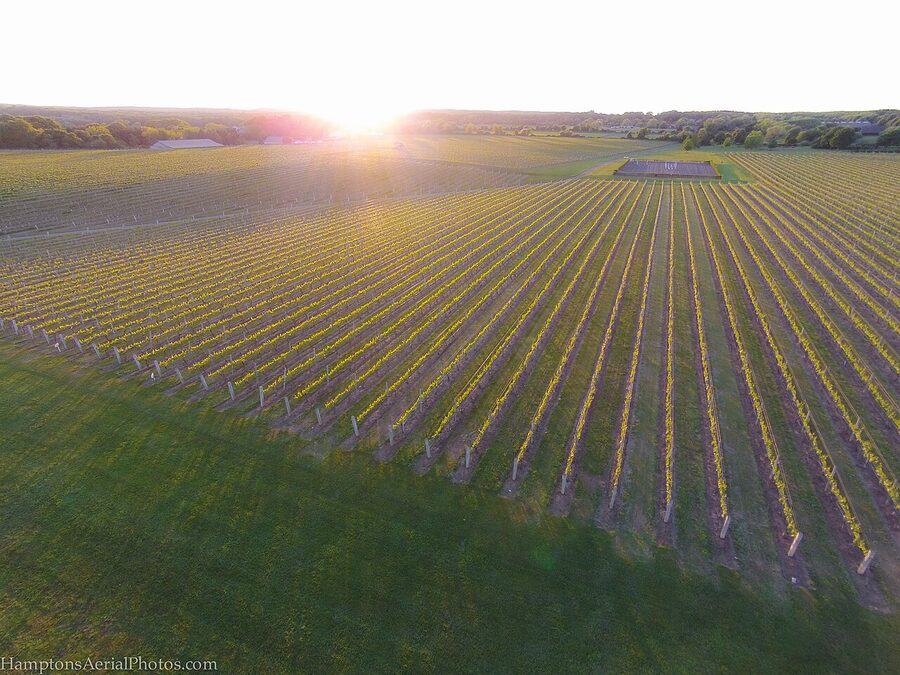
I’m putting Wölffer at five for two reasons: it’s the most famous Long Island wine on the export market, and it deserves it. The Summer in a Bottle rosé is the wine that did more for Long Island’s wine reputation than any single red the North Fork has ever made. The estate sits on the South Fork in Sagaponack, an hour east of the North Fork’s centre by road, but the Wölffer Wine Stand on Montauk Highway is the most photographed wine bar on the East End for a reason: it’s the right deck on the right vines at the right time of day.
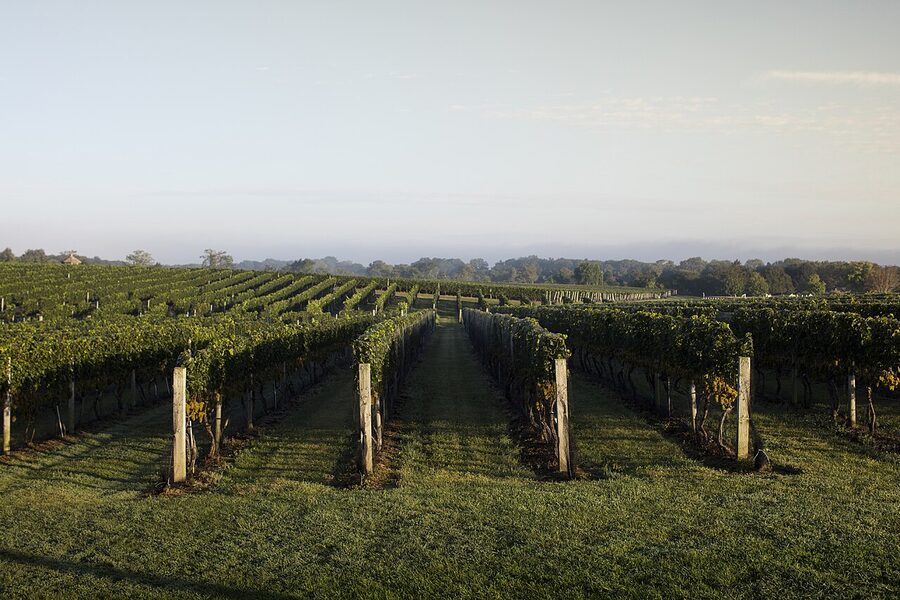

What to drink: Summer in a Bottle (the rosé) is the answer to the question. The Wölffer Estate Selection Chardonnay is the wine that surprises people who came expecting one note. The dry rosé cider, made the same way as the wine, is genuinely good and the only place I drink cider on principle. In autumn, the Trebbiano-Sauvignon Blanc blend is sneaky and excellent.
Reservation strategy: the main estate uses timed bookings; the Wine Stand is walk-in, first-come, and on a summer weekend it is genuinely a scene. If you want to combine it with North Fork wineries, do Wölffer first as a 10am opener on the way out from Manhattan, then drive across the Shelter Island ferries (north and south, two ferries, twenty minutes total) to Greenport for the rest of the day. Tour operators including Viator’s private Hamptons + North Fork tasting tour connect both forks in a single day.
6. Sparkling Pointe (Southold)
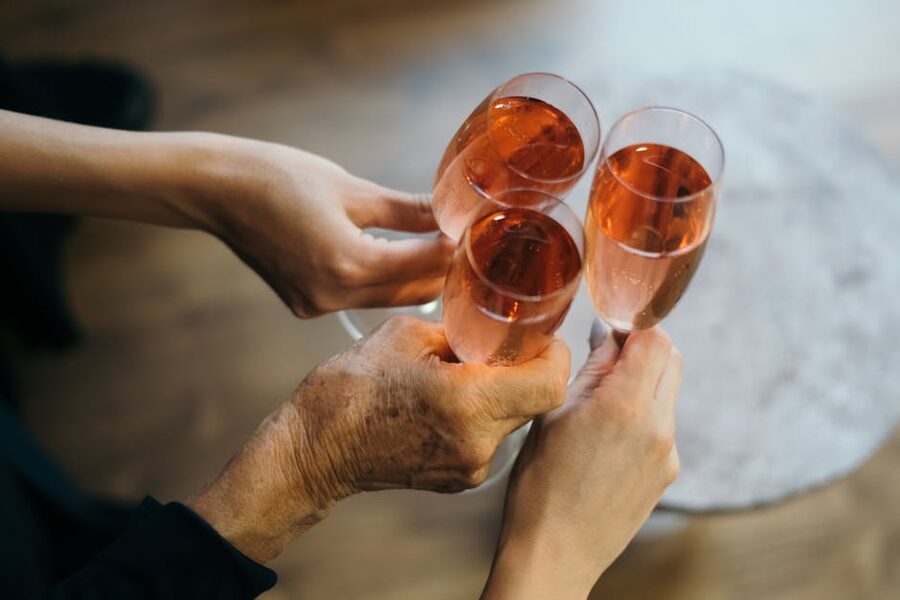
Sparkling Pointe is the answer to “is there a wine on the North Fork I’d open for New Year’s.” It’s the only Long Island estate making nothing but méthode champenoise sparkling wine, the same secondary-fermentation-in-bottle method as Champagne, and they’ve been doing it long enough to be very good at it. The tasting room has a Provence-meets-East-End vibe (gardens, cabanas, fountain, all unironic) which can read as Hampton-tacky or as a real treat depending on who you brought.
What to drink: start with the Brut Séduction, finish with the Topaz Imperial Brut Rosé, and if you want to be educated about NY sparkling, taste the Cuvée Carnaval (Pinot Meunier-driven) somewhere in between. Skip the still wines they sometimes try to pour. They’re not the reason you came.
One more thing: some serious wine people give Sparkling Pointe a hard time for being expensive and a bit polished. I think the wines justify the prices, the tasting room is genuinely beautiful, and on a sunny weekend afternoon there’s nowhere I’d rather drink rosé champagne method bubbles in the United States. Reserve a cabana if there’s four of you. Walk-in for two.
7. Lenz Winery (Peconic)
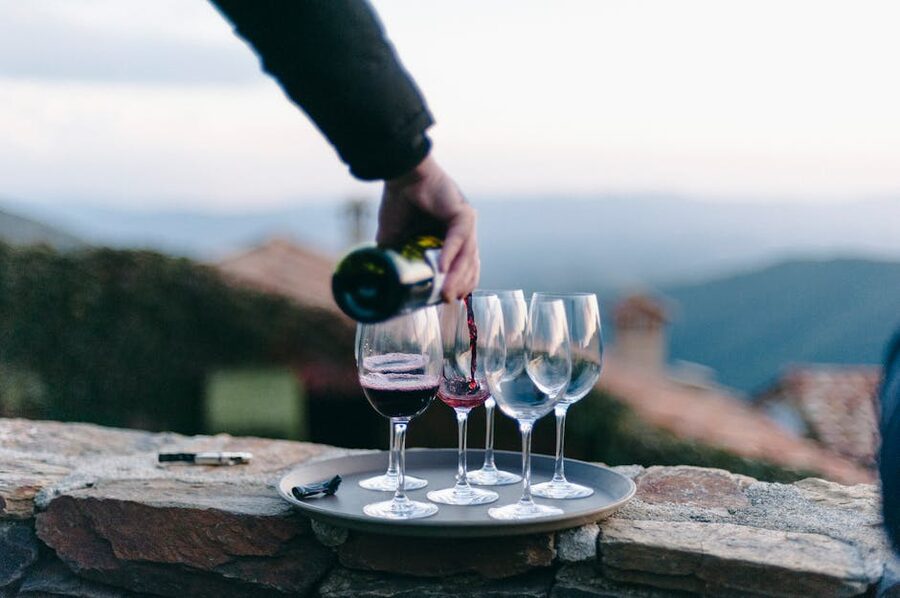
Lenz was founded in 1978, which makes it the second-oldest commercial winery on Long Island and one of the originators of the whole region. They grow 100% of their own grapes (the rare estate-only operation), the tasting room is a converted potato barn with about thirty seats and walls hung with paintings by local artists who mostly take a glass of wine in part-payment. The wines are old-school, French-style, and quiet. None of them shout for attention. All of them are good.
What to drink: the Old Vines Chardonnay (vines planted in the early 1980s, so among the oldest vinifera vines on Long Island), the Estate Selection Merlot, the Cabernet Sauvignon (lighter than Napa, more balance), and the Firefly Rosé as the patio pour. Their cuvée sparkling is competent though not in Sparkling Pointe’s league.
Why it’s at seven: the wines are excellent, but the place is small, slow, and a bit sleepy. That’s exactly what you want when you’ve already done two louder tastings and need a wind-down stop. It’s not what you want as your first pour of the day. Pair Lenz with Macari and Bedell as your three for a serious-wine Saturday.
8. Croteaux Vineyards (Southold)
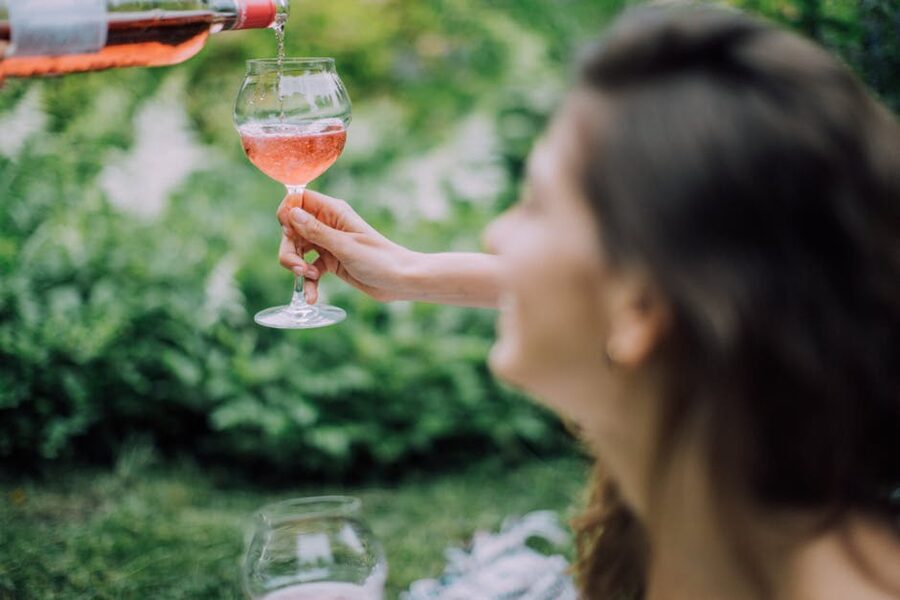
Croteaux is the only winery in the country that makes only rosé. They have something like ten different rosés on the menu at any given time, all pink, all good, ranging from Provence-style dry Merlot rosé through a Cabernet Franc rosé that drinks more like a very light red. The garden tasting area, with its picnic tables draped in old-fashioned bedspreads, is a curious choice that works completely.
What to drink: the Rosé of Merlot Cuvée 314 is the flagship and the wine I’d put in a blind tasting against most of the Côtes de Provence under thirty dollars. The Rosé of Cabernet Franc Cuvée 7 is the more food-friendly of the two and the one I’d pair with the lobster roll sliders if you’re ordering food. The Sauvignon Rosé is the slightly drier shoulder-season pick.
Practical: Croteaux does not take reservations. They make this work because the outdoor space is large and the wait, even on a busy August Saturday, has rarely been more than ten or fifteen minutes when I’ve been. There’s a small but proper food menu (lobster roll sliders, a cheese board, a few snacks). Skip Croteaux if you only drink reds. Otherwise, it’s one of the most pleasant ninety minutes you’ll spend on the fork.
9. Kontokosta Winery (Greenport)
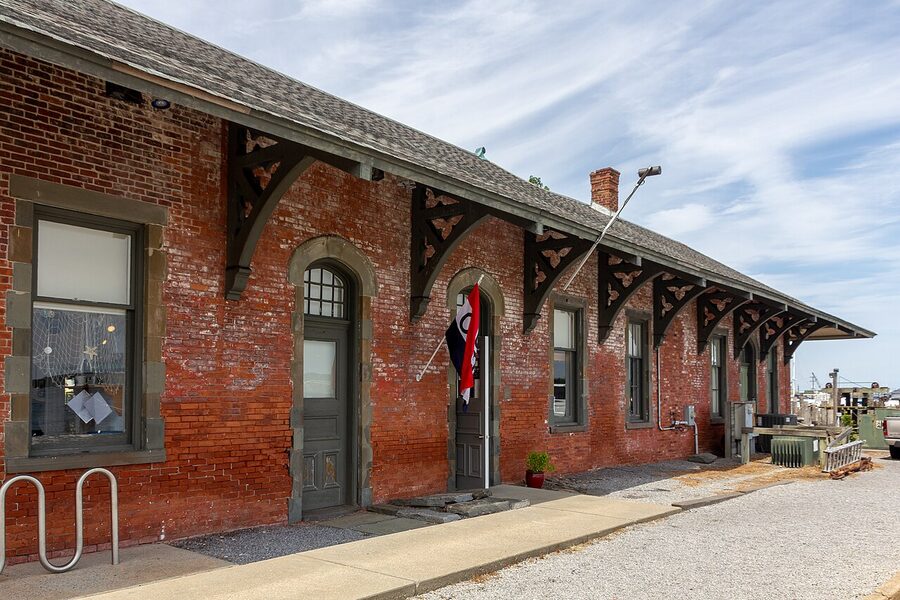

Kontokosta is the North Fork’s only true bluff-top winery. The vineyards run to the edge of a low cliff above the Long Island Sound on the north shore at Greenport, and the tasting room is a glass-fronted modern building with what is, hands down, the single best view from any winery deck on Long Island. They are also seriously good winemakers, which is the part that doesn’t always come through in the Instagram pictures.
What to drink: the Sauvignon Blanc, which the cool maritime exposure makes uncannily Sancerre-like, then the rosé (one rosé only, but it’s the right one), and the Cabernet Franc which the bluff-top fruit makes leaner and more savoury than the inland Cabs. The Riesling is a sleeper if you ask for it; not always on the menu.
Strategy: get a reservation. Then sit outside if the weather is anywhere within two degrees of agreeable. Then walk down to the picnic-table area at the edge of the bluff. You can’t get on the beach but you can carry a bottle out to the overlook with a glass and a hunk of goat cheese, which is, on the right Saturday in September, one of the truly correct hours of the year.
10. Channing Daughters (Bridgehampton, South Fork)
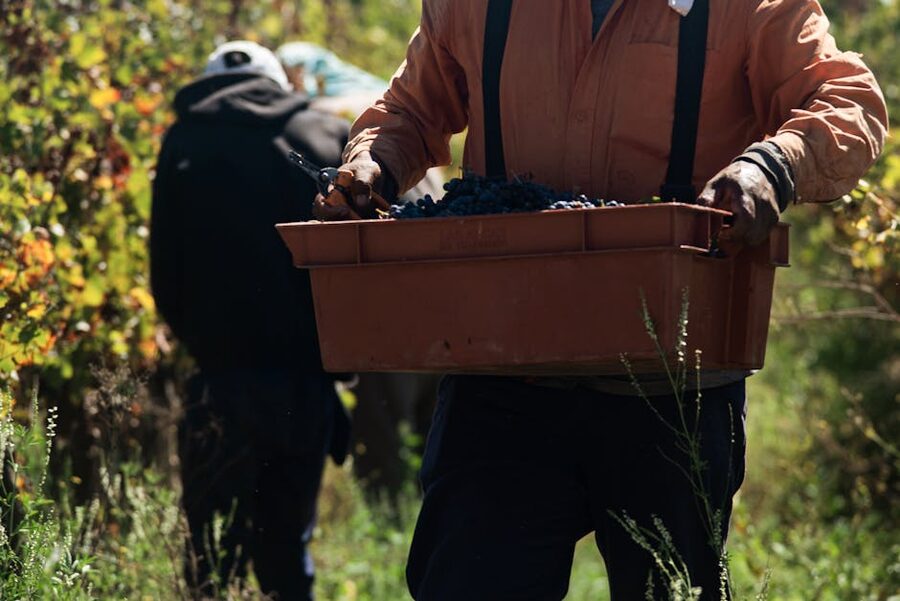
Channing Daughters sits on the South Fork, technically in the Hamptons, but it gets onto a North Fork list because it’s the most adventurous winery on Long Island and you can’t talk seriously about the region without it. They are working with grapes nobody else here will touch (Tocai Friulano, Refosco, Blaufränkisch), they make orange wines and pet-nats and field blends that read more like Friuli than like the East End, and most of it succeeds. The ones that don’t are still interesting enough to talk about.
What to drink: the Mosaico (a white field blend with seven or so varieties), the Ramato (Pinot Grigio with skin contact, that beautiful copper colour), the Sylvanus (orange wine made from Tocai Friulano, the bottle I’d pour for a sceptic of orange wine), and the Pinot Noir if any vintage of it is open. Their pet-nats are wildly variable year to year, which I think is the point.
Why this is at ten: the wines are not always the easiest to like. If you came to the East End for a sunny patio rosé moment, this is not the stop. If you came to taste the most thoughtful winemaking on Long Island and don’t mind a wine that asks something of you, it’s near the top of the list. Reservations recommended; the tasting room is small and the pace is slower than at the bigger estates.
11. RGNY (Riverhead)
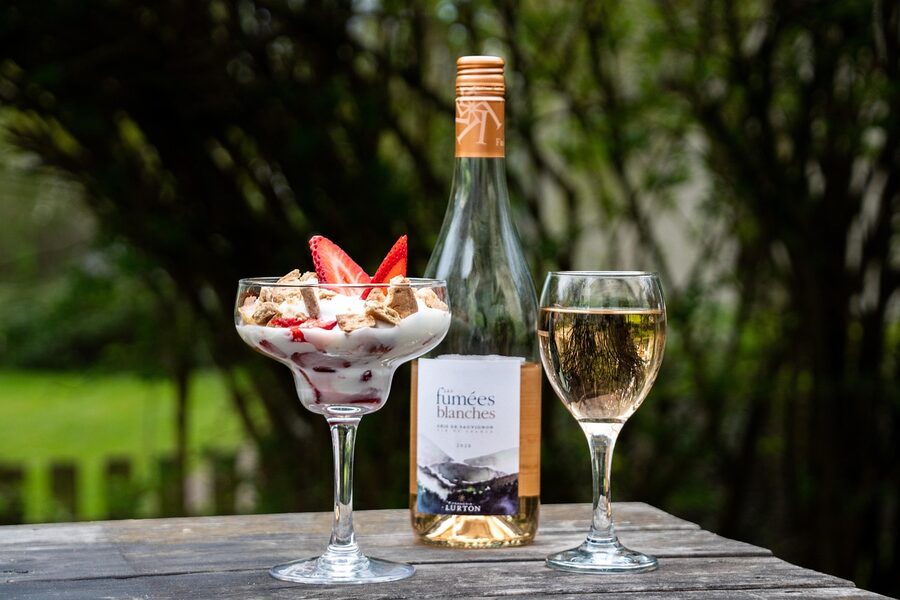
RGNY is the most interesting recent change on the North Fork. The González family bought the old Martha Clara Vineyards in 2018 and turned it into something more interesting than its predecessor. They are the same family behind RGMX in Parras, Mexico, and that bicultural perspective shows in what they’re now growing on Long Island: Albariño, Viognier, and a Sparkling Riesling alongside the standard Sauvignon Blanc and Cabernet Franc.
What to drink: the Scielo Sparkling Riesling is the wine I’d order first, because it’s the most surprising thing on the menu and it works. The RG White Sparkling NV is the entry-level bubbles and is straightforward, food-friendly, and well priced. The Cabernet Franc is in the top half of the region’s Cab Francs but not the top quarter; drink it for context.
Vibe: a big, barn-like tasting room overlooking the vineyards, hosts more than fifty weddings a year, and feels designed for groups in a way the smaller estates don’t. That’s a positive if you’ve got eight people; less so if you’re three. The grounds are the largest of any winery on this list, with golf-cart vineyard rides on offer in season. Reserve.
12. Roanoke Vineyards / Tulio’s NY Wine Bar (Mattituck)
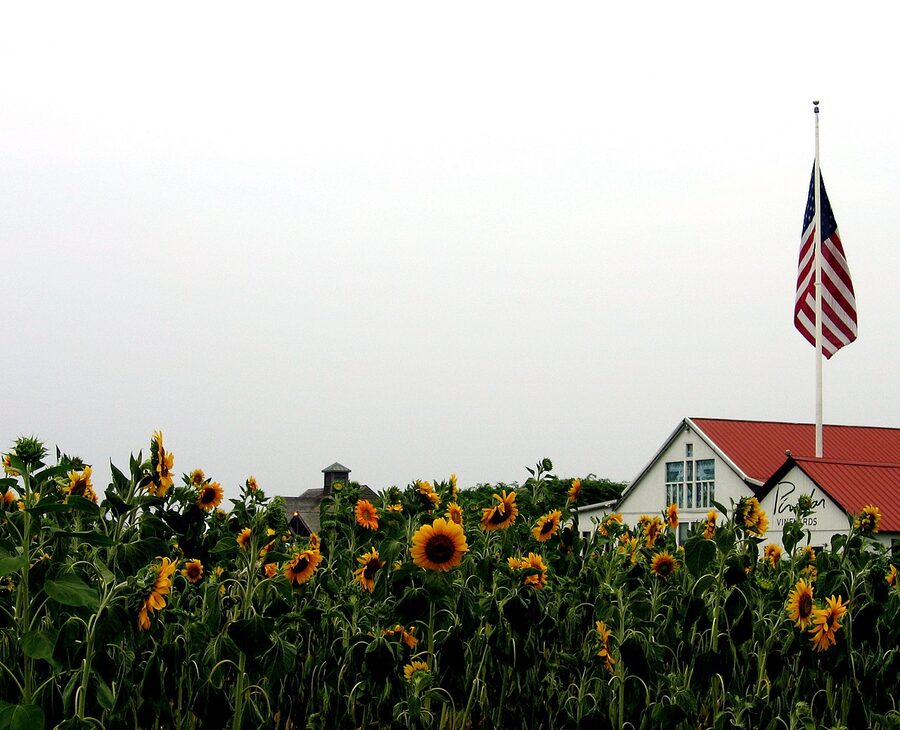

Roanoke is the winery you can’t actually visit unless you’ve joined the wine club. Annoying, except that they run an offshoot bar called Tulio’s NY Wine Bar in Mattituck Village, which pours all of Roanoke’s wines and which sits on Love Lane between the village cheese shop and Lombardi’s Market, both of which you should stop at as well. The whole arrangement is the most civilised wine afternoon on the North Fork: walk to wine, walk to cheese, walk to bread, walk back to wine.
What to drink: the Roanoke Cabernet Franc is one of the East End’s best, period. The rosé is consistently good. The Petit Verdot, when they have it, is the bottle to take home and forget about for two years.
Why this is at twelve: not because the wine is twelfth-best (it isn’t, the Cab Franc would be top six on its own merits), but because the experience of a wine bar in a village isn’t the same as standing on a vineyard deck. If your day is set up around Mattituck Village (the cheese shop, the market, lunch at Love Lane Kitchen), this is the right pour to anchor it. Otherwise it’s an outlier.
The four wineries I’d politely steer you past
.jpg)
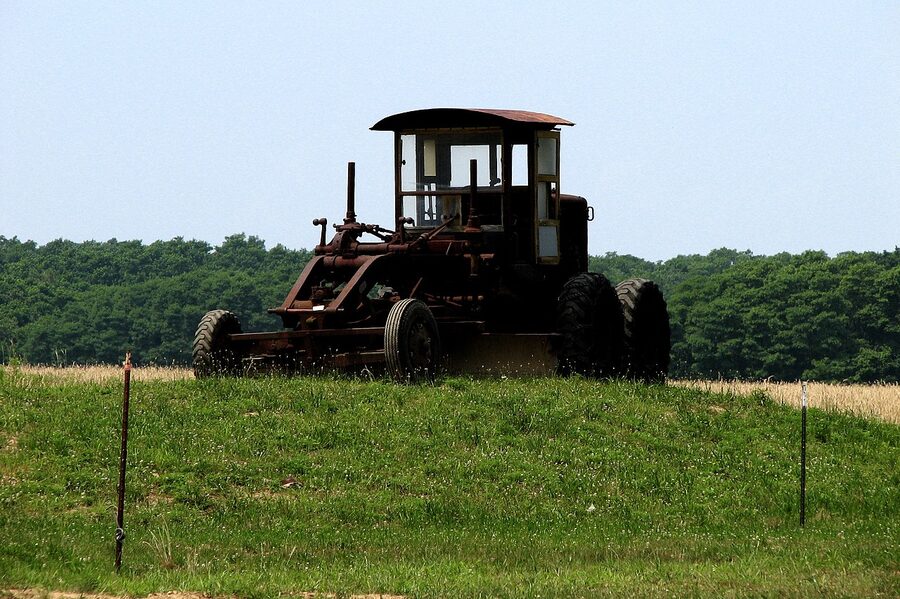
Pindar is the biggest by volume, the most famous on the bachelorette-bus circuit, and consistently makes the wines I would not recommend. The tasting room scene in summer is genuinely loud in a way none of the wineries above are; if that’s what you came for, you’ll have a fine time, but you came for wine. Skip.
Duck Walk has two locations and both are big, slick, and aimed squarely at the bus tour crowd. The wines are competent without being interesting. There’s nothing wrong with stopping if a friend’s bachelorette is there. There’s also no reason to plan around it.
Pellegrini is technically still operating but has been in a long quiet stretch, and the wines I’ve tasted in the last three years have been less convincing than what they were doing a decade ago. The setting is lovely. Wait a year or two before going back. You’re not missing much in 2026.
Castello di Borghese was once one of the best names on the North Fork (it’s where Hargrave, the original 1973 Long Island winery, became something else under new owners), and the tasting room remains attractive. The wines have been inconsistent for several years. Don’t skip if you’re already in the area, but I wouldn’t drive for it.
Booking and tour cost compared
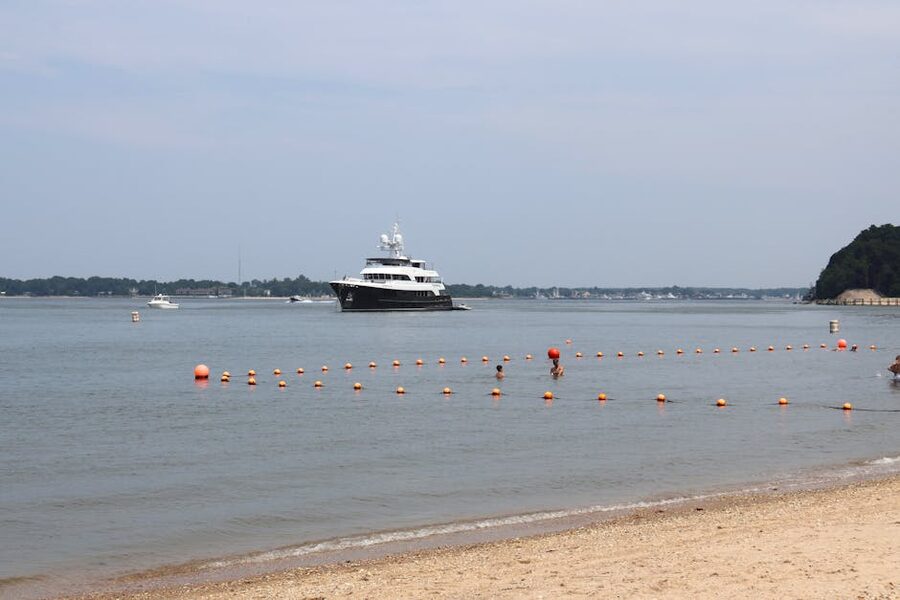
If you’re not driving (and from Manhattan, I’d argue you shouldn’t), here’s what the booked options actually cost. Prices below are the going rates I’ve seen in the last six months on the operator pages; they move around five or ten dollars depending on season.
| Operator | Type | Duration | Per person | What’s included |
|---|---|---|---|---|
| From NYC Long Island Wine Tour with Lunch (Viator) | Coach from NYC, 3 wineries | 9-10 hours | $220–$250 | NYC pickup, lunch, three winemaker-led tastings, return |
| From NYC Long Island Wine Tour with Lunch (GetYourGuide) | Coach from NYC, 3 wineries | 9 hours | $210–$240 | Same package, slightly different pickup |
| North Fork local operators (Viator) | Local minibus, 3-4 wineries | 5-6 hours | $110–$170 | Pickup at Greenport or Riverhead, tastings (paid separately at each) |
| Private Hamptons + North Fork (Viator) | Private SUV, both forks | 10 hours | $1,400 (up to 6 pax) | NYC pickup, three to four wineries across both forks, lunch optional |
| Luxury LI Private Winery Tour (Viator) | Private luxury SUV | 9-10 hours | $1,800–$2,200 (up to 6 pax) | NYC pickup, four wineries, lunch, premium tastings |
| Long Island wine tour roster (GetYourGuide) | Mixed | varies | $95–$1,800 | Multiple operators across price tiers |
What this table doesn’t capture: each tasting at the wineries themselves runs another $20–$45 per person on top of the operator price (some of the local minibus operators include the tasting fees, the NYC coach tours mostly do). Sparkling Pointe and Wölffer run higher, around $40–$55 a flight; Lenz and Croteaux closer to $20. The local minibus is the best value if you can drive yourself to Greenport or Riverhead by LIRR; the NYC-coach option is the right pick if you want zero logistics; and the private SUV makes sense for four to six people who’d rather pay for a driver and pick the wineries themselves.
Where to stay if you’re making a weekend of it
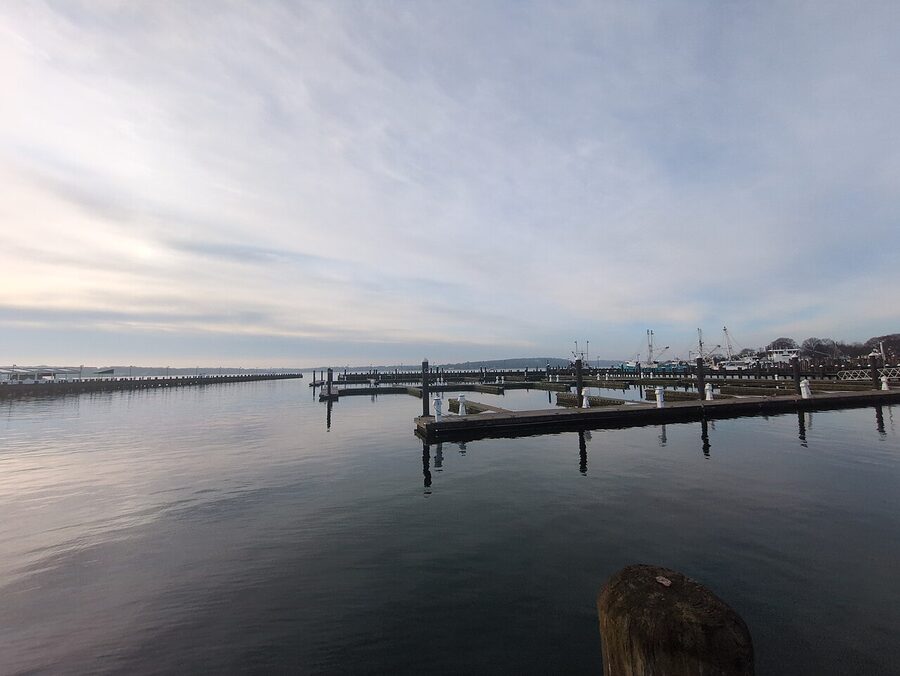
The two bases worth thinking about are Greenport and Southold, both on the eastern end of the fork. Greenport is the only real walkable town with a hotel cluster; you can step off the LIRR, walk to your hotel, walk to dinner, and only get in a car for the wineries. Southold is quieter and slightly more residential, with B&Bs rather than hotels.
- The Menhaden (Greenport). Small modern hotel two blocks from the harbour, the right pick for a couples weekend. Check rates on Booking.com.
- Harbor Crest Hotel (Greenport). Newer, on Front Street, walkable to everything. Booking.com.
- Sound View Greenport. On the Sound side a few minutes’ drive from the village, the right pick if you want a sea view rather than a harbour view. Booking.com.
- Jamesport Vineyard rooms. Actual rooms inside a working vineyard’s nineteenth-century farmhouse in Jamesport, sleeps four, books out. Booking.com area search.
- Vineyard 48 / general North Fork B&Bs. Cutchogue, Mattituck, Southold all have small B&Bs that turn over quickly in shoulder season. Cutchogue Booking.com search.
Where to eat that isn’t a tasting room
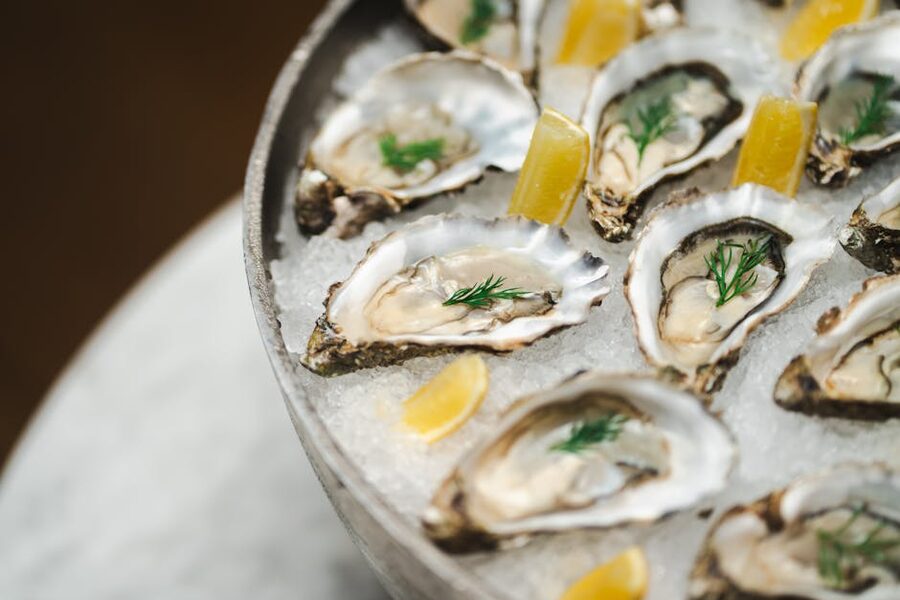
Three places I’d send you with no reservation about it. The Halyard in Greenport, on the water at Stirling Cove, with a wine list that takes the local stuff seriously and a Peeko oyster selection that’s worth the drive on its own. Sunset Beach on Shelter Island, more of a scene than a restaurant but the deck on a Friday in July is the right answer to “where do we go for sunset” (note: the ferry ride and the on-island taxi situation are both a bit of a nuisance, drive your car onto the ferry). Love Lane Kitchen in Mattituck for breakfast or a long lunch, where the menu is short, the pancakes are correct, and most of the wine is local.
One that’s specifically a wine person’s pick: the Village Cheese Shop in Mattituck, two doors down from Tulio’s, will assemble a board for you with North Fork wine pairings and a hunk of really good bread, which you can either eat there or carry to a winery deck if you want to upgrade your tasting cheese.
When to go
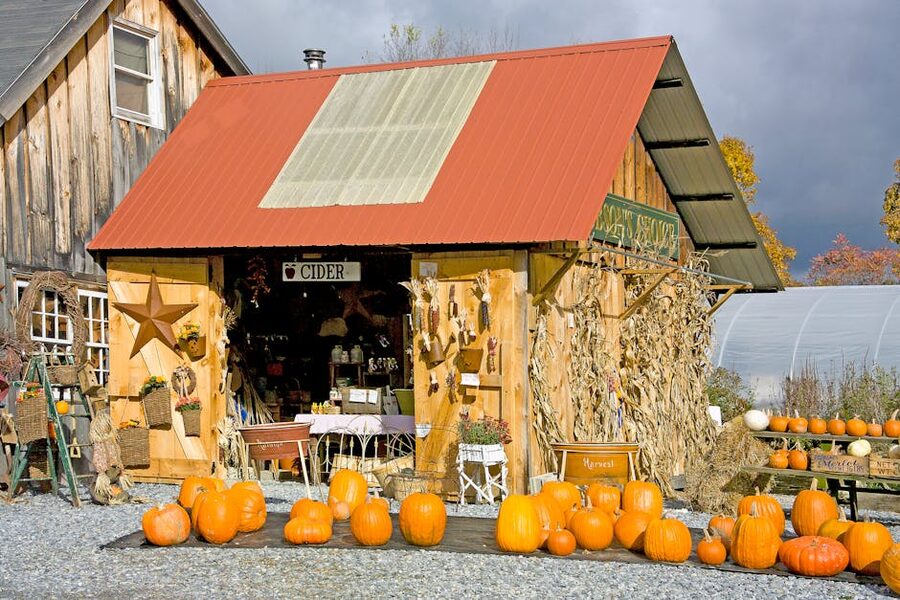
October is the answer if you can only go once. The grapes are coming in, the crowds have thinned to a manageable level, the temperature is in that perfect mid-sixties window, and several of the wineries do harvest events on weekends. May into early June is the second-best window: vines in leaf, no crowds, often warm enough for the patio. August is the most crowded and not the most rewarding; the wines are good but you’ll spend half your day in line behind a party bus.
If you’re allergic to crowds, go on a weekday. Tuesday-through-Thursday at any time of year, except the major American holiday weekends, you’ll have most tasting rooms half empty. The locals call this the “secret weekday North Fork” and it is, on a sunny October Wednesday, one of the best wine experiences in the country.
Getting there without a car
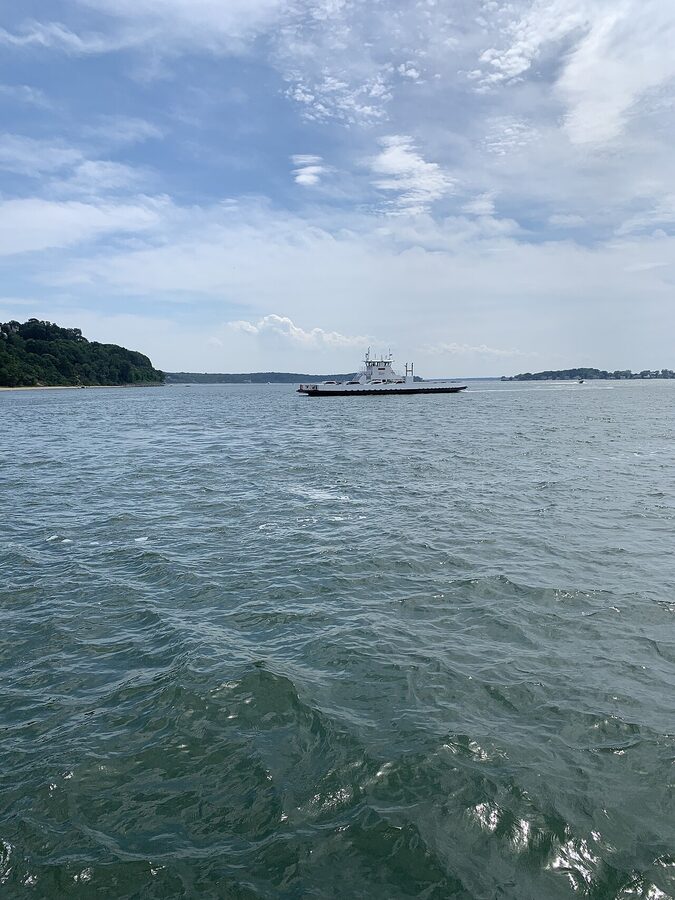

The Long Island Rail Road’s Ronkonkoma branch terminates in Greenport, and that’s the carless answer. From Penn Station or Grand Central Madison the trip is around two hours and forty minutes; you’ll likely change at Ronkonkoma, where the schedules don’t always align so check the LIRR app and time it. Once in Greenport, you have two options: a local taxi or the few small van operators who’ll drive you to wineries, or the Hampton Jitney’s local “North Fork Connect” which loops between Greenport and the wineries on weekends in season.
If you don’t want to figure that out, the simpler answer is one of the NYC coach tours from Viator or GetYourGuide, where the bus does the driving and you do the drinking. The trade-off: you visit the three wineries the operator picked, not the three you’d have picked. For most people on a first visit, that’s fine. For the second trip, take the train to Greenport and book a local driver for the day.
The full rank, one more time
Macari first because it’s biodynamic, beautiful, and consistently good. Paumanok second because the wine is the most serious. Bedell third for the Merlot. Lieb fourth for the diversity and the Pinot Blanc. Wölffer fifth because anyone leaving it off this list is being precious about geography. Sparkling Pointe sixth for the bubbles. Lenz seventh as the wind-down stop. Croteaux eighth as the rosé pilgrimage. Kontokosta ninth for the cliff-top view. Channing Daughters tenth for the experimental palate. RGNY eleventh for the bicultural newcomer. Roanoke at Tulio’s twelfth as the village wine bar.
If you’re building a single Saturday: Macari, Paumanok, Croteaux. Three wineries, in that order, with lunch at Love Lane Kitchen between Paumanok and Croteaux. You won’t be the first person to tell me afterward that it was the best Saturday they’d had in a year.
 Travel TipsFall Foliage in the Finger Lakes: When and WhereIf you have driven south on Route 414 in the second-to-last week of October, you already know what this article…
 Wine RegionsSheldrake Point: Cayuga Lake’s Lakefront Tasting RoomThe first time I drove down County Road 153 to Sheldrake Point, I missed the turn. You come around a…
 Travel TipsThings to Do in Canandaigua, NY: A Wine-Country TownYou drove down from Rochester for the gardens. That was the plan. Sonnenberg in the morning, lunch somewhere on Main…