
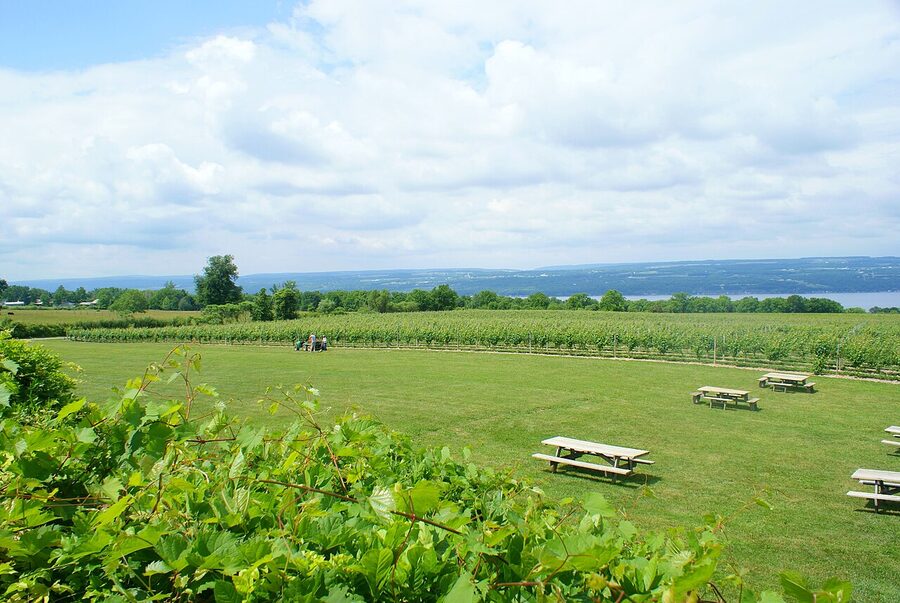
Wine country starts at Penn Station.
The North Fork’s tasting rooms, Hudson Valley cellars an hour up the river, Finger Lakes rieslings that beat their German cousins. Trail guides written glass by glass, plus the tours that drive so nobody at your table has to.
Days out that pour properly.
Sommelier-hosted Long Island runs, a bike between North Fork tasting rooms, a Manhattan whiskey distillery for the day the weather turns. Every pick below says what it costs and who drives.
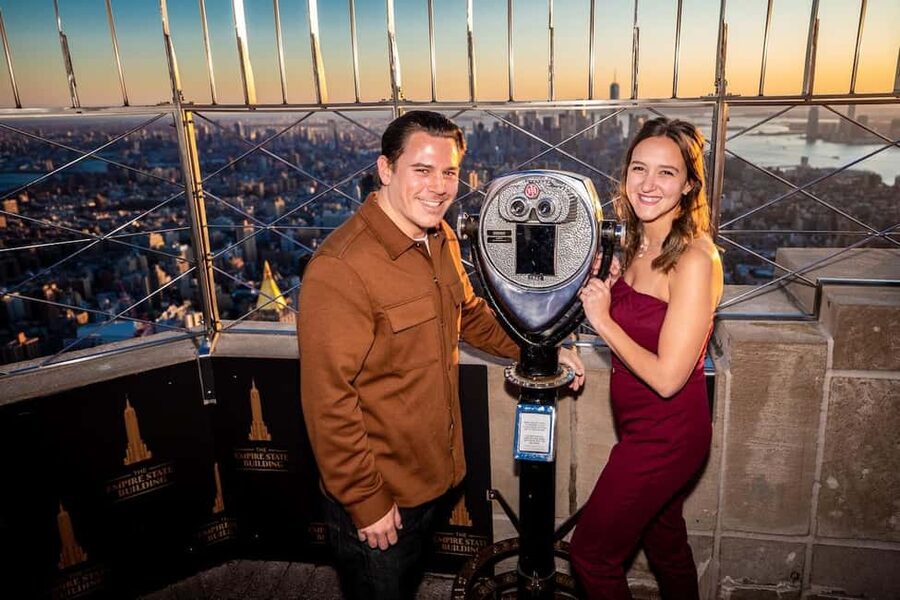
NYC: Empire State Building Tickets – Observatory & Museum
Review of Empire State Building tickets, including 86th and 102nd floor views, museum galleries, timing tips, accessibility, and ticket value.
From $47 per person · 45 minutes - 2 hours
Read the review → ★ 4.5Safe betLong Island Wine and Food Day Trip with Sommelier host from NYCFrom $1489 hours (approx.)
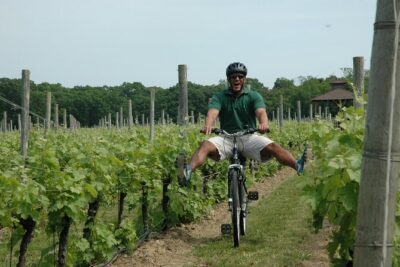 ★ 5.0Books out on weekendsMattituck New York Guided Farm and Wine Country Bike TourFrom $139
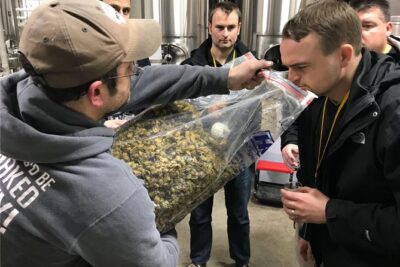 ★ 4.5Crowd favouriteUnderground Brooklyn Walking Brewery TourFrom $993 hours 30 minutes (approx.)
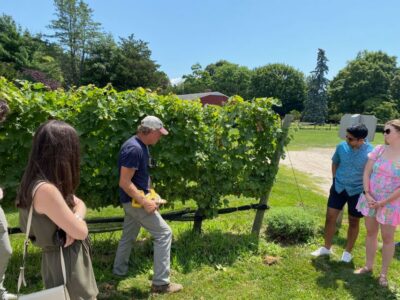 ★ 4.8Designated driver includedNYC: Long Island Sommelier-Guided Wine Tasting TourFrom $1599 hours
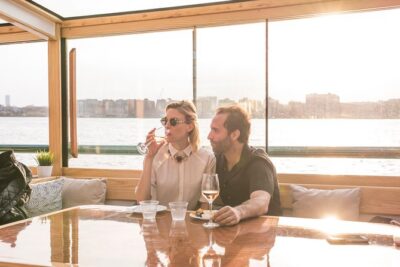 ★ 4.5Local favouriteNew York City: Champagne, Cheese, Caviar & Sightseeing CruiseFrom $1341 hour 30 minutes (approx.)
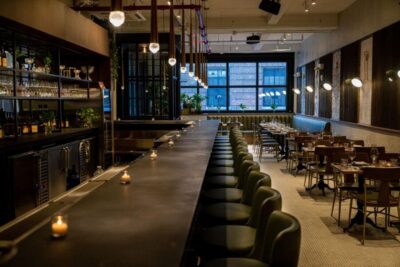 ★ 4.7Worth the corkageNYC: Tour and Tasting at Brooklyn WineryFrom $451 hour
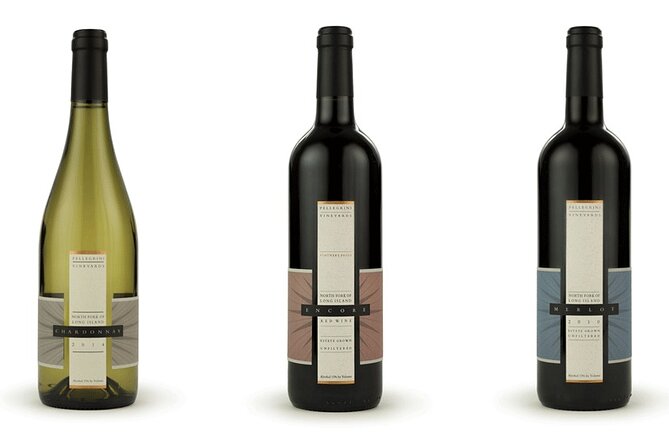
The North Fork does the pouring.
Two hours east of Manhattan the vineyards take over both sides of Route 25, and the tasting rooms sit close enough to link four in an afternoon. These tours handle the driving, the bookings and, on the good ones, the cheese.
Which wine country is yours?
Three regions, three different days out. Pick by how far you’ll go for the glass.
The classic
Long Island
9 hours (approx.) · from $148
North Fork farm stands, tasting rooms with Atlantic light, and the Hamptons on the way home if you time it. The most tasting rooms per mile in the state, and the easiest guided day.
See Long Island days →
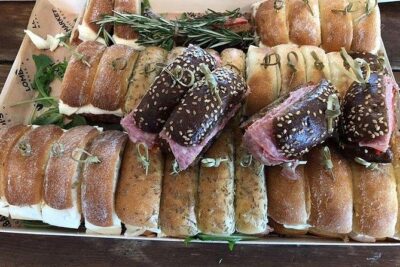 The river run
The Hudson Valley
from $159
America’s oldest wine country hides an hour up the river: stone cellars from the 1600s, farm-to-table lunches, and views that hold their own against the wine. Trains make it car-free.
See Hudson Valley days →
The river run
The Hudson Valley
from $159
America’s oldest wine country hides an hour up the river: stone cellars from the 1600s, farm-to-table lunches, and views that hold their own against the wine. Trains make it car-free.
See Hudson Valley days →
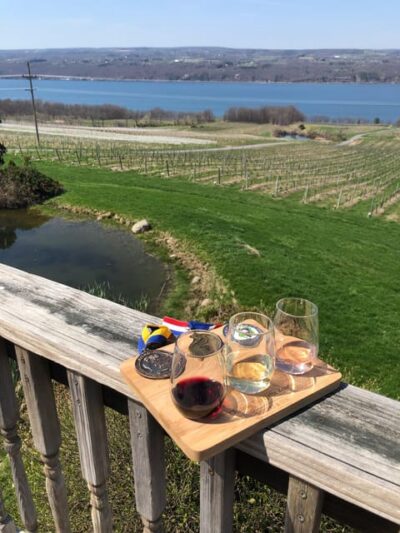 Worth the miles
The Finger Lakes
7 hours · from $312
Four hours out and worth every one: Seneca and Cayuga’s lakeside rieslings run with the world’s best, and the trail towns still feel like a secret. Stay the night; the mornings are the point.
See Finger Lakes days →
Worth the miles
The Finger Lakes
7 hours · from $312
Four hours out and worth every one: Seneca and Cayuga’s lakeside rieslings run with the world’s best, and the trail towns still feel like a secret. Stay the night; the mornings are the point.
See Finger Lakes days →
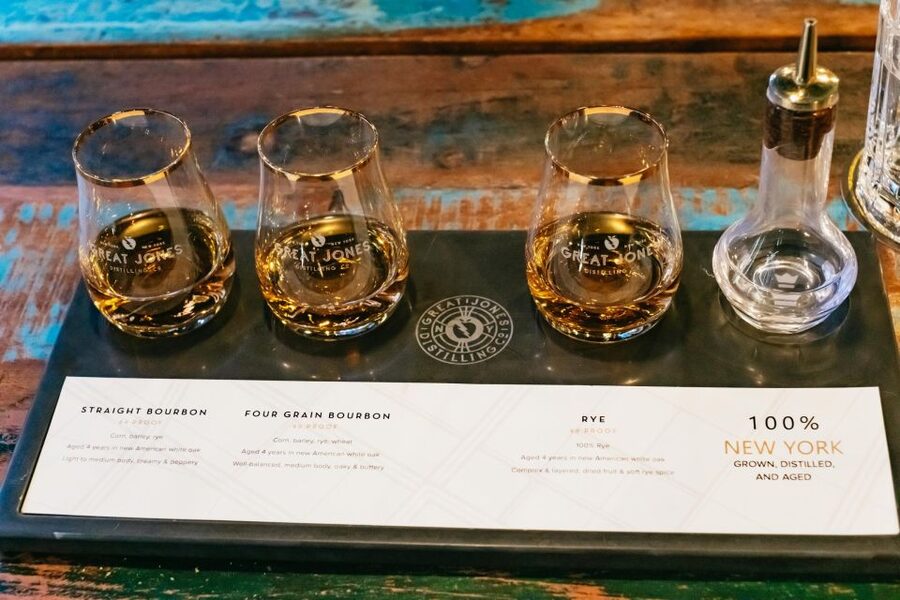
The city distills its own.
Manhattan’s only whiskey distillery, Brooklyn’s brewery basements, cider pressed upstate. When the forecast cancels the vineyard day, these keep the tasting going indoors.
Know the trail before you taste it.
Seneca, Cayuga and Keuka trail by trail, the Hamptons cellars worth the detour, and the wine train that solves the Hudson Valley’s driving problem.
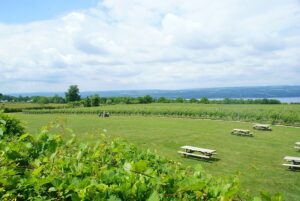 Wine RegionsSeneca Lake Wine Trail: A Full Itinerary by Lake SideIt's seven in the morning at the Watkins Glen public dock and you're holding a coffee cup that's already gone…
 Wine RegionsCayuga Wine Trail: The Quieter Finger Lakes LoopPull into Watkins Glen on the first Saturday in October and you can feel it before you see it. Bus…
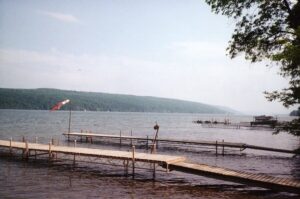 Wine RegionsKeuka Lake Wine Trail: Where US Wine StartedThe first time someone planted a European wine grape on this lake and got it to survive a Finger Lakes…
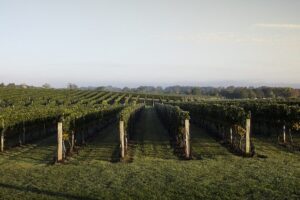 Wine RegionsHamptons Winery Tours: A South Fork Day OutYou've been to the Hamptons twenty times. You know which beach has the best parking on a Saturday in July,…
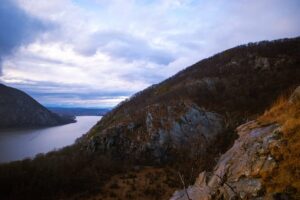 Wine RegionsHudson Valley Wine Train Tours: Worth It or Skip?Skip it. If you searched "Hudson Valley wine train" expecting to roll out of Grand Central, find a seat in…
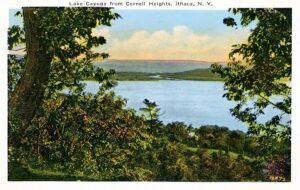 Wine RegionsIthaca Wine Tours: Cayuga Lake from a Cornell VisitYou're up for parents weekend at Cornell. Or commencement. Or your kid's hockey game against Harvard, and you've got 36…
Six ways into New York wine.
By region, by bike, by boat. Every tile leads to days already reviewed and priced.
Three tastings, three distances.
Start in the boroughs, work up the river, then commit a weekend to the lakes. The state pours in that order.
Saturday 1
Stay in the boroughs
A working winery under the Brooklyn Bridge, a brewery crawl underground, whiskey in Manhattan. No car, no planning, home by eight.
Plan the city Saturday →
Saturday 2
Ride up the river
Metro-North out, stone cellars and orchard cider all afternoon, the river doing its golden-hour act on the way back down.
Plan the valley Saturday →
Saturday 3
Give the Fork a full day
Four tasting rooms, a farm-stand lunch, oysters if the season allows. Book the version with the driver; everyone thanks you by stop three.
Plan the Fork Saturday →
New on the site.
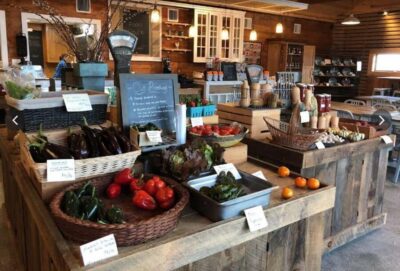 ★ 4.0NYC: Classic Wine Country Guided Bike TourFrom $134
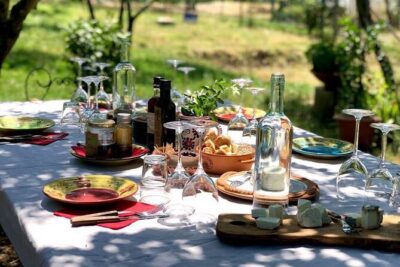 ★ 5.0Full-Day Luxury Long Island Private Winery Tour12 hours (approx.)
Mattituck: Self-Guided Bike Tour thru Wine CountryFrom $88
★ 5.0Full-Day Luxury Long Island Private Winery Tour12 hours (approx.)
Mattituck: Self-Guided Bike Tour thru Wine CountryFrom $88
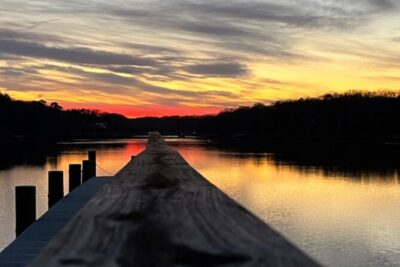 ★ 5.0Long Island Wine Tour North Fork Sights Bites Flights Half Day PMFrom $3394 to 5 hours (approx.)
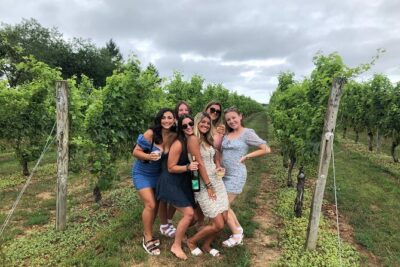 ★ 5.0Full Day Private Long Island Wine Tours from New York City8 hours (approx.)
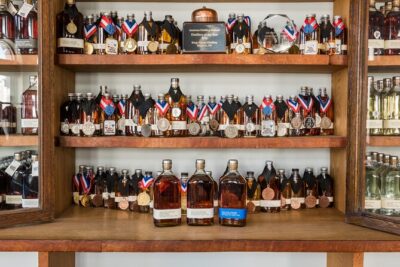 ★ 5.0Brooklyn Distillery TourFrom $2145 minutes to 1 hour (approx.)
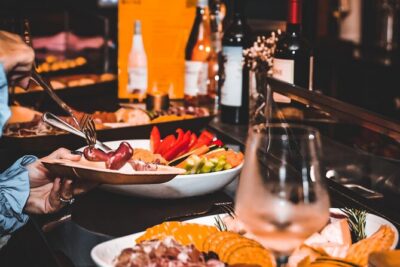 ★ 1.0New York Wine Tasting Experience1 hour 30 minutes (approx.)
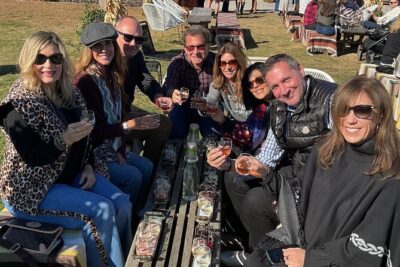 ★ 5.0Long Island Wine Tour North Fork Sights, Bites & Flights Full-DayFrom $5597 to 8 hours (approx.)