
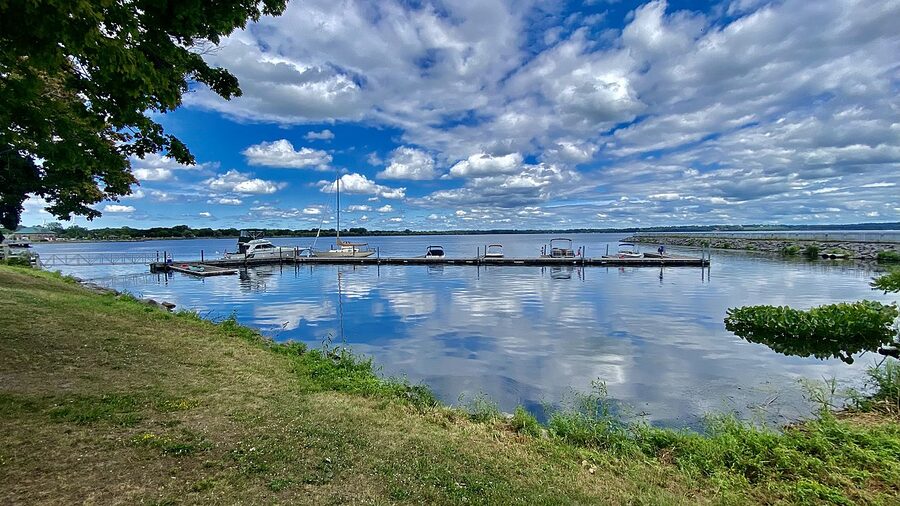
It’s seven in the morning at the Watkins Glen public dock and you’re holding a coffee cup that’s already gone cold. Seneca Lake is a sheet of grey running 38 miles north, and you’re trying to decide which side of it you’re driving up today. Pick wrong and you’ll spend three hours looping back. Pick right and you’ll have a near-empty tasting room at Hermann J. Wiemer at 11am, lunch on a deck somewhere around Lodi by 1:30, and you’ll be back in town by sunset with a case of wine and the smug feeling of someone who knows the trick.

That’s what this guide is for. Not a list of “the 30 wineries you must visit on Seneca Lake.” Nobody visits 30 wineries. You visit four if you’re being realistic, five if you’re stretching it, six if you’re with a driver and a designated water-drinker. The trick is picking the four that earn the day, and knowing which side of the lake to put them on so you’re not driving across the south end on a country two-laner at 6pm with a glass of Riesling worth of judgement.
Seneca is the deepest of the Finger Lakes, the longest by a hair (Cayuga’s longer if you measure differently, but who cares), and by some distance the most serious for cool-climate wine in the eastern half of the United States. There are around fifty working wineries between Watkins Glen and Geneva. The lake itself does the work: it’s so deep it never freezes, it acts like a slow-release radiator through October and a slow-release ice cube through May, and it lets vinifera grapes survive winters that would kill them anywhere else this far inland.
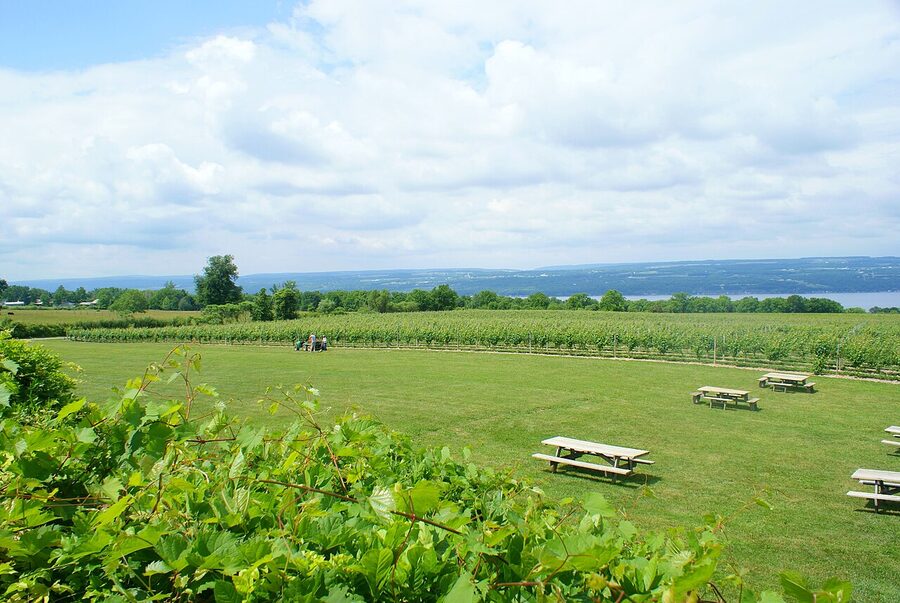

I’ve been doing this trip a few times a year since I lived in Ithaca in my twenties, and the route below is the one I send friends. I link tour operators where they’re worth booking, I name the wineries I’d actually pull off the road for, and I tell you which ones to skip even when their parking lot is full. If you want the broader regional context, the Finger Lakes Wine Tours pillar guide is the place to start. Otherwise, read on.
In This Article
- Quick orientation: the lake, the two sides, and the bases
- The west side: Route 14 from Watkins Glen up to Geneva
- Hermann J. Wiemer Vineyard (Dundee)
- Forge Cellars (Burdett)
- Boundary Breaks Vineyard (Lodi)
- Anthony Road Wine Company (Penn Yan)
- Standing Stone Vineyards (Hector)
- Lamoreaux Landing Wine Cellars (Lodi)
- Wagner Vineyards (Lodi)
- Damiani Wine Cellars (Burdett)
- Atwater Vineyards (Hector)
- The east side: Route 414 from Watkins Glen up through Hector and Lodi
- Red Newt Cellars and Bistro (Hector)
- Hector Wine Company (Hector)
- Silver Thread Vineyard (Lodi)
- Three itineraries: pick the one that matches your day
- Itinerary A: One day, west side (best for first-timers)
- Itinerary B: One day, east side (best for repeat visitors)
- Itinerary C: Two days, full lake (best with a driver)
- How to actually do the trip: drive yourself, hire a driver, or book a tour
- 1. Drive yourself, with a designated driver
- 2. Hire a private driver
- 3. Join a packaged group bus tour
- 4. The Watkins Glen trolley
- Comparing the booking options at a glance
- When to go: the real seasonal answer
- Where to stay: Watkins Glen vs Geneva vs spread out
- Watkins Glen (south end)
- Geneva (north end)
- The middle (Lodi, Hector, Burdett)
- Where to eat: the picks worth driving to
- The grapes you’ll actually drink: a quick primer so you can talk shop
- What to skip
- Practical logistics: a few things that catch people out
- Combining wine with the rest of the area
- Linking out: the rest of the Finger Lakes
- One last thing: the bottle to take home
Quick orientation: the lake, the two sides, and the bases
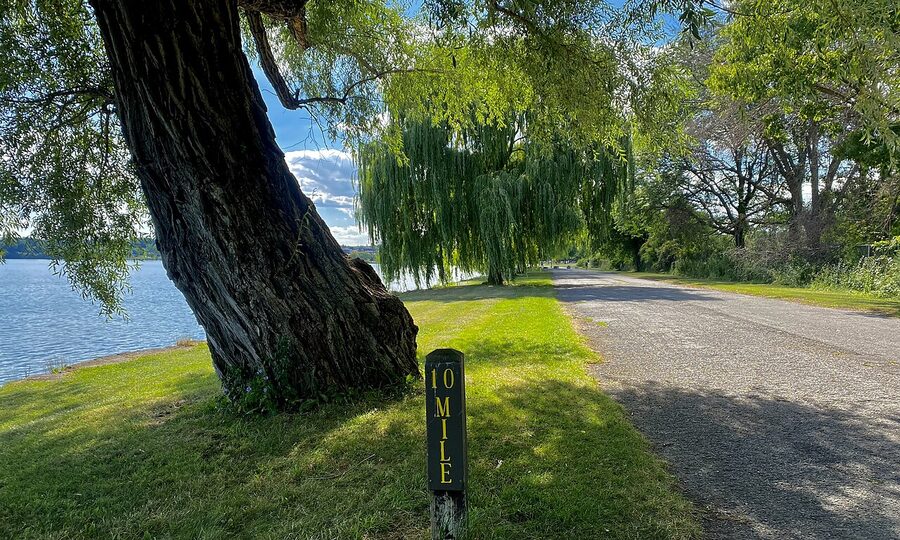

Seneca Lake runs roughly north-south. Watkins Glen is at the south end. Geneva is at the north end. Between them, Route 14 hugs the west shore and Route 414 hugs the east shore. They meet at the bottom in Watkins Glen and at the top in Geneva. That’s it. That’s the geography you need.
The Seneca Lake Wine Trail (the formal industry association) lists more than thirty member wineries. They’re spread along both sides, fairly evenly, but not identically.
- The west side (Route 14): runs north from Watkins Glen up through Dundee and Penn Yan, ending at Geneva. Wiemer, Anthony Road, Fox Run, Glenora, Fulkerson, Lakewood, Red Tail Ridge. Riesling-heavy, the side that put Seneca on the wine map.
- The east side (Route 414): runs north out of Watkins Glen through Hector, Burdett and Lodi. Forge, Boundary Breaks, Standing Stone, Lamoreaux Landing, Atwater, Wagner, Damiani, Hector Wine Co, Red Newt. More road space between stops, the better lake views (you sit higher above the water), and Hector Falls. The only roadside waterfall in the country I would pull over for if I were not even drinking wine.
Watkins Glen is the better base for a first trip. It’s small, it’s at the south end, both shore routes start there, and you can walk to Seneca Harbor and the gorge of Watkins Glen State Park before or after a wine day. Geneva is a slightly nicer town if you’ve been before and want to be based in something with more restaurants and a college-town feel (Hobart and William Smith Colleges sit on the lake there). But Geneva commits you to driving south to find most of the wineries, which adds about thirty minutes either way.
The west side: Route 14 from Watkins Glen up to Geneva
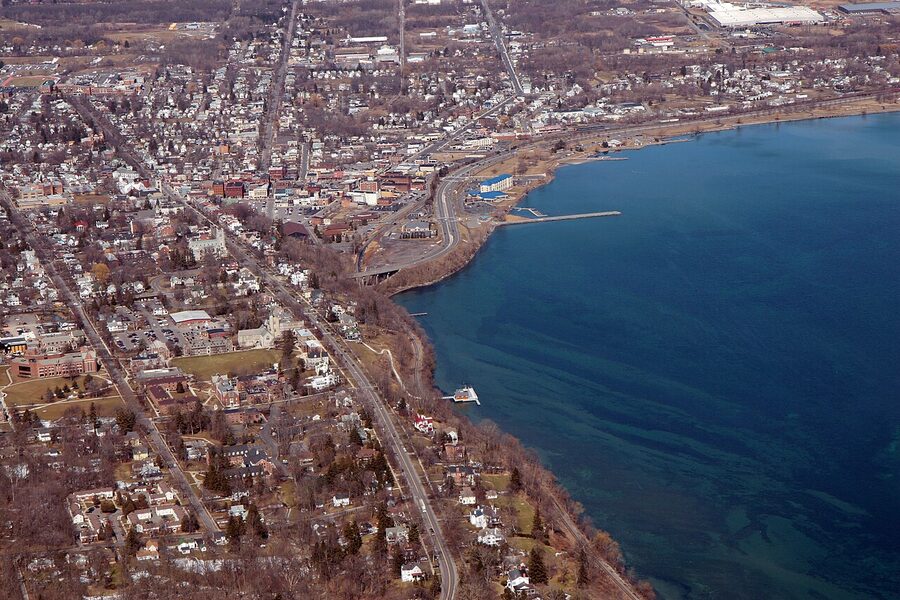
Drive north on Route 14 from Watkins Glen and you’re in wine country within ten minutes. The road climbs and falls, the lake comes in and out of view on your right, and the wineries appear in a rough cluster between the towns of Reading, Dundee, Lodi, and Ovid. There’s no obvious signage village, no postcard town with all the tasting rooms in walking distance. You drive, you park, you taste, you drive again. Two miles between stops is normal. Five miles is on the long side.
Below are the producers I’d schedule a day around. Note: I’ve left out a dozen perfectly fine wineries to keep the list useful. Tasting fees in 2026 generally run from about $10 for a basic flight to $25-35 for a reserve flight. Most are by reservation only on weekends. Almost none are walk-in friendly in October.
Hermann J. Wiemer Vineyard (Dundee)
The single most important winery in the Finger Lakes. Hermann Wiemer was a German immigrant who came to Seneca in the 1970s, planted vinifera when everyone said it couldn’t survive, and proved them wrong. He sold the place to longtime employees Fred Merwarth and Oskar Bynke in 2007. They have not coasted. The Magdalena Vineyard Riesling is the bottle to ask about. The Reserve Dry Riesling is the one to take home. Tastings are by reservation, the room is small and serious, and the staff actually know what they’re pouring. Not a place to bring a loud bachelorette party. Tasting fees were around $25 last I checked, and the bottles are some of the best-value white wine in the country at $25-40.
Forge Cellars (Burdett)
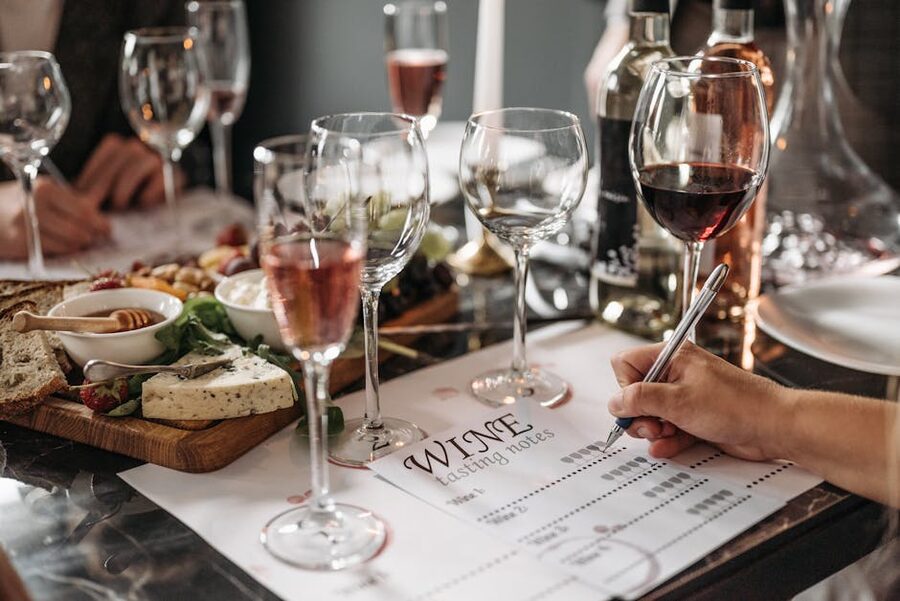
If Wiemer is the original serious place, Forge is the new serious place. Founded in 2011 by a partnership between Louis Barruol of Château de Saint Cosme in Gigondas and a couple of Seneca veterans, Forge does single-vineyard Rieslings and Pinot Noirs that taste like nothing else in the region. The tasting flight goes through several Rieslings sourced from different blocks along the lake, and you can taste the geography move under your tongue. The room is small and overlooks the lake. Reservation required, fee around $25, and book a week ahead in summer or you’ll be turned away.
Boundary Breaks Vineyard (Lodi)
Riesling specialists. They make about a dozen Rieslings, several of them single-clone, which sounds like a wine-nerd thing but actually plays out in your glass as remarkably different bottles from one grape on one piece of land. The dry Riesling #239 is what you want to start with. Tasting room is bright and modern, the deck has a serious lake view, and the staff are happy to walk you through the differences without making you feel like you should already know. Around $20 for a flight.
Anthony Road Wine Company (Penn Yan)
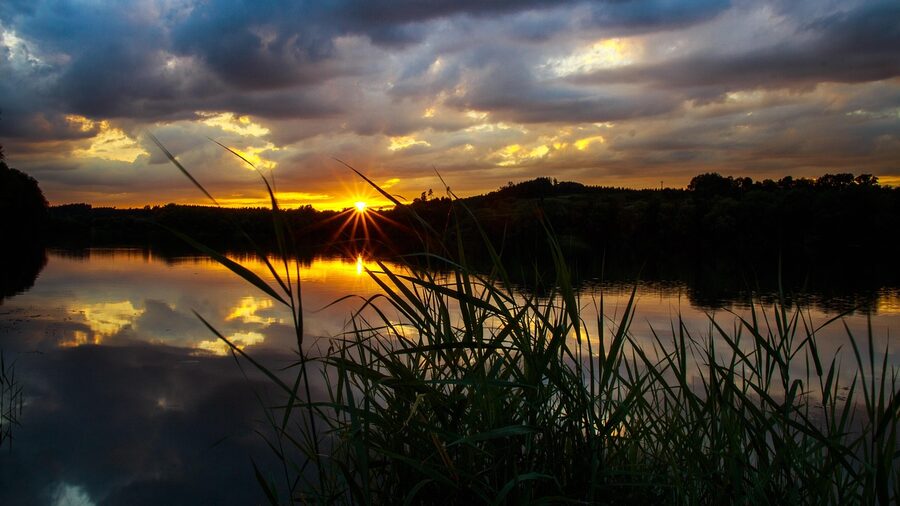
Officially on Keuka Lake’s eastern slope but functionally a Seneca Lake winery, the Martini family has been here since 1973. Their Semi-Dry Riesling is the bottle most local restaurants pour by the glass, which tells you something. Their Tier 2 Dry Riesling is the better deal. They also make a serious Cabernet Franc, which is the red I’ll always recommend over anything resembling a Cabernet Sauvignon at this latitude. Tasting room is unflashy and pleasant. Fee around $10-15.
Standing Stone Vineyards (Hector)
Bought by Hermann Wiemer’s owners in 2017, which means it now benefits from the same winemaking team. The Vidal Blanc Ice is a sweet wine I generally don’t love, but theirs is one of the few I’d buy. Otherwise their Smokehouse Riesling and Saperavi (a Georgian red they’re one of the few US wineries to grow) are both worth your time. Standing Stone is technically on the east side of the lake, despite being included here as part of the Wiemer family.
Lamoreaux Landing Wine Cellars (Lodi)
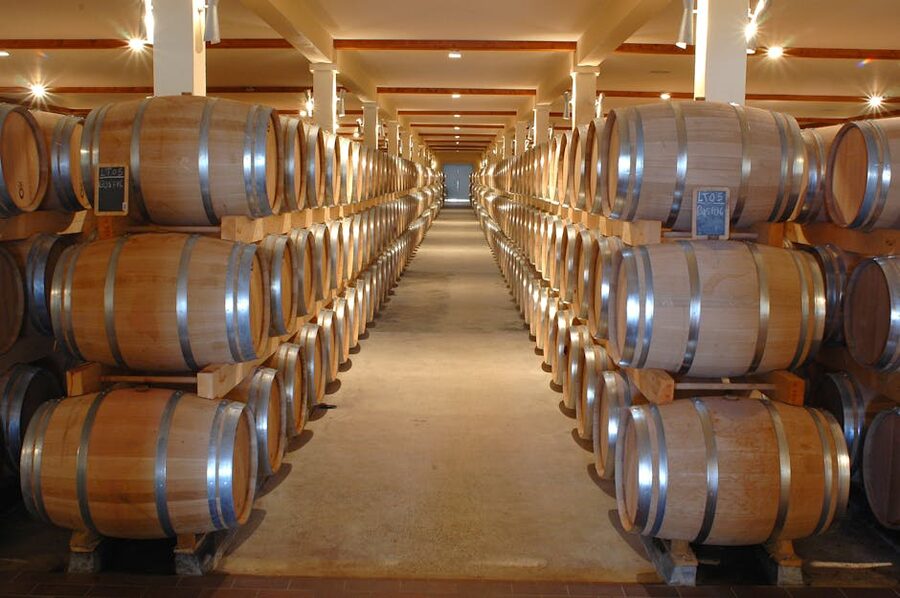
One of the older, larger, and more reliably well-made wineries on the lake. The Greek Revival tasting room is the architectural standout on the trail, and the deck looks straight down at the water. They make a Brut Sparkling that’s the best traditional-method bubbles I’ve had in the Finger Lakes, and their Cabernet Franc is consistently one of the top three in the region. Around $15 for a flight, and they’re better at handling weekend crowds than most. A safe, good stop with a great view.
Wagner Vineyards (Lodi)
Bigger operation, family-run since 1978, with their own brewery (Wagner Valley Brewing) on the same site, plus the Ginny Lee Café for lunch. This is the place to bring a group that includes one person who doesn’t drink wine, one person who only wants to drink beer, and one person who needs lunch within thirty minutes or there will be a problem. The wines themselves are solid rather than spectacular: the Riesling is fine, the Ice Wine is well-made, and the value for money is real. The deck overlooking the lake is one of the best on the east side. About $12 for a flight.
Damiani Wine Cellars (Burdett)
Smaller, family-owned, with a tasting room I would describe as rustic in the actual sense rather than the marketing sense. They do reds well, particularly the Cabernet Franc and the Meritage blend, which is unusual on a lake that’s mostly known for whites. The view from their deck is excellent. Tasting fee around $15. Don’t go on a Saturday in October if you can help it; the room is small and gets jammed.
Atwater Vineyards (Hector)
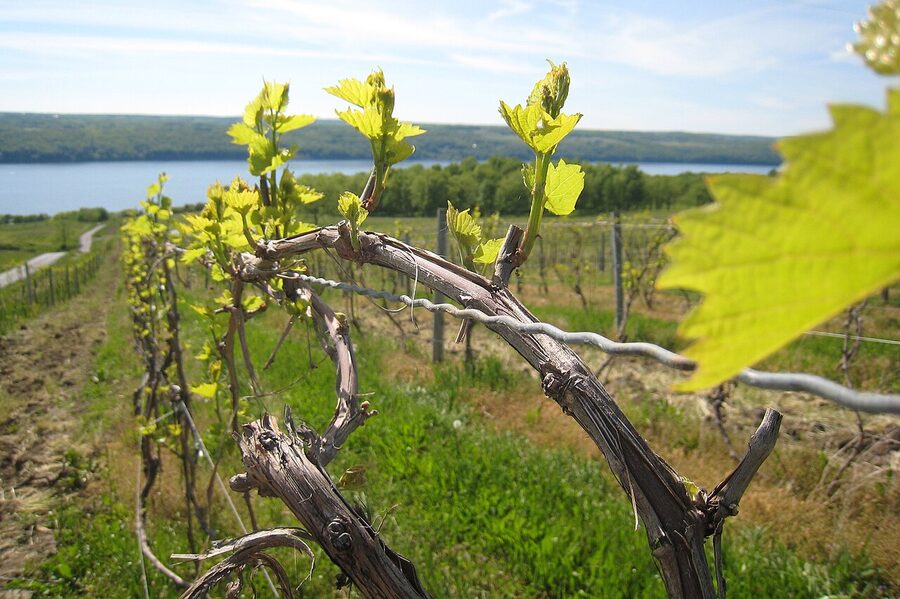

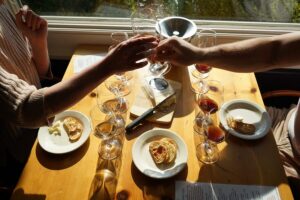
Also east-side, technically. Atwater makes a serious dry Rosé that I’d put on a shortlist of the best in the eastern US, plus a Riesling that drinks above its price. The tasting room has the best sit-on-the-deck-with-cheese energy of any Seneca winery. If you have a group that wants to slow down for an hour rather than do another quick flight, end the day here. Fee around $15.
The east side: Route 414 from Watkins Glen up through Hector and Lodi
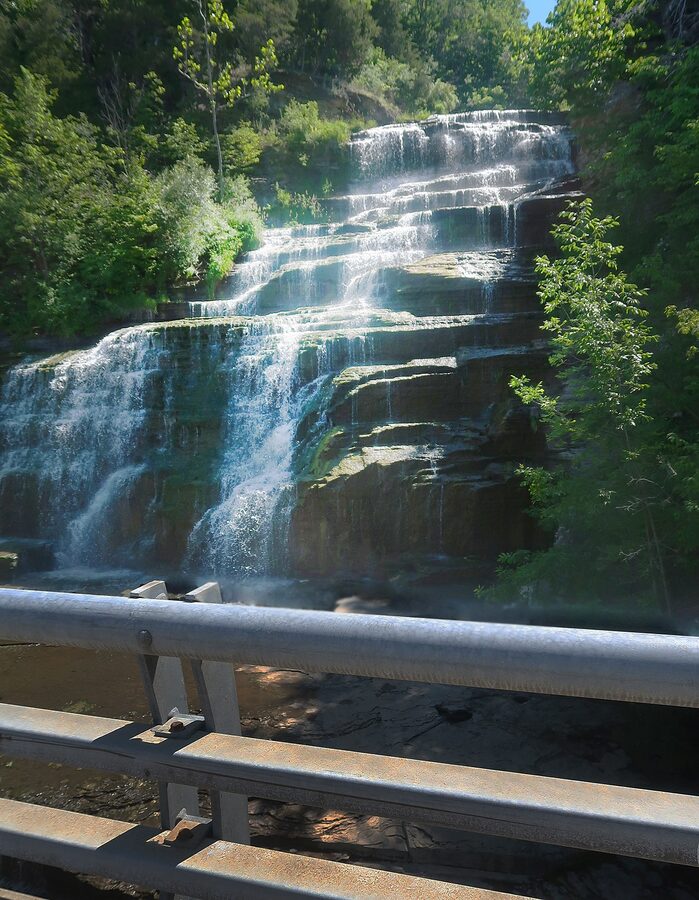
The east side runs Route 414 north out of Watkins Glen. The driving is more pleasant than the west side because the road is less travelled and the views are bigger; you’re up higher above the water for more of the drive. Along the way you get Hector Falls, a few of the wineries listed above (Wagner, Damiani, Atwater, Standing Stone all sit on this side), Hector Wine Company, Red Newt Cellars (whose bistro is the single best winery restaurant on the lake), and Silver Thread Vineyard, which is a lovely little organically-farmed operation worth a visit if you’re driving past.
Red Newt Cellars and Bistro (Hector)
This is where I’d schedule lunch on an east-side day. The bistro has been here for years, the kitchen takes itself seriously without showing off, and they pair small plates with their own wines or anyone else’s. Their Riesling is good rather than great, and that’s actually fine because you’ll have already had several great ones by lunch. Reservation strongly advised on weekends. Around $25-35 per person for a light lunch with wine.
Hector Wine Company (Hector)
A reliably solid stop on the east side, particularly for their Cabernet Franc and dry Riesling. The tasting room is unfussy and the staff don’t rush you. Around $15 for a flight. The kind of winery you stop at because you’re driving past, and then you end up buying two bottles.
Silver Thread Vineyard (Lodi)
Small, organic, and genuinely committed to it. Run by Shannon Brock and Paul Brock, who took it over in 2011. Their Riesling is the calling card, and their Pinot Noir is the surprise. Tasting room is tiny. If you want a serious conversation about Finger Lakes farming with the people who actually do it, this is the stop. Fee around $15.
Three itineraries: pick the one that matches your day
Below are the three itineraries I plan around. Each one is paced for a real human being who wants to enjoy a wine day rather than tick boxes. Four wineries plus lunch is the right number for one day. Five if your group skews into wine-nerd territory and you’ve booked appointments tight.
Itinerary A: One day, west side (best for first-timers)
| Time | Stop | Why |
|---|---|---|
| 10:00 | Hermann J. Wiemer (Dundee) | Start serious. Book the first slot. |
| 11:30 | Forge Cellars (Burdett) | Single-vineyard Rieslings, lake view. |
| 13:00 | Lunch at Suarez Bakery in Hector OR brown bag at the lake | You need food before stop three. |
| 14:30 | Boundary Breaks (Lodi) | The deck, the clones, the comparison. |
| 16:00 | Lamoreaux Landing (Lodi) | Bubbles, Cab Franc, view, end on a high. |
| 17:30 | Back to Watkins Glen for dinner | The Wildflower Café or Graft Wine + Cider Bar. |
This route covers the marquee names and stays on one side of the lake, so the driving is forgiving. About 60 miles of road total.
Itinerary B: One day, east side (best for repeat visitors)
| Time | Stop | Why |
|---|---|---|
| 10:00 | Hector Wine Company | Solid Riesling and Cab Franc to start. |
| 11:30 | Damiani Wine Cellars | For the reds, before your palate softens. |
| 13:00 | Lunch at Red Newt Bistro (Hector) | Reserve. Best winery restaurant on the lake. |
| 14:30 | Wagner Vineyards | Big deck, stretch break, brewery if needed. |
| 16:00 | Atwater Vineyards | Rosé, deck, slow finish. |
| 17:30 | Back to Watkins Glen | Or push north to Geneva for dinner at Kindred Fare. |
This is the route I do when I’ve got friends who already know the west-side names and want to slow down. About 50 miles of driving, less traffic.
Itinerary C: Two days, full lake (best with a driver)
If you have a weekend, here’s how to use it without burning out by Saturday afternoon.
Day one (Saturday): west side, four wineries. Wiemer, Forge, lunch at Suarez or pack-in, then Boundary Breaks and Lamoreaux Landing. Dinner in Watkins Glen at Graft, where the wine list is mostly local and the kitchen is good. Sleep at Watkins Glen Harbor Hotel (the only proper hotel in town, on the water) or one of the Watkins Glen B&Bs.
Day two (Sunday): east side, three wineries plus lunch. Start later (10:30 is plenty), and budget more time per stop. Hector Wine Company, Damiani, lunch at Red Newt, then end at Atwater. Drive home or push up to Geneva for dinner at Belhurst Castle if you want to extend the weekend by a meal.
Two days lets you actually drink the wine you taste, rather than spitting most of it because you have four more stops to make. Two days is also when a wine-tour driver becomes a real luxury rather than a small one. More on that next.
How to actually do the trip: drive yourself, hire a driver, or book a tour

You have four real options for getting around Seneca’s wineries. Each has a clear use case.
1. Drive yourself, with a designated driver
The most flexible and the cheapest. Works if you have a non-drinking partner, or if you spit at every stop (which a lot of tasting-room veterans do; the staff won’t blink). Park, taste, drive ten minutes, park, taste. The downside is that the designated driver does not get to drink, ever, and that gets old fast on a four-stop day.
2. Hire a private driver
This is what I’d do for any group of four to six. A private driver in their own vehicle picks you up at your hotel, drives you to four or five wineries you’ve pre-selected, waits in the parking lot, and brings you home. Price runs roughly $400-700 for a day depending on group size and vehicle. The advantage over a packaged tour is that you pick the wineries, the schedule, and the lunch stop. Crush Beer and Wine, Bianconi, and Magnolia are all reliable Seneca operators.
3. Join a packaged group bus tour
Cheaper per person but you don’t pick the stops. Good if you’re a couple or two-some who don’t want to coordinate logistics. A packaged tour generally hits four wineries, includes a light lunch, and runs around $100-150 per person. You can book Seneca Lake group tours through GetYourGuide’s Geneva NY tours page or via Viator’s Seneca Lake wine tasting tours from Syracuse and south-end tours from Ithaca. For a wider net across the whole region, the Finger Lakes wine tasting and winery tours hub on GetYourGuide is the easiest place to comparison-shop several operators at once.
4. The Watkins Glen trolley
The Lakeside Trolley does seasonal hop-on hop-off loops between Watkins Glen and the south-end wineries on summer weekends. Inexpensive, fun, slow. Good for a relaxed afternoon if you’re staying in town and only want to do two or three nearby stops.
Comparing the booking options at a glance
Here’s the price-per-person comparison I run through in my head when friends ask. Numbers are 2026, paid by adults, before tasting fees:
| Option | Type | Duration | Price per person | Stops included | Lunch? |
|---|---|---|---|---|---|
| DIY with designated driver | Self-drive | 6-8 hrs | $0 transport + $15-25 per tasting | You pick | Your choice, your cost |
| Lakeside Trolley (seasonal) | Hop-on/hop-off | Half day | $25-40 | 3-5 south-end wineries | Not included |
| Group bus tour (GetYourGuide / Viator) | Shared van/bus | 5-7 hrs | $100-150 | 3-4 wineries | Light lunch usually included |
| Private driver (Crush, Bianconi, Magnolia) | Private SUV/van | 6-8 hrs | $80-150 (4-6 person group) | You pick (4-5) | Your choice, your cost |
| Private chauffeured limo | Premium private | 6-8 hrs | $150-225 (split for group) | You pick (5-6) | Often arranged |
For two people, a packaged shared tour is the easy answer at around $130 per head. For four to six, a private driver tips into the better deal because the cost splits and you keep control of the itinerary.
When to go: the real seasonal answer
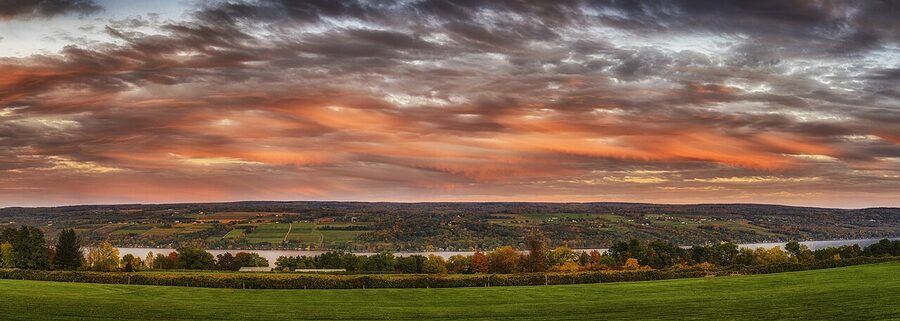

Late September and the first three weekends of October are when Seneca looks like every photo you’ve seen of it. Foliage is at peak, the air smells of crushed grapes everywhere you go because that’s literally what’s happening, and every winery is at full energy. It’s also when reservations are mandatory and the better tasting rooms book up two weeks ahead. If you’re going then, plan ahead.
May to mid-June is my sleeper recommendation. The vines have leafed out, the lake is no longer being whipped sideways by April winds, the wineries are open but not jammed, and you can walk into Wiemer on a Saturday at 11am without a reservation. The trade-off is that nothing’s in harvest yet so the wineries are quieter operations.
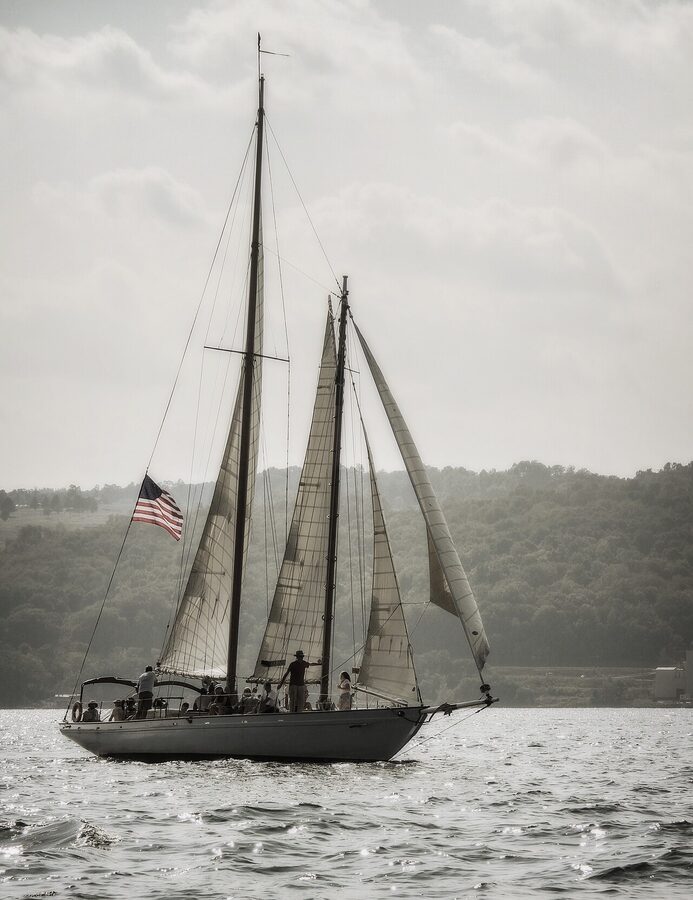
July and August are pleasant but warm enough that you’ll want decks and shaded patios. Almost all the wineries listed above have outdoor seating. The lake itself is at its most usable for swimming and sailing, which is a separate vacation from the wine one but worth combining.
November through early April: many tasting rooms close or move to weekends-only. Bigger producers stay open year-round (Wiemer, Wagner, Lamoreaux, Boundary Breaks). Smaller ones don’t. Always check before driving.
Where to stay: Watkins Glen vs Geneva vs spread out
Watkins Glen (south end)
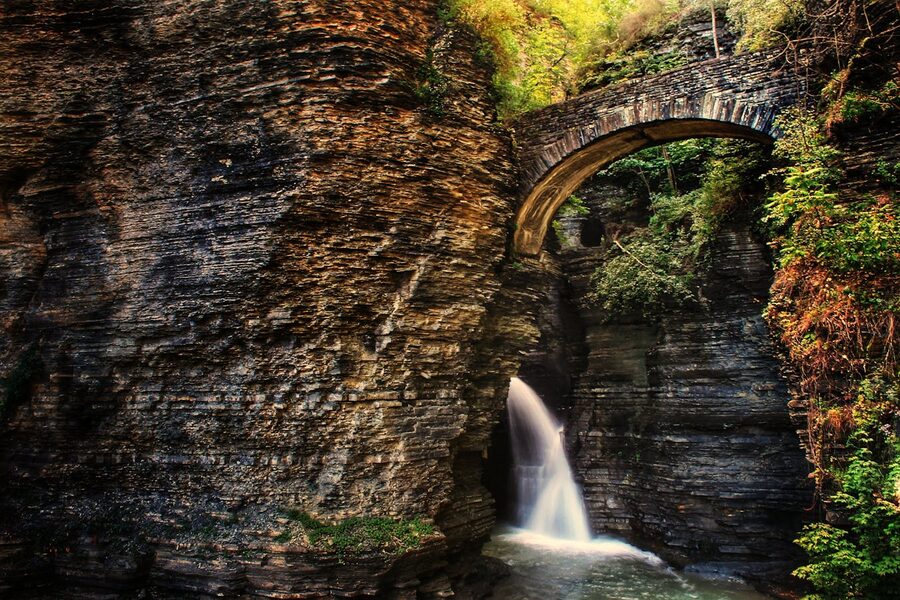
This is where I always tell people to stay for a first or second visit. Walking-distance restaurants, easy access to both shore routes, and the gorge trail at Watkins Glen State Park literally starts in the village. The Watkins Glen Harbor Hotel is the obvious choice and the only proper waterfront hotel in town. Idlwilde Inn is the nicer B&B option a mile or so out of town. Several other small motels and B&Bs cover the rest.
Geneva (north end)
Better if you want a real town, more dining choices, and a fancier hotel. Belhurst Castle and the Inns of Aurora are the regional luxury picks. Geneva on the Lake is a long-running favourite with a serious dining room and a slightly old-money feel that’s either charming or stiff depending on your mood.
The middle (Lodi, Hector, Burdett)
A handful of vineyard B&Bs along the lake (Magnolia Place, Red House Country Inn, Cobblestone Farm). Better for a couple looking for quiet than for a group. You’ll be driving for everything that isn’t on the property, but you’ll wake up to the lake and a vineyard out the window.
Where to eat: the picks worth driving to

Seneca’s restaurant scene has improved markedly over the last decade. There are at least half a dozen places I’d send a friend to. The shortlist:
- Red Newt Bistro (Hector): best winery-attached restaurant on the lake. Reservation essential on weekends.
- Graft Wine + Cider Bar (Watkins Glen): the place I send people for dinner in town. Local wine list, good charcuterie, small plates.
- The Wildflower Café (Watkins Glen): friendly, casual, good for breakfast or a relaxed dinner. Local sourcing, no fuss.
- Suarez Family Brewery (Hector): not a winery and not even technically on the wine trail, but the beer is some of the best in the state and the location is between most of the east-side wineries. Pizza and big tables. Good escape from another tasting flight.
- Kindred Fare (Geneva): the dinner option in Geneva. Modest room, ambitious kitchen, strong wine list. Reservation essential.
- Stonecat Café (Hector): lakeside. Open seasonally. Good for a long lunch on the deck if you can land a table.
- The Stonecutters Tavern (Watkins Glen): the casual fallback. Burgers and a wine list and you’ll be fine.
The grapes you’ll actually drink: a quick primer so you can talk shop
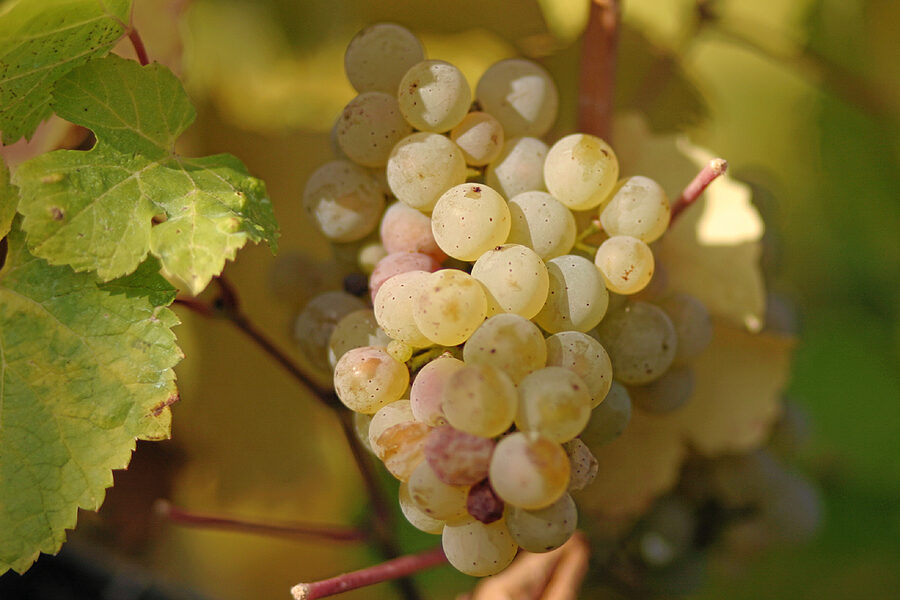

Riesling: the king. Cool nights and warm days through October give you bone-dry to luscious-sweet styles, all with the lift and tension that defines the grape. The Finger Lakes is one of three regions in the world (with Mosel and Alsace) where Riesling really sings, and most American wine writers will privately admit Seneca is the best of the three for value.
Cabernet Franc: the underrated red. Loves the long ripening season, doesn’t need the extreme heat that Cabernet Sauvignon does, and produces a wine that’s somewhere between a serious Loire Cab Franc and a lighter American style. Lamoreaux, Damiani, Anthony Road, and Hosmer over on Cayuga all do it well.
Pinot Noir: hit or miss in the Finger Lakes. When it’s good (Forge, Heart and Hands, Damiani’s reserve), it’s serious. When it’s fine, it’s fine. Don’t make Pinot the centerpiece of the trip.
Chardonnay: the underdog. Done in stainless or with light oak, it can be terrific. Forge and Wiemer both make Chardonnays that hold their own.
Saperavi, Vidal, Vignoles, Cayuga, Concord, Catawba: the regional and hybrid grapes you’ll see on tasting menus. Saperavi (Standing Stone) is genuinely interesting. Vidal Ice Wine is the dessert wine specialty. Concord and Catawba are the “Welch’s grape juice in alcohol form” wines that you can either taste for fun or skip; opinions vary.
What to skip
Not every winery on the trail is worth your time. A few opinions:
- The bigger glass-and-stone “wedding venue” wineries that have grown into corporate tasting machines. You’ll know them when you see them. The wine ranges from competent to forgettable, and the experience is more event-space than tasting room. Skip them unless you’re actually going to a wedding.
- Tasting rooms that don’t take reservations on a Saturday in October and have a parking lot full of party buses. Walk away.
- The “buy a wine slushie at the door and walk around with it” wineries. They exist. They’re fine for a different kind of trip than this one.
Conversely, don’t dismiss a tiny tasting room because it’s not on the famous list. Some of the best conversations I’ve had on Seneca were at small organic operations like Silver Thread, Element Winery, and Damiani in their early years.
Practical logistics: a few things that catch people out

- Reservations: required at the serious wineries (Wiemer, Forge, Standing Stone, Boundary Breaks, Silver Thread). Walk-ins accepted at most others, but groups of six or more should always call ahead.
- Cell signal: spotty along stretches of Route 14 and Route 414, especially on the east side. Download offline maps for the day.
- Bottles: you can ship wine home from most wineries, but New York’s shipping rules to other states are complex; ask at the tasting room which states they ship to before buying. Carry-on flights from Ithaca or Syracuse: pack the bottles in your checked luggage with proper protection. The wineries sell foam shippers cheap.
- Cash for tips: tasting room staff don’t expect tips, but small tips ($5-10 on a flight) are appreciated and increasingly common.
- Designated driver: if it’s you, pace yourself. The wineries have water and are generous with the spit buckets.
- Spitting: nobody will judge you. The serious tasters all spit. Tasting twelve wines and swallowing all of them is how you end up unable to taste anything by stop two.
Combining wine with the rest of the area
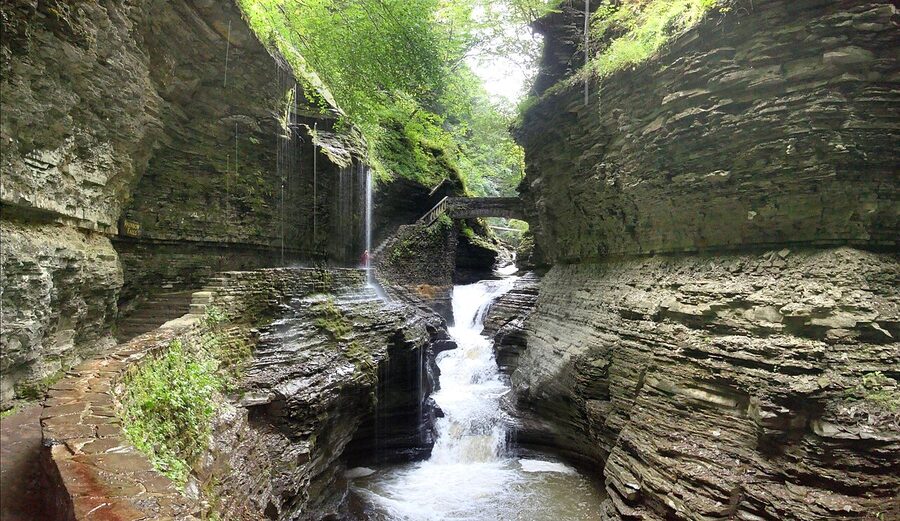

Seneca is not just wine. A few things you can fold into a long weekend without much effort:
- Watkins Glen State Park (in town): the gorge trail is a 1.5-mile walk past nineteen waterfalls. Open dawn to dusk, free to walk, $10 to park. Do it the morning before your wine day.
- Watkins Glen International (the racetrack): hosts NASCAR and IndyCar weekends through the summer. Check the calendar before booking a trip; if there’s a race weekend you’ll either want to be there or definitely not be there.
- Corning Museum of Glass (40 minutes south of Watkins Glen): genuinely world-class. Worth half a day.
- Seneca Lake by boat: Captain Bill’s Seneca Lake Cruises run from Watkins Glen Harbor most days. Two hours on the water. Perfect for a non-tasting morning or for when someone in the group has had enough of wine.
- The Sullivan-Clinton Campaign markers: scattered along Route 14, marking the 1779 American military expedition that destroyed the Iroquois Confederacy’s Seneca villages. Sobering historical context for the place names you’re driving past.
Linking out: the rest of the Finger Lakes
Seneca is the headline lake but it’s one of four formal Finger Lakes wine trails. If you’ve done Seneca and want to compare, the next stops are obvious. Cayuga’s wine trail is the older, quieter loop with a heavier Cab Franc focus and the Sheldrake Point and Hosmer wineries you should visit at least once. Keuka’s wine trail is the historic cradle, where Dr. Konstantin Frank planted the first vinifera and Pleasant Valley Wine Co (US Bonded Winery No. 1) still operates from 1860. Canandaigua’s wine trail is the half-day option from Rochester. And if you want to nerd out further on east-vs-west, I’ve put together a side-by-side comparison of Seneca’s two sides that goes deeper than this guide.
If you’re driving up from New York City for the first time, the broader Finger Lakes wine tours guide covers transit options, where to fly into, and the practical context for committing to the trip from the metro area.
One last thing: the bottle to take home
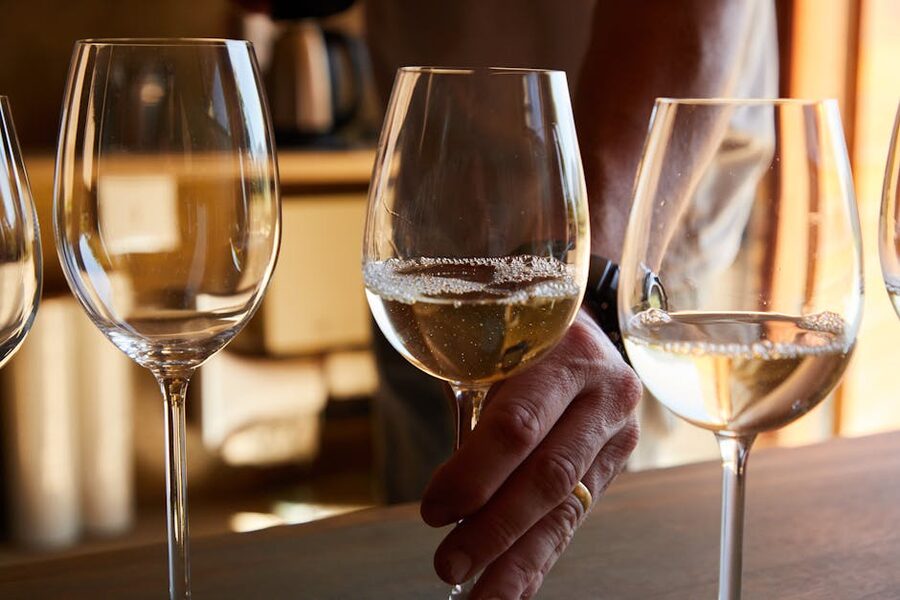
If I could only take one bottle home from Seneca, it would be Wiemer’s Magdalena Vineyard Riesling. If I could take a case, it would be split between the Magdalena, the Forge Classique Riesling, the Boundary Breaks #239, the Lamoreaux Cabernet Franc, and the Atwater Rosé. If you’ve never had Finger Lakes wine before and you want one bottle to understand why people are bothering, ask at Wiemer for the dry Riesling and drink it the next night with something simple, like roast chicken. Then you’ll know.
That’s Seneca. Pick your side, plan your four stops, hire a driver if there’s more than two of you, and book ahead in October. Have a real lunch in the middle. Buy more wine than you think you need, because the shipping rates from the Finger Lakes back to the rest of the country are surprisingly reasonable. And if you don’t have time for everything, do the west side first.
 Travel TipsFall Foliage in the Finger Lakes: When and WhereIf you have driven south on Route 414 in the second-to-last week of October, you already know what this article…
 Wine RegionsSheldrake Point: Cayuga Lake’s Lakefront Tasting RoomThe first time I drove down County Road 153 to Sheldrake Point, I missed the turn. You come around a…
 Travel TipsThings to Do in Canandaigua, NY: A Wine-Country TownYou drove down from Rochester for the gardens. That was the plan. Sonnenberg in the morning, lunch somewhere on Main…