
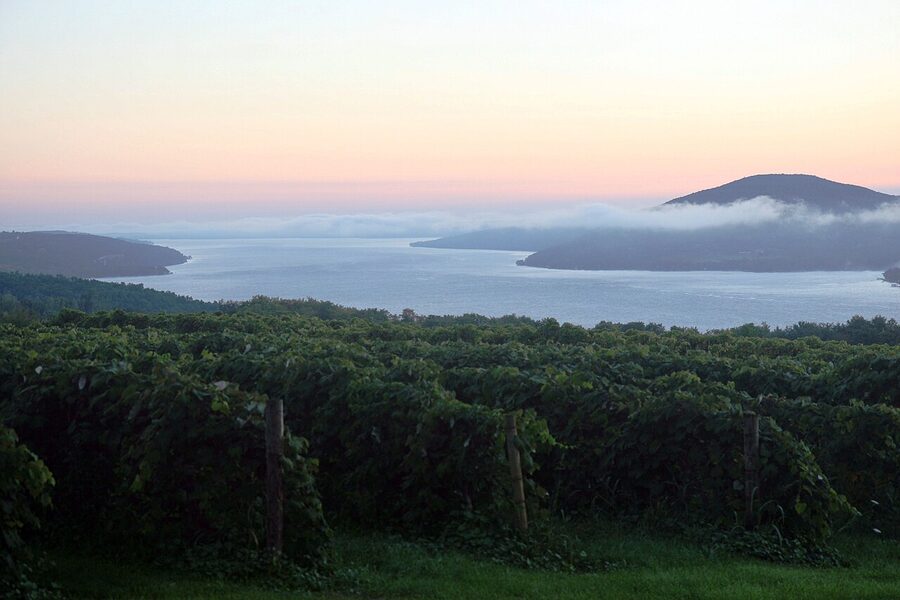
The first time someone planted a European wine grape on this lake and got it to survive a Finger Lakes winter, the year was 1962. The man who did it was Konstantin Frank, a refugee from Soviet-occupied Ukraine, who had spent the previous nine years arguing with American horticulture professors that yes, vinifera grapes could ripen in upstate New York if you grafted them onto cold-hardy rootstock. They told him no. He proved them wrong on a small slope above the west arm of Keuka Lake. Every Riesling, every Pinot Noir, every Cabernet Franc poured anywhere in the Finger Lakes today exists because of what he did on this lake.
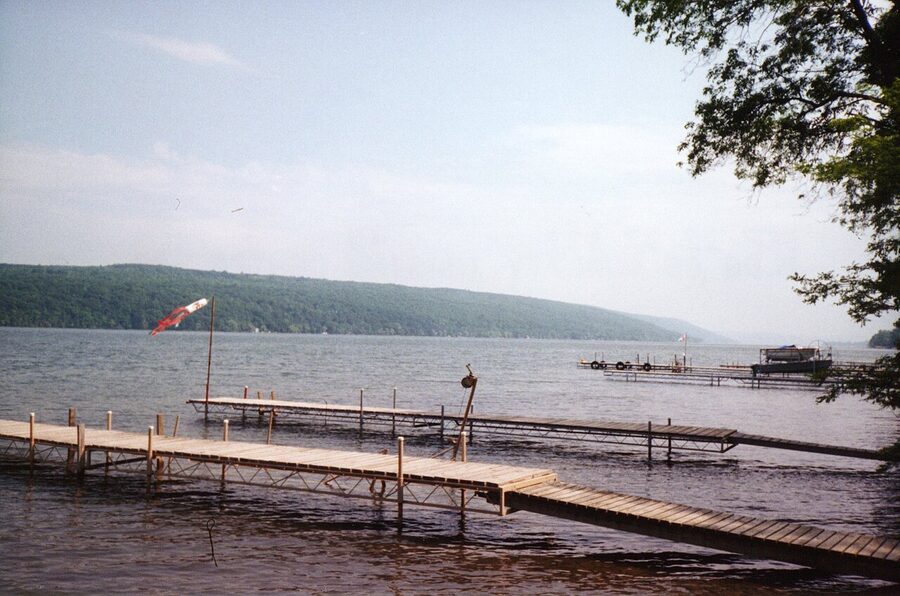

That history is also why the Keuka Lake Wine Trail is the smallest of the three big Finger Lakes wine trails and, in some ways, the most interesting. Seneca has more wineries. Cayuga has the older formal trail association. Keuka has the founding stories. The first bonded winery in the United States, the man who made vinifera grow here, the local rebel who spent forty years arguing with the federal government about what you could put on a wine label. All of it within a half-hour drive of one small village called Hammondsport.
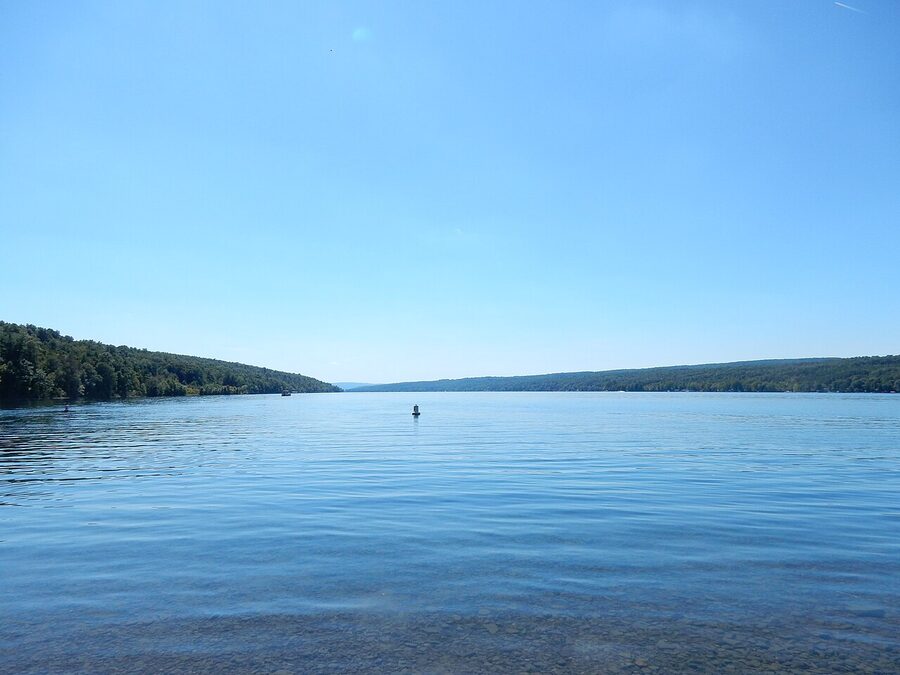

I’ll lay out the lake first, then the wineries, then how I’d actually plan a day or two here. There’s also a tour operator comparison if you don’t want to drive, an honest take on which historic wineries to skip, and a small love letter to the Glenn H. Curtiss Museum, because if you spend two days in Hammondsport without going in, you’ve missed the second-best thing about the town.

In This Article
- A short geography lesson before you taste anything
- The 1860 winery and the 1962 grape that saved American wine
- Hammondsport: the perfect walkable base
- Penn Yan: the practical side of the lake
- The wineries on the west arm: this is where you go
- Dr. Konstantin Frank Wine Cellars
- Heron Hill Winery
- Hunt Country Vineyards
- Keuka Lake Vineyards
- Pleasant Valley Wine Company
- The wineries on the east arm and around Penn Yan
- Keuka Spring Vineyards
- Vineyard View Winery
- Weis Vineyards
- Domaine LeSeurre Winery
- Agricolae Estate Winery by Ravines
- The Bully Hill story (and why I’d skip the wine)
- Two itineraries that actually make sense
- One day, west arm focus (the historic loop)
- Two days, both arms (the proper visit)
- Tour operators if you don’t want to drive
- The Glenn H. Curtiss Museum (yes, really)
- When to go
- Where to stay
- Where to eat
- Getting there
- What I’d skip and what I’d do twice
A short geography lesson before you taste anything
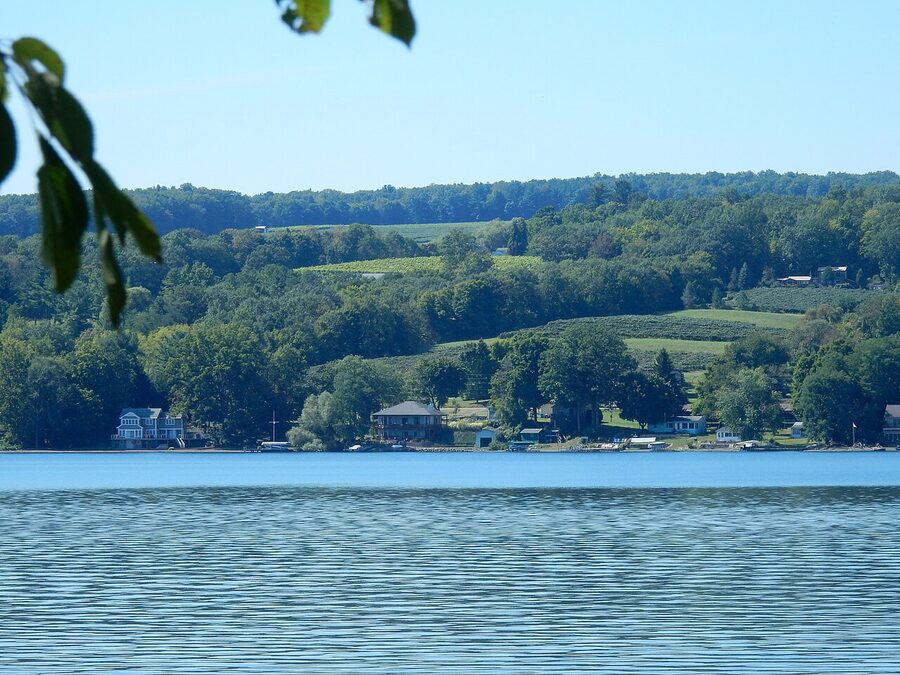
Keuka is shaped like a Y. Two arms point south, one arm points north, and they meet in the middle at a place called the Bluff, which is exactly what it sounds like: a long ridge of land sticking up between the two southern arms. The locals call the lake “Crooked Lake” because of this. It’s the only Finger Lake that flows in two directions, north out through the Keuka Lake Outlet to Seneca, and south at the same time through internal currents nobody on a tasting visit cares about.
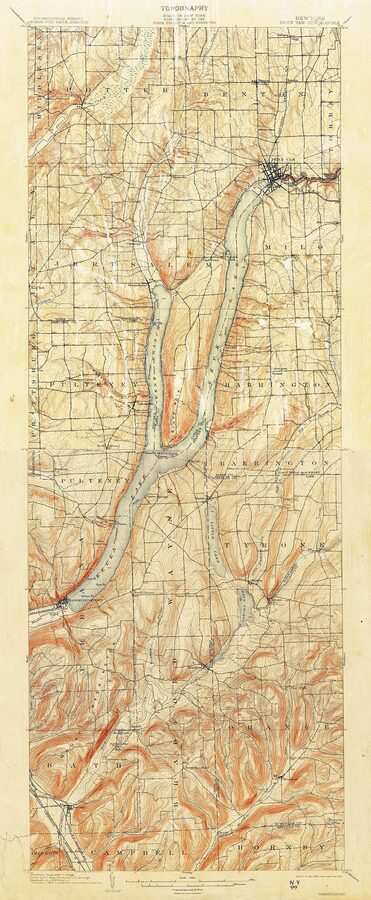
What this means for wine: the lake is small enough to drive around in about an hour without stopping, which is unique among the larger Finger Lakes. You can plausibly visit wineries on both arms in a single day. The west arm is the cooler microclimate. The east arm is slightly warmer because of how the prevailing winds run. Most of the historically important wineries are clustered on the west arm and the southern tip; the east arm has the newer and more design-forward producers.
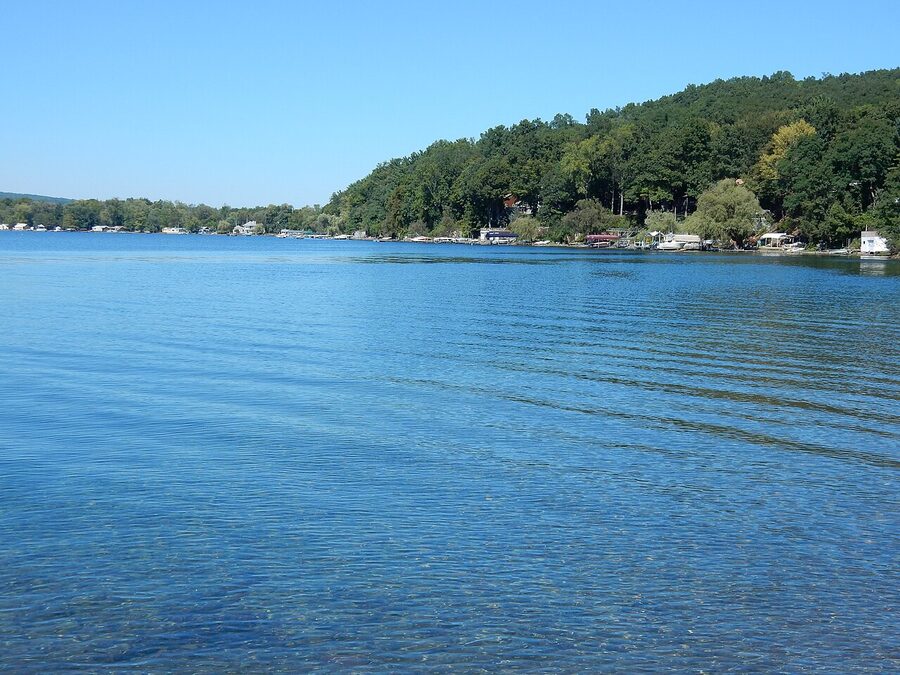

The two villages that matter for a tasting trip are Hammondsport at the south end of the east arm, and Penn Yan at the top of the lake. Hammondsport is the better base for almost every visitor. It’s smaller, walkable, has the best concentration of restaurants near the wineries, and sits a short drive from Dr. Frank, Heron Hill, Pleasant Valley, and the rest of the historic west-arm cluster. Penn Yan is the more functional town, with a Hampton Inn, a supermarket, and the only outlet trail. If you’re staying two nights, base in Hammondsport. If you’re doing a day trip from Rochester, parking in Penn Yan and driving down one side of the lake is the easier move.
The 1860 winery and the 1962 grape that saved American wine
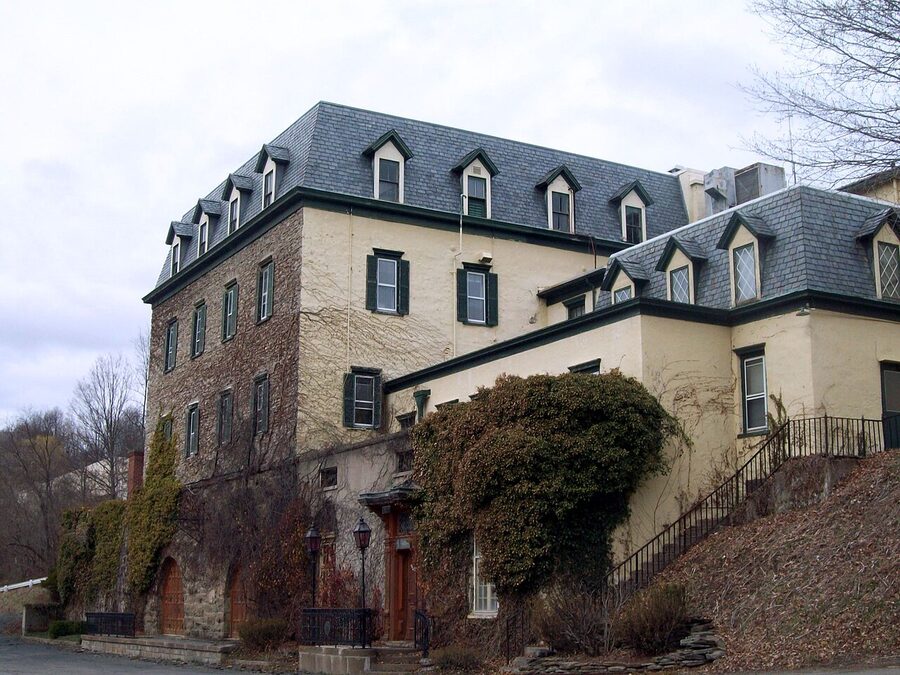
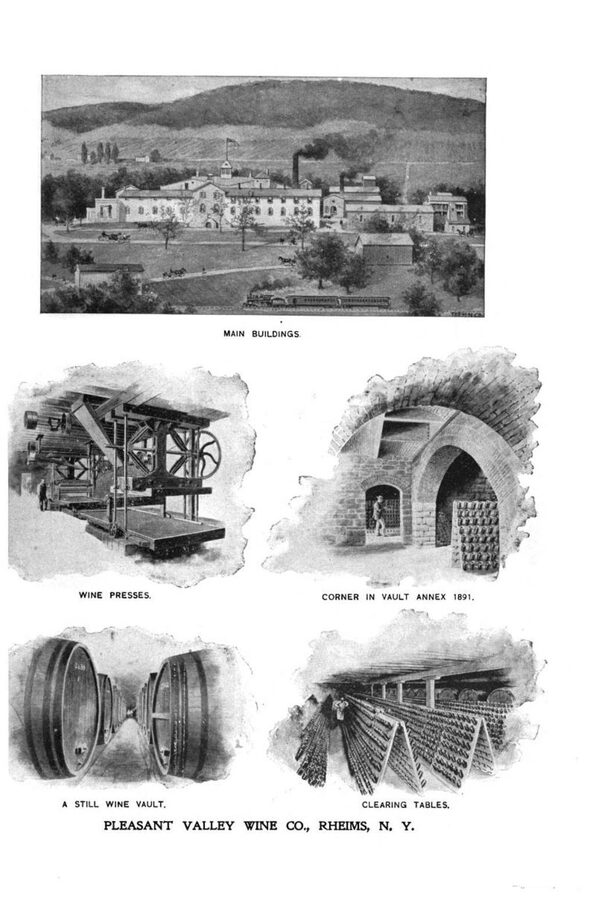
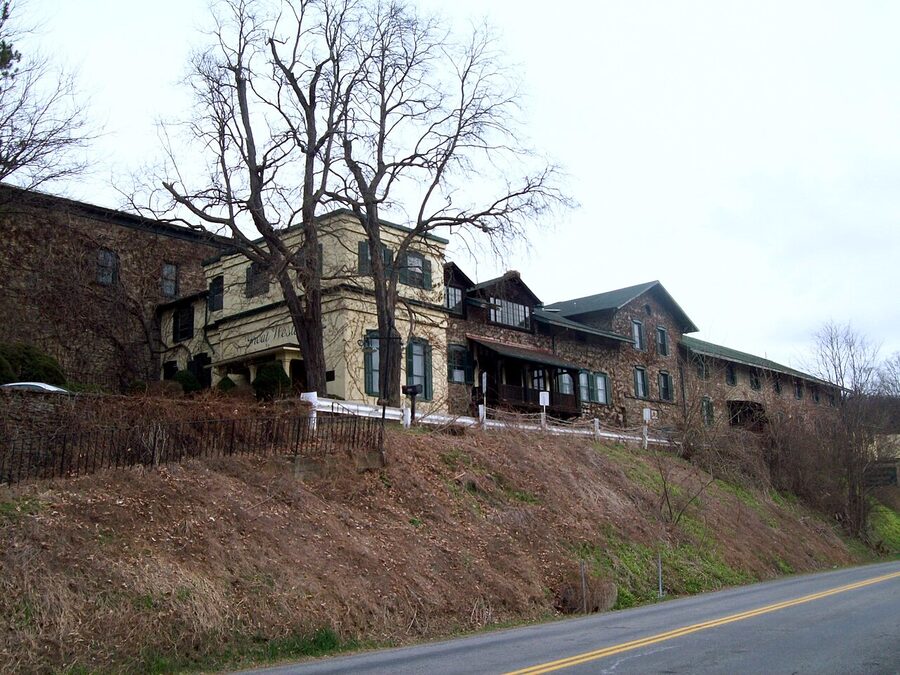
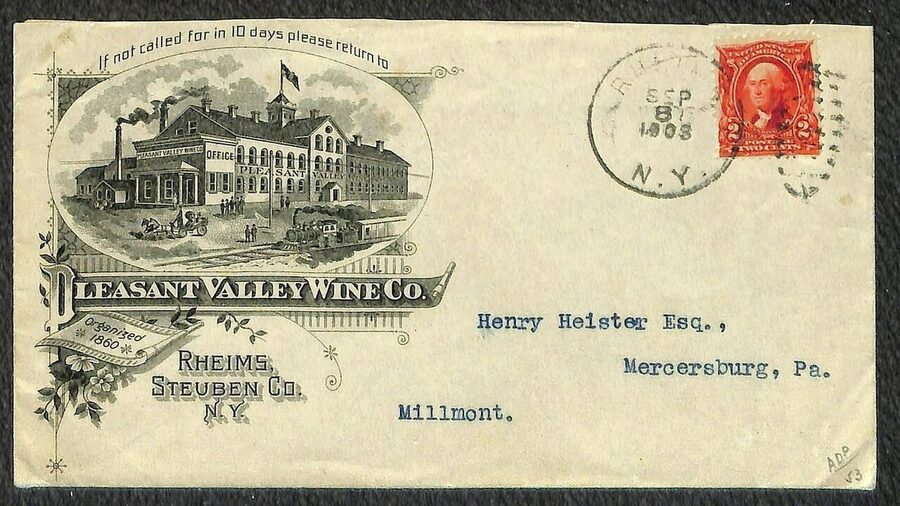
Before you taste anything, here are the two facts that explain why this small lake matters. In 1860, the federal government issued its first bonded winery permit to Pleasant Valley Wine Company in a tiny hamlet called Rheims, two miles west of Hammondsport. “Bonded” means the winery had a federal license to produce wine and pay excise tax on it. Pleasant Valley was U.S. Bonded Winery No. 1. The license still hangs on the wall there. The building is essentially unchanged: stone walls, a hillside cut into the back, the original riddling racks for sparkling wine.
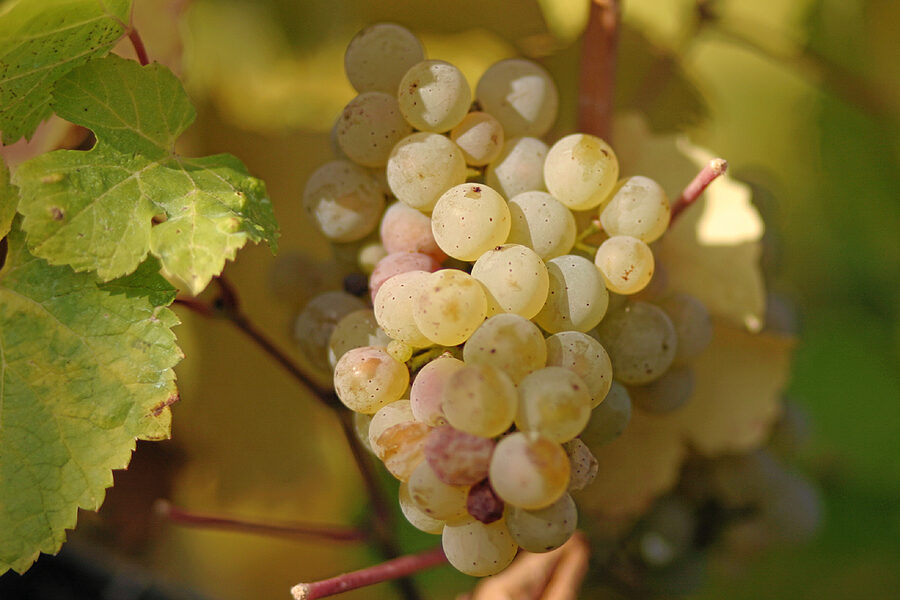
For the first hundred years after Pleasant Valley got its license, the entire American wine industry made wine from native American grapes (mostly Concord, Catawba, Niagara, and Delaware) and from French-American hybrids. These grapes survive cold winters fine. They also taste, to put it kindly, distinctive: foxy, jammy, with a strong concord-juice character. Vinifera grapes, the European species responsible for every wine you’ve ever heard of, would not survive a Finger Lakes winter. Cornell’s viticulture department spent decades saying so.
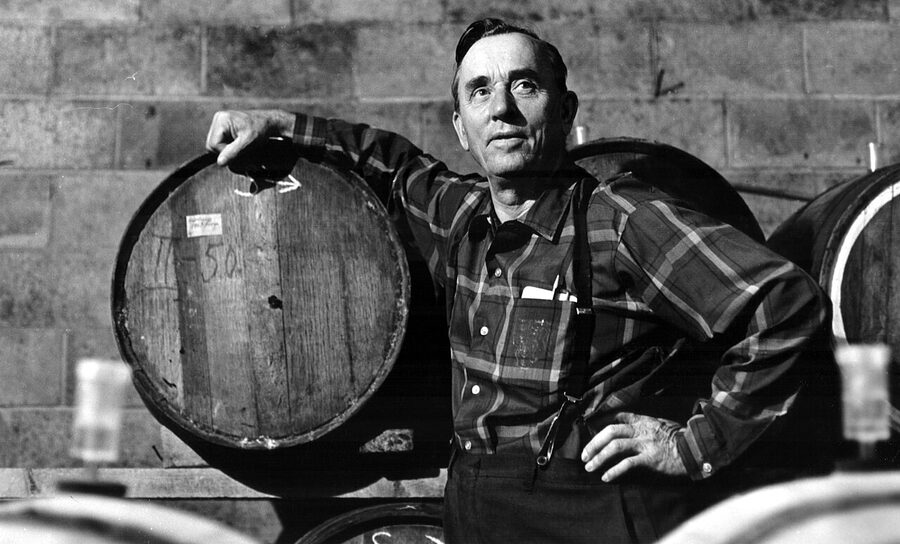
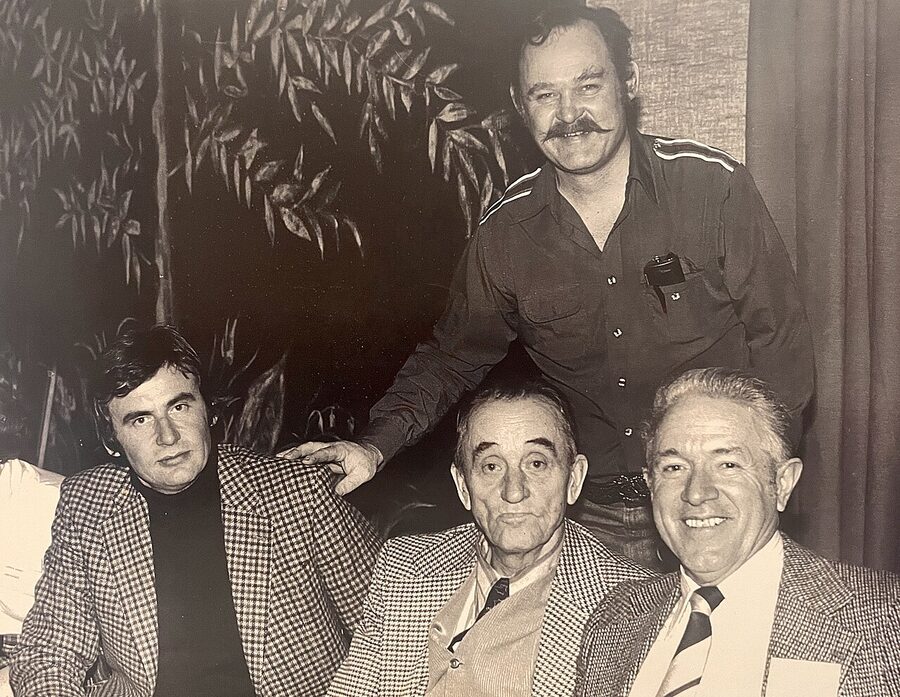
Konstantin Frank disagreed. He arrived in the United States in 1951 with a doctorate in viticulture from Odessa, no English, and a track record of growing vinifera in the Russian steppe, which is colder than upstate New York and has worse drainage. He spent three years washing dishes in New York City because nobody at Cornell would hire a Russian-speaking refugee to tell them they had been wrong for a hundred years. In 1953 a French winemaker named Charles Fournier, who had moved to Hammondsport to run Gold Seal Vineyards, hired Frank as a worker. Frank told Fournier the same thing he had told Cornell. Fournier, who knew vinifera from Champagne, said: prove it. Frank grafted vinifera scions onto the cold-hardy rootstock he had used in Russia. The vines lived through winter. In 1962 Frank bought his own land on the bluff above Keuka and started Vinifera Wine Cellars, which is now Dr. Konstantin Frank Wine Cellars.

Within a decade, Frank had proven that not just Riesling but Chardonnay, Gewürztraminer, Pinot Noir, and Cabernet Franc could survive in this climate. The whole modern Finger Lakes industry, the boom on Seneca and Cayuga that followed thirty years later, the entire NY State wine industry as it now exists, runs downhill from his work. The Frank family still runs the winery. His grandson Fred Frank ran it for years; his great-granddaughter Meaghan now does. They are not modest about the family’s role and they don’t have to be.

That’s the cradle. Now the wineries.
Hammondsport: the perfect walkable base
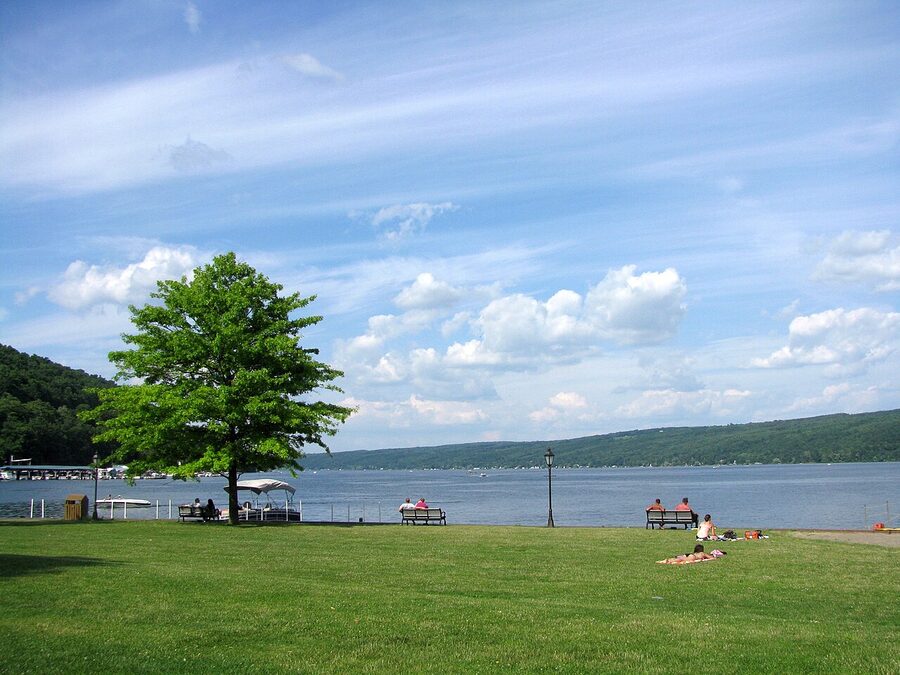

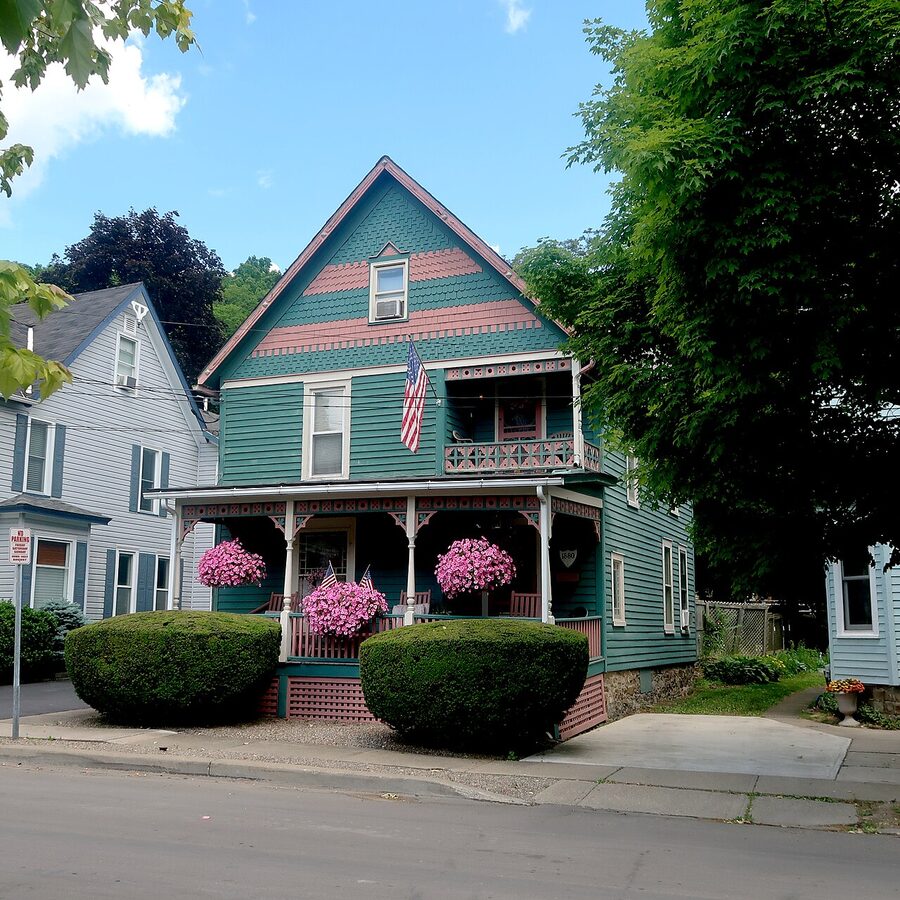
Population around 700. One main square. One brewery. Three or four restaurants worth eating at. A bandshell on the lakefront. The Curtiss Museum at the edge of town. That’s Hammondsport. Budget Travel magazine ran a “Coolest Small Town in America” contest in 2012; Hammondsport won. There are no posters about it in town anymore, which tells you most of what you need to know about how the village handles attention.
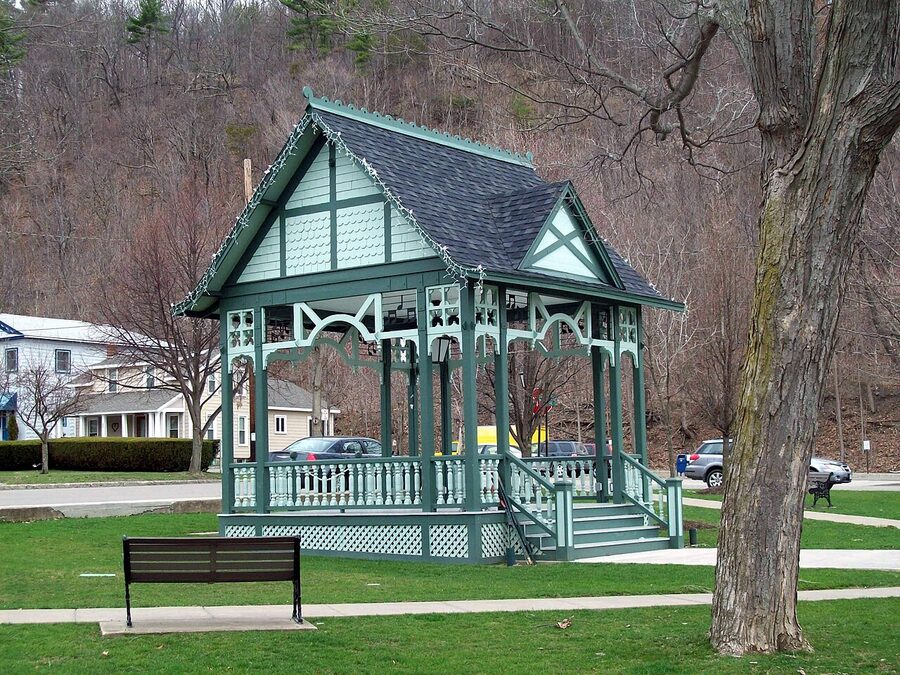
For wine purposes the village works because almost everything you want to do is within a five-minute drive. Pleasant Valley is two miles west. Dr. Konstantin Frank is six miles up the west arm. Heron Hill is a mile beyond that. Bully Hill, eight miles out. Hunt Country, fourteen. You can park your car at your inn in the morning, taxi or driver-service the whole day’s wineries, and walk into town for dinner. Almost no other Finger Lakes village gives you this geometry.
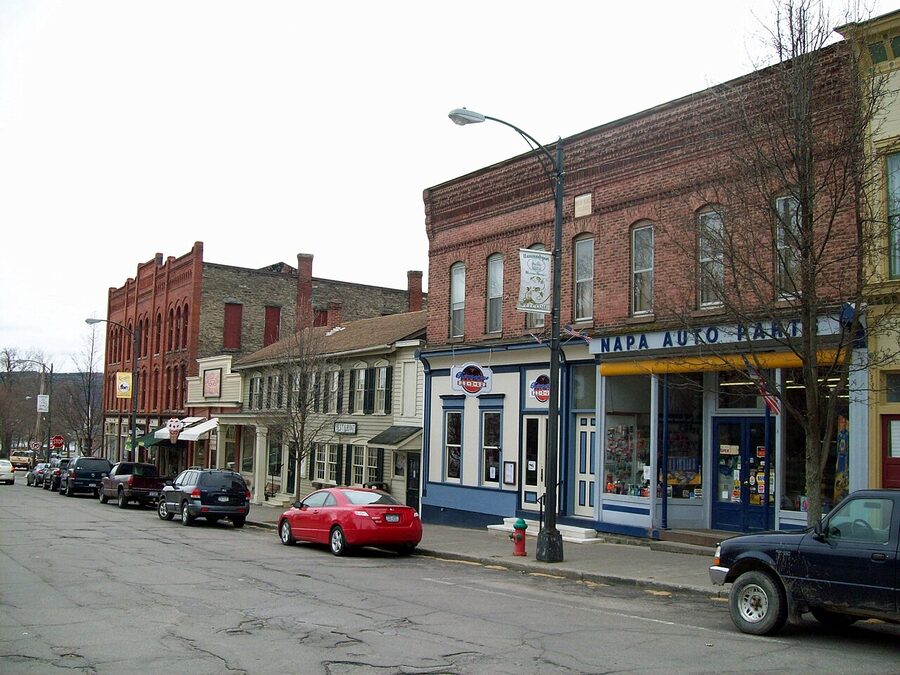
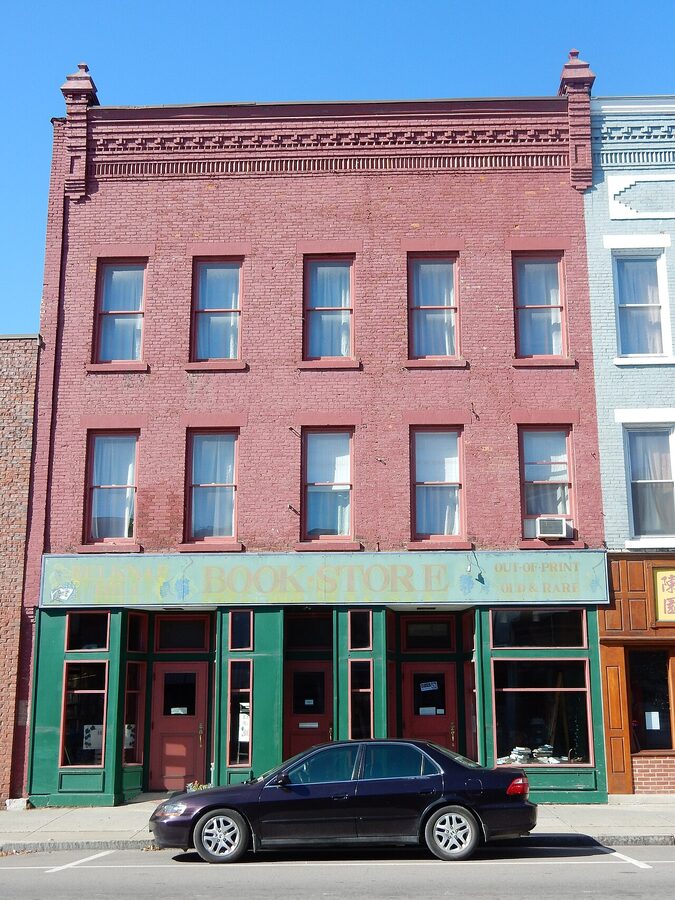
The square has a small bookstore, a couple of antique shops, an ice cream stand that’s open from May to October, and the Park Inn, an old hotel with rooms upstairs and a tap room downstairs. The Park Inn’s burger is the best in town. Their fries are better than they need to be. If you eat there one night during your stay, you’ll have done it right.
Penn Yan: the practical side of the lake
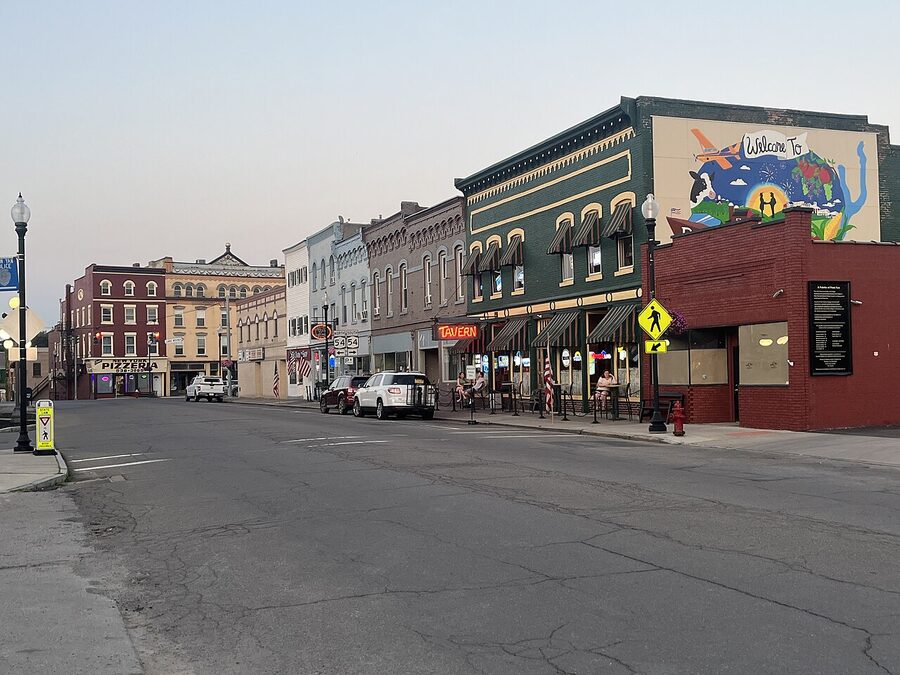

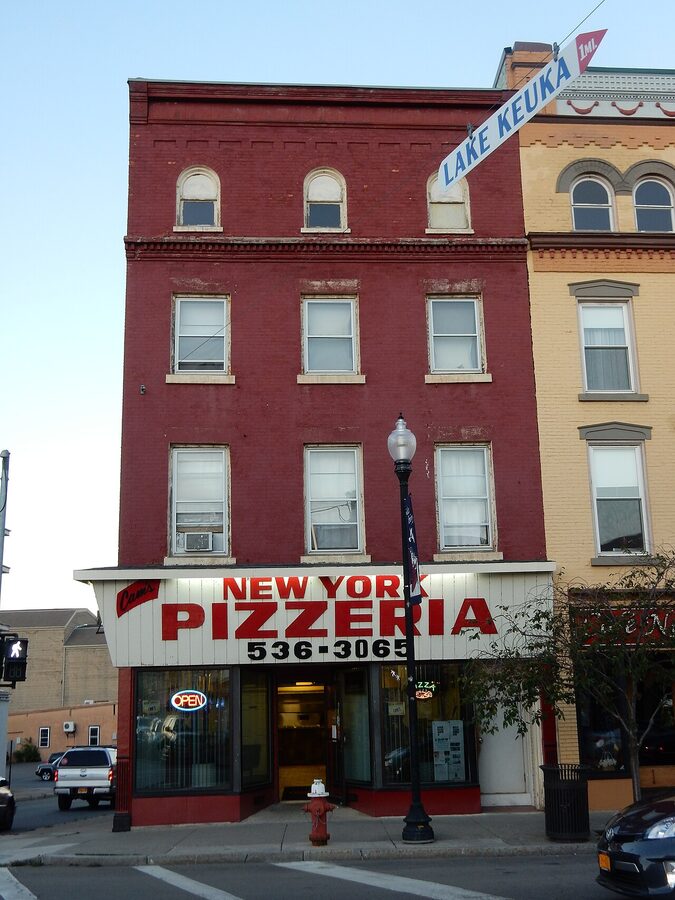
Penn Yan is bigger than Hammondsport, has a real supermarket (Tops on East Elm), and is the only chain hotel option around the lake (Hampton Inn). It’s the seat of Yates County. There is a working buckwheat mill on the edge of town that has been in continuous operation since 1797, Birkett Mills, the largest buckwheat producer in the world. They make the world’s largest buckwheat pancake annually as a stunt. None of this is wine, but if you’re staying two nights and you’ve already done the wineries, an hour in Penn Yan walking the historic district and the outlet trail is worth your time.

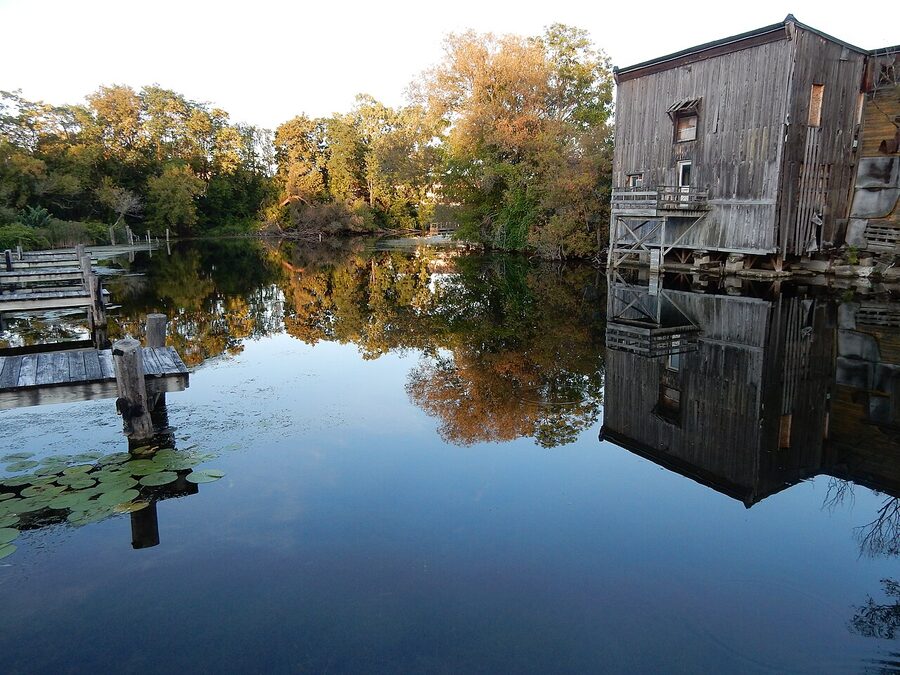
The Keuka Lake Outlet Trail starts at Water Street in Penn Yan and runs about seven miles east to Seneca Lake. It’s a converted rail-trail, paved for the first stretch, then crushed stone. The first mile passes a series of old mill ruins from when the outlet powered the local economy. Walk it before breakfast, walk it between tastings to clear your head, walk it instead of a third winery if your palate is done. The trail is also the literal place where Keuka flows into Seneca, which is a small geography moment that nobody points out and is worth seeing.

The thing Penn Yan does not have is wineries within walking distance. Vineyard View is about a mile out of town, Keuka Spring is three miles south, and after that you’re driving a proper distance to get anywhere. So if you stay in Penn Yan, you’re committing to driving (or hiring a driver) every tasting day. In Hammondsport you can do at least one or two stops on foot.

The wineries on the west arm: this is where you go
This is where the historically important wineries cluster, along the west arm of the lake on Route 76 (also called West Lake Road). Five stops on this list. If you’re doing a single tasting day, three of them is enough; four is the maximum I’d attempt without a driver.
Dr. Konstantin Frank Wine Cellars
The one I’d go to first. The view alone is worth the drive, you’re up on the bluff above the lake with the vineyard sloping down in front of you. The tasting room is unfussy. You can do the standard flight (six wines for around $20-25, fee waived with a bottle purchase) or you can ask for a Reserve flight, which gets you the Margrit Riesling, the Old Vines Pinot Noir, and one of the dry Rkatsiteli wines that Konstantin’s grandson Fred experimented with in the 2000s. The Rkatsiteli is a Georgian variety nobody else in the US grows seriously and it’s very good with cheese.
What to drink: the Dry Riesling. It is reliably one of the best Rieslings in the country at any price. After that, the Sémillon is interesting in a way Finger Lakes whites usually aren’t.

Heron Hill Winery
The architecture is the calling card here. The tasting room is built into the slope above the lake with a long curved roof and a terrace that Travel + Leisure once called one of the world’s most spectacular tasting rooms. The wine is good, not historic. They have a fine dry Riesling, a passable Pinot Noir, and a sparkling rosé that is better than the seasonal-tourist crowd around it suggests. Go for the view, pour the Riesling, walk the terrace.
If you’re hungry, they have a small kitchen open seasonally with cheese and charcuterie boards. The boards are fine. They are not a substitute for lunch at Timber Stone in town. Plan accordingly.
Hunt Country Vineyards
About a fifteen-minute drive past Heron Hill, on the other side of the Bluff in Branchport. The Hunt family has farmed this land for seven generations and they take environmental practice seriously: solar arrays, geothermal heat in the winery, mulch and compost on the vineyard. None of this would matter if the wine were bad. It isn’t. Their Vidal Blanc Ice Wine has won big international awards and is one of the few American ice wines genuinely worth the price (around $40 for a half bottle). Their Cabernet Franc is solid. They are family-friendly in a way most wineries aren’t, with a barn and farm animals; if you have kids, this is the stop.
Keuka Lake Vineyards
Smaller and quieter than the others, just south of the Bluff in Hammondsport itself. They focus on dry whites and have a tightly edited tasting list. The Vignoles is the standout, a hybrid grape that almost nowhere else does well, and they make a dry version that drinks like a lean German Kabinett. Worth a stop precisely because it isn’t on every itinerary.
Pleasant Valley Wine Company
Two miles west of Hammondsport in the hamlet of Rheims. This is the 1860 winery, the U.S. Bonded Winery No. 1. Walk through the original stone buildings, see the riddling racks, do the tasting at the long oak bar in the visitor centre. The wine is honest and not brilliant, they make solid Great Western sparkling wines under their original label, and a few still wines that range from fine to forgettable. You’re not coming here for cult-status bottles. You’re coming for the building, the history, and the tour. The tour is short, free, and run by people who take the heritage seriously. Block 30 minutes for it.
The wineries on the east arm and around Penn Yan
This side has the newer producers, the more design-forward tasting rooms, and the smaller family operations. The current Keuka Lake Wine Trail association, the formal one with the shared passport, has six member wineries and four of them are over here. If you only have a half-day, this is the side to do; the wineries are tightly clustered and you can hit four in five hours without rushing.
Keuka Spring Vineyards
About three miles south of Penn Yan on East Bluff Drive. Award-winning small operation, run by Len and Judy Wiltberger since 1981. They make a dry Riesling that competes hard with Dr. Frank’s, a really clean Cabernet Franc, and a dessert wine called Vignoles Late Harvest that’s been winning awards quietly for years. The tasting room sits above the lake with a wraparound porch. A good first stop on a Penn Yan-side day.
Vineyard View Winery
A fifth-generation grape farm in Keuka Park. They were a grape grower for a long time before they became a winery (the Wiles family was selling fruit to other producers since the 1880s). The wines are pleasant and the porch view is the real draw. If you’re driving Route 54A from Penn Yan to Hammondsport, stop here for the view and a glass of their Catawba, yes, Catawba, the old native grape, and theirs is the best version of it I’ve had. Sweet, not subtle, and exactly what it’s meant to be.
Weis Vineyards
German winemaker Hans Peter Weis bought a vineyard on the east arm in 2010 and started making single-vineyard Rieslings the way he learned in the Mosel: tight, mineral, low-alcohol, long-aging. His Reserve Dry Riesling is consistently one of the three or four best dry Rieslings in the Finger Lakes. The tasting room is small and quiet. Limited hours in winter; check before you go. Worth a stop even if you have to drive past more famous places to get to it.
Domaine LeSeurre Winery
Right next door to Weis. French couple Céline and Sébastien LeSeurre, both winemakers, sixth-generation vintners in Sébastien’s family. They make Burgundian-style Chardonnays that are unlike anything else on the lake (lees-stirred, lightly oaked, restrained), and a Pinot Noir that has more length than you expect from this region. Their tasting room has a working winemaking floor visible through a window from the tasting bar. If you’ve done four New World tasting rooms in a row, this one is the corrective.
Agricolae Estate Winery by Ravines
Ravines is technically a Seneca Lake winery but they bought the historic McGregor estate on Keuka in 2022 and renamed it Agricolae. The tasting room sits on a high point on the east arm with what may be the single best view in the region. The wines are mostly Ravines’ Riesling and Cabernet Franc; they are very, very good. Add this to a Keuka itinerary now while it’s still relatively quiet.
The Bully Hill story (and why I’d skip the wine)
The third historic winery on the lake is Bully Hill Vineyards, on the west arm above Hammondsport. It’s a personality place, not a wine place. You should know the story; you don’t necessarily need to drink the wine.
Walter Taylor was the grandson of Walter Sr., who founded the Taylor Wine Company on Keuka in 1880. By the 1970s the family had sold the Taylor name to Coca-Cola. Walter Jr., the grandson, started his own winery on the family’s old land using French-American hybrid grapes (he hated vinifera and called Konstantin Frank a fraud, which was wrong but very Walter Taylor). Coca-Cola sued him over the use of the Taylor name. He lost. He spent the next twenty years putting “They Have My Name and My Heritage But They Cannot Have My Soul” on every bottle, drawing his own labels by hand, and turning the winery into a kind of ongoing protest art project against industrial agriculture. He went blind in his fifties and kept painting labels by feel.
Liking the wine is almost beside the point. Most of it is sweet hybrid blends in the old upstate style: Niagara, Vidal, fox-grape character. They have a “Love My Goat Red” and a “Sweet Walter Red” and a list of label puns that is funnier than it has any right to be. The on-site Walter S. Taylor Memorial Wine Museum is genuinely good, old presses, his hand-painted labels, his story told by people who knew him. Free admission, hour-long visit.
So: stop at Bully Hill for the museum and the view (it sits high up the west arm, terrace dining with a panoramic outlook), buy a “Love My Goat” if you want a souvenir bottle, and pour your own Konstantin Frank Riesling that night.
Two itineraries that actually make sense
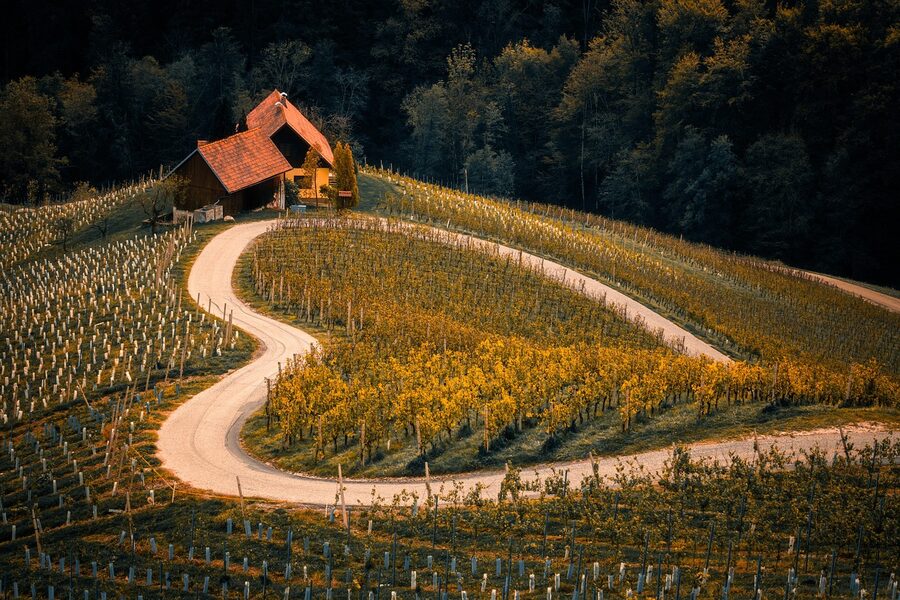
.jpg)
One day, west arm focus (the historic loop)
If you have one day and you want to see what Keuka is famous for, do this:
- 10:00, Pleasant Valley. Park, take the 30-minute self-guided tour, do a small tasting. Costs around $10 with the tour included.
- 11:30, Dr. Konstantin Frank. Standard tasting flight, then a half-pour of the Old Vines Pinot at the end if they’ll do it. Buy a bottle of the Dry Riesling.
- 1:00, Lunch in Hammondsport. Drive 12 minutes back to the village. Timber Stone Grill or the Park Inn for a burger.
- 2:30, Heron Hill. Tasting on the terrace if the weather’s good. About 45 minutes.
- 4:00, Hunt Country. Drive ten more minutes north. Try the ice wine. Buy a half-bottle.
- 6:00, Bully Hill museum. Skip the tasting, do the museum. Stay for sunset on the terrace.
- 7:30, Dinner. Back to Hammondsport. Eat outside if the bandshell has a concert.
Five wineries in a day is the maximum sane number. Hire a driver if you do this.
Two days, both arms (the proper visit)
Day 1, west arm. The single-day plan above, pared down to four wineries instead of five. Drop Hunt Country if the weather is bad (the drive is more rural and less fun in rain) or drop Heron Hill if the day is hot (their terrace gets baking).
Day 2 morning, east arm. Drive up Route 54A from Hammondsport to Keuka Park. Stop at Vineyard View for the porch and the Catawba. Continue to Weis Vineyards. Then Domaine LeSeurre, which is right next door. Then Agricolae for the view and a glass of Ravines Riesling. Lunch at Esperanza Mansion above Bluff Point if it’s a clear day; otherwise back to Penn Yan for a sandwich at Top of the Lake.
Day 2 afternoon. Outlet trail walk if your palate is done. Keuka Spring as a final stop. Glenn H. Curtiss Museum if you have any interest in the history of American aviation, or even if you don’t.
Tour operators if you don’t want to drive
Drinking and driving in tasting country is not just illegal, it’s in poor taste. Several operators run private and small-group tours of the Keuka wineries. Below is what’s available, with honest notes.
| Operator | Type | Group size | Day length | From | What’s included |
|---|---|---|---|---|---|
| Crush Beer & Wine Tours, Crush on Keuka | Private SUV / small van | 2 to 12 | 5 to 6 hours | $135 per person, varies | Driver, tasting fees at 4 wineries, bottled water |
| Lakeside Trolley | Shared trolley group tour | up to 24 | ~6 hours | $95 per person | Driver, scheduled stops at 4 wineries, tastings extra |
| Experience Finger Lakes | Private custom day | 2 to 14 | flexible | $525 minimum (private) | Driver, custom itinerary, lunch can be added |
| Bianconi Tours | Mid-size bus, scheduled | up to 22 | 6 to 7 hours | $110 per person | Driver, lunch, tastings at 3 to 4 wineries |
| Magnolia Tours | Private SUV / van | 2 to 14 | 4 to 8 hours | $520 minimum (private) | Driver, tasting fees, water; lunch optional add-on |
The honest verdict: if you’re a couple, book a private SUV from Crush or Magnolia. The price-per-person looks higher than the trolley but you control the route, you can stop at non-trail wineries (which the trolley won’t), and you don’t lose 20 minutes at every stop waiting for stragglers. If you’re a group of six or more, the math reverses and the trolley wins.
You can also browse Finger Lakes tour inventory on GetYourGuide’s Finger Lakes wine tasting page, which mostly aggregates Seneca-side trips but occasionally lists Keuka day trips. The same goes for Viator’s Seneca Lake South tour, which is Seneca-focused but sometimes adds a Keuka leg on multi-day bookings.
The Glenn H. Curtiss Museum (yes, really)
Walk into Hammondsport from the wine trail and you’ll see signs for the Curtiss Museum at the south edge of town. Most wine visitors skip it. They shouldn’t.

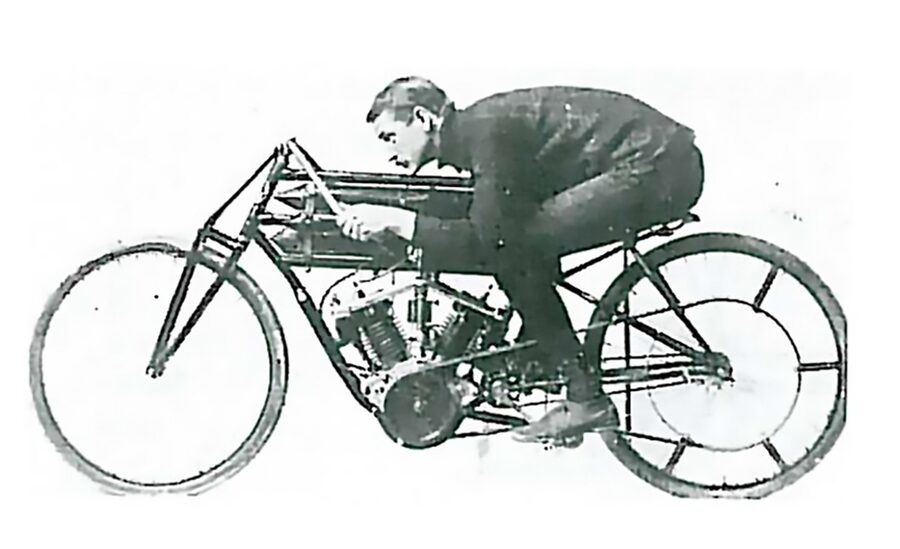
Glenn Hammond Curtiss was born in Hammondsport in 1878. Before he turned thirty he held the world land-speed record on a motorcycle of his own design (136.27 mph at Ormond Beach in 1907, on a motorcycle with a V-8 aircraft engine bolted to it). He went on to invent the seaplane, build the first airplane the US Navy ever ordered, and run Curtiss-Wright, which built more aircraft than any other American company in both World Wars. He did most of the early work on Keuka Lake because the lake’s flat surface was perfect for seaplane testing. He competed publicly for years with the Wright Brothers, who he eventually outsold by a factor of twenty.
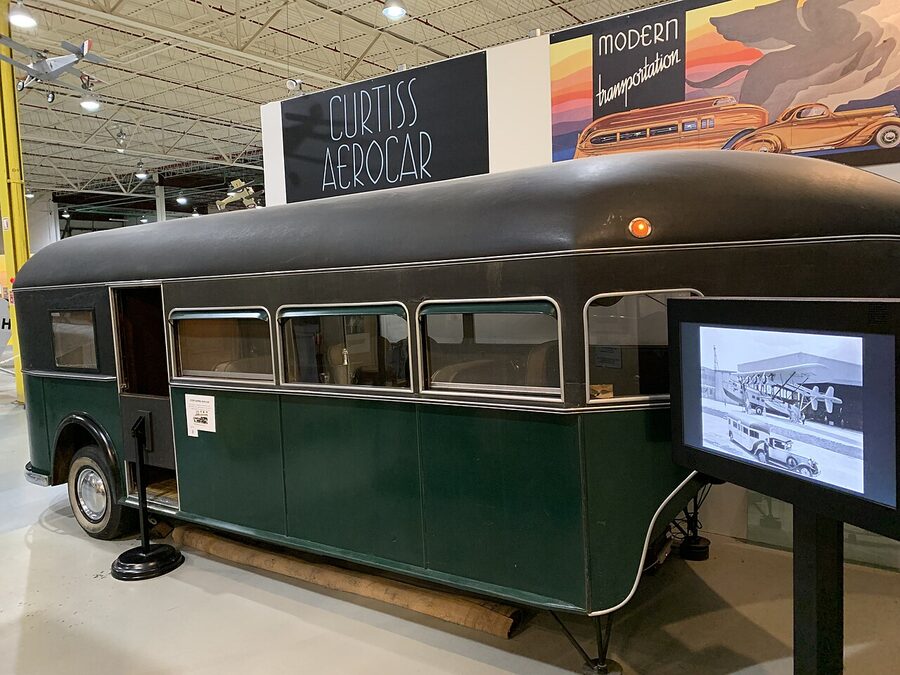
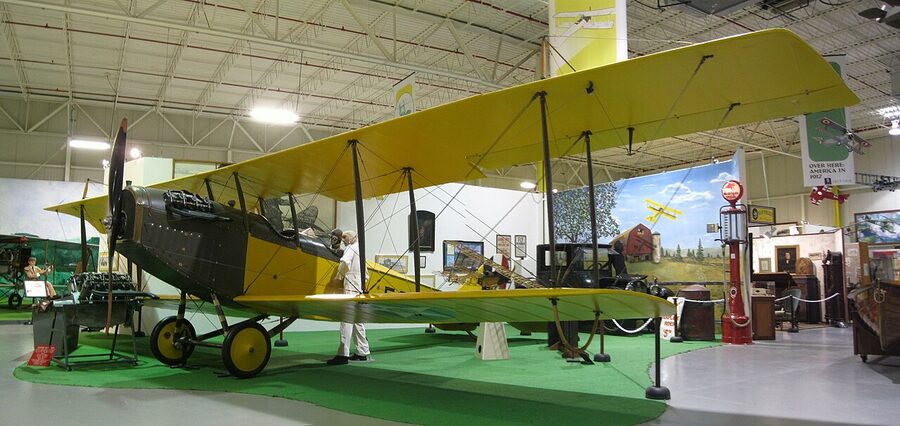
The museum is in a converted high school building on the south edge of town. It contains restored Curtiss seaplanes, racing motorcycles, the Aerocar trailer, several World War I and II aircraft, and a ground-floor restoration shop where you can watch volunteers rebuild a JN-4 Jenny biplane. Admission was around $14 last I checked. Plan ninety minutes. Pair it with lunch in town. It’s the second reason to visit Hammondsport, after the wine, and almost nobody includes it in their itinerary, which is their loss.

When to go
Late September through the third week of October is the right answer for almost everyone. The foliage is at peak, harvest is on, the wineries are open with full hours, the temperature is cool but you can still sit outside in a sweater, and the small towns are at their best. The trade-off is that this is also when everyone else comes, book accommodation at least six weeks ahead.
July and August are the busy summer months. Lake activity is at its peak, Keuka is a swimming and boating lake, with shallow water that warms up faster than Seneca or Cayuga. Hammondsport is full of weekenders and tasting rooms have lines on Saturdays. Good if you want a hot summer wine weekend with a swim built in; less good if you want to drink seriously and talk to winemakers.
May through mid-June is undervalued. The vines are just leafing out, no crowds, the wineries are hungry to talk, and the drive is beautiful in the way upstate spring is beautiful (slow, late, but worth it). The rooms are cheaper. The downside: a few of the smaller wineries operate reduced hours through May.
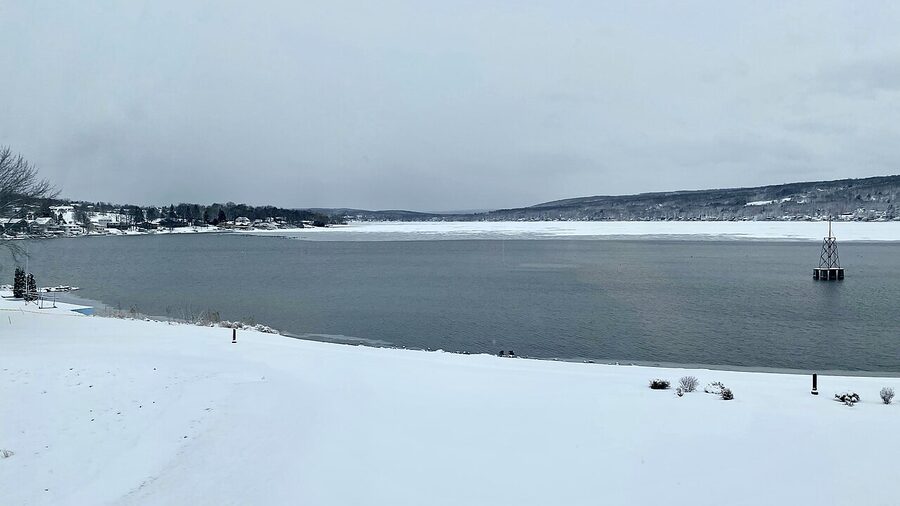
Winter (mid-November through April) is for the committed. Some wineries close entirely, others go to weekend-only hours. Roads can be tricky after snowfall. But Dr. Frank, Heron Hill, Pleasant Valley, Hunt Country, and the official KLWT trail wineries stay open year-round, and a Saturday in February with two feet of snow on the vineyards and the lake half-frozen is a strange and very Finger Lakes thing to experience. The KLWT runs a “Sips and Succulents” weekend in February and a “Wine and Cheese Lovers” weekend in March, both worth checking the dates for.

Where to stay
Hammondsport-side options first, since that’s where I’d base.
Vinehurst Inn, small motel-style place on the south edge of Hammondsport, walking distance to the village. Rooms are basic but clean, owners are friendly, prices around $130 to $190 a night depending on season. The honest budget option that doesn’t feel like a sacrifice. Check rates on Booking.com.
Black Sheep Inn and Spa, restored octagon house from 1859 about a mile out of Hammondsport. Five rooms, full breakfast, a spa, and a porch with a lake view. Around $300 to $400. The kind of place couples book for an anniversary. Check rates on Booking.com.
Best Western PLUS Hammondsport Hotel, chain reliability, on the edge of town, parking included. About $180 to $260 per night. Perfectly fine, no character, useful if you want a known quantity.
Park Inn Hotel, three rooms above the Park Inn pub on Pulteney Square. Walking distance to literally everything. Modest, charming, and you’ll hear the bar downstairs until last call. Around $150.
Penn Yan side:
Hampton Inn Penn Yan, predictable Hampton experience, lake-facing rooms have a real view, free breakfast. Around $200. Check rates on Booking.com.
Keuka Lakeside Inn, small inn on the lakefront in Penn Yan, walking distance to Main Street. Rooms with private decks over the water. Around $250 to $350.
1819 Red Brick Inn B&B, five-room B&B in a Federal-style brick house in nearby Dundee, about 20 minutes from Penn Yan. Full breakfast, well-run, around $200.
If you want a lake house instead of an inn, Finger Lakes Premier Properties manages a large portfolio of vacation rentals around Keuka with weekend and weekly rates. Worth searching if you’re four or more people.
Where to eat
The honest answer is that Keuka has fewer good restaurants than Seneca or Cayuga. There aren’t many. The ones that exist are good.
Timber Stone Grill, Hammondsport, Pulteney Square. Casual American with a few more ambitious dishes. The wood-fired pizza is reliably good. The whitefish is the local move when it’s on. Lunch and dinner.
Park Inn Pub, Hammondsport, Pulteney Square. The burger I mentioned. Pub food done well, draught local beer, a covered porch out the back.
Esperanza Mansion, perched above Bluff Point on the east arm. The fine-dining option, in an 1830s Greek Revival mansion. Sunday brunch on the terrace is the meal to book; weeknight dinners are more uneven. Steep but the view does most of the work for the price.
Top of the Lake, Penn Yan, on the water. Casual seafood and bar food, large outdoor patio, a good lunch stop if you’re doing the Penn Yan side.
Switzerland Inn (the Switz), east side of the lake on Route 54A. A locals’ place, casual food, sunset deck on the lake. Boatable from the water. The deck is the right place to be at sunset; the kitchen is fine but not the reason to come.
Amity Coffee Company, Penn Yan, Main Street. The morning move. Espresso, a pastry case worth lingering over, and people who care about coffee.
Seneca Farms, between Penn Yan and Branchport. Old-school drive-in, fried chicken, hand-dipped ice cream, kids running everywhere. Lunch stop on a wine day. Not a destination dinner.
Getting there
Keuka is the most physically inconvenient of the major Finger Lakes to get to, which is part of why it’s quieter than Seneca and Cayuga. There’s no train, the closest commercial airport is small, and you’re driving in either way.
From Rochester, it’s about a 75-minute drive south on I-390 to NY-415 to Hammondsport, or 60 minutes via NY-21 to Penn Yan. Rochester is the closest meaningful airport (ROC).
From Syracuse, about 90 minutes via I-90 west and NY-14 south to Penn Yan. SYR is the second-closest airport.
From Buffalo, about two hours.
From New York City, plan four-and-a-half to five hours by car via I-80 and I-86. Or fly into Rochester and rent a car. There is no realistic transit option from NYC to Keuka without driving the last leg.
Combining with Seneca or Cayuga: Keuka is 30 minutes from Watkins Glen on the south end of Seneca. A common four-day plan is two nights in Hammondsport (Keuka), then move to Watkins Glen for two nights to do Seneca. The drive between them is short and pretty. If you can only do one Finger Lake, do Seneca for the wine quantity, do Keuka for the wine history.
What I’d skip and what I’d do twice
Skip: the lake-cruise tasting boats. Keuka has a small wine-cruise operation that runs from Hammondsport in summer. It’s fine. The wine is mediocre because they have to use what travels well in plastic, the boat is slow, and you’re paying $90 per person for a service you can replicate by buying two bottles at any winery and taking them to Depot Park. If you want a boat ride, just rent one for an hour at Keuka Watersports and skip the wine angle.
Skip, gently: the Bully Hill tasting (the museum is free and worth it, the wine isn’t worth the time you’d spend at the bar, the line is always long because the personality stuff draws crowds, and you’ll spend forty minutes for sweet hybrid blends you could get at any other winery in less time).
Do twice: Dr. Konstantin Frank. Once on the way up the lake, once on the way back down to buy a case. Their Dry Riesling at $20 a bottle is one of the best wine values in the eastern US. I keep three or four around at home at all times.
Do twice: the Curtiss Museum. The first visit you go through quickly because you’ve underestimated it. The second visit, if you have an hour to kill before dinner, you walk back in and read the panels properly.
And once is enough but make sure you do it once: stand on the bluff above Dr. Frank’s vineyard, look down at the lake, and remember that Konstantin Frank started planting on this exact slope in 1962 because everybody told him it wouldn’t work. The Riesling you’re about to taste is the proof.
If you want the bigger picture across the region, my complete Finger Lakes wine tours guide covers all four wine trails in one go. For the lake immediately east, see the Seneca Lake Wine Trail itinerary; for the gentler alternative, the Cayuga Wine Trail guide; and for the easy half-day option from Rochester, the Canandaigua Wine Trail piece. Or start from the homepage if you want to see the whole NY wine country picture before picking a region.
 Travel TipsFall Foliage in the Finger Lakes: When and WhereIf you have driven south on Route 414 in the second-to-last week of October, you already know what this article…
 Wine RegionsSheldrake Point: Cayuga Lake’s Lakefront Tasting RoomThe first time I drove down County Road 153 to Sheldrake Point, I missed the turn. You come around a…
 Travel TipsThings to Do in Canandaigua, NY: A Wine-Country TownYou drove down from Rochester for the gardens. That was the plan. Sonnenberg in the morning, lunch somewhere on Main…