
Stand at the south end of Watkins Glen at 9am and look north up the lake. The water runs 36 miles toward Geneva. The road on your left, NY-14, runs the west shore through Penn Yan and Dundee. The road on your right, NY-414, runs the east shore through Hector and Lodi. You have one day. You can do one side, properly, with three or four real tastings and a long lunch. Or you can try to do both, and you will spend most of the afternoon in the car.
So pick a side. That’s the whole game on Seneca Lake.
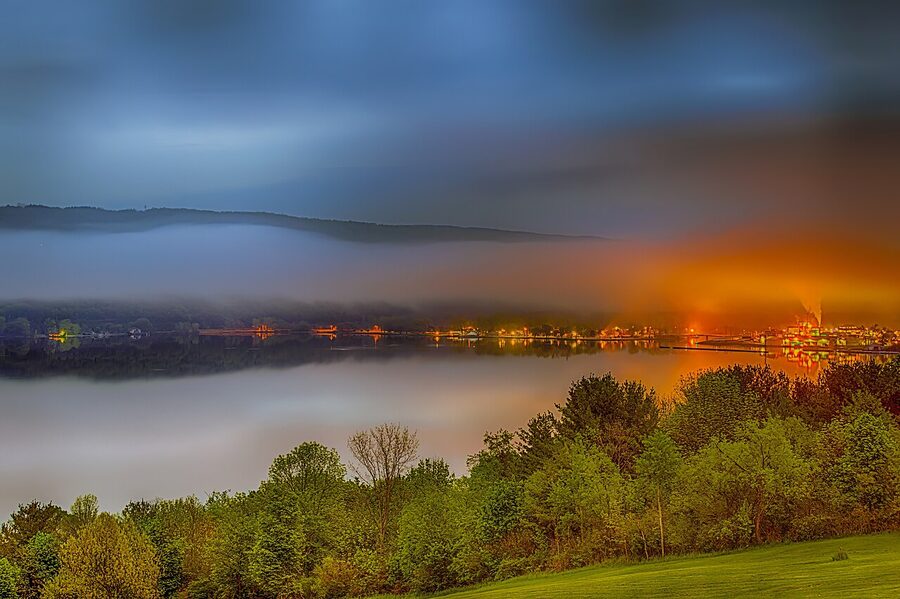

I’ve done both, repeatedly, for years. I grew up in upstate New York, lived in the city for a while, and the Finger Lakes have been the standing weekend trip the whole time. The two sides are not interchangeable. They make different wine because the geography and the lake’s thermal weirdness give them different microclimates. And they suit different kinds of trips. The east side is where most people go because it has the most wineries on the cleanest stretch of road. The west side is where I send friends who care about the wine.
This is the comparison nobody bothers to write because it requires actually deciding things. You’ll get one here.
In This Article
- The Quick Verdict
- Why the Two Sides Aren’t the Same Wine Region
- The Map: How the Two Routes Actually Work
- Side-by-Side: The Comparison Table
- The West Side Wineries Worth Your Time
- Lakewood Vineyards (4024 NY-14, Watkins Glen)
- Glenora Wine Cellars (5435 NY-14, Dundee)
- Hermann J. Wiemer Vineyard (3962 NY-14, Dundee)
- Anthony Road Wine Company (1020 Anthony Rd, Penn Yan)
- Fox Run Vineyards (670 NY-14, Penn Yan)
- The East Side Wineries Worth Your Time
- Forge Cellars (3775 Mathews Rd, Burdett)
- Damiani Wine Cellars (4704 NY-414, Burdett)
- Standing Stone Vineyards (9934 NY-414, Hector)
- Hector Wine Company (5610 NY-414, Hector)
- Lamoreaux Landing Wine Cellars (9224 NY-414, Lodi)
- Wagner Vineyards (9322 NY-414, Lodi)
- Boundary Breaks (1568 Porter Covert Rd, Lodi)
- Wineries with Real Food on Each Side
- When to Do Each Side
- How to Actually Do It Without Driving
- Booking-Cost Comparison
- Where to Sleep
- What to Skip
- The Two-Day Itinerary If You Want Both
- One Last Thing
The Quick Verdict
If you only read this far: the west side has the higher concentration of serious-wine wineries. Hermann J. Wiemer, Anthony Road, Fox Run, Lakewood. Smaller list, harder hits. The east side has more wineries, more food on site, more lake views from the tasting rooms (the road sits higher above the water on the east shore), and the famous Riesling pioneers, Boundary Breaks and Forge Cellars and Lamoreaux Landing. Bigger list, more variation in quality.
For one day, do the west side if you actually came to taste wine and want to talk to winemakers. Do the east side if you came for the lake, the views, and lunch on a deck. For two days, do west on Saturday when the east-side tasting rooms are at their busiest, then east on Sunday when the small west-side rooms are too sleepy.

Why the Two Sides Aren’t the Same Wine Region
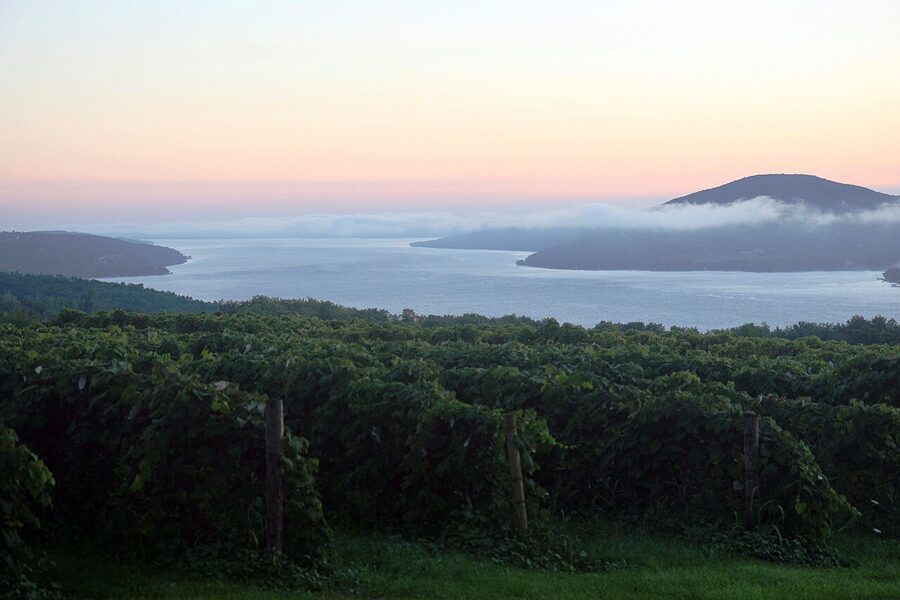
Seneca is the deepest of the Finger Lakes, more than 600 feet at the deep spot, and the deepest body of fresh water inside the contiguous US east of the Mississippi. That depth holds heat. In the autumn, the lake gives up warmth slowly enough to push the first frost three or four weeks later than the surrounding hills. In the spring, the water stays cold and slows the bud break, which protects the vines from late frost damage.
That’s the lake-effect everyone talks about. What people don’t tell you is that the effect is asymmetric. The west shore runs roughly north-south on a higher bench above the water and faces east into the morning sun. The east shore sits on a slightly steeper slope facing west, and gets the long late-afternoon sun until the lake glow finally gives out. The east-side vineyards ripen a touch earlier, especially in the warmer mid-lake stretch around Hector and Burdett. The west-side vineyards ripen slower, with more acid retention, which is exactly what you want for a serious dry Riesling.

Practically, this means:
- The west side is the Riesling side. Tighter, leaner, longer finishes, more acidity. Wiemer is the proof of concept.
- The east side does Riesling fine, but it’s also where most of the serious red work is happening. Cabernet Franc, Pinot Noir, the occasional Lemberger that actually works. Forge Cellars (south-east shore) makes a Pinot that doesn’t apologise for being from New York.
- Gewürztraminer is split. Standing Stone (east) and Anthony Road (west) both make excellent ones in totally different styles.
If you want the full pillar context first, my Finger Lakes Wine Tours guide walks through how Seneca fits with Cayuga, Keuka, and Canandaigua. If you want the full lake itinerary that doesn’t take sides, the Seneca Lake Wine Trail piece covers a whole-lake loop.
The Map: How the Two Routes Actually Work
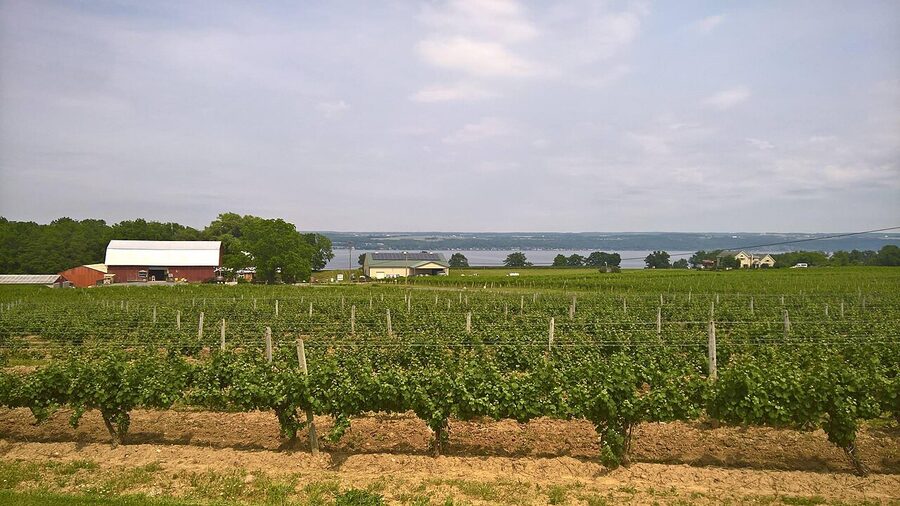

The lake is a long thin sliver running north-south. Two routes around it:
West route, NY State Route 14. Starts in Geneva at the top. Heads south through Penn Yan (slight detour west off the lake), then back to Dundee, Glenora, Watkins Glen at the bottom. Roughly 36 miles end to end. The wineries cluster in two pockets: a northern cluster around Penn Yan (Anthony Road, Fox Run, Red Tail Ridge) and a southern cluster around Dundee (Hermann J. Wiemer, Glenora, Fulkerson, Lakewood).
East route, NY State Route 414. Starts in Geneva but you have to drive a few miles east on Routes 5/20 to pick it up. Heads south through Lodi, Hector, Burdett, then back to Watkins Glen at the bottom. Same 36 miles, but the wineries are spread more evenly along the whole route. NY-414 is also where the road and the water are closest, so the lake is in your peripheral vision for most of the drive. People who say east-side vistas are better are right, and it’s not even close.
The two roads do not connect along the lake. Once you commit to one shore, getting to the other requires either driving up to Geneva at the top (about 30 minutes from Watkins Glen one way) or down to Watkins Glen at the bottom and back up the other side. So the side you pick in the morning is the side you drink on all day.
Side-by-Side: The Comparison Table
This is what nobody else publishes. Real numbers, real differences:
| West Side (NY-14) | East Side (NY-414) | |
|---|---|---|
| Road | Sits further from the lake; views in glimpses | Sits closer to the water; lake visible most of the drive |
| Towns en route | Geneva → Penn Yan → Dundee → Watkins Glen | Geneva (eastside) → Lodi → Hector → Burdett → Watkins Glen |
| Total wineries | About 12 on or just off the road | About 18 on or just off the road |
| Climate edge | Cooler. Slower ripening. More acid retention | Slightly warmer. Earlier harvest. More red potential |
| Wine focus | Dry Riesling above all. Some Chardonnay, Lemberger | Riesling + Cabernet Franc + Pinot Noir + Gewürztraminer |
| Anchor wineries | Wiemer, Anthony Road, Fox Run, Lakewood | Boundary Breaks, Forge Cellars, Lamoreaux Landing, Wagner |
| Tasting room style | Smaller, more intimate, more time with winemaker | Bigger rooms, more groups, more bachelorette parties |
| Food on site | Fox Run cafe, Glenora’s Veraisons restaurant, FLX Wienery | Wagner’s Ginny Lee Cafe, Red Newt Bistro, Stonecat, Two Goats |
| Lakefront tastings | Glenora and Lakewood | Lamoreaux Landing, Atwater, Boundary Breaks, Forge |
| Best for first-timers | If you want to learn about wine | If you want a day on the lake |
| Best for return visitors | If you want to dig into Riesling | If you want to chase down red wines |
| Saturday crowds | Manageable even in October | Pack-out at Wagner, Boundary Breaks, Forge |
| Drive time start to end | About 50 minutes | About 55 minutes |
The West Side Wineries Worth Your Time
This is not a list of every west-side winery. It’s the four I’d send a friend to, in the order I’d visit them on a one-day trip starting from Watkins Glen and heading north.
Lakewood Vineyards (4024 NY-14, Watkins Glen)
Start here because it’s the closest to Watkins Glen and the parking lot is sane. Lakewood is the family-run, three-generation farm that lets you taste 14 different wines at a relaxed bar. The room is unfancy. The Chardonnay is genuinely interesting (oak that doesn’t beat you over the head), and the Bubbly Candeo, a slightly sweet sparkling, is the bottle people grab on the way out. Skip the dessert flight unless that’s your thing.
Tip: get the dry flight, sit on the covered patio, look at the lake. The patio gets full by 1pm on a Saturday, so this is the place to be at opening (11am).
Glenora Wine Cellars (5435 NY-14, Dundee)
Five miles up from Lakewood. Glenora is one of the oldest wineries on Seneca, opened in 1977, and the lake-front location is one of the few places on the west side where the tasting room actually faces the water. The wines are reliable rather than thrilling. The Riesling is solid, the Brut is fun, the Meritage is a respectable red blend. What makes Glenora worth the stop is Veraisons, the on-site restaurant, which does a real lunch with farm-to-table actually meaning something. And if you’ve been overdoing it, the Glenora Inn is upstairs and you can call it a day.
Hermann J. Wiemer Vineyard (3962 NY-14, Dundee)
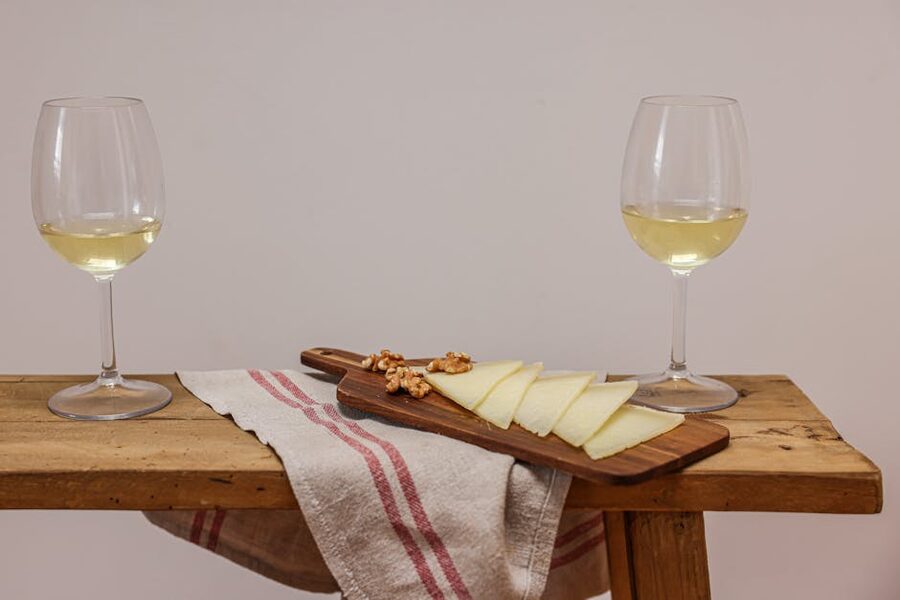
This is the one. Half a mile north of Glenora. Wiemer is the winery that proved Riesling could be a serious wine in New York, and it’s still the benchmark every other producer in the region measures itself against. Hermann came from the Mosel in Germany in the 1960s, planted vinifera vines when most local wineries were still working with hybrids, and built the case for cool-climate single-vineyard Riesling here. He retired in 2007. The vineyard is now run by Fred Merwarth and Oskar Bynke, who haven’t lost the thread.
The tasting room is in a converted 1880s barn. The pours are generous. The Magdalena Vineyard Riesling is the bottle every wine writer name-drops, and it deserves it. There’s a saline, mineral length to it that costs $36 here and would cost double anywhere else. The Reserve Dry Riesling at $29 is the realistic version. They also make a Cabernet Franc that’s worth tasting if you’ve been told NY can’t do red.
This is the one place I’d say book ahead. The room fills up fast on weekends.
Anthony Road Wine Company (1020 Anthony Rd, Penn Yan)
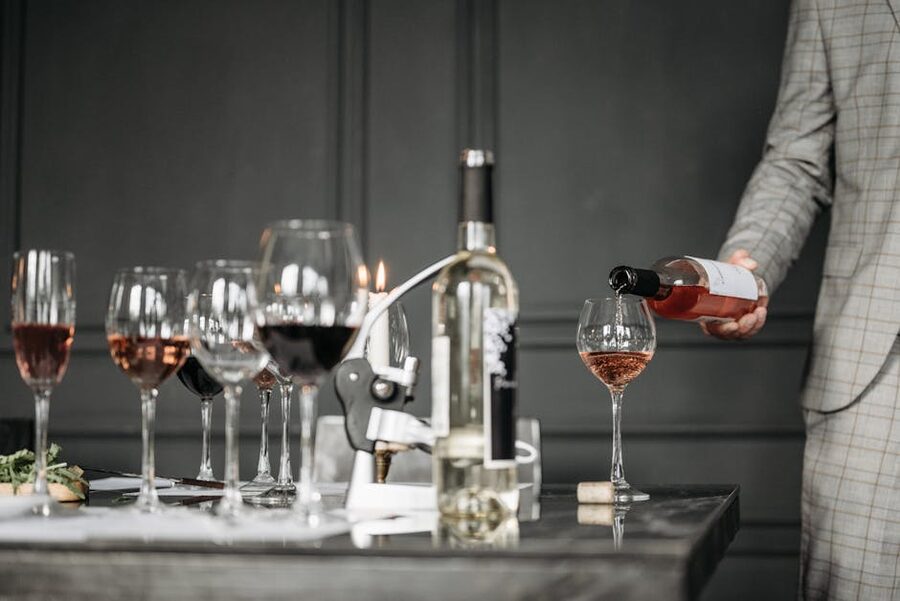
Twelve miles further north, slightly off the lake on Anthony Road. This is family-run, low-key, and the tasting experience is what every other winery wishes it could be. You walk in, sit at a table, they bring you a six-flight you choose yourself. The Rkatsiteli, yes the obscure Georgian grape, is one of the most interesting whites in the Finger Lakes if you want something off the script. The Riesling is clean and detailed. The skin-contact wine is divisive but that’s the point.
Anthony Road is the place I bring people who say they don’t drink dry whites. They leave with a bottle.
Fox Run Vineyards (670 NY-14, Penn Yan)
Two miles back over to NY-14, north end of the west route. Fox Run is owned by Scott Osborn, who’s been at this for thirty years and has been president of the Seneca Lake Wine Trail twice. The winery is solar-powered (their parking lot is partly made from crushed bottles, which is the kind of thing only a wine guy does), and the cafe attached to the tasting room serves real food. The Lemberger (Blaufränkisch) is the surprise here, a peppery, light red that pairs with whatever you’re eating. The dry Riesling is consistent. Tours run hourly for $5 and are worth doing if you want the actual viticulture conversation.
If you’re tasting on a budget or splitting the day with kids in the car, Fox Run’s cafe makes this the easy long-lunch stop on a west-side day.
The East Side Wineries Worth Your Time
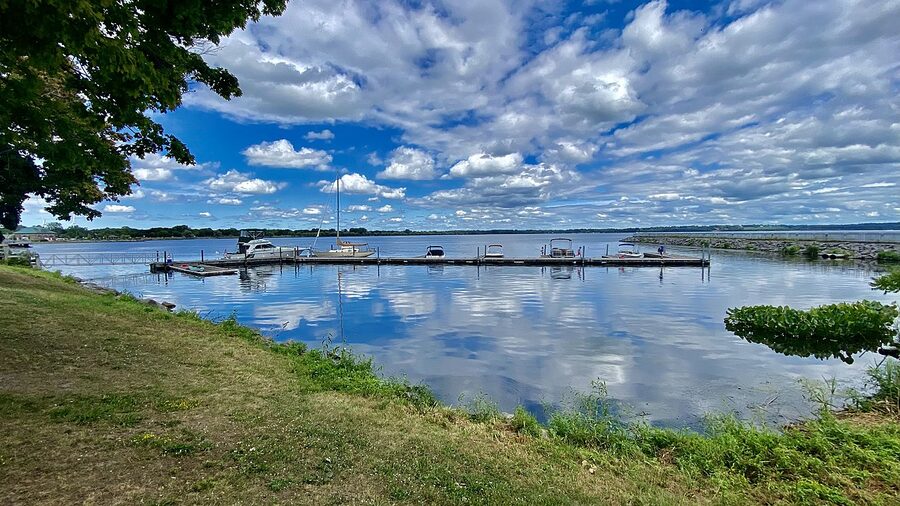

The east side has more options, so this list is more selective. Five anchors plus two specialty stops. South to north this time, because most east-side trips run that direction so you can finish at the south end where the food is.
Forge Cellars (3775 Mathews Rd, Burdett)
South-east shore, just up off NY-414. Forge is a partnership between Louis Barruol of Château de Saint Cosme in the Rhône and two Finger Lakes locals. They make bone-dry Riesling and Pinot Noir from a long list of single vineyards, and they age it like real wine. This is not a “fun” winery. It’s the closest the Finger Lakes get to a serious tasting experience in the European mode. The Summer House where they pour is small, the wines come out one at a time, the staff knows every vineyard by name and how it ripened that year.
Pinot Noir from the east side of Seneca isn’t supposed to work. Forge’s does. The Classique is the entry, the single-vineyard bottlings (Sawmill Creek, Caywood) are the real thing, and they’re priced fairly. Reservations strongly recommended.
Damiani Wine Cellars (4704 NY-414, Burdett)
A mile up the road from Forge. Damiani is the under-the-radar east-side red specialist. They make Cabernet Sauvignon and Cabernet Franc that you would not guess came from this latitude. The Meritage blend is the bottle to bring home. The room is unfancy and the staff don’t oversell. If you’ve been told east-side reds are a marketing fiction, taste here and decide for yourself.
Standing Stone Vineyards (9934 NY-414, Hector)
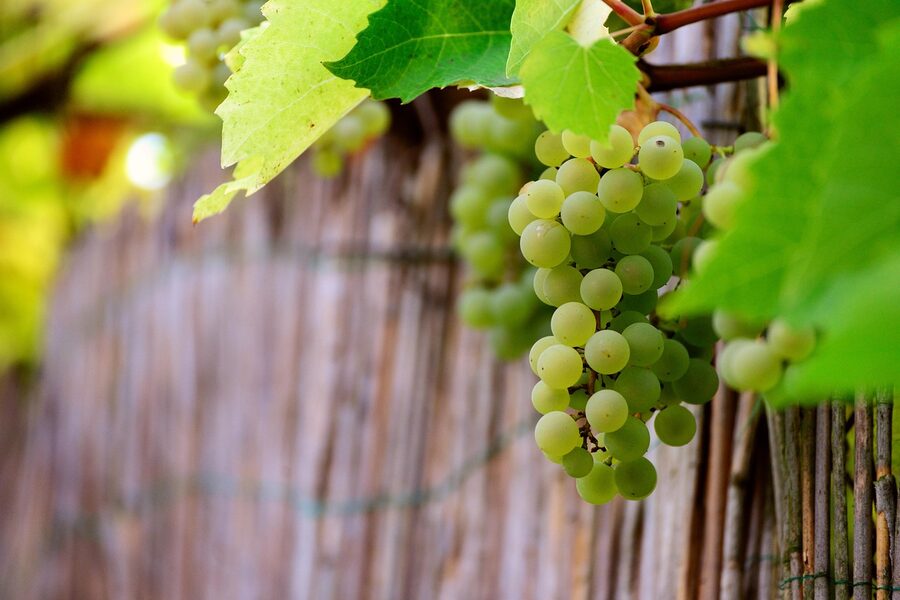
Standing Stone is a Hermann J. Wiemer property now (Wiemer bought it in 2017), and the quality has gone up sharply since. The Gewürztraminer is the headline. Drier than most, properly aromatic, the kind of bottle people who say they hate Gewürz come around on. The Vidal Ice Wine if you’re into dessert wines is one of the best in the region. The Riesling is dependable. Free outside seating if the rooms are mobbed.
Hector Wine Company (5610 NY-414, Hector)
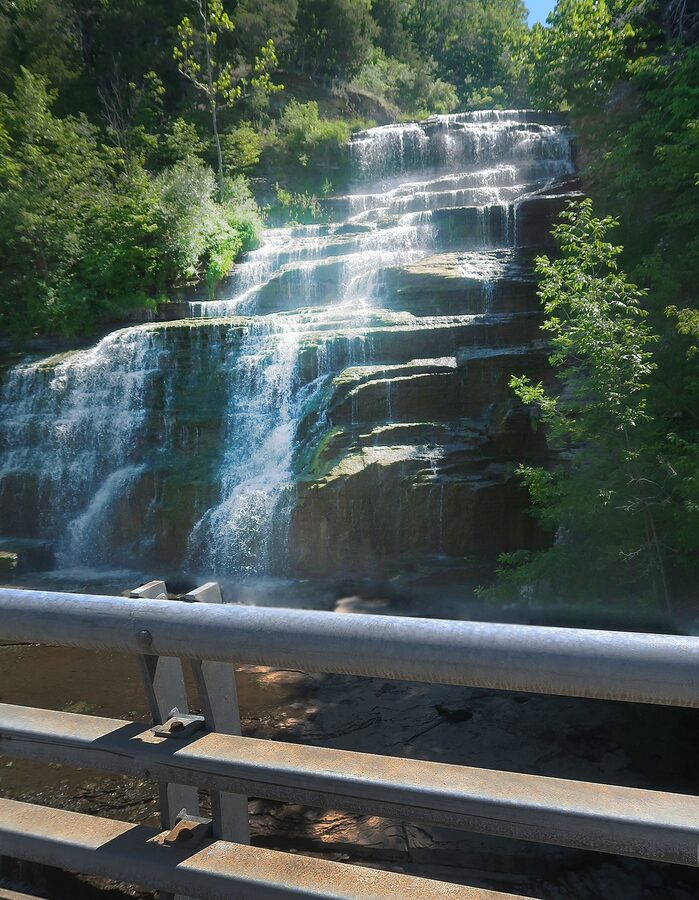

Five miles up from Standing Stone. Hector is the deck winery on the east side. The wines are good, especially the Cab Franc, but the reason to come is the wraparound porch over the lake. Order a glass, get a cheese board, sit there for an hour. The food is real. This is the place I’d go on day two of a trip when I needed to slow down. Don’t try to do a full tasting flight; order a bottle and stay for sunset if your itinerary allows.
Lamoreaux Landing Wine Cellars (9224 NY-414, Lodi)
Up at the top of the east-side cluster. The tasting room is the only piece of architecturally serious building on either side of Seneca, a stripped-down post-and-beam structure with floor-to-ceiling glass. They run a guided tasting where you pick the wines as you go and a vintner walks you through them. This is the easiest place on the east side to learn what the difference between three Rieslings from three different vineyards actually tastes like. The dry Gewürztraminer is excellent. The T23 unoaked Cabernet Franc is the bottle I bring back to friends in the city. About 90 different wines made here annually, many of which have racked up 90+ point Wine Spectator scores, but the staff don’t lead with that, which is half the reason I send people.
Wagner Vineyards (9322 NY-414, Lodi)
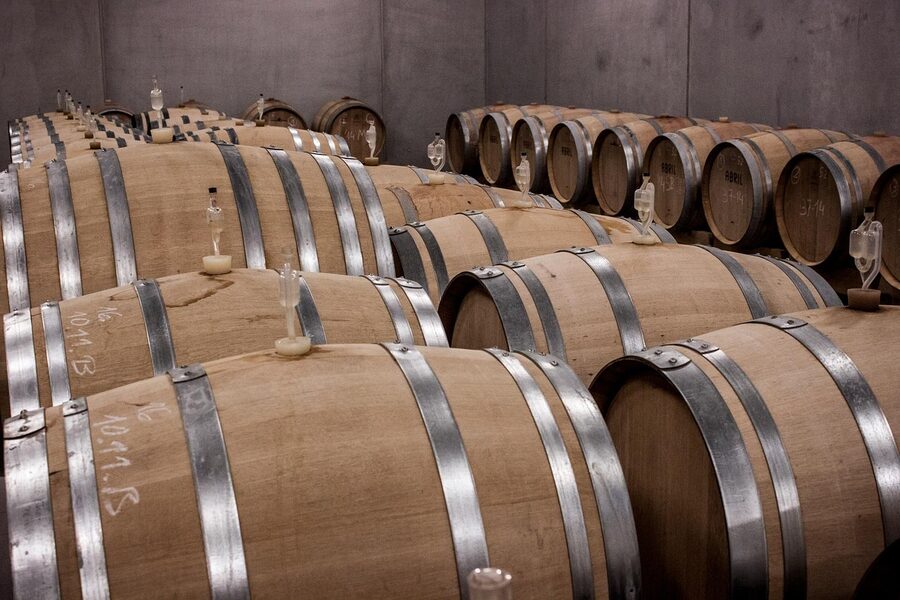
Across from Fox Run as the crow flies (Wagner east, Fox Run west, both in Lodi/Penn Yan). Wagner is a fifth-generation operation and one of the most-visited wineries in the region. They were instrumental in getting the New York Farm Winery Act passed in 1976. Every winery on this lake exists in the form it does because of that law. The tasting rooms are big, multiple choices, and there’s a brewery on site (Wagner Valley Brewing Co) for the people in your group who don’t drink wine. Their Cabernet Franc planting is the largest in the Finger Lakes.
The Ginny Lee Cafe at Wagner does proper lunch with wine pairings recommended on every dish. This is the long-lunch stop on the east-side day. Wisteria blooms in May if you happen to be here then; the entire pergola goes purple.
Boundary Breaks (1568 Porter Covert Rd, Lodi)
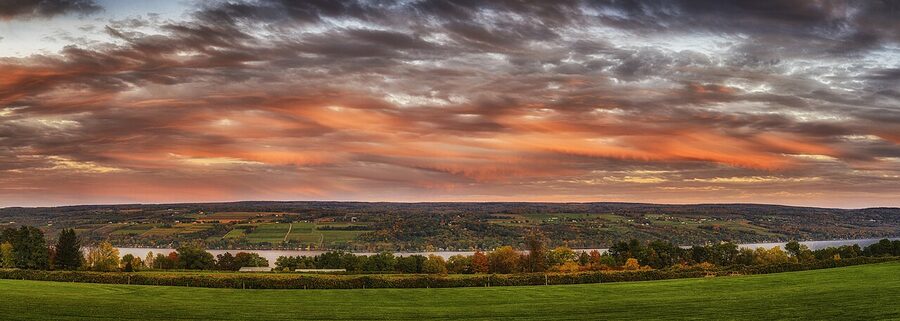

Slightly off NY-414, up a narrow road. Boundary Breaks is one of the two reasons people go to the east side specifically (Forge being the other). They specialise in single-vineyard, single-clone Rieslings, and they don’t apologise for the geek-factor. The Ovid Line North is the headline. The Cabernet Franc is also genuinely good.
The outdoor seating overlooks the vineyard rows running down to the lake. Adirondack chairs, a bottle, a couple of hours. This is the place I’d time for late afternoon if I were doing the east side on a Saturday in fall.
Wineries with Real Food on Each Side
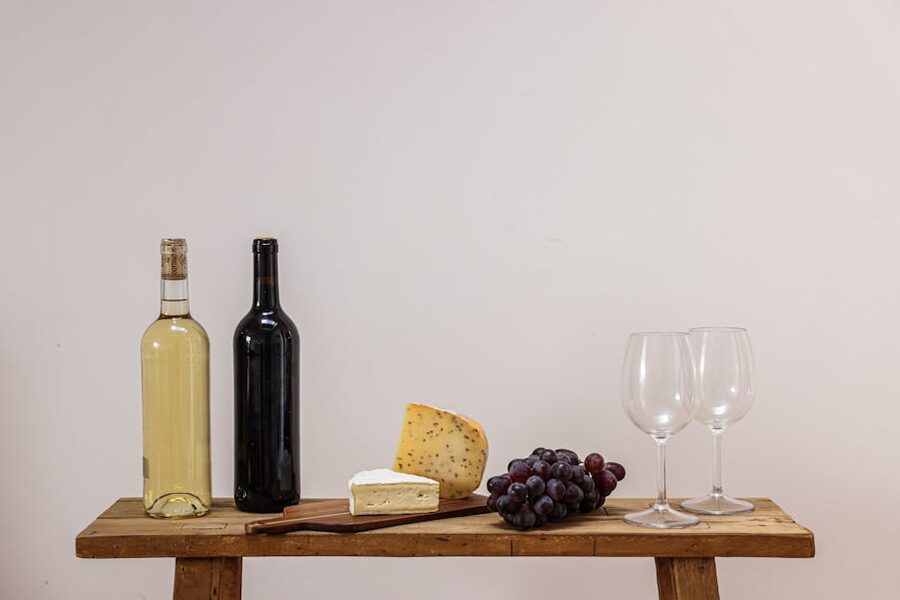
This is the question I get asked most often: where can I actually eat? Bringing snacks in your trunk is fine, but if you want a real lunch tied to the trip, here’s the short list.
West side, on-site or right next door:
- Fox Run Cafe. Sandwiches, soups, real local ingredients. Sit in the garden if the weather holds. (670 NY-14)
- Veraisons at Glenora. Sit-down lunch with a view of the lake from the dining room. The trout is the local move. (5435 NY-14)
- FLX Wienery. Five minutes south of Wiemer. Hot dogs and frozen custard but the chef won a James Beard nomination for them. Yes, really. (5090 NY-14, Dundee)
East side, on-site or right next door:
- Wagner’s Ginny Lee Cafe. Proper plated lunch, wine pairings noted. The Tequila Lime Chicken Wrap with the Wagner Chardonnay is the order. (9322 NY-414)
- Red Newt Bistro. At the Red Newt winery in Hector. Inventive, local, the chef has an actual bistro background. The salads with house dressings are not afterthought salads. (3675 Tichenor Rd)
- Stonecat Cafe. Five minutes south of Forge in Hector. Looks like nothing from the road, then you walk out the back deck and it’s the best lakeside outdoor dining in the region. New American with a Pacific Northwest sensibility. (5315 NY-414)
- Two Goats Brewing. Beer not wine, but if you’ve reached your wine limit by 4pm this is where you go. Great roast beef sandwiches, complimentary popcorn, deck over the lake. (5027 NY-414, Burdett)
For more meals further from the wineries, the whole-lake itinerary covers the dinner-only spots in Geneva and Watkins Glen. Kindred Fare in Geneva is the standout. If you’d rather sleep where you eat, the Watkins Glen lodging options on Booking.com put you within walking distance of the harbour restaurants.
When to Do Each Side


Time of year matters more than you’d think.
Spring (April-May). West side. The serious wineries open up after the winter and you can actually get a proper conversation with the winemaker before the summer rush. Wisteria blooms at Wagner in early May if you want a single east-side stop.
Summer (June-August). East side. The lake views matter, the porches are usable, the Stonecat back deck is open, and the boat traffic on the water is half the entertainment. West side gets crowded in summer too but the small rooms can feel pressured.
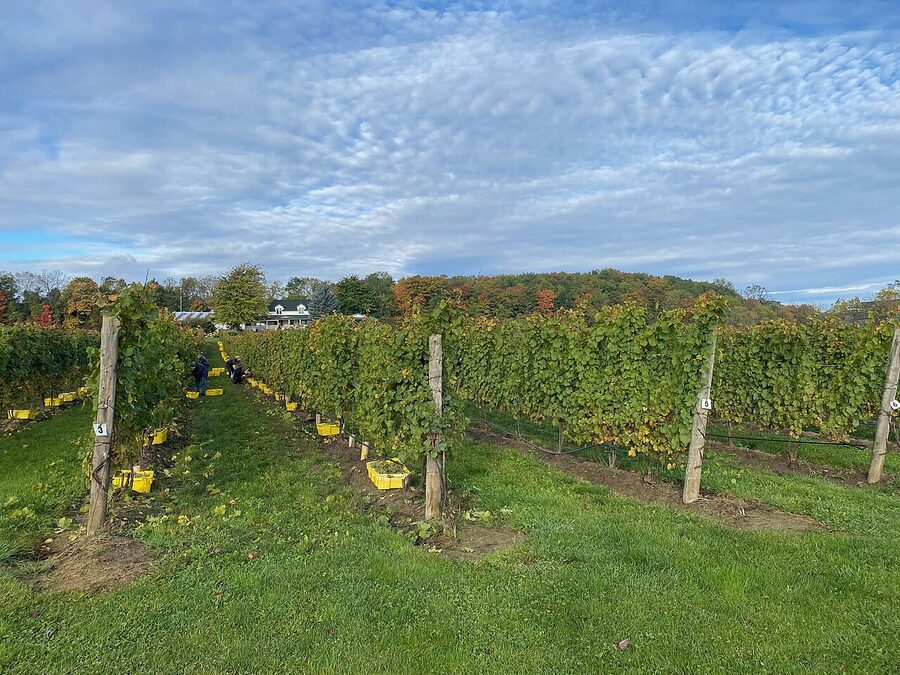
Fall (September to mid-October). Either, but the answer is two days, west on Saturday and east on Sunday. The harvest crews are still in the vineyards, the Gewürztraminer release happens around then at Standing Stone, and the leaves on the vines turn a colour you don’t see anywhere else (because vinifera turns yellow before native grapes turn red).
Late fall and winter (November-March). West side, and only the bigger rooms (Wiemer, Fox Run, Lakewood). Most of the east-side spots either close or run reduced hours. Forge and Boundary Breaks stay open by appointment. This is when the wineries that survive can actually give you their full attention.
Avoid Memorial Day weekend, July 4 weekend, Labor Day weekend. NASCAR weekend at Watkins Glen International (usually August) is the worst for traffic. The east-side cluster around Hector becomes a parking lot.
How to Actually Do It Without Driving
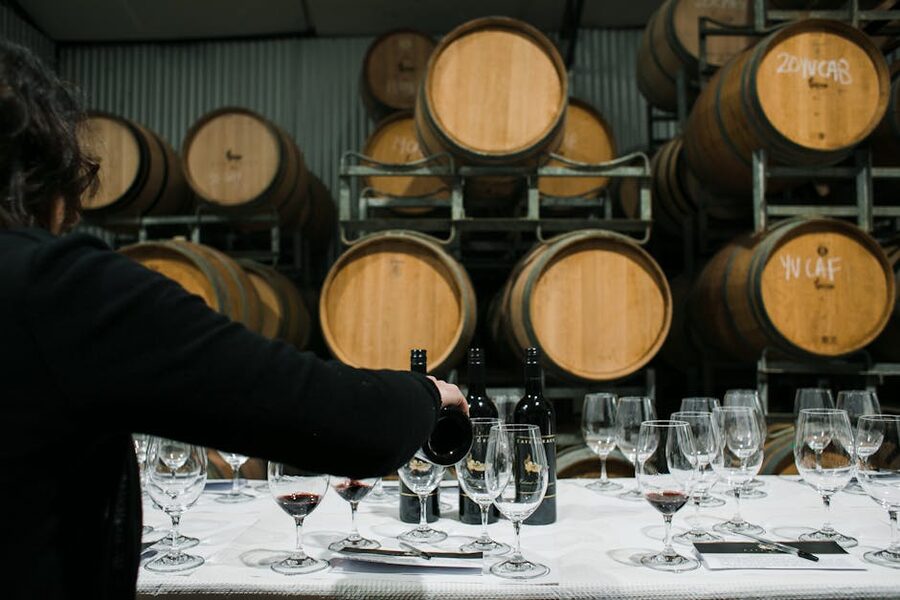
The roads on both sides are narrow, twisty in places, and full of weekend traffic. If you’re tasting properly at three or four stops, you should not be the one driving. A few options:
- Hire a driver in your own car. Main Street Drivers and Designated Drivers of the Finger Lakes both run “your car, our driver” services for around $35-46 per hour. This is the most flexible option and works well for groups of 2-4.
- Lakeside Trolley. A hop-on hop-off shuttle that runs a fixed route around either side. Around $50-70 per person, less flexible but no logistics. Worth it for a group of two without a designated driver.
- Booked tour from Geneva. Several operators run set itineraries departing from Geneva or Watkins Glen. The Geneva-area tour options on GetYourGuide include both east and west routes.
- From Syracuse. A north-end starting point if you’re flying into Syracuse Airport (closer than Rochester). The Seneca Lake tour from Syracuse on Viator typically does east-side stops.
- From Ithaca. Best for the south-east cluster. The South Seneca tour from Ithaca covers the Forge / Damiani / Hector Wine Co stretch.
Booking-Cost Comparison
| Operator | Type | Side covered | Duration | Per person | Includes |
|---|---|---|---|---|---|
| Main Street Drivers | Driver in your car | Either, your choice | Hourly, 6-hour minimum | $46/hr ÷ group | Driver only, you pick wineries |
| Lakeside Trolley | Shuttle, hop on/off | East and west loops | Full day pass | ~$60 | Transport, you pay tastings |
| GetYourGuide Geneva tour | Group bus | East side typically | 5-6 hours | ~$120-150 | Transport + 4 tastings + lunch |
| Viator Seneca Lake from Syracuse | Group bus | East side | ~7 hours | ~$130 | Round-trip from Syracuse + 3-4 tastings + lunch |
| Viator South Seneca from Ithaca | Small group | South-east cluster | ~5 hours | ~$110 | Transport + 3 tastings |
| Experience Finger Lakes private tour | Private vehicle | Either, your design | 6-8 hours | ~$200/person for 2 | Custom route + tastings |
Prices reflect typical 2026 rates and vary by season, so book ahead in fall and any holiday weekend.
Where to Sleep
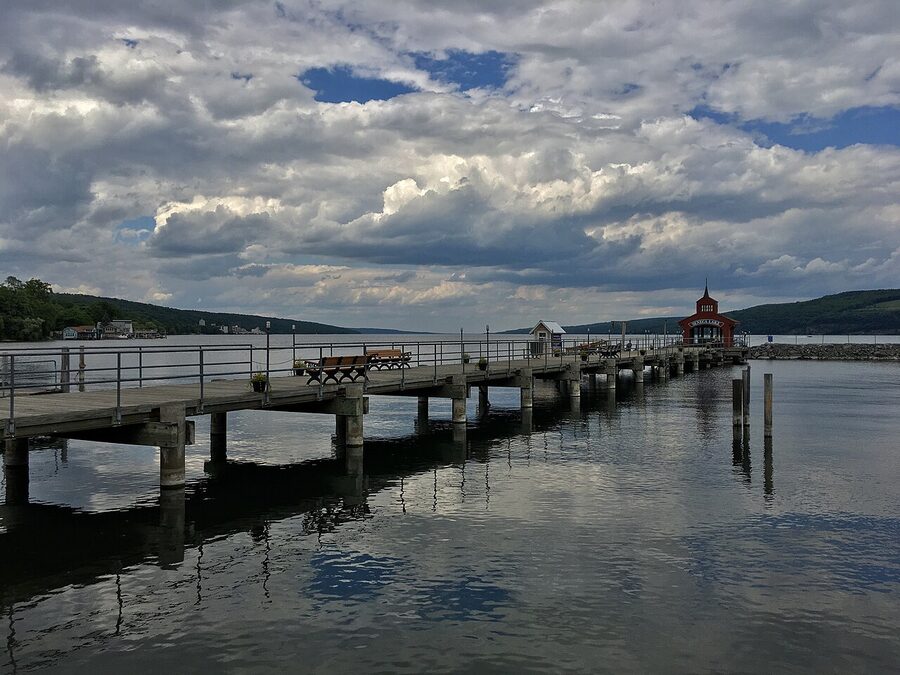

Three sensible base towns:
Watkins Glen at the south end. Best for a west-side day or any-day trip with a state-park morning. Watkins Glen Harbor Hotel is the obvious choice, lake-front, walking distance to the harbour restaurants, AAA Four Diamond. The lake-view rooms cost more and are worth it if you’re staying two nights. Compare Watkins Glen options on Booking.com.
Geneva at the north end. Best for a “do both sides” two-day trip; you can drop south on day one and back the other side on day two. Belhurst Castle is the splurge: an actual 19th-century castle on the lake, restaurant on site. Geneva on the Lake (north side) is the next tier and works as a base for either road. Geneva options on Booking.com.
Hector or Burdett on the east side itself. Best if you’ve decided the east side is your trip and you want to wake up on the lake. Single Island Shores is the lake-cabin option and the deck has the right sunsets. The Idlwilde Inn in Watkins Glen partners with east-side wineries for VIP tasting perks if that kind of thing matters to your group. Search Hector and Burdett B&Bs on Booking.com.
What to Skip
I won’t name them by name (most of them have small staffs and a bad day for me would be a paycheck for them), but a quick filter:
- Any winery whose tasting room is also a Christmas store / antique shop / “experience”. The wine is rarely worth the visit. Skip.
- Any winery whose entire reputation is built on one sweet novelty wine (you know the ones). The novelty was great in 1995. The Riesling next door is better.
- The big estate up by Geneva that bills itself as “three wineries on one site.” Fun for a group, fine for a wedding venue, not the place you go to learn anything about Finger Lakes wine.
- Bus tours that stop at six or seven wineries in a day. You will taste nothing. Three stops is the maximum if you want to remember what you drank.


The Two-Day Itinerary If You Want Both

For people with a Friday-Sunday window from NYC or anywhere east, the right move is two days, one shore each. Here’s the version I run with friends:
Day 1, Saturday, west side. Drive in Friday night, base in Watkins Glen. Saturday morning: Lakewood at 11am, walk-in tasting on the patio. Drive 5 miles to Glenora, lunch at Veraisons, lake view. Drive 0.5 mile to Wiemer (book ahead), do the Reserve Dry Riesling flight at 2pm. Drive 12 miles to Anthony Road, tasting at 4pm. Optional Fox Run if you’ve got energy. Back to Watkins Glen for dinner at the Harbor Hotel or walk into town.
Day 2, Sunday, east side. Drive north on NY-414. Start at Forge Cellars at 11am (book ahead), small bone-dry Pinot tasting. Drive 1 mile to Damiani, taste their Cabernet Franc and Meritage. Drive 5 miles north to Hector Wine Company, sit on the deck, get the cheese board, drink one bottle slowly. Drive another 5 miles to Standing Stone, tasting at 3pm. Optional Lamoreaux Landing if you’ve still got energy. Stop at Wagner for the Ginny Lee lunch on a future trip; Sunday is too much wine to add their full menu.
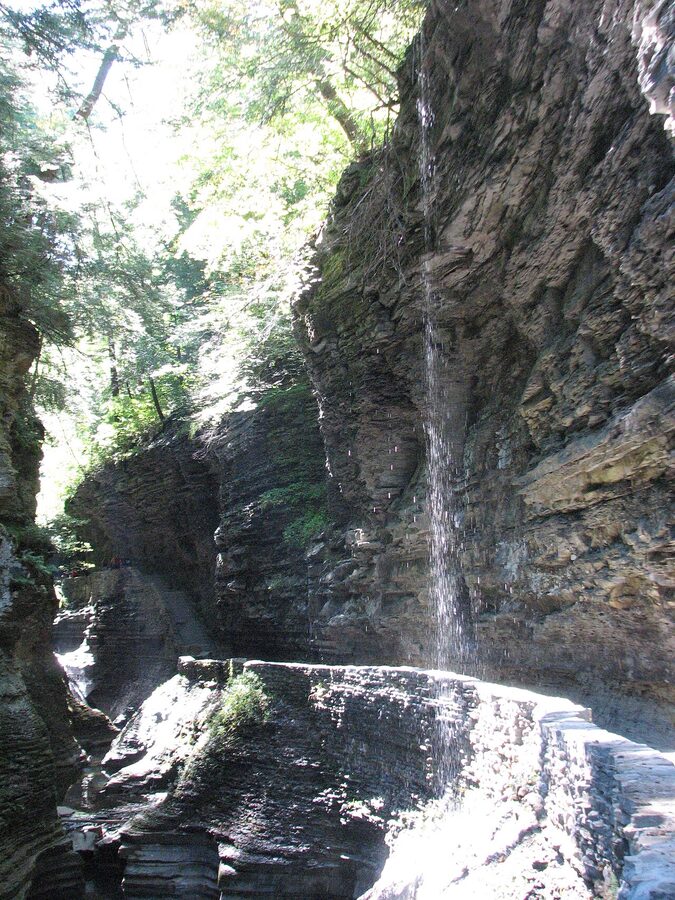
Day 3 if you have it. Watkins Glen State Park morning, then Boundary Breaks at noon for the Adirondack-chair afternoon. Drive home in the late afternoon.
That gets you Wiemer, Anthony Road, Forge, Boundary Breaks, and Damiani in one weekend. That’s the serious-wine list on one trip without trying to be everywhere.
One Last Thing
Both sides of Seneca Lake are still cheap, by the standards of any wine region anywhere. A $30 bottle of Wiemer Reserve Dry Riesling is a $90 bottle in any Napa tasting room. The Forge Pinot is $40 here and would be $70 in California. This is the gap. The wineries are not promoting themselves loudly enough yet, the regional reputation hasn’t caught up to the wine, and the pricing reflects that.
If you want the full Finger Lakes context, the Finger Lakes Wine Tours guide covers all four lakes. If you’ve decided you want the lake’s quieter cousin, the Cayuga Wine Trail is the next one over and runs a full circuit too. Keuka is where US wine actually started if you’re a history person, and Canandaigua is the half-day option from Rochester. If you’re coming up from a Cornell visit, the Ithaca-from-Cayuga route handles south-Cayuga in a half day. Once you’ve done the Finger Lakes, the Long Island wineries are the other end of the state and a totally different climate: Bordeaux varieties at the same latitude as Madrid. The best North Fork stops and the South Fork Hamptons day out both work as a long-weekend follow-up if you want to compare cool-climate Riesling to NY’s other big wine story.
Pick a side. Drink one bottle slowly instead of six in a hurry. Drive home with two bottles you’ll remember. That’s how Seneca works.
 Travel TipsFall Foliage in the Finger Lakes: When and WhereIf you have driven south on Route 414 in the second-to-last week of October, you already know what this article…
 Wine RegionsSheldrake Point: Cayuga Lake’s Lakefront Tasting RoomThe first time I drove down County Road 153 to Sheldrake Point, I missed the turn. You come around a…
 Travel TipsThings to Do in Canandaigua, NY: A Wine-Country TownYou drove down from Rochester for the gardens. That was the plan. Sonnenberg in the morning, lunch somewhere on Main…