
Pull into Watkins Glen on the first Saturday in October and you can feel it before you see it. Bus tours queueing along Franklin Street. Tasting rooms at 11am running with a 30-minute wait. Two wedding parties in matching shirts taking over the patio at the next winery you’d planned to hit. Seneca on a peak-leaf weekend is wine country at full volume.
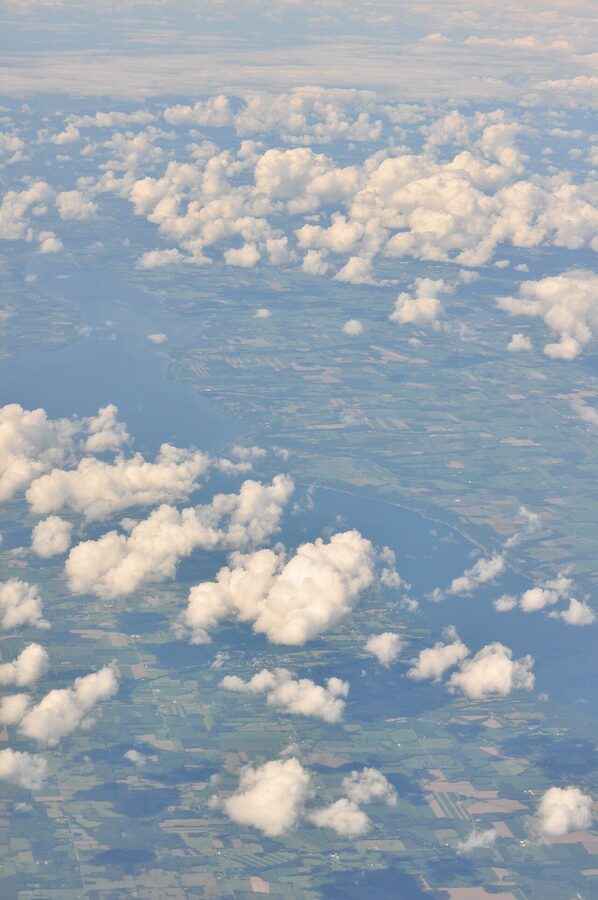
Drive 25 minutes east instead. You’re on the west side of Cayuga Lake by 11:30, pulling into the gravel lot at Sheldrake Point with three other cars. Same lake views, same Riesling, same Cab Franc. Roughly 40% of the Saturday crowd.
.jpg)
That’s the trade Cayuga makes. You give up some of the highest-profile names (Hermann J. Wiemer, Forge, Boundary Breaks all live on Seneca’s west side). You get a slower, friendlier version of the same wine country, on America’s first organised wine trail, with Ithaca as the most interesting base in the region. For most weekends, that’s the better trip.
I’ve been doing Finger Lakes weekends since college, when “wine tasting” meant Bully Hill on a parents-weekend Sunday. The pattern that’s stuck with me: Seneca for the serious wine pilgrimage, Cayuga for the easy one. This is the easy one.
In This Article
- The shape of the trail
- What’s actually planted here
- The 10 official trail wineries
- Six Mile Creek Vineyards
- Lucas Vineyards
- Hosmer Winery
- Sheldrake Point Winery
- Thirsty Owl Wine Company
- Cayuga Ridge Estate Winery
- Knapp Winery
- Buttonwood Grove Winery
- Goose Watch Winery
- Swedish Hill Winery
- Americana Vineyards
- Other wineries on the lake worth knowing
- Two itineraries that actually work
- The full-day west side, south to north
- The half-day west loop
- Where to base yourself
- Ithaca
- Aurora
- Trumansburg
- Where to eat
- Tour operators and getting around
- Cayuga tour and lodging cost comparison
- When to come
- Cayuga vs Seneca, honestly
- What about combining with Ithaca itself?
- One more thing about the trail
The shape of the trail
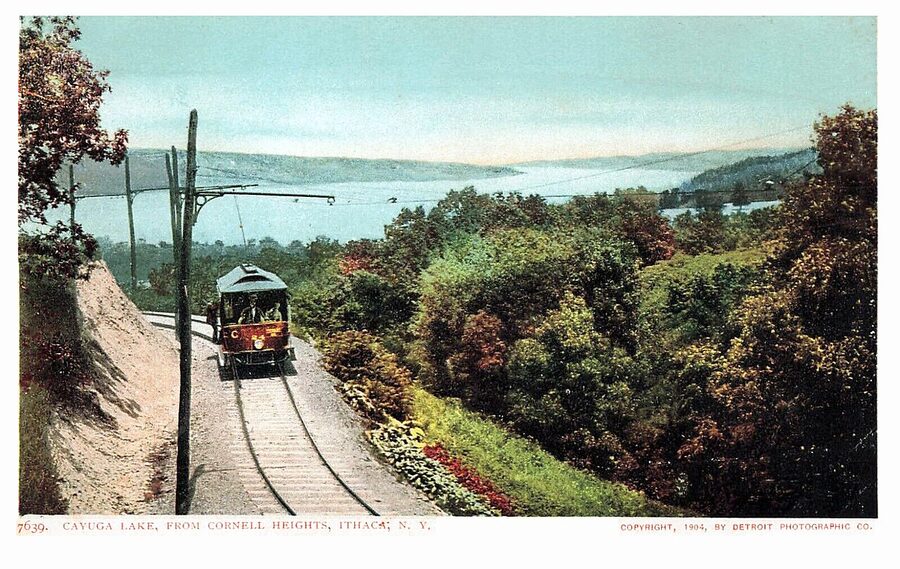
Cayuga is the longest of the Finger Lakes, 38 miles point to point, and one of the deepest. The official Cayuga Lake Wine Trail was organised in 1983, the first formally constituted wine trail in the United States. Other lakes had wineries first; Cayuga had the trail first. That distinction matters more to the trail association than it does to you, but it’s worth knowing if anyone asks.
The trail today has 10 member wineries, plus a meadery and a few cideries and distilleries that have joined under the same banner. Outside the formal members there are another half-dozen wineries on the lake worth a stop. Realistically you’re looking at 12 to 14 places that anyone would seriously recommend, almost all on the west shore between Ithaca and Seneca Falls.
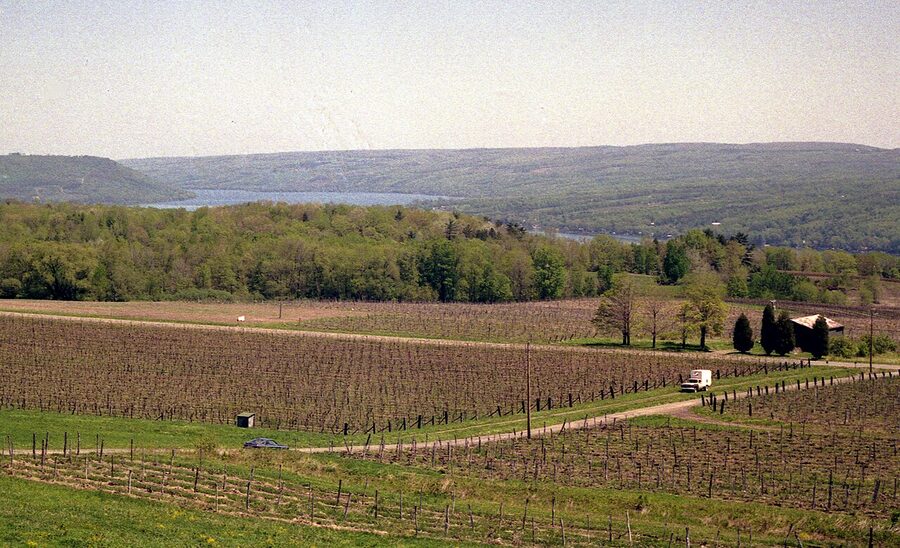

The east shore is mostly residential. There’s Long Point and a couple of small operations near Aurora, but if you only have a day, you skip the east side entirely. The west side, running south to north on Route 89 and Route 414, is where Cayuga wine tasting actually happens. From Ithaca to Seneca Falls is about 35 miles by road and you can stop at eight wineries along the way without backtracking.
What’s actually planted here
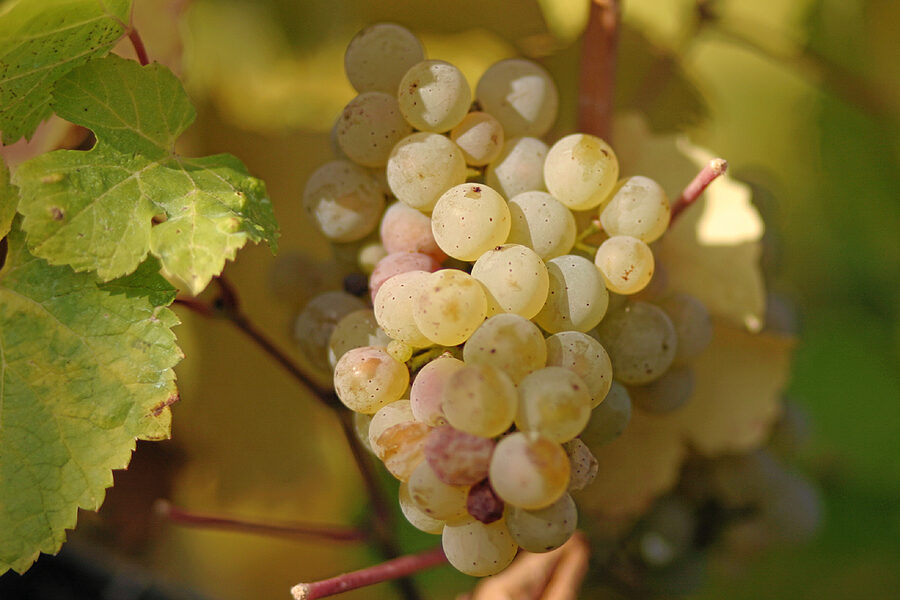
The Finger Lakes is white wine country, and Cayuga doubles down on it. Riesling first. Then Gewürztraminer, Chardonnay, Grüner Veltliner if you find it. The Riesling here is leaner and steelier than what you get from Mosel or Alsace, with real acid and not much residual sugar unless the producer is going for it. If you don’t already drink dry Riesling, the Finger Lakes is where you start.
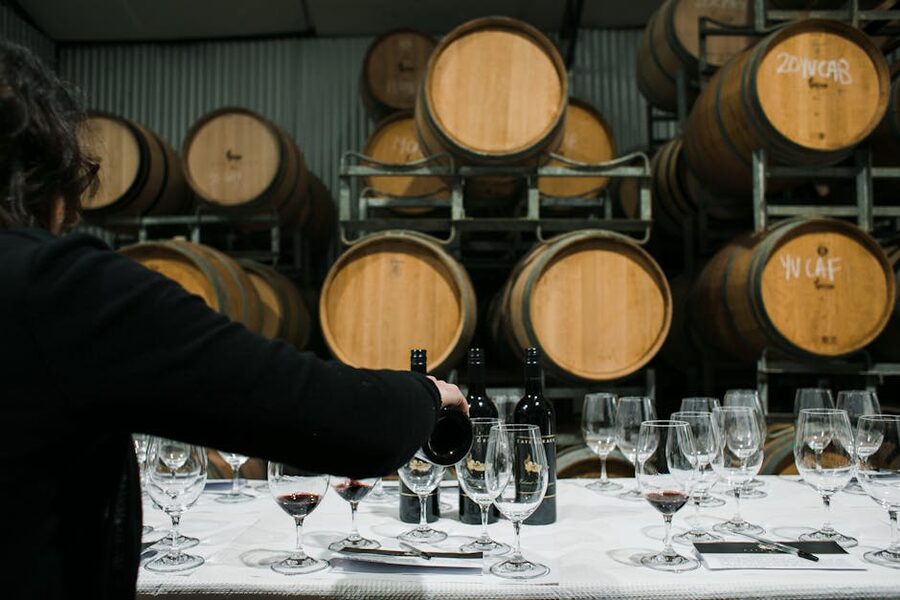
For reds, the answer is Cabernet Franc. Not Cabernet Sauvignon, which struggles in this climate, and not Pinot Noir, which is hit or miss. Cab Franc here is the most underrated red wine grown in the eastern United States. Hosmer’s Cab Franc is the one to start with. Sheldrake’s is more polished. Heart and Hands does serious Pinot if you want to make the case for it.
Hybrid grapes still matter on Cayuga. Cayuga White (the grape, not the lake) was developed at Cornell’s research station in Geneva and is bottled by half the wineries on the trail. Vidal Blanc, Traminette, and the Lemberger reds all show up. They’re not what brought you here, but a good Vidal off the lake at the end of a tasting is fine for what it is.
The 10 official trail wineries
Working roughly south to north, here’s what I’d actually recommend at each, and which ones to skip if you’re tight on time. Tasting fees on Cayuga in 2026 sit around $8 to $15 for four to five pours. Most wineries pour bottles in the $14 to $25 range, cheap for what’s in the glass, frustratingly cheap for the producers.
Six Mile Creek Vineyards
The one inside Ithaca city limits, on the southeast edge of town off East Main. Useful if you have a free hour after a Cornell visit and don’t want to drive 25 minutes out. The wine is fine; the location is the draw. Outdoor patio, reservations not needed except in peak summer. If you only have one Cayuga winery slot, this isn’t it. If you have a spare 45 minutes, it works.
Lucas Vineyards
Lucas, in Interlaken, was Cayuga’s first commercial winery, the Lucas family planted in 1980 and has been there ever since. The deck overlooking the lake is the right place to be on a clear afternoon. They’re known for off-dry Rieslings and a few sweeter blends with hand-drawn tug-boat labels (the family heritage). Tastings are casual and the staff actually know the wines. Worth a stop, even if the lineup leans sweeter than you might want.
Hosmer Winery
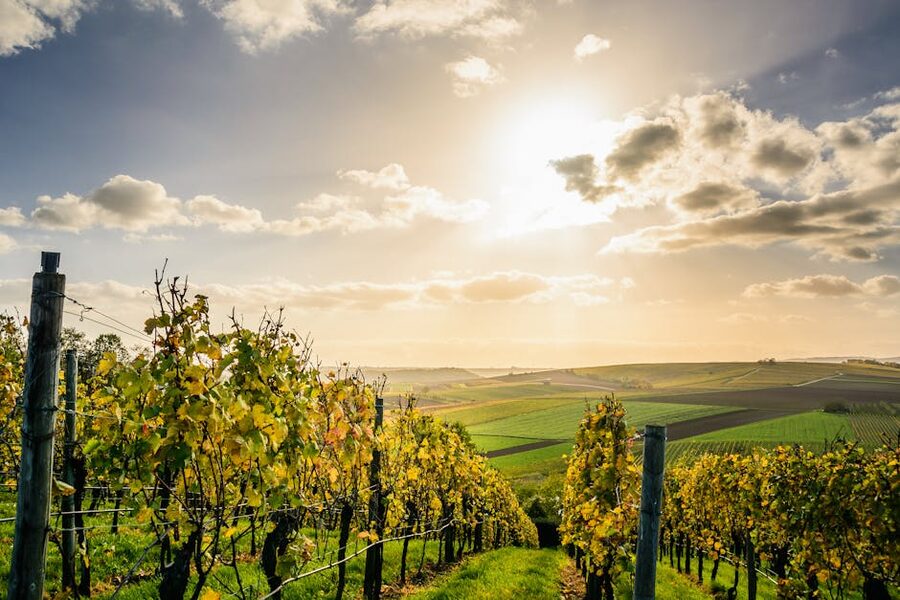
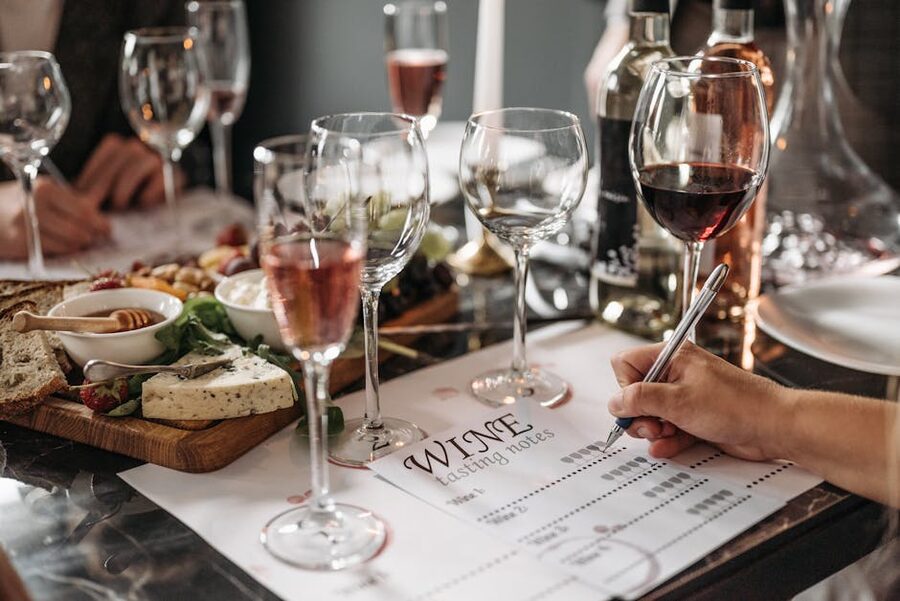
Hosmer in Ovid is the one I send people to first. The Patrician Verona Vineyard out back is one of the older planted blocks on the lake and you can taste the difference in the Cab Franc, which is the wine to order here. The Riesling is good, the Cayuga White is honest, the Grüner Veltliner is unexpected and delicious. Tastings are flight-style with paper notes. It’s not a polished tasting room, there’s no grand stone facade, and that’s part of the appeal.
Sheldrake Point Winery
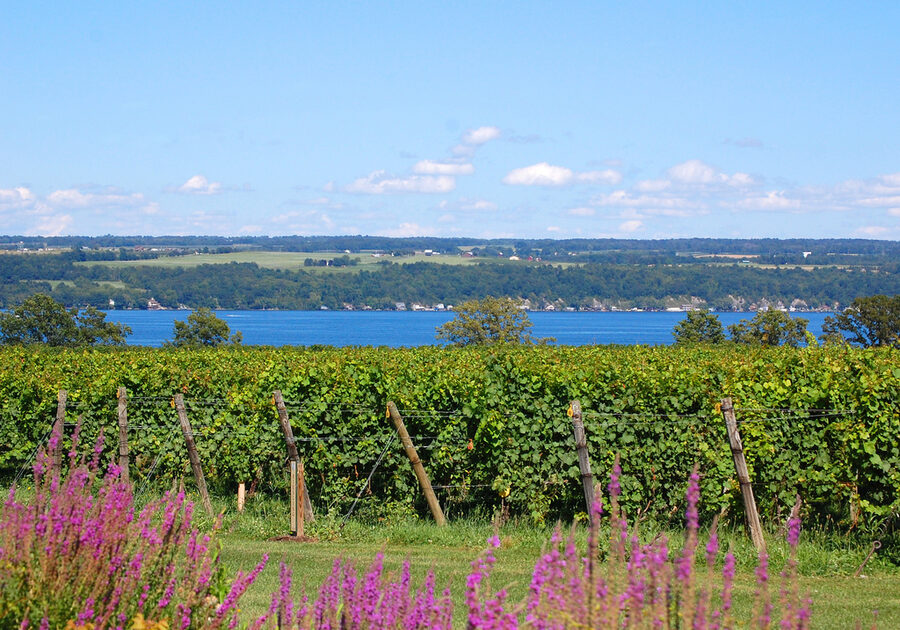
The most consistent winery on the lake, full stop. Sheldrake sits right on the water in Ovid, with a 14-slip dock if you’re arriving by boat (people do, it’s a real thing here in summer). The lakeside Adirondack chairs are the move on a sunny day. Reds are stronger here than at most Cayuga producers because the vineyards sit very close to the water, which moderates temperature. Reservations suggested but not strictly required if your party is six or fewer. The Cabernet Franc and the late-harvest Riesling are both worth taking home.

Thirsty Owl Wine Company
Thirsty Owl in Ovid is the one with the best lake view from the patio, the bistro that does a real lunch (not just a cheese board), and a reputation for getting busy. Tastings are walk-in, no reservations, which means standing-room only if a tour bus rolled in 10 minutes before you. The Pinot Noir program is unusually serious by Cayuga standards. Their hard cider, made from Cahoon Farms apples, is also genuinely good. If you book lunch in the bistro you can skip the tasting-room queue, which is the smart play.
Cayuga Ridge Estate Winery
The big red barn between Sheldrake and Lucas, also in Ovid. Cayuga Ridge has been around since the 1980s and the property has the most farmhouse-y feel on the trail, strung lights, a deck with cheap chairs, sweet wines on the menu. Their Cabernet Franc is solid, the dessert wines are honest, and on a sunny October Saturday the deck is exactly where you want to be at 3pm. Skip if you’re a serious-wine purist; visit if you want a relaxed second-half-of-the-day stop.

Knapp Winery
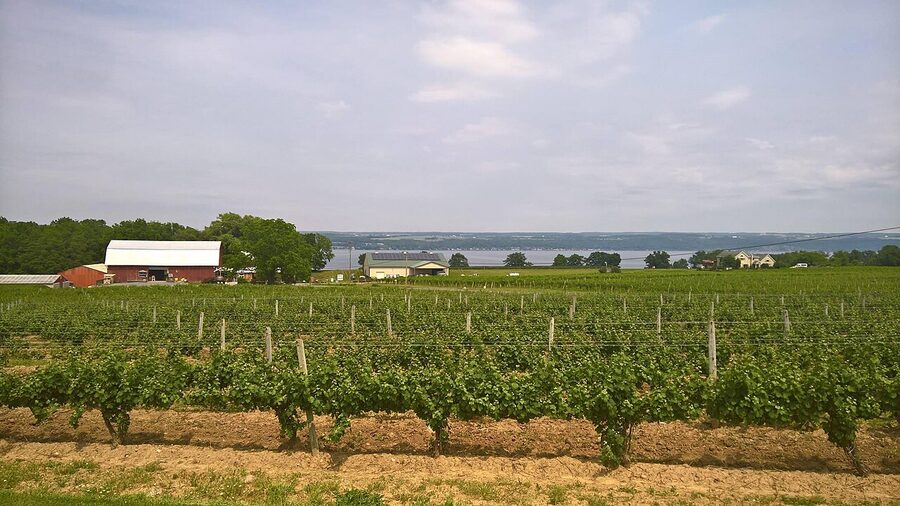
Knapp, also in Romulus, is the one most people end up loving for the food. The Vineyard Restaurant on site does a full lunch menu, sandwiches, flatbreads, a real salad list, not just bites with your tasting. The wines are well-made, the dry Riesling and the dry rosé being the two you’d want to take home. Reservations strongly advised on weekends; the dining room fills before noon. If you can only do one wine-and-lunch stop on the lake, this is the one.
Buttonwood Grove Winery
Buttonwood, in Romulus, has the covered patio with the best mid-trail view of the lake, complimentary bread and cheese with the tasting flight, and the option of a blind tasting if you want to embarrass yourself in public. Their Big Red Blend uses Lemberger from Cornell-developed vines (Cornell’s viticulture program supplies cuttings to wineries across the trail) and it works better than it should. Dry Riesling is good. Ice wine is on the menu for an extra few dollars and worth trying once. Reservations suggested.
Goose Watch Winery
Goose Watch sits on a peninsula north of Romulus, with vineyards on three sides. They’re known for less common varietals, Lemberger straight, Diamond, Melody, that you don’t see at every other tasting room. No reservations needed, the deck is dog-friendly, and a tour bus rarely stops here, which counts for a lot in October. Honest if not always exciting wines, on one of the prettier sites on the lake.
Swedish Hill Winery
Swedish Hill in Romulus is the slickest tasting room on the trail, chalet-style, polished, more touristy than the others. They make a lot of wine across a lot of styles, including some sparkling that’s better than you’d expect for the price. If you’ve brought non-wine-people to the Finger Lakes and they want a comfortable indoor tasting with a gift shop attached, this is the one. If you’re chasing serious bottles, you’ll do better at Hosmer or Sheldrake.
Americana Vineyards
Americana, in Interlaken, is a 1820s-era barn relocated to the property. Family-friendly, live music most weekends, wine slushies in summer (yes, really), a fudge counter. The Revolutionary Red is a reasonable semi-dry red blend. Honestly, you come here for the building and the atmosphere more than the wines, and that’s a fine reason to come. The Crystal Lake Cafe on site does a real lunch, which is useful between Lucas and Sheldrake.
Other wineries on the lake worth knowing
Outside the official 10, a few more deserve a mention.
Long Point Winery in Aurora is the most respected operation on the east shore. Worth crossing the lake for if you’re already in Aurora for lunch.
Treleaven Wines (formerly King Ferry Winery) just south of Aurora makes serious Chardonnay, barrel-fermented, on the lees, the kind of bottle that makes a case for Finger Lakes Chard. Underrated. The drive across the lake or down the east side is the price.
Montezuma Winery at the very north end of the lake (technically off the trail’s southern cluster) is best known for the Hidden Marsh Distillery on the same property. Wine is sweeter-leaning; the cranberry mead is a curio worth tasting. Combine with a stop at the Montezuma National Wildlife Refuge across the road.
Six Eighty Cellars in Ovid is the experimental one, fermenting in clay vessels and amphorae imported from Italy. Tasting room is small, hours are limited, the wines are unusual. Worth a detour for the wine-curious.
Bellwether Hard Cider in Trumansburg isn’t a winery but is on the same crawl as Lucas and Americana. The dry Heritage cider is the best thing they make and pairs better with charcuterie than half the wines on the lake.
Two itineraries that actually work
Don’t try to do all 10. You’ll be over-tasted by 2pm and your palate is gone by 3. Five wineries is a full day. Three is more sensible. Plan one lunch stop at a winery with a real kitchen.
The full-day west side, south to north
If you’re staying in Ithaca and have a designated driver:
- 10:30am, Americana Vineyards (Interlaken). Open earliest, light tasting, good warm-up.
- 11:45am, Hosmer Winery (Ovid). Cab Franc, Grüner Veltliner. The serious one.
- 1:00pm, Knapp Winery (Romulus). Lunch in the Vineyard Restaurant. Book ahead.
- 2:30pm, Sheldrake Point (Ovid). Adirondack chairs. The reds.
- 4:00pm, Buttonwood Grove (Romulus). Bread, cheese, the dock-side patio.
That’s five stops over five and a half hours. Buy two bottles total, max, and ship the rest. Drive back to Ithaca in 35 minutes.
The half-day west loop
For a Cornell parents-weekend afternoon, a Saturday after a morning hike at Taughannock Falls, or anyone who wants to be back in Ithaca for dinner:
- 11:30am, Sheldrake Point
- 1:00pm, Knapp (lunch)
- 2:30pm, Hosmer or Buttonwood
Three stops, back in Ithaca by 4. The right amount of wine, the right amount of driving.

Where to base yourself
Three real options.
Ithaca
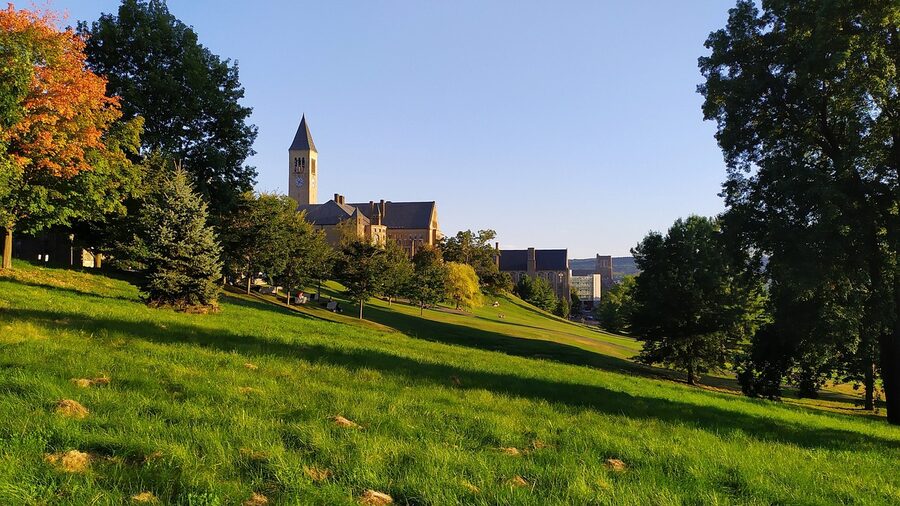
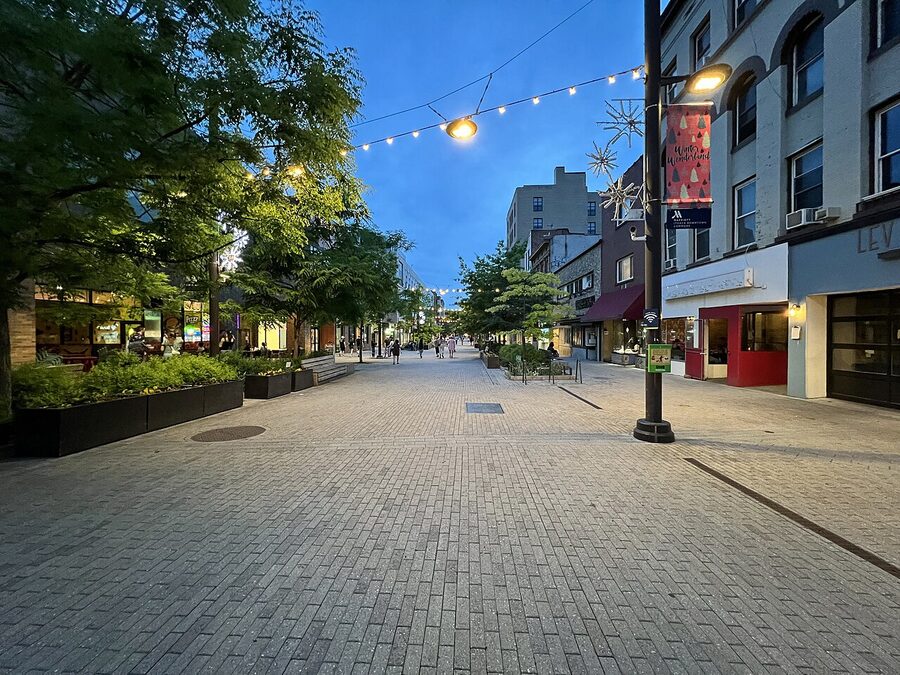
The city at the south end of the lake. Cornell on the hill, Ithaca College on the other hill, downtown in the gorge between them. Best food in the region, only city of any size for 50 miles, easiest base for the south Cayuga wineries plus Six Mile Creek.
Hotels worth booking: the Statler Hotel at Cornell is the on-campus option, useful for parents-weekend visits and surprisingly good for what it is. Argos Inn is the boutique pick downtown, a restored 1830s mansion with a strong cocktail bar. Hotel Ithaca is the central, mid-priced option in the Commons. The William Henry Miller Inn is the B&B; book months ahead in fall. Range $170 to $400 a night depending on weekend.
Search current rates at Booking.com for Ithaca hotels.

Aurora
The east-shore village halfway up the lake, anchored by Wells College and the Inns of Aurora. If you can spend the money, the Inns of Aurora are the best stay in the region, five restored historic properties run as one boutique hotel, all on the lake, with the Aurora Tavern and Inn at Aurora’s restaurant doing serious cooking. Rooms start around $300 and run past $700 in peak fall. The trade is that you’re 25 minutes from the west-shore wineries via the bridge at Cayuga; almost all your driving is the wrong direction.
Worth it if you want quiet over efficiency. Look up Aurora stays on Booking.com.
Trumansburg
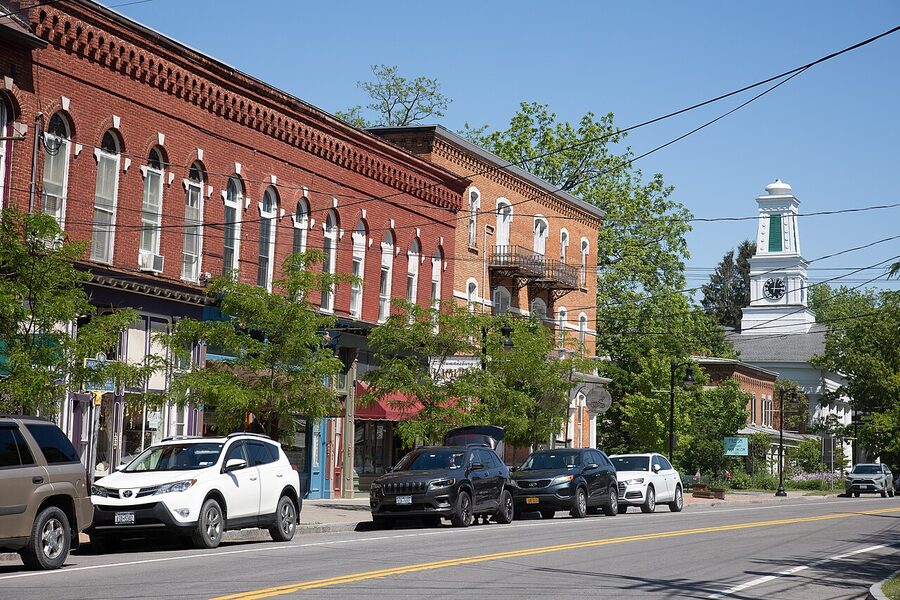
Small village 15 minutes north of Ithaca on Route 96, near Taughannock Falls. The Inn at Gothic Eves is the long-running B&B option here, and there are a handful of vacation rentals. Trumansburg is the budget-friendly base if you want to be closer to the wineries than Ithaca puts you. Main Street has a couple of restaurants and a bar that cyclists pile into on summer weekends.

Where to eat
The food scene around Cayuga is better than Seneca’s, mostly because of Ithaca. Two rules: book ahead on weekends, and skip anything that calls itself a “winery experience” buffet.
Moosewood Restaurant in Ithaca is the institution, vegetarian since 1973, the cookbook is a thing your aunt has, the food is honest and consistently good. Lines on Saturdays.
The Heights Cafe on the Ithaca-East Hill is where Cornell faculty go for a real meal. New American, seasonal, well-priced for the quality.
Hazelnut Kitchen in Trumansburg is the surprise. Tiny dining room, prix-fixe-leaning menu, ingredients sourced from within 30 miles. Book two weeks out for a Saturday.
The Aurora Inn restaurant at the Inns of Aurora is the splurge, lake view, classic American menu done well, the kind of place you wear a jacket if you have one.
Knapp Vineyard Restaurant on the trail itself is the all-in-one option: tasting plus lunch, no driving between.
Glenwood Pines on Taughannock Boulevard is the local favourite for an Pinesburger and a beer if you’ve blown the day on tastings and just want a burger overlooking the water.
Tour operators and getting around
You can’t drink and drive on this trail. Make a plan before you arrive.
Designated driver in your group. Cheapest. Works if you have one person in your party who genuinely doesn’t drink, or who’s happy to taste a tiny pour at each stop. Plan five stops max; bring a cooler for the bottles.
Private driver service. The standard option for two to six people. Operators like Experience! The Finger Lakes, Crush Beer & Wine Tours, and FLX Adventures run from Ithaca. Pick-up at your hotel, custom itinerary, you decide which wineries. Roughly $100 to $150 per person for a full-day private trip in 2026. The premium is worth it on a special-occasion weekend.
Group bus or van tour. Half the price of a private driver, half the flexibility. Pre-set itinerary of four to five wineries, you go where they go. Good if you’re solo or a couple and don’t mind chatting to other guests. Book through Viator’s Ithaca tour catalogue or GetYourGuide’s Finger Lakes wine tasting page.
Self-driven, no tasting at one winery per stop. Some people work this, they buy a glass at each, share, and dump what they don’t drink. Doable, not really the spirit of the thing.
Cayuga tour and lodging cost comparison
Real prices, taken from operator pages and the Booking.com search results in spring 2026. Use these as the floor; peak fall weekends run higher.
| Option | Type | Duration | Per person | What’s included |
|---|---|---|---|---|
| Experience! The Finger Lakes (private) | Private SUV with sommelier guide | 6 hours | $140–185 | 4 wineries, tasting fees, hotel pickup, lunch not included |
| FLX Adventures private tour | Private van, group of 2–8 | 6 hours | $110–160 | 4 wineries, tasting fees included, route customisable |
| Crush Beer & Wine group tour | Shared van, mixed party | 6 hours | $95–125 | 4 wineries, tasting fees, light snacks |
| Group bus tour (Viator/GYG) | Coach, larger group | 5–7 hours | $80–120 | 3–5 wineries, tasting fees, occasional cheese plate |
| Standard Ithaca hotel | Hotel Ithaca, mid-range | One night | $170–230 | Room, parking, walk to dinner |
| Argos Inn boutique | Restored 1830s mansion | One night | $280–380 | Room, breakfast, cocktail bar on site |
| Inns of Aurora luxury | Lakeside historic inn | One night | $350–700 | Room, breakfast, lake access, hotel restaurant |
| Trumansburg B&B | Inn at Gothic Eves type | One night | $190–280 | Room, full breakfast, easy winery access |
Add $40 to $80 per person for restaurant dinners; $30 to $60 a day for fuel and incidentals if self-driving from elsewhere.
When to come
Late September through the third weekend in October is peak. Foliage is at its best, harvest is happening, every winery is open, every bistro is full. It’s also the most crowded the trail gets all year. Reservations matter from mid-September on.
Late August and the first three weeks of September are my actual recommendation. Lake-warm afternoons, vineyards green-into-yellow, half the crowds, no need to book most tastings. The wineries are happier to talk because they’re not running a queue.
May and June are quieter still, with the catch that not all tasting rooms are at full hours. Confirm openings before you drive 35 miles to a closed door.
Winter (November to March) is for a different trip. Several wineries shorten their hours or close midweek. Snow on Route 89 is real. The upside is wood fires in tasting rooms, almost no tour buses, and a Riesling tasting alone in a room with one other party. Worth it if you’ve already done a peak-season trip.
Cayuga vs Seneca, honestly
If this is your first Finger Lakes trip and you have to pick one lake, do Seneca. The wineries are more numerous and several of them (Wiemer, Forge, Boundary Breaks, Lamoreaux Landing) are doing the most ambitious wine in the region. You’ll have a denser trip with more options.
If you’ve already done Seneca, or you want a quieter day with better food at the base, do Cayuga. The wines are very good and the experience is more relaxed. Cab Franc is stronger here than the average Seneca lineup; serious Chard hides at Treleaven.
If you have three days, do both, and add one of the smaller trails. Keuka is the prettier lake and home to the original vinifera planting. Canandaigua is the quick half-day from Rochester. You’ll get a complete picture of Finger Lakes wine country over a long weekend.
What about combining with Ithaca itself?
This is the underrated move. Cayuga’s south end gives you Ithaca, which is the only town in the region with serious food, real bookstores, a working ferry-style boat operation in summer, and Cornell. A weekend that’s two-thirds wine and one-third Ithaca is, for most travellers, a better trip than three solid days of tastings.
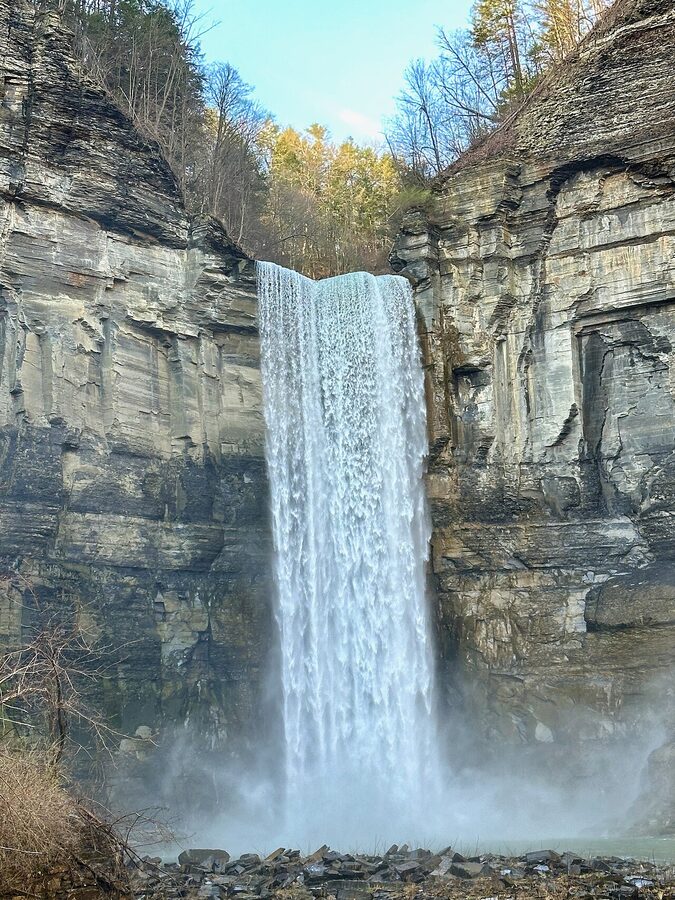
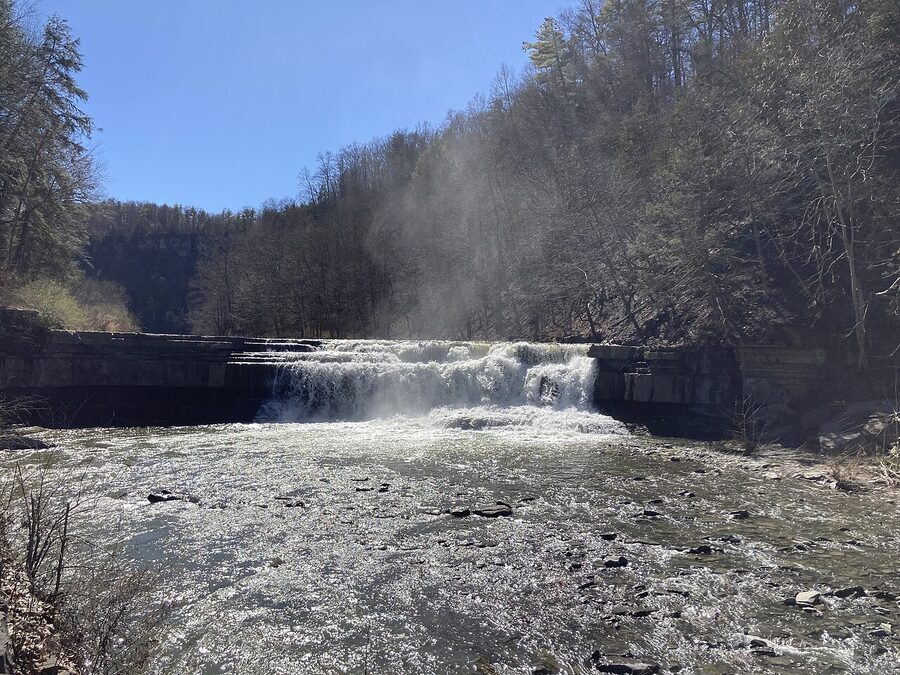
Suggested 48-hour version: arrive Friday night, dinner at Hazelnut Kitchen in Trumansburg, sleep in Ithaca. Saturday morning at Taughannock Falls State Park (the falls are 215 feet, taller than Niagara, and the rim trail is a 90-minute easy walk). Saturday afternoon, half-day west loop on the trail. Saturday dinner at the Heights or Moosewood. Sunday morning at the Cornell Botanic Gardens or Ithaca Farmers Market (Saturdays and Sundays April through October, on the inlet, one of the better farm markets in the Northeast). Sunday afternoon: one more winery if you’re up for it, or the long way home via Watkins Glen.
For an even tighter version, see the Ithaca-based wine tour itinerary, built for parents-weekend trips and 36-hour visits.
One more thing about the trail
The Cayuga Lake Wine Trail Association runs a few signature events that are genuinely useful to book around if your dates are flexible. Wine and Herb Festival in early June is the big one, themed pairings at every member winery over two weekends. Holiday Shopping Spree in early December is the quiet-season version. Bacon on the Lake in March is exactly what it sounds like and is a way to see the trail in winter without the bleakness.
Most wineries also do release dinners, vertical tastings, and wine-pairing events that don’t make the official calendar. If you’re booking ahead, email the winery directly, Hosmer in particular runs Saturday-night dinners that don’t show up in the major listings.
And if you want the official member list, current hours, and seasonal events, the trail association keeps it at cayugawinetrail.com. Confirm hours the morning of, especially mid-week and outside the high season.
That’s the trail. It’s been here since 1983. It’s not going anywhere. Start with Hosmer.
 Travel TipsFall Foliage in the Finger Lakes: When and WhereIf you have driven south on Route 414 in the second-to-last week of October, you already know what this article…
 Wine RegionsSheldrake Point: Cayuga Lake’s Lakefront Tasting RoomThe first time I drove down County Road 153 to Sheldrake Point, I missed the turn. You come around a…
 Travel TipsThings to Do in Canandaigua, NY: A Wine-Country TownYou drove down from Rochester for the gardens. That was the plan. Sonnenberg in the morning, lunch somewhere on Main…