
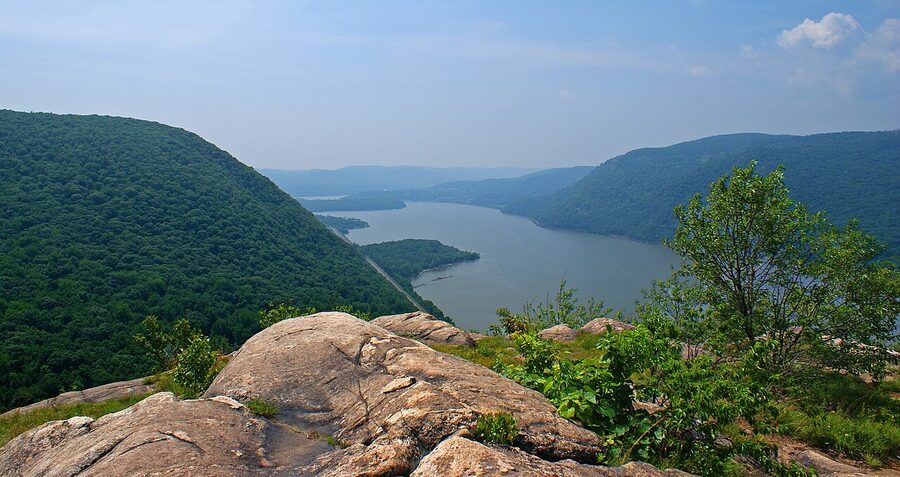

The first thing I do on a Hudson Valley wine day from the city is the same thing every time. I get on the 9:43 out of Grand Central, sit on the right side of the train, and watch the river. By Cold Spring the bluffs start. By Beacon you can see Breakneck Ridge in the window. By Poughkeepsie you’ve covered around eighty miles in roughly an hour and forty, and the wine country is right there: ten minutes by car from the platform, half a mile by foot if you start at the Walkway Over the Hudson.
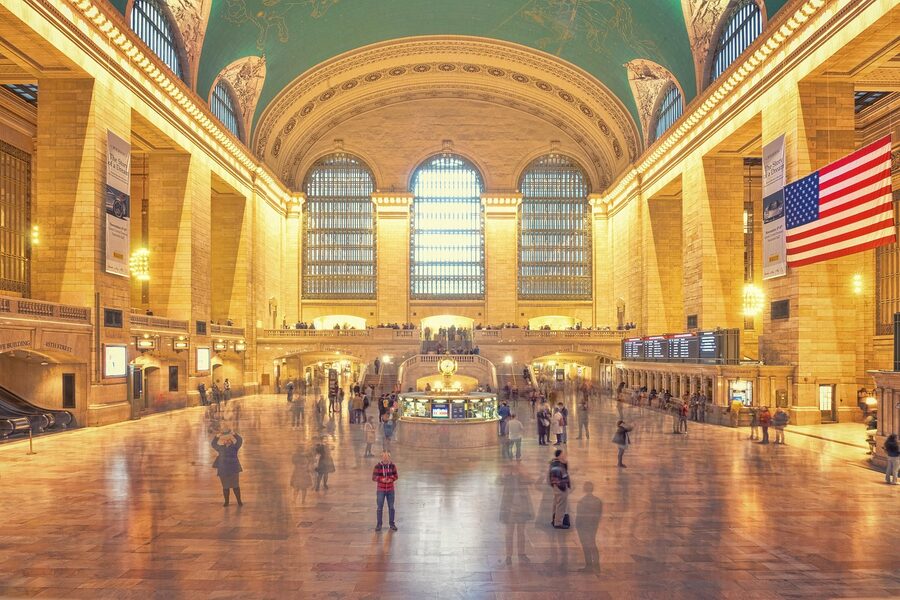
This is the trip most New Yorkers don’t know they can do. The Long Island wineries get the press because the LIRR runs east through Riverhead and you can be at Bedell or Macari in two hours flat. The Finger Lakes get the press because the wines are objectively the best in the state. But the Hudson Valley is older than either of them, it’s faster to reach from Manhattan than the Hamptons, and it has the only train-and-shuttle combination in NY wine country that actually works on a Saturday.
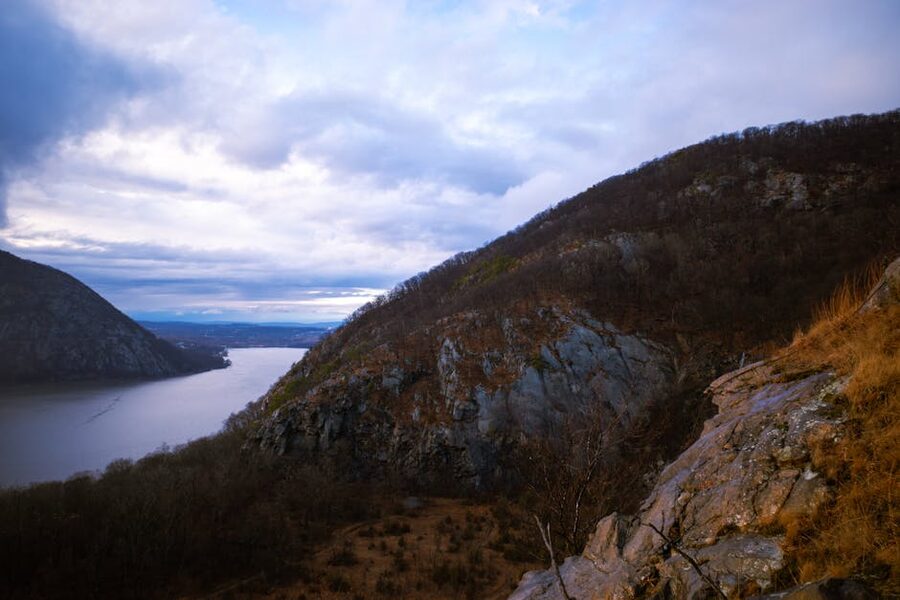
This guide is the version of a Hudson Valley wine day I’d give a friend who lives in Brooklyn or the West Village and asked me on a Wednesday how to do this on Saturday. It covers the train, the wineries that are actually worth the trip, what to combine the wine with so you’re not just sitting in a tasting room for six hours, the two trails (Shawangunk and Hudson-Berkshire) and the reason you only need one of them, and the case for skipping the day-trip entirely and doing a weekend instead.
In This Article
- America’s Oldest Wine Region (Yes, Really)
- The Metro-North Trip From Grand Central
- Sample Saturday Schedule From Grand Central
- The Wineries Worth The Day
- Brotherhood (Washingtonville)
- Whitecliff (Gardiner)
- Robibero (New Paltz)
- Millbrook Vineyards (Millbrook)
- Milea Estate (Staatsburg)
- Fjord Vineyards (Milton)
- City Winery Hudson Valley (Montgomery)
- Two Trails, And Why You Only Need One
- What Else To Do So You’re Not Just Drinking
- Walkway Over the Hudson
- Storm King Art Center
- Vanderbilt Mansion
- Cold Spring
- Booking Cost: Tours, Drivers, And DIY
- The Two-Day Version, Or: Why Not Just Sleep Over
- When To Go
- Hudson Valley Wine vs Long Island Wine vs Finger Lakes
- One More Note On The Train
America’s Oldest Wine Region (Yes, Really)
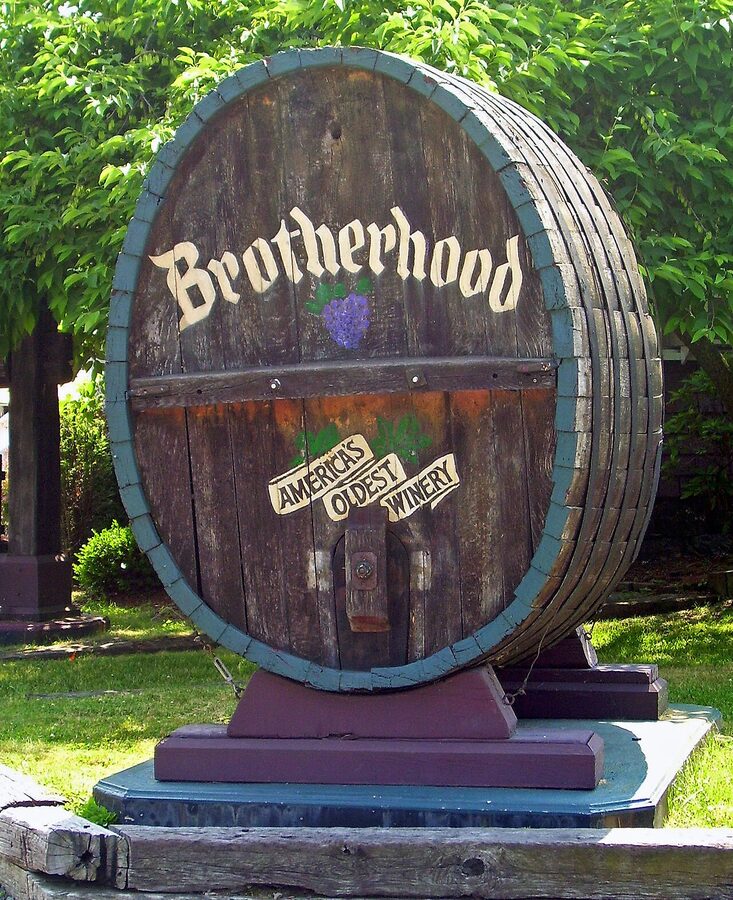

Brotherhood Winery in Washingtonville, about fifty miles northwest of Manhattan, has been making wine continuously since 1839. That’s the longest unbroken run of any winery in the United States. It survived Prohibition because it had a sacramental wine licence, which is the kind of detail that makes you reconsider what you thought you knew about American wine history. Long before California planted vinifera, before the Finger Lakes had its first commercial vineyard, before Long Island had so much as a Bordeaux clone in the ground, this corner of Orange County was already in the wine business.
The Hudson River Region was also the first federally recognised American Viticultural Area in New York State, granted in 1982. It covers most of Orange, Ulster, Dutchess, Columbia, and parts of Sullivan, Greene, and Rockland counties. Around forty wineries operate within it today, most of them small, family-run, and growing a mix of cold-hardy hybrid grapes (Seyval Blanc, Vidal, Cayuga, Noiret, Baco Noir) alongside vinifera that the warming climate is increasingly letting them ripen. The breakthrough grape, the one that the serious Hudson Valley winemakers will quietly tell you is the future of the region, is Cabernet Franc.
You won’t find Hudson Valley wines on the wine list at most NYC restaurants. That’s the local frustration. Long Island reds have made it onto a few good lists. Finger Lakes Riesling is on every Riesling list in the city. Hudson Valley has not yet had its breakthrough moment with Manhattan sommeliers, partly because the production is small and partly because the marketing has been quieter. The wines themselves, especially what Whitecliff and Fjord and Milea are doing with Cab Franc, Albariño, and Riesling, are genuinely good. The price-to-quality ratio is excellent. You’ll pay $25 for a bottle that does most of what a $40 Long Island red does.
The Metro-North Trip From Grand Central
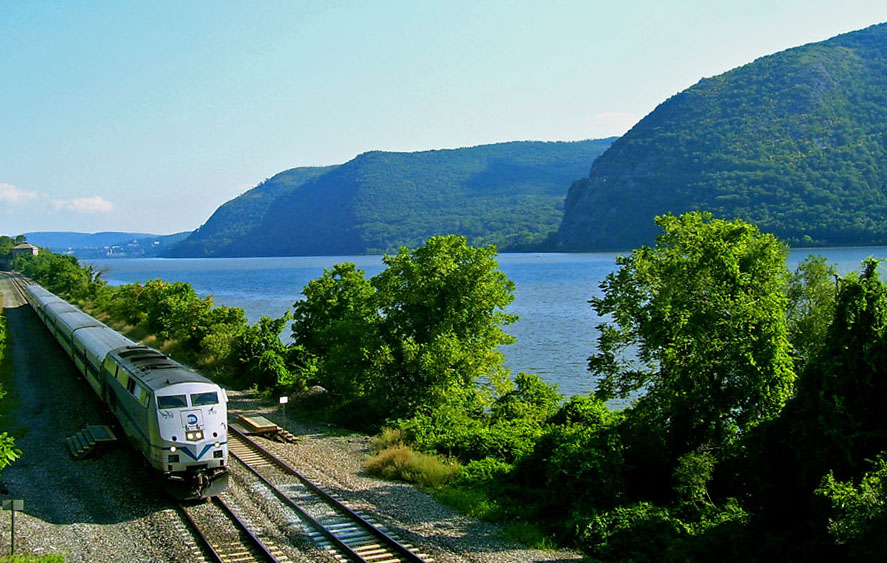

The Metro-North Hudson Line out of Grand Central is the spine of any car-free Hudson Valley wine day. Trains leave Grand Central from before dawn until late evening; the relevant ones for wine are the 9:43 (gets you to Poughkeepsie at 11:25) and the 10:43 (gets you to Poughkeepsie at 12:25). Off-peak round-trip is around $33 to Poughkeepsie. Buy it on the MTA app the night before; the queue at the kiosks on a fall Saturday is brutal.
The two stations that matter for wine are Beacon (about 1h 25m from Grand Central) and Poughkeepsie (about 1h 45m). Beacon puts you closer to Storm King and to the wineries on the west side near New Paltz; Poughkeepsie puts you on the doorstep of the Walkway Over the Hudson and within a thirty-minute drive of the Dutchess County wineries (Millbrook, Milea, Tousey area).
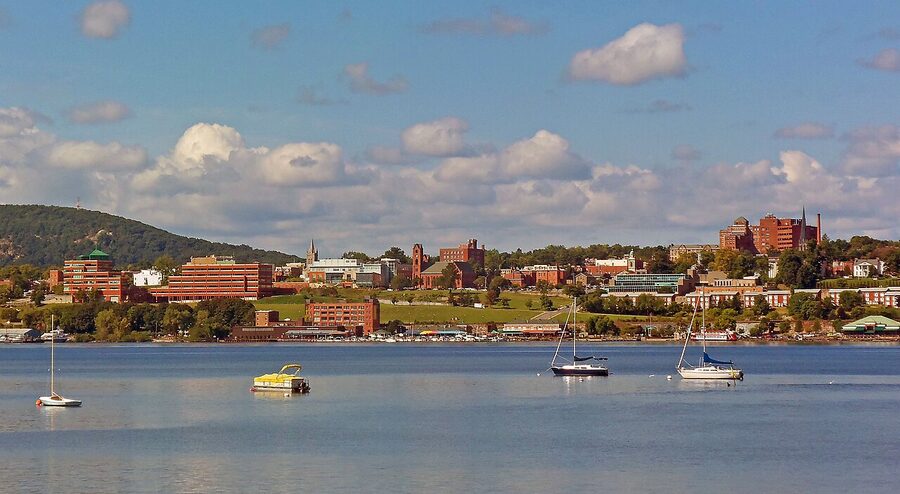

What Metro-North doesn’t do is take you all the way to the wineries themselves. The wineries are spread across two counties on either side of the river, so once you arrive you have a choice: a ride-share / taxi from the station (Uber works in Poughkeepsie and Beacon, more reliably than in the deeper countryside), or a pre-booked car. Or, the option I increasingly recommend to anyone going more than once a year, you book a tour that picks up from the station or from Manhattan and handles the driving for you. There’s also the dedicated wine-train option (Catskill Mountain Railroad runs themed wine excursions out of Kingston) which sounds romantic in principle and is mixed in practice; I cover the verdict in the Hudson Valley wine train piece.
Sample Saturday Schedule From Grand Central
| Time | Where | Notes |
|---|---|---|
| 9:43 | Depart Grand Central | Hudson Line, off-peak, sit on the right. |
| 11:25 | Arrive Poughkeepsie | Walk five minutes to the Walkway Over the Hudson elevator if the weather’s good. |
| 12:30 | First winery | Millbrook, Whitecliff, or Robibero, depending on which side of the river your driver is taking you. |
| 2:30 | Lunch + winery two | City Winery Hudson Valley if you want food on site, otherwise pack a bag and stop somewhere with a deck. |
| 4:30 | Third stop or detour | Storm King for the late afternoon light, or one more tasting room if it’s still open. |
| 6:45 | Back at Poughkeepsie | Eat at one of the river-front spots while you wait for the train. |
| 7:50 | Train south | Back at Grand Central by 9:30. Sleep on the train. |
The cleanest version of this trip is the GetYourGuide sommelier-led day tour from Midtown, which is currently the only option I know of that has an actual sommelier (rather than a driver) on the bus, and which costs around $159 per person for a nine-hour day including two private tastings, food samples, and the round-trip coach. It’s not cheap, but if you compare it to assembling the same trip yourself (Metro-North round-trip, two ride-shares, two tasting fees) you’re not far off. For the broader comparison of all five day-trip routes out of NYC (Hudson Valley by car, Hudson Valley by train, North Fork by LIRR, Hamptons by jitney, Finger Lakes weekend), the wine tours from NYC roundup ranks them side by side.
The Wineries Worth The Day
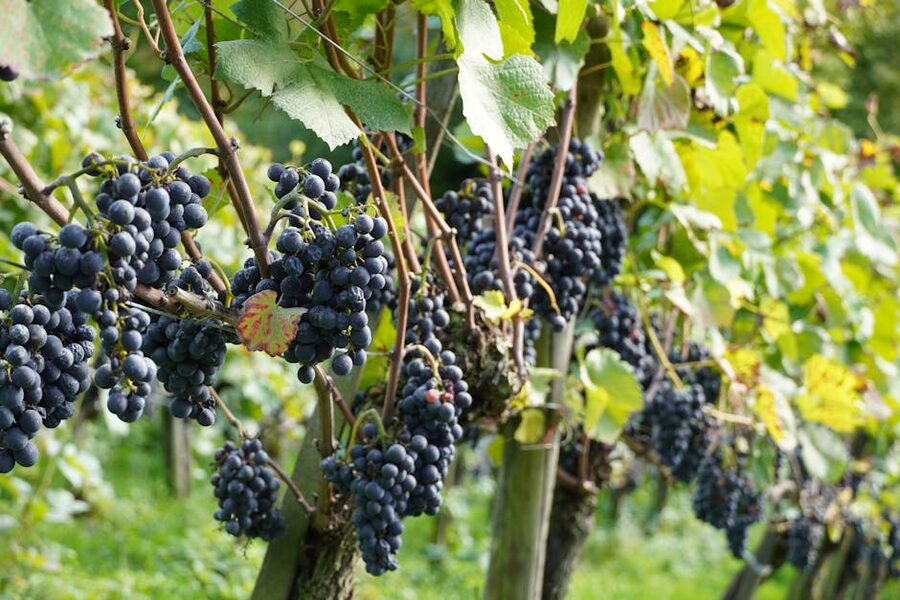
I’m not going to give you the alphabetical list of forty wineries. Those lists exist; the Hudson Valley Magazine guide is the most thorough one if you want exhaustive. What I’ll do instead is name the seven I’d actually send a friend to on a first trip, with what to drink and why. There are good ones I’ve left off, and I’ll cover those in a separate piece on the best Hudson Valley wineries (deeper picks coming in a follow-up piece) when that one’s up.
Brotherhood (Washingtonville)
The history play. You go to Brotherhood for the underground cellars, which are the oldest continuously used wine cellars in America, and for the tour, which is unironically informative. The wines themselves are uneven. The traditional sweet “Holiday” spiced wine and the May Wine are personality bottles, more interesting as artefacts than as drinking. The newer vinifera bottlings under the Cesar Baeza ownership (Cabernet Sauvignon, Riesling, Pinot Noir) are competent. Don’t go to Brotherhood expecting to be wowed by what’s in the glass; go for the basement and the 1839 story. The on-site 1839 Restaurant does a credible lunch.
Whitecliff (Gardiner)
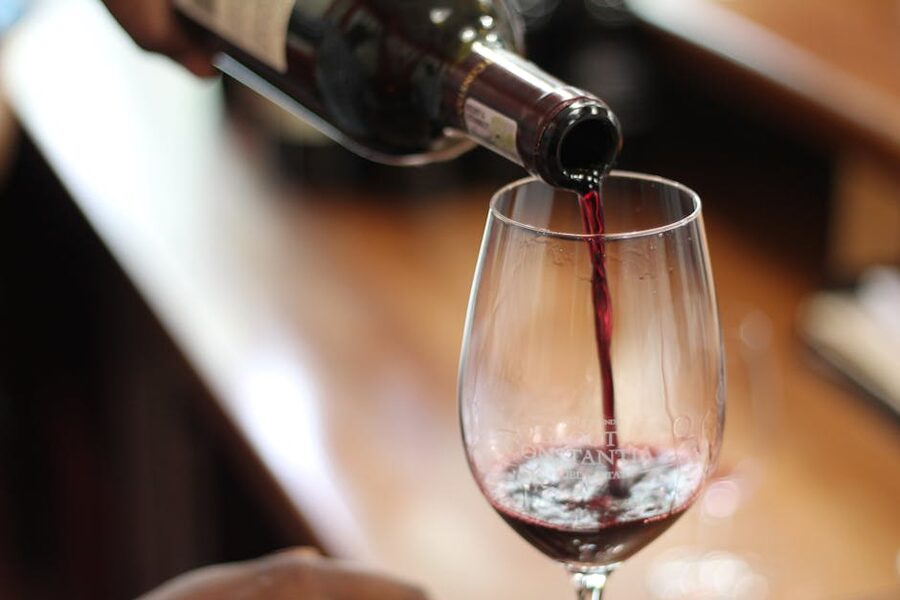
The serious-winemaking play. Whitecliff has been at it for over thirty years, the Migliore family farms over twenty grape varieties on the property, and the winery has the most complete range of wines in the region. Their Cabernet Franc is the one I’d put in front of someone who said “Hudson Valley wine isn’t real wine” to settle the argument. The Awosting White (a Seyval Blanc blend) is one of the best dry hybrid whites being made anywhere on the East Coast. Reservations on weekends. Friday afternoons are quieter.
Robibero (New Paltz)
The fun-Saturday play. Robibero is a family operation on the Shawangunk Trail, a fifteen-minute drive west of Poughkeepsie. Live music most weekend afternoons in summer, fire pits, charcuterie, a wood-fired pizza oven. The wines are good, not transcendent, with the New Yorkie Dry Rosé as the warm-weather pour and the NY Tough red blend as the autumn drink. This is the winery to go to with a group of four to six people who care about the day more than they care about the technical specs of the wine.
Millbrook Vineyards (Millbrook)
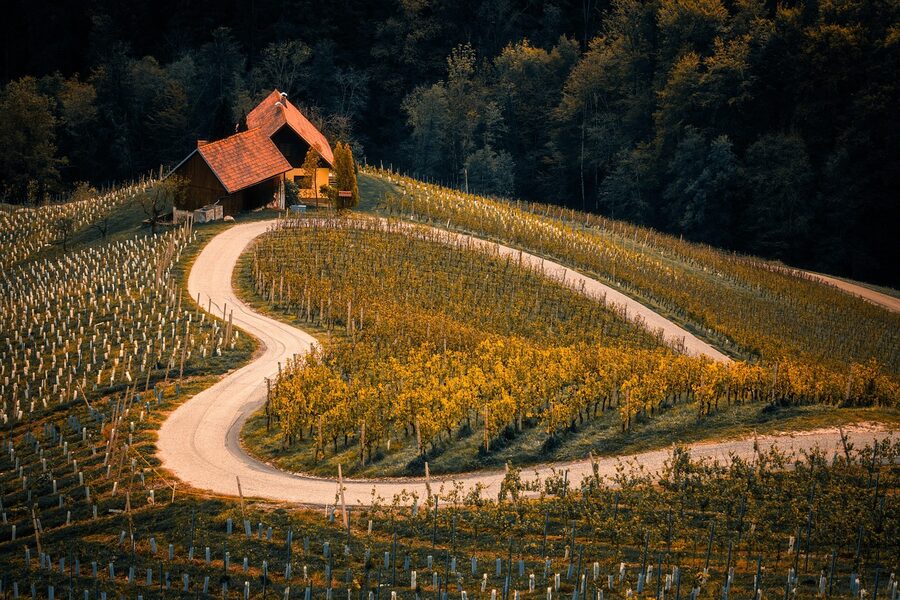
The destination winery. Millbrook’s Dutch-revival barn-style tasting room has been the best-known Hudson Valley winery for about thirty years, and Hudson Valley Magazine readers have voted it Best of for an embarrassing number of consecutive years. The Tocai Friulano is the long-running favourite (zesty, fresh, food-friendly), the Proprietor’s Reserve Cab Franc is the serious red, and the Bernie’s Blends are the celebrity-affiliated Bordeaux blends made in collaboration with the former Yankees outfielder Bernie Williams (yes, really; yes, they’re decent). Outdoor patio open from late May through early October. Mile-long walking trail through the vineyards if your legs need it.
Milea Estate (Staatsburg)
The newcomer that became a destination. Milea is the most ambitious of the new generation: 102 acres in Dutchess County, a serious cellar programme, a Korean-French Executive Chef (David Kim, ex-Momoya), a 1747 farmhouse you can stay in. The 2022 Cabernet Franc earned 92 points from Wine Enthusiast. The Hudson Heritage Seyval Blanc is doing real work as the region’s flagship dry hybrid white. Reservation is essential. This is the closest the Hudson Valley has to a Napa-style hospitality experience, for better and for worse depending on how you feel about that. Ten minutes by car from the Rhinecliff Amtrak station if you’d rather take the train past Poughkeepsie.
Fjord Vineyards (Milton)
The cult favourite. Fjord is run by Matthew Spaccarelli, whose parents own Benmarl down the road, and he is making the most precise wines in the region. The Albariño is what they’re known for and what put them on the national wine map; if you’ve never had a Hudson Valley Albariño, this is the one. The dry Riesling is also serious. The tasting room is small, the patio is the place to be on a clear day, and reservations are required for tastings (walk-ins for glasses only). Special events with oysters and lobster rolls happen on summer weekends.
City Winery Hudson Valley (Montgomery)
The lunch-plus-show play. City Winery’s Hudson Valley outpost is in a converted grist mill on the Wallkill River, with the same model as the Manhattan original: wine, food, and live music on the same site. The wines are sourced from grapes grown all over (not estate), but the Cabernet Sauvignon and Pinot Noir are perfectly drinkable, and the food (a real sit-down menu, not just charcuterie boards) raises the day above tasting-room nibbles. If you’re going on a hot summer evening, the patio with twinkling lights and concert amphitheatre is the move.
Two Trails, And Why You Only Need One
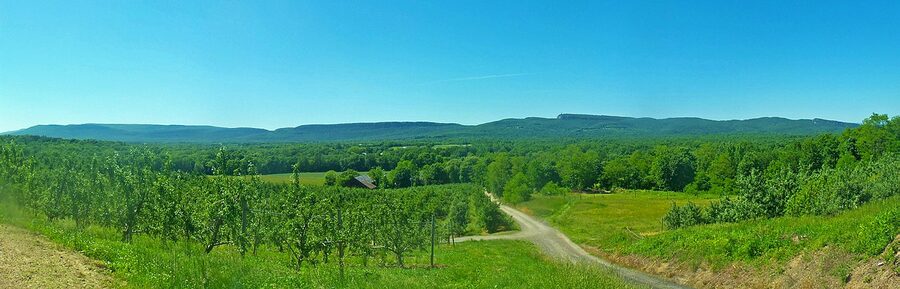

The Hudson Valley has two formally organised wine trails: the Shawangunk Wine Trail in the south, and the Hudson-Berkshire Wine Trail in the north. They are 80 and 60 miles apart respectively, and almost nobody does both on the same trip.
The Shawangunk Wine Trail runs roughly from New Paltz south through Marlboro, Pine Bush, and Warwick, hugging the eastern slope of the Shawangunk Ridge. Around fifteen wineries, ten of which are on the actual trail map, and another five that ought to be. The Wine Tasting Passport is $25 and gets you a complimentary flight at each participating winery; if you’re going to do three or more, it pays for itself in the first stop. Brotherhood, Robibero, Whitecliff, Benmarl (Marlboro), Fjord (Milton), Applewood (Warwick), Stoutridge, and Brimstone Hill are all on or just off the trail. This is the one to do as a day trip from NYC. It’s closer, denser, and easier to navigate.
The Hudson-Berkshire Wine Trail covers the wineries in northern Dutchess and Columbia counties, plus a few across the river in Massachusetts. Hudson-Chatham, Tousey, Clermont, Millbrook, Milea, Hudson Valley Wine Goddess. This is the trail to do as a weekend out of Hudson or Rhinebeck rather than as a day trip. The wineries are more spread out, the drives between them are longer, and the towns on the way (Hudson, Rhinebeck, Tivoli) are good enough that the wineries become one part of a longer trip rather than the centre of it.

For a one-day NYC trip, do Shawangunk. If you have two days, do Shawangunk on day one and the southern end of Hudson-Berkshire (Millbrook, Milea) on day two.
What Else To Do So You’re Not Just Drinking
The mistake first-time visitors make is to plan a Hudson Valley day around four winery stops. Three is enough. Two is often better. The reason is that the Hudson Valley has so much else going on that turning the day into pure tasting wastes the trip. The single best thing about doing wine here, versus doing it on Long Island or in the Finger Lakes, is the combination opportunities. Below are the four I’d build a day around.
Walkway Over the Hudson
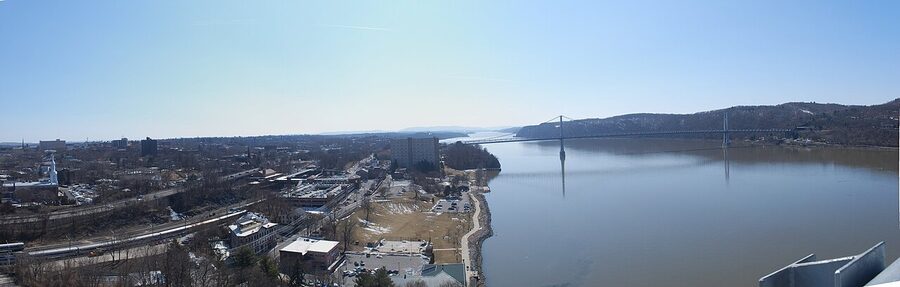

The Walkway is the easiest add-on to the day, and the best one for anyone arriving by train. It’s a former railroad bridge, opened in 1889, closed after a fire in 1974, and reopened as a pedestrian bridge in October 2009. It runs 6,768 feet (just over a mile and a quarter) from Poughkeepsie on the east side to Highland on the west, 212 feet above the river. There’s an elevator on the Poughkeepsie end that rises directly from Upper Landing Park, about a five-minute walk from the train station. Free admission. Open year-round. The view, from a height that has no equivalent anywhere else along the Hudson, is the best one of the day.
If you’re doing the wineries on the west side of the river (Shawangunk Trail), walking across the Walkway and getting picked up on the Highland side actually saves you a road crossing. If you’re doing the east-side wineries (Millbrook, Milea, Tousey), walk halfway across the bridge for the views, then come back to your car. Either way, allow forty-five minutes for the round-trip walk and the photographs.
Storm King Art Center
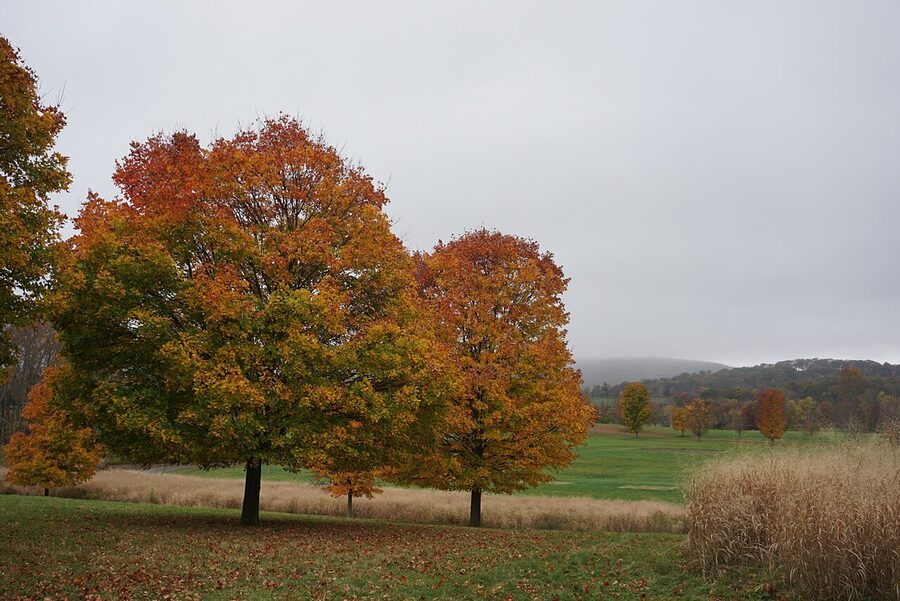

Storm King is the outdoor sculpture park in Mountainville, about an hour’s drive north from Manhattan or twenty minutes from Brotherhood Winery. Five hundred acres. Maya Lin, Mark di Suvero, Alexander Calder, Andy Goldsworthy, Richard Serra, Louise Bourgeois. It’s quietly the largest collection of contemporary outdoor sculpture in the United States, and it absolutely qualifies as one of the great cultural sites within day-trip distance of New York. Admission is around $25 in the high season. Open Wednesday through Monday, April through November. Closed Tuesdays and in the dead of winter. Tram tours run on weekends.
The combination of two morning winery tastings followed by an afternoon at Storm King is the best version of a Hudson Valley day I’ve ever planned for visiting friends. The art is genuinely good, the walking sobers everyone up, and the late-afternoon light on the di Suveros in the south fields is the photograph you’ll be sending people for the next year. Public transit access is via Salisbury Mills-Cornwall on the Port Jervis Line (NJ Transit out of Hoboken or Penn Station), but for a wine day, the practical access is by car or driver from one of the wineries on the way.
Vanderbilt Mansion
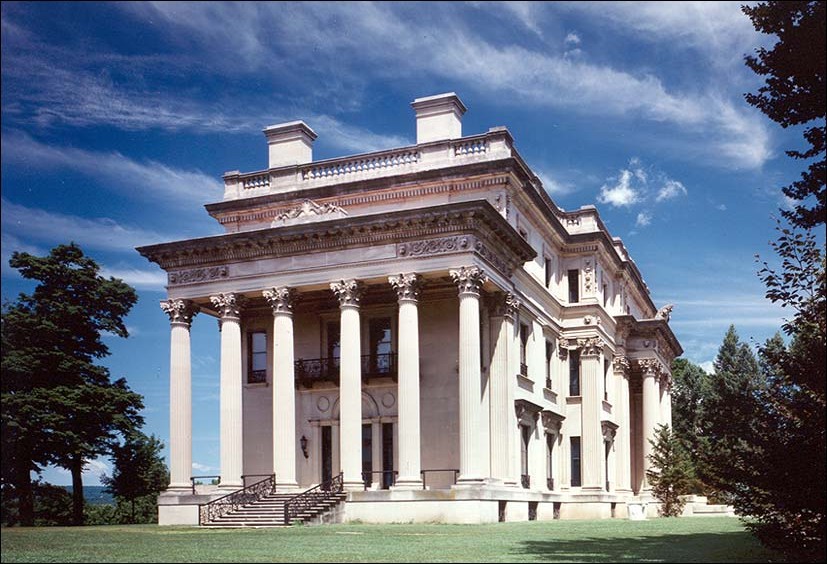

Frederick W. Vanderbilt’s country house, built between 1896 and 1899 by McKim, Mead & White, is fifteen minutes north of Poughkeepsie in Hyde Park, and is one of the most underrated National Park Service sites in the country. The house itself is a Beaux-Arts pile of Italian marble, French furniture, and Vanderbilt-era opulence; the grounds are 211 acres of gardens and Hudson River views, freely walkable. The house tour is around $15 and worth it; the grounds alone are free. The site is on the same road as Franklin D. Roosevelt’s home and presidential library, which you can do back-to-back if you have the energy, and a few minutes north of the Culinary Institute of America (which does open lunches at its student-run restaurants if you can book ahead).
For a Hudson Valley wine day, I’d pair Vanderbilt with one of the Dutchess County wineries (Millbrook or Milea) on a Sunday rather than a Saturday: weekend Sunday hours at the wineries are usually shorter, and you can do a longer morning at the house and gardens, then one tasting in the afternoon, and head south by 5pm.
Cold Spring
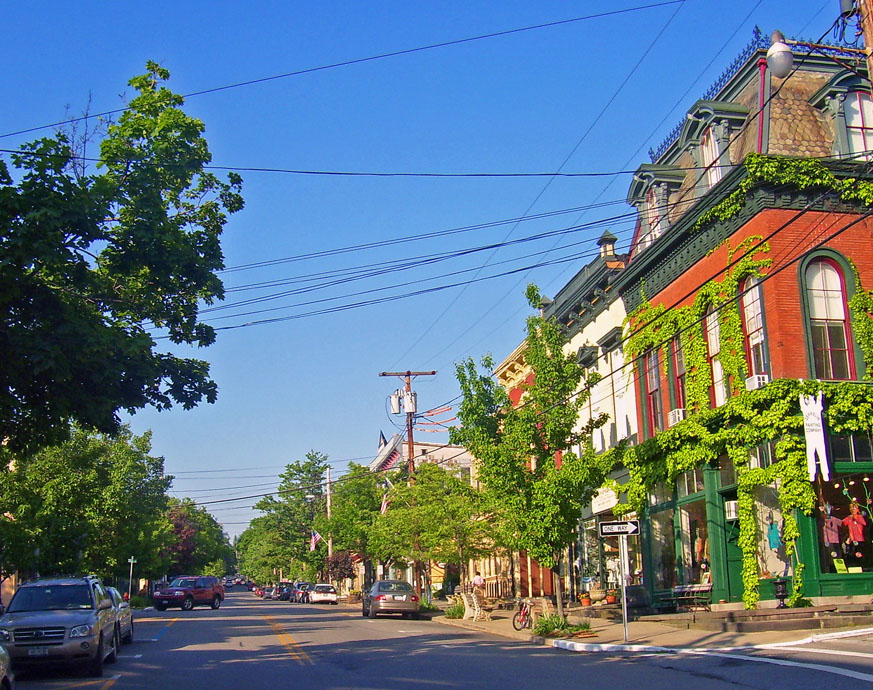

Cold Spring is a Victorian-era riverfront village, an hour and ten minutes from Grand Central by Metro-North, with Main Street running three blocks down to a tiny dock on the Hudson. The whole village is walkable in fifteen minutes. There are no wineries in Cold Spring itself, but there’s an outpost of Brotherhood’s tasting room (it shifts location occasionally; check before going), excellent food at Hudson Hil’s and Riverview, and the trailhead for Breakneck Ridge a mile up the road if anyone in the group wants to do a real hike before the wine.
The case for Cold Spring on a wine day is as a base. Take the 9:43 from Grand Central, get off at Cold Spring at 11:00, eat a long lunch with a view of the river, walk for an hour, then catch a pre-booked car or shuttle west to Robibero or Whitecliff for an afternoon tasting, then loop back through Cold Spring for an early dinner before the 7:30 train south. This is the version of the trip that doesn’t try to do four wineries and three attractions in one day, and it’s the version that converts the most first-timers into people who will do this trip every September.
Booking Cost: Tours, Drivers, And DIY
The honest comparison most other sites won’t lay out: what does it actually cost to do a Hudson Valley wine day from NYC, and which option is right for which kind of trip?
| Option | What’s included | Time | Per-person cost (group of 4) | Best for |
|---|---|---|---|---|
| GYG Sommelier Tour | Round-trip coach from Midtown, 2 wineries, private tastings, food samples, sommelier guide, gratuities | 9 hrs | $159 | Solo travellers, couples, anyone who wants the wine education |
| Viator NYC HV Wine + Food | Round-trip from Midtown, 2 wineries, food and wine pairings, group of up to 16 | 9 hrs | ~$170 | Same as above, smaller group |
| Viator HV Vineyard Experience | Local Hudson Valley vineyard tour, single property, no NYC pickup | 2-3 hrs | ~$70 | Anyone who has their own car or train + ride-share to a winery and wants the deeper estate tour |
| Private car / black-car service | SUV with driver, 8-10 hours from Manhattan, 6 passengers | 10 hrs | $180-220 (split 6 ways) | Groups of 4-6, full flexibility on which wineries |
| DIY: Metro-North + ride-shares | Off-peak round-trip ($33), 4 ride-share legs (~$60), 2 tasting fees ($25) | 8-9 hrs | $120 | Solo / couple, planners, anyone who’s done it before |
| Rental car from NYC | Car rental for the day ($90), gas/tolls ($30), parking, tasting fees ($25) | 11 hrs (incl. NYC traffic each way) | $160 (split 4 ways) | Sober drivers only; not the move if everyone wants to drink |
My honest verdict: for a first trip with a friend or partner, take the GYG sommelier tour. You’ll learn more about the Hudson Valley wine scene in nine hours with a real sommelier than you would in three trips on your own, and the price difference once you’ve added up the rideshares is small. For a group of four to six who want flexibility (and don’t mind one designated sober person, or who want a black-car driver), the private car is the move. The DIY Metro-North day works once you know the region and have your driver lined up, but on a first trip the logistics will eat your day.
The Two-Day Version, Or: Why Not Just Sleep Over
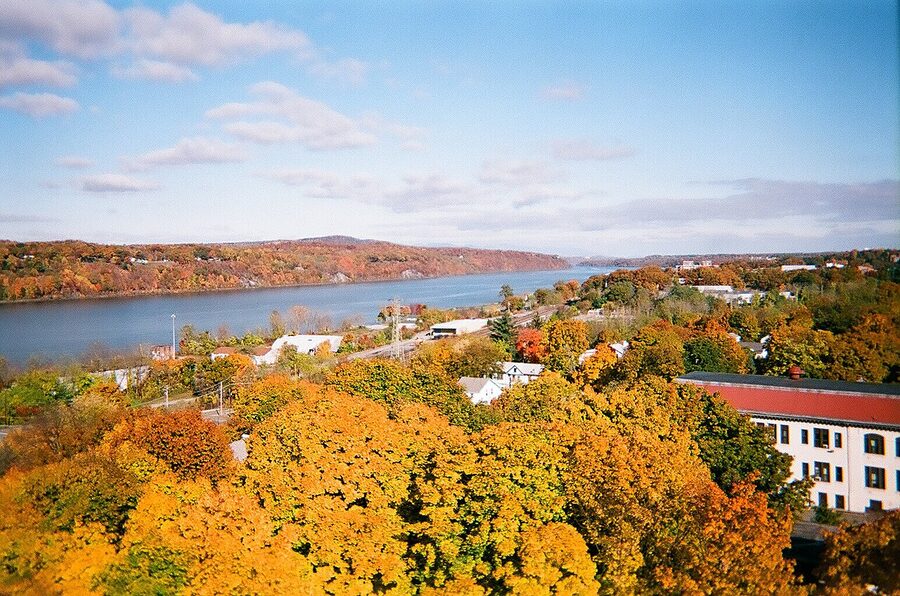


The day-trip version of the Hudson Valley is good. The weekend version is better. Here’s the case.
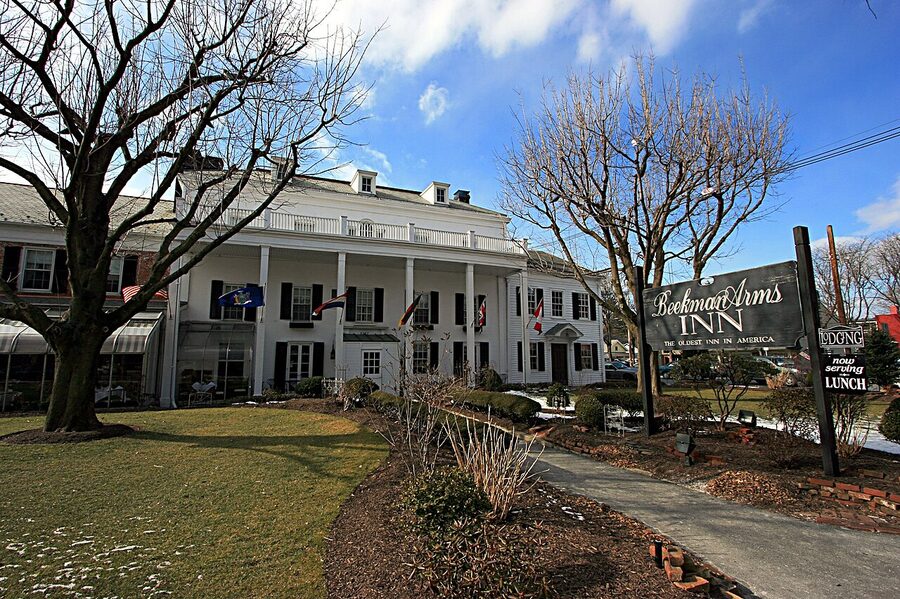
You stop pretending you can fit four wineries, the Walkway, Storm King, and an early dinner into nine hours. You take the train Friday evening to either Beacon, Cold Spring, or Rhinebeck. You sleep at the Beekman Arms in Rhinebeck (1766; the country’s oldest continuously operating inn, around $250 a night for a weekend room with breakfast), or at the Pig Hill Inn in Cold Spring, or at a riverfront B&B in Beacon. Saturday you do two south wineries plus Storm King in the morning, then an early dinner in Cold Spring. Sunday you do Vanderbilt Mansion, Millbrook for a tasting, and the train back from Poughkeepsie at 5pm.
The cost is roughly double the day trip and the experience is about four times as good. If this is a special-occasion thing, do the weekend. If you live here and you want a regular escape valve, the Saturday day-trip is the muscle to build.
| Where to stay | Town | Why | Booking |
|---|---|---|---|
| Beekman Arms | Rhinebeck | The 1766 inn, central to the northern wineries, walkable Rhinebeck village | Check rates |
| Roundhouse Beacon | Beacon | Stylish converted mill on Fishkill Creek, walking distance to Dia:Beacon | Check rates |
| Hotel Dylan | Woodstock | Mid-century roadside motel with character, fifteen min from the Shawangunk wineries | Check rates |
| Mohonk Mountain House | New Paltz | Victorian lake resort on the Shawangunk ridge; expensive but iconic | Check rates |
| Milea Estate Cottage | Staatsburg | 1747 farmhouse on the Milea property; sleep at the winery itself | Check rates |
When To Go
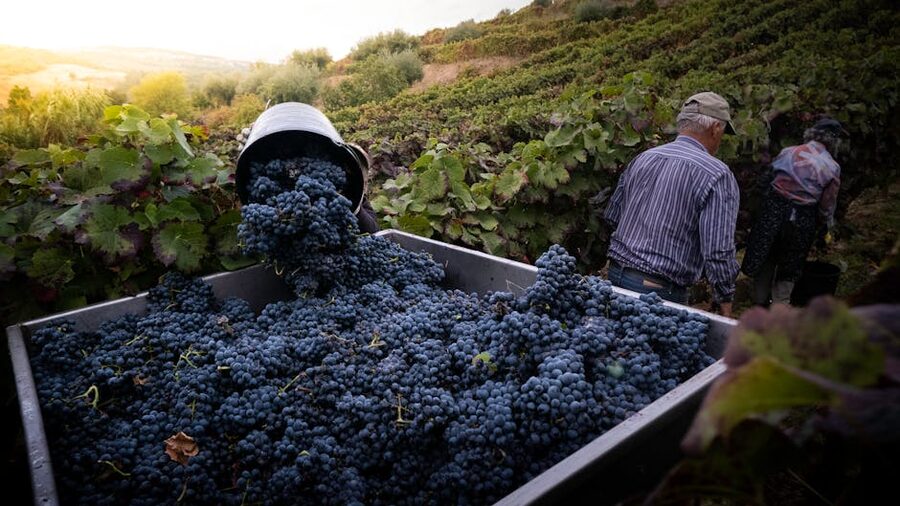
Late September through the third week of October is the peak. Harvest is happening, the foliage is turning, the wineries have new releases on the bar, and every weekend has some festival or special tasting on. The downside is that everyone else has the same idea; tasting rooms get crowded, the train is full of leaf-peepers, and the better wineries (Whitecliff, Fjord, Milea) require reservations weeks ahead.
Late spring (mid-May through June) is the underrated time. The vines are leafing out, the patios are open, the temperature is right for sitting outside, and you can walk into most tasting rooms without a reservation. Summer is fine, but afternoons in the Hudson Valley get hotter and stickier than they do in Manhattan, and the tasting rooms rely more on AC than they do on outdoor patios. November through April is too quiet for first-timers; many wineries reduce hours, some close entirely. If you go in winter, call ahead.
Avoid the Sunday after a Saturday Yankees-Red Sox or Mets-Phillies, when every group of bachelor party men in the metropolitan area suddenly decides Hudson Valley wine is a brilliant idea. Avoid the Saturday of the Walkway Marathon (October) unless you want to see runners in vineyards, which is admittedly entertaining for about ten minutes.
Hudson Valley Wine vs Long Island Wine vs Finger Lakes
The honest comparison, since this is the question I get most often from people deciding where in NY to spend their wine weekend.
Long Island is the place for serious Bordeaux-style reds. The North Fork has the longest growing season of the three, the soils are sandy enough to drain Cabernet Franc and Merlot to ripeness, and the top wineries (Bedell, Macari, Paumanok, Lieb) are making wines that compete with anything from the East Coast. It’s also the easiest to reach by train (LIRR straight from Penn) and has the best dedicated wine-country infrastructure (B&Bs, restaurants, tour operators). I cover the full North Fork playbook in the Long Island Wine Tours guide and the 12 best North Fork wineries; the Hamptons day-out is the South Fork alternative if you want beach plus wine in the same trip.
The Finger Lakes is the place for cool-climate whites. Riesling is the headline; the best examples (Wiemer, Konstantin Frank, Forge Cellars) are world-class, and the prices are still wildly low for the quality. Cabernet Franc, Pinot Noir, and Chardonnay are also making serious progress. The catch is distance: it’s a four-and-a-half-hour drive from Manhattan, so the Finger Lakes is a weekend or a long-weekend trip, never a day. Start with the Finger Lakes pillar guide, the Seneca Lake Wine Trail (the highest-volume trail), the quieter Cayuga Wine Trail, the Keuka Lake Wine Trail for the historical cradle of US wine, or the Canandaigua loop if you’re coming in from Rochester. If you’re already up there for Cornell or for an Ithaca weekend, the Ithaca wine tours piece is the half-day version.
The Hudson Valley is the place for the day trip. Easiest to reach, oldest continuous winemaking, best combination opportunities with non-wine attractions (Storm King, Walkway, Vanderbilt). The wines aren’t quite at the consistent peak that the best Long Island reds or best Finger Lakes whites hit; the wineries that are pushing hardest (Whitecliff, Milea, Fjord) are doing real work, but the ceiling for any given Hudson Valley bottle is still slightly below Long Island or Finger Lakes. The trade-off is the day-trip access and the pairing with everything else the Lower Hudson has going on.
If your goal is to drink the best NY wine: do Long Island weekend or Finger Lakes weekend. If your goal is to have a great day in the country with wine as one of three or four reasons: do the Hudson Valley.
One More Note On The Train
The reason I keep coming back to the Metro-North angle is that it’s the difference between a stressful day and a relaxing one. You don’t drive home from the Hudson Valley with three glasses of wine in you; you sleep on a train that gets you to Grand Central by 9:30pm with the East River already lit up. You don’t worry about parking at Storm King or at the wineries; you walk on and walk off. You don’t pay $90 for a rental car you barely use. The off-peak round-trip from Grand Central to Poughkeepsie is around $33; the equivalent Hudson Line off-peak return is the cheapest practical way to do this trip from any of the five boroughs.
Get a window seat on the right side going north, on the left side going south. Buy your ticket on the MTA app the night before. Bring a book for the run from 125th to Croton-Harmon (the river starts at Yonkers but the views start around Tarrytown). And budget an extra forty-five minutes for the Walkway on the Poughkeepsie end, even if you weren’t planning to do it. You’ll regret skipping the bridge.
The first time you do a Hudson Valley wine day right, you stop wondering why so many New Yorkers spend their weekends going east to the Hamptons or staying in the city, when the country is sitting an hour and a half up the Hudson Line waiting for you.
 Travel TipsFall Foliage in the Finger Lakes: When and WhereIf you have driven south on Route 414 in the second-to-last week of October, you already know what this article…
 Wine RegionsSheldrake Point: Cayuga Lake’s Lakefront Tasting RoomThe first time I drove down County Road 153 to Sheldrake Point, I missed the turn. You come around a…
 Travel TipsThings to Do in Canandaigua, NY: A Wine-Country TownYou drove down from Rochester for the gardens. That was the plan. Sonnenberg in the morning, lunch somewhere on Main…