
Reviewed · TOURS
Brooklyn Distillery Tour
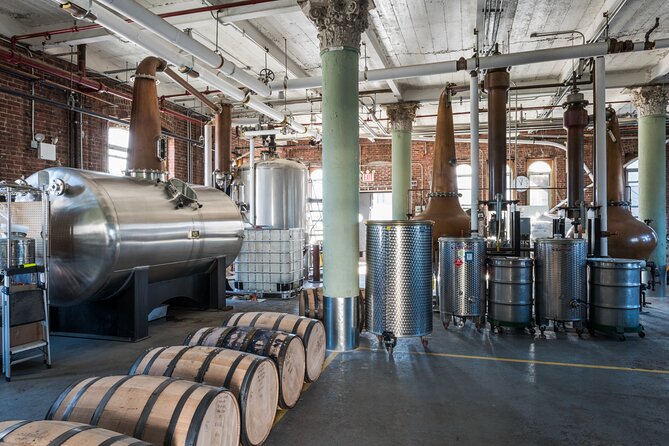
Kings County Distillery puts the whole whiskey process in front of you, from grain and mash to fermentation, pot distillation, and oak aging. I like the chance to see the working distillery floor, then step into the barrel room and learn about the angel’s share, the spirit that slowly disappears as whiskey matures.
I also like that the tour ends with four core product tastings, giving you a useful way to compare the distillery’s work instead of sampling only one pour. Guide Brenden receives especially warm praise for making the visit fun and engaging. The main drawback is the short format: at about 45 minutes to one hour, this is a focused introduction, not a long spirits seminar.
In This Review
- Key points to know before booking
- Why Kings County Distillery makes a good Brooklyn stop
- The distillery floor: where whiskey begins
- The barrel room and the angel’s share
- Four core products in the closing tasting
- Is the one-hour format enough?
- What the $21.78 price gives you
- Who will enjoy this experience most?
- Practical planning for 299 Sands Street
- How this visit compares with a standard tasting
- Should you book the Brooklyn Distillery Tour?
- FAQ
- Where does the Brooklyn Distillery Tour meet?
- Where does the tour end?
- How long does the tour last?
- What is included in the tasting?
- How much does the tour cost?
- How many people can join the tour?
- Can I cancel for a full refund?
Key points to know before booking
- The tour covers the full production chain: You learn how mashing, fermentation, pot distillation, and barrel aging shape the final whiskey.
- Four tastings are included: The visit finishes with four of Kings County Distillery’s core products.
- The barrel room adds real atmosphere: You see where oak gives the spirit its color and deeper flavors while some alcohol evaporates.
- Brenden is a guide to hope for: His name is singled out for creating a great time and explaining the whiskey clearly.
- The visit takes about an hour: Plan for a compact experience rather than a half-day distillery visit.
- The group can reach 30 people: That is manageable, but the size may affect how much personal attention you receive.
Why Kings County Distillery makes a good Brooklyn stop
This is not a generic bar tasting. Kings County Distillery gives you a look at how whiskey is made, in the same place where the spirit is produced. That matters because the flavor in your glass becomes easier to understand when you have seen the steps that created it.
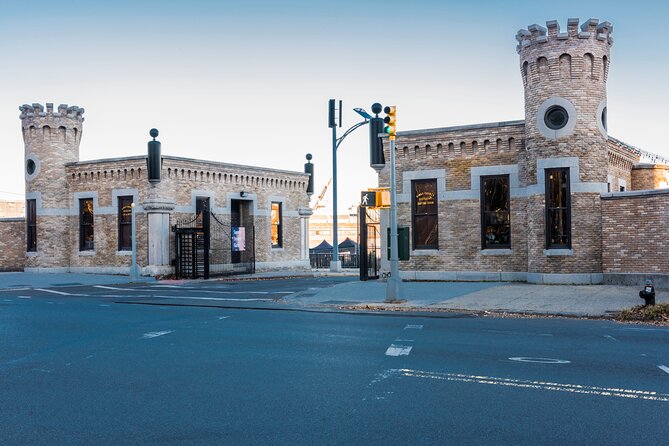
The distillery is described as New York City’s oldest whiskey distillery since Prohibition. That gives the visit a useful connection to the city’s past, but the real appeal is practical: you are not only hearing about whiskey in the abstract. You are standing on the distillery floor and seeing the equipment and working spaces tied to the process.
I like tours that explain both the craft and the reason behind it. Here, the focus on mashing, fermentation, pot distillation, and oak aging gives you a clear framework. You do not need a strong whiskey background to follow along, and you leave with more than a list of tasting notes.
The address is 299 Sands Street, Brooklyn, and the activity ends back at that same meeting point. The location is near public transportation, which makes it easier to add this visit to a Brooklyn day without arranging a special ride.
A few more Brooklyn tours and experiences worth a look
The distillery floor: where whiskey begins
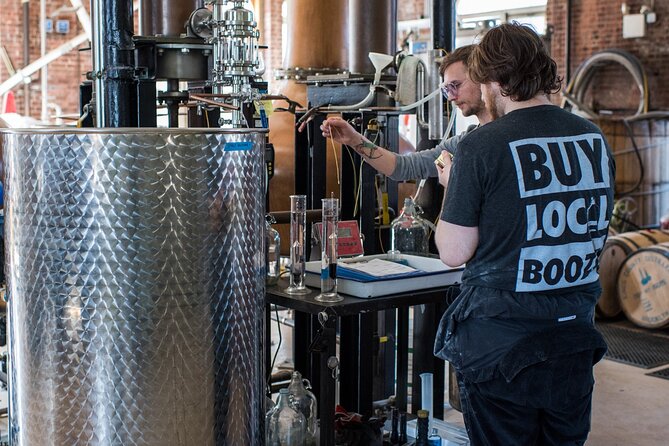
The tour starts with the production side of the business. You learn about mashing, the stage where ingredients are prepared for fermentation, and then move into the role of yeast and time in creating alcohol.
The supplied details do not specify the exact grains, mash bills, equipment brands, or production volumes, so you should not expect a technical factory inspection with every measurement laid out. What you can expect is a guided explanation of the main stages and how each one affects the spirit.
That broad approach works well for first-time whiskey drinkers. Mashing and fermentation can sound like dry science when explained in a book, but they make more sense when you are standing inside a distillery and connecting the process to the final drink.
The pot distillation section is another strong part of the visit. The guide explains how the spirit is distilled and how that process helps shape its character. I appreciate that the tour includes the science without treating the visit like a chemistry lecture.
If you already know whiskey production in detail, you may find this part familiar. For most people, though, the short explanation should provide a useful foundation before the tasting begins.
The barrel room and the angel’s share
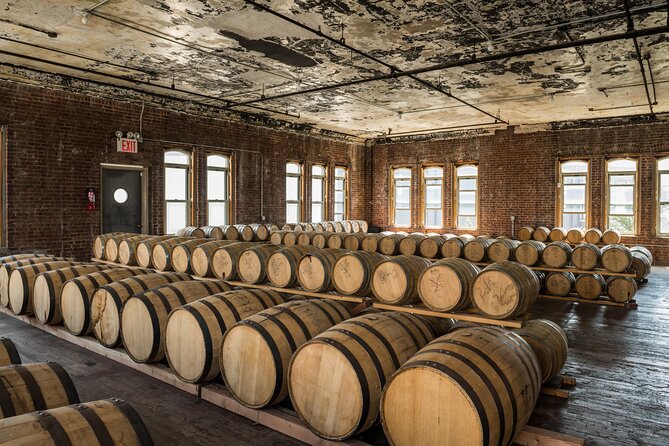
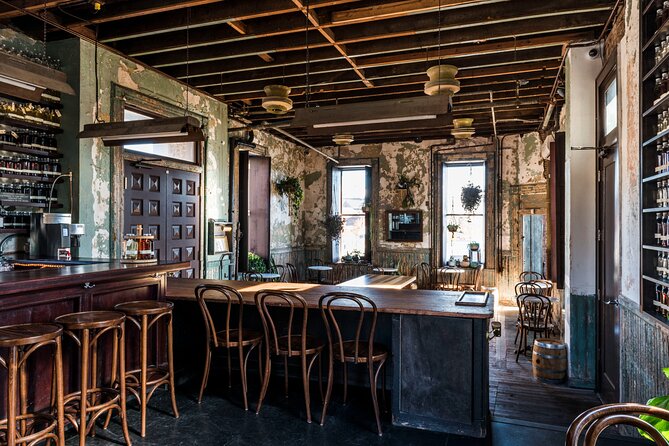
The barrel room is the tour’s most atmospheric stop. Here you learn how whiskey changes while it rests in oak. The spirit picks up color from the wood and develops deeper flavors over time.
You also hear about the angel’s share, the portion of spirit that evaporates from the barrel as the whiskey matures. It is a small phrase with a memorable idea behind it. Some of the product disappears, but the remaining whiskey changes in ways that affect its smell, taste, and appearance.
This stop helps explain why whiskey is not simply clear distilled alcohol poured into a bottle. Oak aging adds another stage of work. The spirit interacts with the barrel, and the final character depends on what happens during that period.
The details do not state how long the whiskey is aged or how many barrels you will see. Keep that in mind if you are looking for a highly technical aging presentation. Still, the barrel room gives the tour a strong visual finish before the tasting and makes the four samples easier to assess.
Four core products in the closing tasting
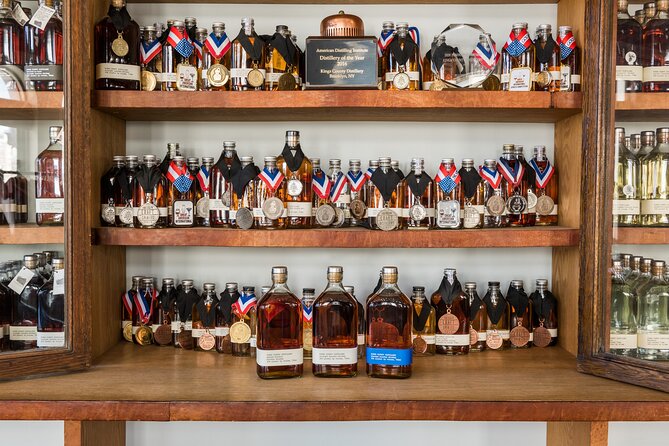
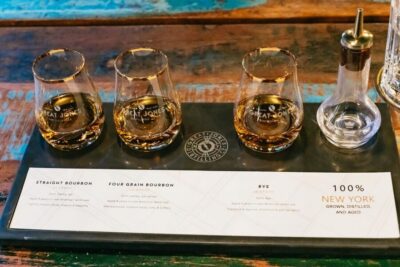
The tasting is included in the ticket and ends the visit. You receive four of Kings County Distillery’s core products, giving you several examples of the house style and production choices.
The available information does not name the four products, and it does not specify the pour sizes or whether the samples can be substituted. I would treat this as a guided introduction rather than a full cocktail or bar session.
Four samples are enough to make the tasting useful. You can compare the drinks after learning how they were made, then think about the effect of distillation and oak. Even if you are new to whiskey, the earlier tour gives you a few simple questions to consider: Is the spirit light or bold? How much oak do you notice? Does the flavor seem smooth, spicy, sweet, or dry?
You do not need to arrive as a whiskey expert. The best value here comes from pairing the explanation with the tasting. A bottle or pour can seem mysterious when you know nothing about its production. After the tour, you have a basic map for understanding what is in the glass.
Guide quality matters during a tasting, and Brenden receives particularly strong praise for being a great guide and creating a good time. Since guide assignments can vary, I would not assume he will lead every departure. If he is your guide, expect a friendly, lively visit based on the available feedback.
Is the one-hour format enough?
The tour is listed as lasting from 45 minutes to one hour, with the itinerary described as one hour. That makes it easy to fit into a larger Brooklyn plan. You can build a morning or afternoon around it without giving up half a day.
The short length also keeps the visit from becoming tiring. You get the main production story, a look at the barrel room, and four tastings. For someone who wants a first look at whiskey-making, that is a sensible amount of time.
The tradeoff is depth. You will not have unlimited time for long questions, detailed production comparisons, or an extended tasting discussion. The group may include up to 30 people, so the guide’s time must be shared. A smaller group could feel more personal, while a full group may make it harder to ask several individual questions.
I would arrive ready to listen closely and ask your most important question when there is an opening. If your main goal is to see how whiskey is made and sample several spirits, the format should suit you. If you want a specialist course in distillation, barrel management, or whiskey blending, you may find the hour too brief.
A few more Brooklyn tours and experiences worth a look
What the $21.78 price gives you
At $21.78 per person, the value is fairly clear. Your ticket covers a guided distillery visit and four core product tastings. You are paying for access to the production setting, the explanation of the process, and the chance to taste several spirits in context.
That is a better proposition than paying for four unrelated drinks at a bar, especially if you want to understand how the products are made. The tour also gives you a Brooklyn activity with a specific local identity rather than a general sightseeing stop.
Value depends on what you want from a tasting. If you mainly want a large number of drinks, this may not be the right choice. If you want a short educational visit with samples at the end, the price is reasonable.
The average booking lead time is nine days, which suggests you should not leave it until the last minute if your Brooklyn schedule is fixed. The group limit of 30 is another reason to reserve ahead, particularly for a popular date.
Who will enjoy this experience most?
I would recommend this tour to adults who are curious about whiskey, visitors who enjoy food and drink production, and anyone looking for a compact Brooklyn activity. It works especially well for first-time distillery visitors because the process is presented in a clear order.
It is also a good fit for a mixed group. A serious whiskey fan can focus on the production details, while a casual drinker can simply enjoy seeing the distillery and tasting four products. The tour does not require you to arrive with specialist knowledge.
People who want a long, relaxed tasting may need to adjust their expectations. The experience lasts about an hour, and the tasting comes at the end. It is a guided visit with samples, not an open-ended afternoon at a whiskey bar.
Most people can participate, and service animals are allowed. The activity is near public transportation. The supplied information does not provide more specific details about stairs, seating, or other mobility needs, so you should contact the provider if you need those details before booking.
Practical planning for 299 Sands Street
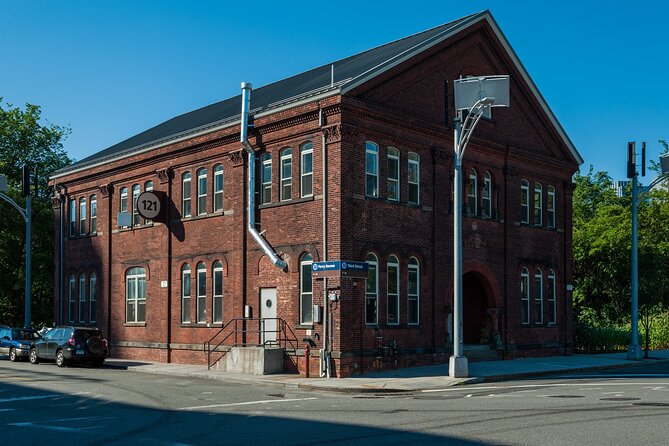
The meeting point is 299 Sands St, Brooklyn, NY 11205. The tour ends at the same location, so you do not need to arrange a separate return point or coordinate a pickup elsewhere.
A mobile ticket is provided, which keeps check-in simple. Confirmation arrives when you book. I would still allow enough time to reach the address and find the meeting point without rushing, since the visit is short and missing the opening explanation would weaken the rest of the tour.
The experience requires good weather. That may seem surprising for a distillery visit, but it is an important booking condition. If poor weather causes a cancellation, you are offered another date or a full refund.
You can cancel for a full refund up to 24 hours before the start time. Cancellations or changes made less than 24 hours ahead are not accepted for a refund, and the cut-off follows local time. That makes the tour flexible for an early change of plans, but not for a last-minute decision.
How this visit compares with a standard tasting
A standard tasting usually begins with a drink. This one begins with production. That order is the main reason I find it worthwhile.
You first learn how the spirit is made, then see where it changes in oak, and only after that taste four core products. The structure gives you a way to connect flavor with method. You may not become a whiskey expert in one hour, but you should leave with a better sense of what distillation and barrel aging contribute.
The visit also has a stronger sense of place than a tasting room alone. You are at a Brooklyn distillery with a long connection to New York City whiskey production. The working floor and barrel room make the experience feel tied to the product rather than separated from it.
Still, do not expect every part of the craft to receive equal time. The short schedule means the guide must keep moving. If you want detailed information about recipes, barrel ages, or the full product range, check with the provider before booking, since those details are not included here.
Should you book the Brooklyn Distillery Tour?
Book it if you want a short, well-priced introduction to whiskey-making with four tastings at the end. The tour covers the key stages, includes the barrel room, and takes place at a historic Brooklyn distillery rather than in a generic tasting venue.
I would be especially comfortable recommending it to first-time distillery visitors and anyone building a food-and-drink day in Brooklyn. Brenden’s warm guide feedback is a welcome sign, though the guide for your departure may differ.
Skip it if you want a long tasting, a highly technical production class, or a full afternoon devoted to spirits. For everyone else, the $21.78 ticket, one-hour schedule, mobile entry, and included four-product tasting make this a practical choice.
FAQ
Where does the Brooklyn Distillery Tour meet?
The tour begins at Kings County Distillery, located at 299 Sands St, Brooklyn, NY 11205, USA.
Where does the tour end?
The activity ends back at the meeting point at 299 Sands Street.
How long does the tour last?
The experience lasts approximately 45 minutes to one hour. The itinerary describes the visit as one hour.
What is included in the tasting?
The tour ends with a tasting of four of Kings County Distillery’s core products.
How much does the tour cost?
The listed price is $21.78 per person.
How many people can join the tour?
The activity can have a maximum of 30 participants.
Can I cancel for a full refund?
Yes. You can cancel at least 24 hours before the start time for a full refund. Cancellations and changes made less than 24 hours before the start time are not accepted for a refund. If poor weather causes the experience to be canceled, you are offered a different date or a full refund.
More Distillery & Whiskey Tours in Brooklyn
More Brooklyn Tours in Brooklyn
More tours in Brooklyn we've reviewed
Tours, compared.
 ★ 5.0Mattituck New York Guided Farm and Wine Country Bike TourFrom $139
 ★ 4.5Underground Brooklyn Walking Brewery TourFrom $993 hours 30 minutes (approx.)
 ★ 4.8NYC: Long Island Sommelier-Guided Wine Tasting TourFrom $1599 hours
 ★ 4.7NYC: Tour and Tasting at Brooklyn WineryFrom $451 hour
 ★ 4.8New York City: Guided Brooklyn Craft Brewery TourFrom $993h 30m
 ★ 5.0Private Guided Wine Country Bike Tour in MattituckFrom $199
 ★ 4.6NYC: Manhattan’s Only Whiskey Distillery Tour and TastingFrom $421 hour
 ★ 4.5New York City Private Vintage Car Tour and Wine TastingFrom $1592 hours (approx.)