
Reviewed · WINERY VISITS & TASTINGS
NYC: Tour and Tasting at Brooklyn Winery
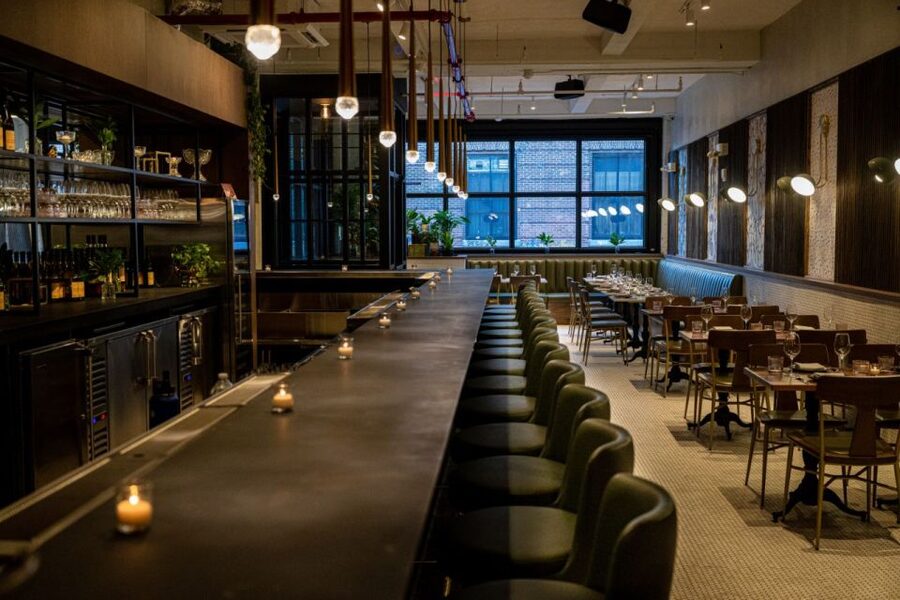
Brooklyn Winery turns wine tasting into a look behind the scenes. In one hour, you taste five wines made in Williamsburg while learning how grapes become the finished bottle, from fermentation through the final pour. It is a compact introduction to urban winemaking, not a long country-estate tour.
I like the chance to taste five different wines and compare them while the process is still fresh in your mind. I also like that the experience takes place inside a real working winery, then leaves you free to order food, keep exploring Williamsburg, or buy a bottle for home.
The main drawback is the short one-hour format. One session was held in a noisy bar area when part of the winery was affected by flooding, so the amount of production space you see may depend on the day’s conditions.
In This Review
- Key points at a glance
- Entering Brooklyn Winery in Williamsburg
- What happens during the one-hour tour
- Tasting five Brooklyn-made wines
- Seeing wine production in an active city setting
- Staying for food and wine pairings
- Is $45 a fair price?
- Buying Brooklyn wine as a souvenir
- Who will enjoy this experience most?
- Planning the rest of your Williamsburg visit
- Should you book Brooklyn Winery?
- FAQ
- How long does the Brooklyn Winery tour last?
- How many wines are included?
- Is the wine made at the winery?
- What does the tour explain?
- What language is the tour offered in?
- Is the experience wheelchair accessible?
- What identification should you bring?
- Can people under 21 join?
- Is food included in the $45 price?
- Can I cancel the booking?
Key points at a glance
- Five wines made in Brooklyn: Compare several local varietals during a guided tasting.
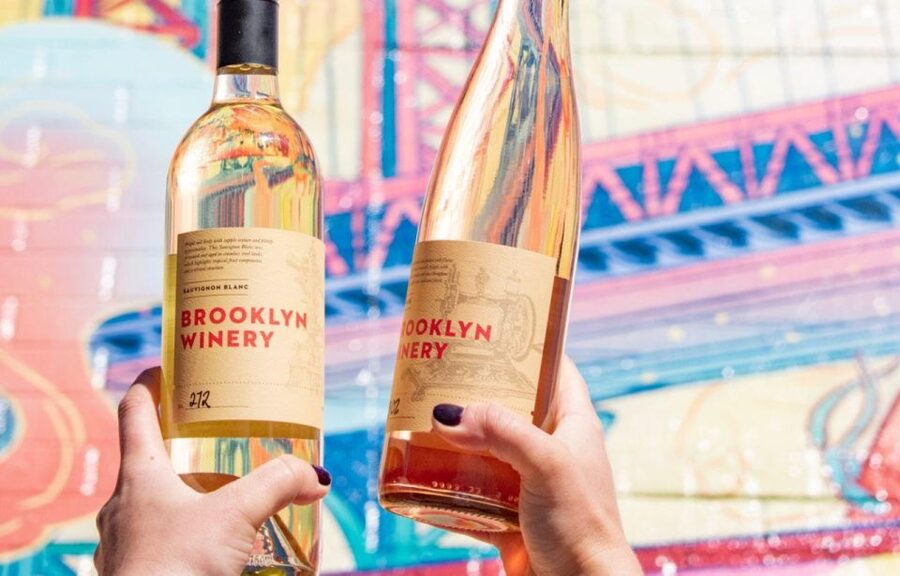
- A working winery in Williamsburg: Learn about grape handling, fermentation, and finished wine in an active production setting.
- Guides who keep the group involved: Kirsten and Max have both led sessions praised for their clear explanations and easy style.
- Food and more wine afterward: Stay for pairings, including the Chef’s Whim with fruit, cheese, meat, and other accompaniments.
- A quick, flexible stop: The tour lasts one hour and fits neatly into a day spent around Williamsburg.
- Good practical flexibility: You can cancel up to 24 hours ahead, reserve now, and pay later.
Entering Brooklyn Winery in Williamsburg
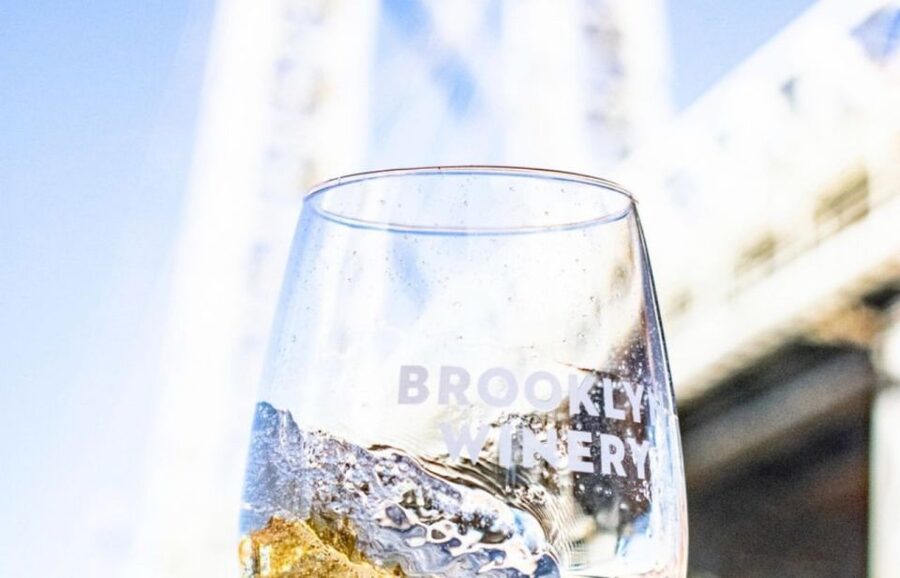
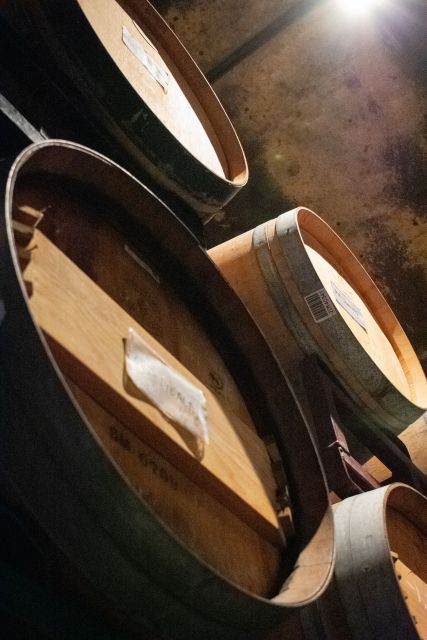
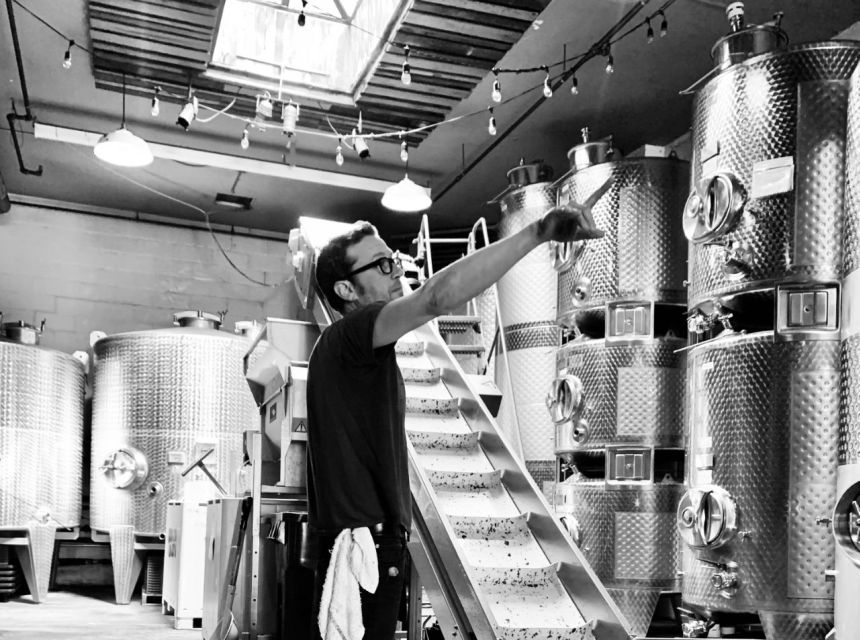
Brooklyn Winery sits in Williamsburg, a part of Brooklyn known for its restaurants, bars, shops, and creative energy. That setting matters. You are not leaving New York for a rural vineyard. Instead, you are seeing how winemaking works in a city neighborhood where production, dining, and social life share the same address.
The attraction is the winery itself. This is a full working operation, so the tour aims to show more than a row of bottles and a tasting counter. Your English-speaking wine educator explains how wine moves from grape to fermentation to finished product, and why wine has held a place at shared meals and gatherings for centuries.
The exact balance between tour and tasting can vary with conditions inside the venue. A flood affected one session, pushing the discussion into the bar area while a beer garden created extra noise. If seeing production equipment is your top priority, keep this possibility in mind. The experience remains useful as a guided tasting, but the setting may not always be quiet or fully open for inspection.
A few more New York City tours and experiences worth a look

What happens during the one-hour tour
The experience is short enough to fit before dinner or between other Williamsburg plans. You begin with an introduction to Brooklyn Winery and the basic stages of winemaking. The educator then connects those steps to the wines in front of you.
Expect the discussion to cover grapes, fermentation, varietals, and the finished product. You are not simply handed five glasses and left to guess what you are tasting. The point is to give you a better way to notice aroma, flavor, balance, and the qualities that separate one wine from another.
The session is led in English. Kirsten has been praised for a friendly teaching style and even added a special treat to one tasting. Max has also led an entertaining session that kept the group involved and helped participants understand what to look for in a wine. Since guides can change, treat those names as examples rather than a guarantee of who will lead your visit.
The tour’s one-hour length is both a strength and a limit. You can fit it into a busy New York schedule, and the pace should suit anyone who wants a clear introduction rather than a full afternoon course. If you already know a great deal about wine, you may wish it lasted longer. The tasting and explanation have to share a tight block of time.
Tasting five Brooklyn-made wines
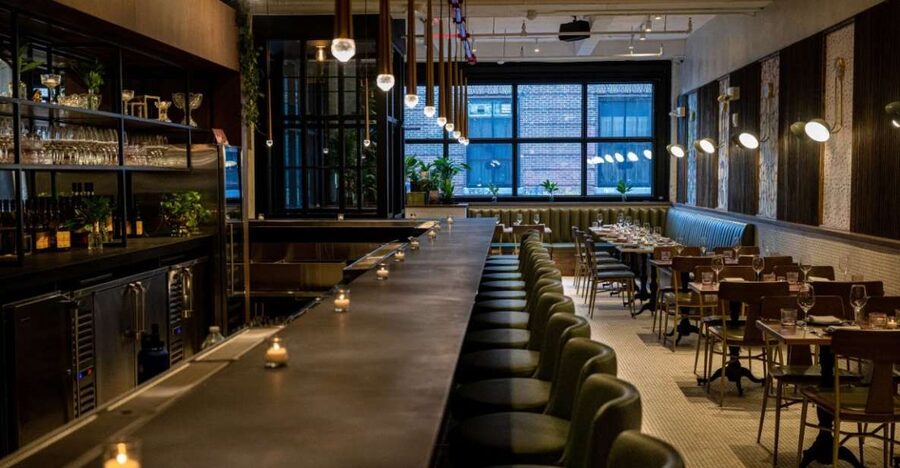
The core of the visit is the tasting of five wines crafted locally in Brooklyn. Sampling several wines in one sitting gives you a useful point of comparison. You can pay attention to how different varietals taste, how fermentation affects the final drink, and which styles suit your own preferences.
This is a guided tasting, not just a drink with a lecture attached. The educator helps you understand what to look for, which is especially helpful if wine language usually feels vague or overly formal. You can use the same basic approach later in a restaurant or shop: notice the smell, taste the wine slowly, and consider how the flavor changes as you drink it.
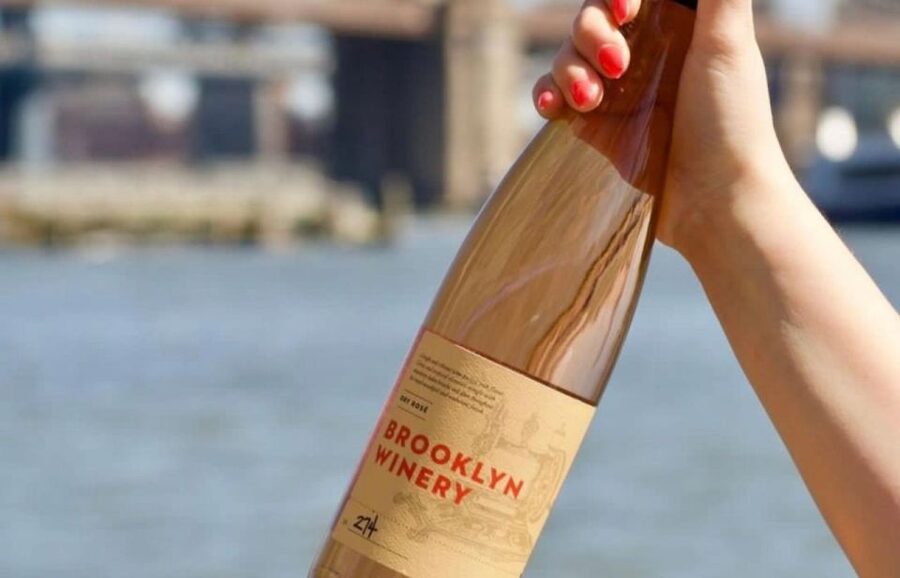
The local setting also gives the tasting a clear identity. These wines are made in Brooklyn, so the experience connects the bottle to the city around you. You are not visiting a vineyard, and you should not expect acres of vines or a rural view. The appeal is urban production: wine made in a city and served where it is produced.
A tasting of five wines can be enough for a first look without becoming an endurance test. Still, pace yourself. The tour is only an hour, and tasting five wines in a short period can feel quick if you want to study every glass. Ask questions as you go, since the educational discussion is part of what gives the tasting its value.
Seeing wine production in an active city setting
The most interesting idea here is that wine does not need to be made far from a major city. Brooklyn Winery places the making, teaching, and drinking of wine in one urban venue. That can make the process feel more real than a standard tasting room, since you are learning about a product while standing near the work behind it.
The route and amount of production space visible can vary. On a normal visit, you should expect an explanation of the stages used to make wine and a look at the winery environment. However, a working venue is not a museum display. Operations, repairs, weather, or special events can affect where the discussion happens.
Noise is the clearest practical concern. The winery includes a bar and restaurant, and the wider venue may have active areas such as a beer garden. One reported session moved into the bar after flooding limited access to the production area. That does not make the tour a poor choice, but it means you should not book it expecting a silent classroom or a guaranteed, detailed walk through every work area.
Staying for food and wine pairings
After the tour, you can leave and continue around Williamsburg, or stay inside the winery for food and more wine. This flexibility is useful because the one-hour tour does not try to cover the entire visit. You decide if you want a quick educational stop or a longer meal built around the tasting.
The restaurant offers foods intended to pair with the wines. A particularly flexible option is the Chef’s Whim, an in-the-moment plate that can include fruit, cheeses, meats, and accompanying items selected to work with the wine. Since it is a changing creation, you should not expect a fixed menu of exact ingredients.
The pairing option adds value if you are already planning to eat. You get the tour, five pours, and the chance to continue the subject at the table instead of ending the experience as soon as the guide finishes. If you are watching your spending, remember that the $45 price covers the winery tour, five-wine tasting, and wine education, not a meal or additional drinks.
There is also a practical reason to consider staying. After comparing five wines, you have a better sense of what kinds of food work with them. You can make your meal part of the lesson rather than treating the restaurant as a separate stop.
A few more New York City tours and experiences worth a look


Is $45 a fair price?
At $45 per person, this is reasonably priced for a short guided tasting in New York, provided you value the instruction as much as the wine. The price includes entry to the winery tour, five wines, and an educational discussion. That is more useful than paying only for a flight of wines if you want to understand what is in your glass.
The value is strongest for curious beginners and casual wine drinkers. You are getting a structured way to taste local wine, plus an explanation of the production steps. The educator-led format can help you notice things you might miss during an unstaffed tasting.
The value is less clear if you want a long technical tour or a full meal included. The experience lasts one hour, and the food, extra beverages, and any bottles you buy afterward cost more. Experienced wine students may find the session too brief, particularly if the group has many questions.
The option to reserve now and pay later helps if your New York schedule is still shifting. Free cancellation up to 24 hours before the start also gives you some protection. You still need to check the available start times before booking, since the tour runs at set times rather than whenever you happen to walk in.
Buying Brooklyn wine as a souvenir
You can purchase wines after the tasting, either as a gift or as a reminder of your time in Williamsburg. This is one of the better reasons to taste before buying. Instead of choosing a bottle by its label alone, you can remember which styles appealed to you.
A bottle also makes a practical souvenir for someone interested in New York food and drink. It is more connected to the place than a generic gift shop item, and the winery setting gives you a story to tell when you open it.
Keep your purchase plans realistic. The activity information confirms that wines are available to buy, but it does not specify which bottles will be in stock, how they are packaged, or whether shipping is offered. If you are flying, check your own baggage and transport rules before buying.
Who will enjoy this experience most?
I would choose this tour for a couple, a small group of friends, or a solo visitor who likes food, drink, and city neighborhoods. It works well as a pre-dinner activity because the formal portion takes only an hour and the restaurant gives you the option to continue afterward.
It also suits people who have tasted wine before but want more confidence. The guide’s job is to explain what to look for, not to test you. You can ask basic questions without needing a technical background.
This is not suitable for anyone under 21 or for pregnant women. You must bring a passport or ID card, and the experience is offered in English. The venue is wheelchair accessible, which makes it a practical option for visitors who need an accessible setting.
I would be more cautious about booking it for someone who wants a quiet, highly detailed production tour. The venue can be noisy, and the one-hour schedule leaves limited time for a long look at equipment or an extended technical discussion.
Planning the rest of your Williamsburg visit
The winery works best as one part of a Williamsburg day. Before or after the tasting, you can spend time in the neighborhood, then return for food and another glass if you choose. The activity does not require you to dedicate half a day to one venue.
Plan your timing with care. The tour has a fixed duration and starting time, so allow enough room to arrive before the session begins. If you want the restaurant, Chef’s Whim, or extra wine afterward, do not schedule your next activity immediately after the one-hour finish.
Because this is a working venue with dining and social areas, the mood may be lively rather than hushed. That can be part of the appeal for a New York evening, but it may distract from the guide’s explanations. If clear audio matters to you, consider contacting the provider before booking to ask about current venue conditions.
Should you book Brooklyn Winery?
Book it if you want a short, city-based wine experience with five local wines, clear instruction, and the option to stay for food. The strongest part is the combination of tasting and education. Guides such as Kirsten and Max have shown that the session can be friendly, informative, and easy to follow.
Skip it if you want vineyards, countryside views, or a long technical tour. Also think twice if noise would spoil the occasion, since the winery’s bar and event spaces can affect the setting.
For most visitors, $45 is fair when you treat this as both a tasting and a lesson. It is a smart Williamsburg stop for anyone who wants to understand wine a little better without giving up an entire afternoon.
FAQ
How long does the Brooklyn Winery tour last?
The tour lasts one hour.
How many wines are included?
You taste five wines made locally at Brooklyn Winery.
Is the wine made at the winery?
Yes. Brooklyn Winery is described as a full working winery, and the wines are crafted on site in Brooklyn.
What does the tour explain?
The wine educator discusses the process from grape to fermentation to finished product, along with varietals and wine tasting.
What language is the tour offered in?
The tour is offered in English with a live English-speaking guide.
Is the experience wheelchair accessible?
Yes, the activity is wheelchair accessible.
What identification should you bring?
Bring a passport or ID card.
Can people under 21 join?
No. The experience is not suitable for people under 21.
Is food included in the $45 price?
No food is listed as included. After the tour, you can choose food and drinks from the winery restaurant, including the Chef’s Whim pairing option.
Can I cancel the booking?
Yes. You can cancel up to 24 hours in advance for a full refund. You can also reserve now and pay later.
More Wine Tours in New York City

More Winery Visits & Tastings in New York City
More Brooklyn Tours in New York City
More tours in New York City we've reviewed




Winery Visits & Tastings, compared.
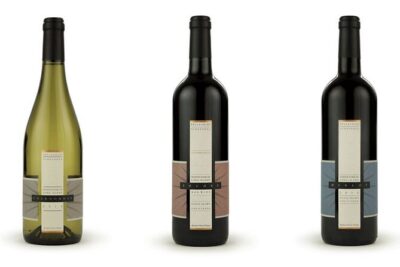 ★ 4.5Long Island Wine and Food Day Trip with Sommelier host from NYCFrom $1489 hours (approx.)
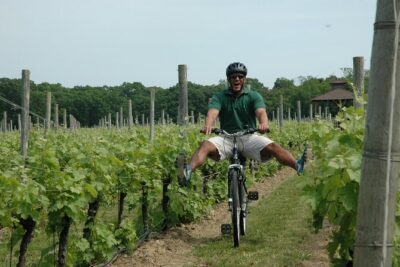 ★ 5.0Mattituck New York Guided Farm and Wine Country Bike TourFrom $139
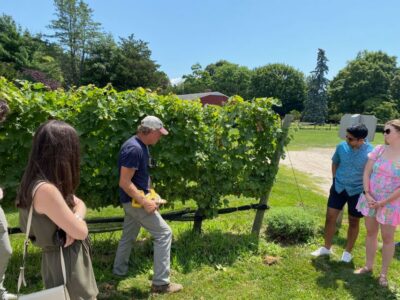 ★ 4.8NYC: Long Island Sommelier-Guided Wine Tasting TourFrom $1599 hours
 ★ 5.0Private Guided Wine Country Bike Tour in MattituckFrom $199
 ★ 4.5New York City Private Vintage Car Tour and Wine TastingFrom $1592 hours (approx.)
 ★ 5.0Mattituck Bike Wine Country and Fruit Orchard TourFrom $141
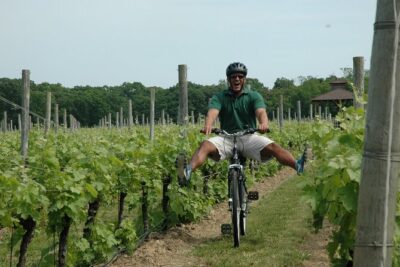 ★ 5.0Guided Farm and Wine Country Bike Tour in Mattituck NYFrom $132
 ★ 4.5The Hamptons and Long Island Wineries Private TourFrom $1,29912 hours (approx.)
The lists this tour appears in