
Konstantin Frank washed dishes in a New York City restaurant for two years before anyone in American wine took him seriously. He had a PhD in viticulture from Odessa, spoke nine languages, and had spent years managing a state vineyard in Soviet Georgia where the winters bottomed out at minus twenty Celsius. He arrived in the US in 1951 with no English, the wrong shoes, and a thesis that said the European wine grape, Vitis vinifera, could grow in cold places if you grafted it onto the right rootstock. American experts had been telling each other for three hundred years that this was impossible. Frank thought they were wrong.
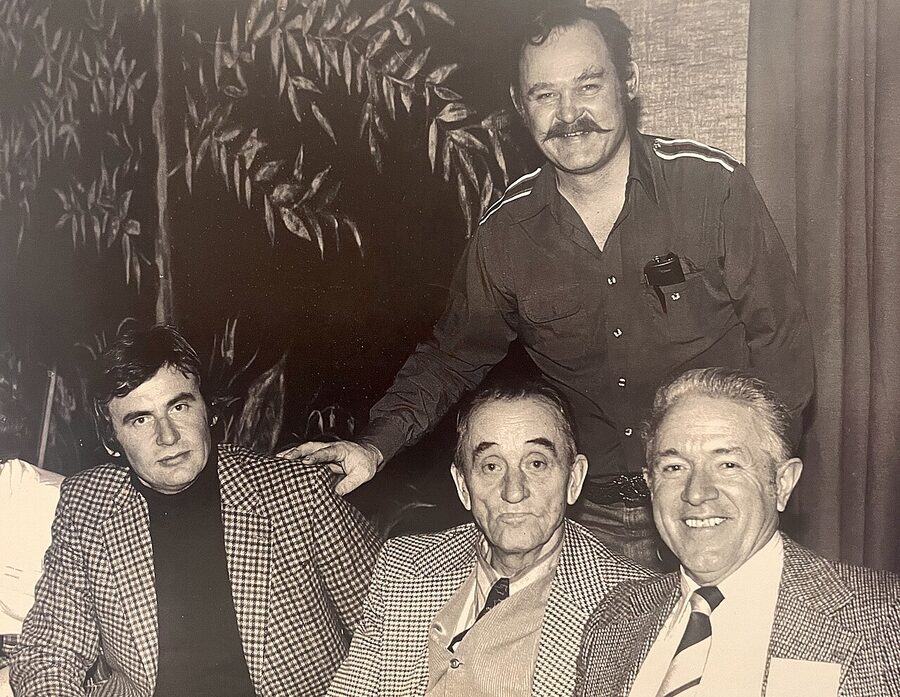

By 1958 he had bought a sloping plot on the west arm of Keuka Lake, six miles from Hammondsport. By 1962 he had released his first vintage, a Trockenbeerenauslese Riesling. By the late seventies the entire Eastern US wine industry was quietly copying his vineyard, and so was a generation of cool-climate winemakers from Maryland to Massachusetts. Today his great-granddaughter Meaghan runs the place. The wines are better than they have ever been, and the tasting room has been named the best winery tour in America four years running by USA Today readers. Here is what you actually need to know to plan a visit.
In a Hurry?
Two ways to do it without overthinking it:
- Book a Signature Seated Tasting direct ($18 per person): the cheapest way in, a real seated tasting with a wine educator, and the room with the view. Reserve through the winery; there is no Viator or GetYourGuide listing for Dr. Frank specifically.
- Crush Beer & Wine Tours, Keuka loop ($150–$220 per person): if you want a driver, a 4-winery itinerary that almost always includes Dr. Frank, and door-to-door pickup from your B&B. Crush is one of the only operators with a dedicated Keuka tour.
In This Article
- Where it is, and how to get there
- What Konstantin actually did, and why it mattered
- Four generations, one winery
- The tasting experiences, and what they actually cost
- What to actually drink
- Chateau Frank, the sparkling sibling
- Featured tour: book direct, not through a third party
- Logistics: reservations, kids, dogs, accessibility
- Combining Dr. Frank with other Keuka stops
- If you want a driver: the Keuka tour operators that actually visit Dr. Frank
- Where to stay near the winery
- When to go
- What it costs in total: a realistic day budget
- Skip Dr. Frank if
- The thing nobody quite says out loud
Where it is, and how to get there
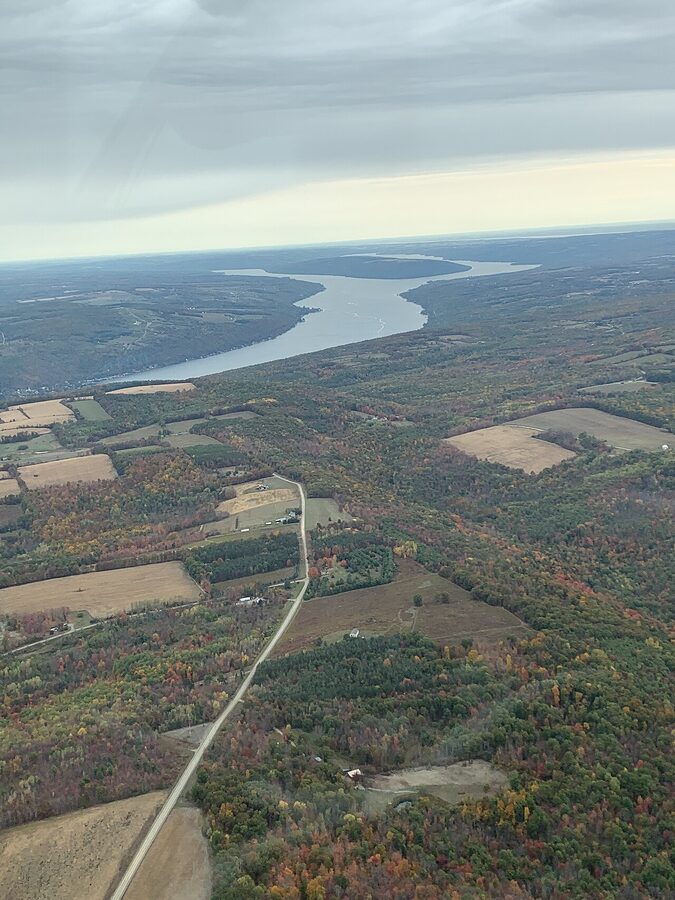

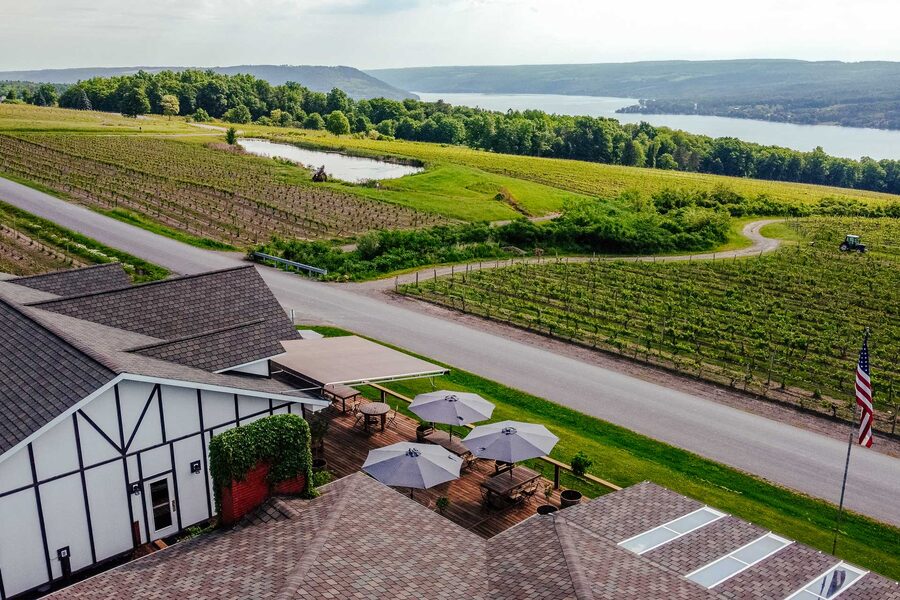
Dr. Konstantin Frank Winery sits at 9749 Middle Road, on the west side of Keuka Lake, about fifteen minutes north of Hammondsport. The road is narrow and slow and that is the point. You wind up out of the village, past Pleasant Valley Wine Co. (the historic operation in the valley below), past Bully Hill, and the lake keeps appearing on your right. The driveway turns left up the hill, and you arrive at a low building with a deck that looks straight east across the water.
From Hammondsport itself it is six miles. From Watkins Glen, the south end of Seneca Lake, it is forty minutes by road. From Geneva at the north end of Seneca, it is just under an hour. From Rochester it is a clean ninety minutes south. From New York City you are looking at four and a half to five hours by car, which is why almost everyone who comes from Manhattan stays at least one night, usually two.
There is no train and no bus that goes here. The nearest decent airport is Rochester (90 min), and Elmira/Corning is closer (45 min) but has fewer flights. If you are flying in for a wine weekend, Rochester is the call.
What Konstantin actually did, and why it mattered
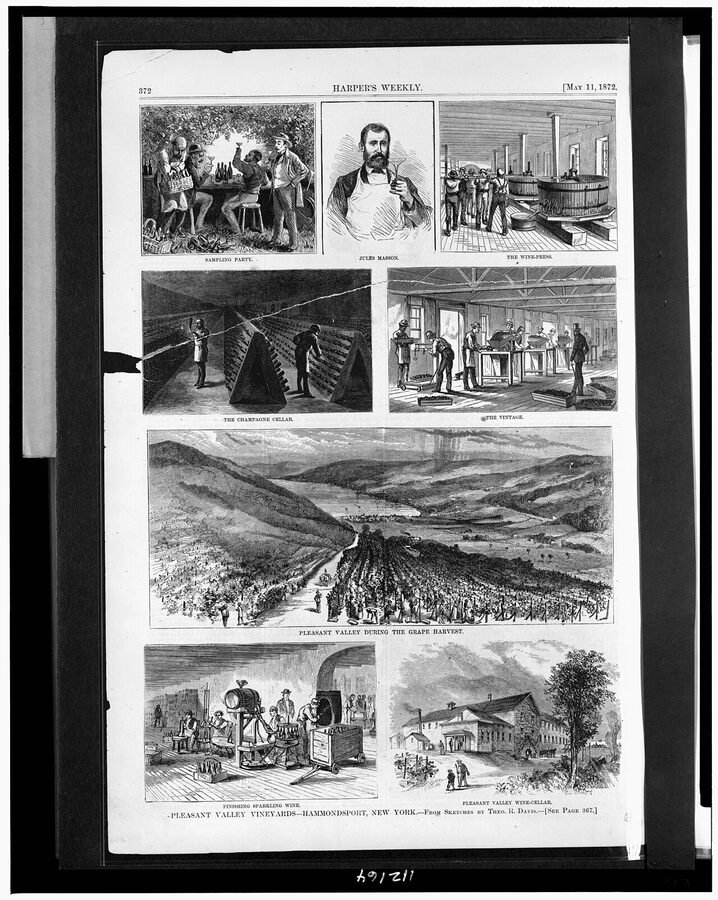

It is easy to underestimate what this man pulled off. By the time he arrived in the Finger Lakes in 1953, working at Cornell’s Geneva Experiment Station, the region had been growing wine for over a century. But it had been growing the wrong wine. Pleasant Valley Wine Co. was bottling sparkling Catawba in Hammondsport in 1860. Bully Hill had hybrid plantings going back generations. The American assumption was a hard one: vinifera could not survive an Upstate winter, full stop. So the entire industry was committed to native grapes that produced wines kindly described as “rustic.” Less kindly, they tasted like grape juice and wet fur.
Konstantin had grown vinifera at minus twenty in Ukraine. He knew the trick was rootstock. Native American vines had evolved alongside phylloxera, the root louse that nearly wiped out European wine in the 1880s. If you grafted a vinifera scion onto a labrusca rootstock, the European top half got the cold-hardiness it needed and the louse-resistance it didn’t know it needed. He had already proven this in Soviet Georgia. He just needed somebody to let him try it on US soil.
Cornell would not. Charles Fournier, the French-trained winemaker at Gold Seal across the lake, would. Fournier hired Frank as a viticulture consultant, gave him acres to play with, and the experiment took. By the late 1950s Frank had Riesling, Chardonnay, and Pinot Noir vines surviving Keuka winters and producing serious fruit. In 1958 he bought his own land. In 1962 the first Konstantin Frank vintage hit the market. Wine writers in New York lost their composure. The rest of the industry quietly tore out their hybrids and replanted.
Four generations, one winery
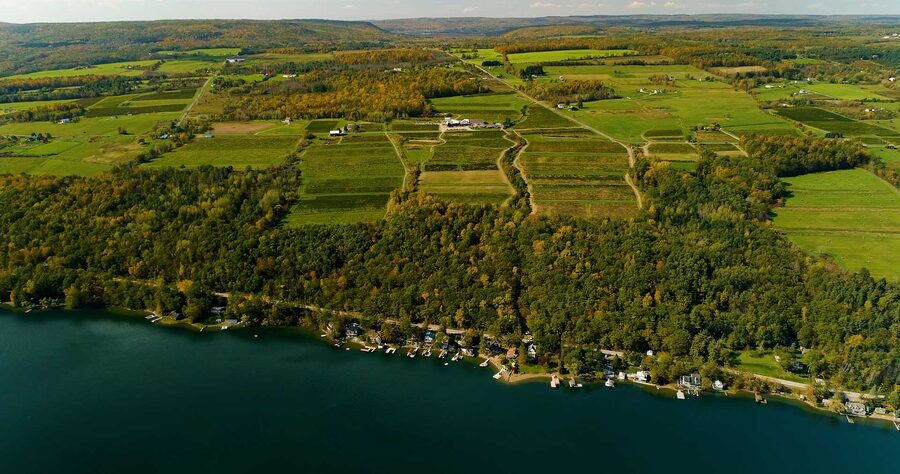
Konstantin died in 1985, age 86. His son Willy took over and made the call that defined the next phase: he was going to do methode champenoise sparkling wine in the Finger Lakes, using the cool climate the way the Champenois used theirs. Most people thought he was nuts. He bought an 1886 fieldstone house, restored it as a sparkling-only winery, called it Chateau Frank, and started turning out Brut and Blanc de Blancs that hold up against most $40 American sparklers. It is one of the underrated stories in US wine.
Fred Frank, Konstantin’s grandson, took over from Willy in 1993 and brought the operation up from a small estate to one of the largest family-owned wineries in New York. The current production is around 60,000 cases a year. Bottles run from a $13 Salmon Run table wine up to $60 for the top reserves. Fred is still officially president and still runs the vineyard side. His daughter Meaghan, the great-granddaughter, took over winemaking and operations as Vice President in the late 2010s and is the one steering the place now. She has a Master’s in Enology from Cornell and an MBA from Adelaide in Australia, which is a credential set you do not see often in a family-run Finger Lakes winery.
You can taste this lineage in the bottle. The reds have gotten more focused. The Riesling Reserve is steadier vintage to vintage. The sparkling program has shifted from “ambitious” to “reliably very good.” There is a generational difference between a Konstantin Frank Riesling from 1985 and one from 2024, and the gap is in the right direction.
The tasting experiences, and what they actually cost
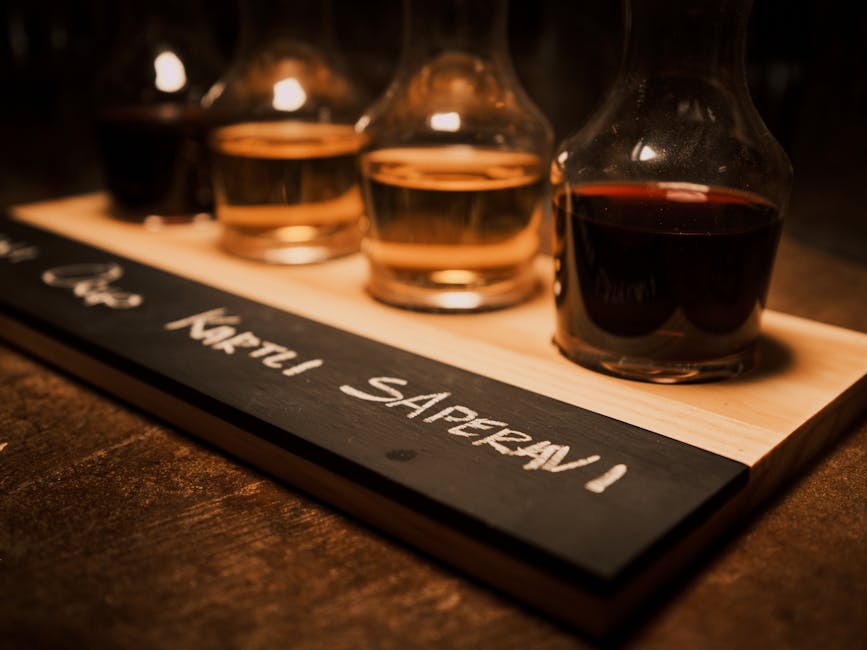
Here are the actual options as of late 2026, because nobody else seems to spell them out clearly:
- Signature Seated Tasting at $18 per person. Six wines, themed by the educator. Daily, year-round, 10am to 4pm last seating, parties of 1 to 6. Prepaid reservation. This is what most first-timers should book.
- Vinifera Vineyard Tour at $45 per person. A walking tour through the actual rows Konstantin planted in the late 1950s, then a tasting. Weekends only, mid-June to mid-October, 10am start. If you care about the historical layer, this is the one.
- The 1886 Wine Experience at $75 per person. Seasonal seated tasting paired with small bites from Lake Life Catering, hosted in the restored 1886 stone house, with rotating art on the walls. Thursday to Sunday, May to October, 11am or 2:30pm. This is the one USA Today voters keep ranking #1 in America. Worth booking ahead.
- Group Tasting at $18 per person, parties of 7 to 14. Same wines as the Signature, but accommodating bachelorette/birthday groups. Year-round weekends. Parties of more than 14 won’t be combined, you just get told no.
- Eugenia’s Garden, pay per glass or flight, no reservation. A casual outdoor option open May to November. If you’ve already done a Signature tasting and just want to sit on the lawn with a bottle and a view, this is it. Groups of more than 12 should email ahead.
The fact that the entry-level seated tasting is still $18 when most New York wineries are now charging $25–$35 for thinner experiences is the part nobody talks about. It is a serious tasting with a real educator and it costs less than a cocktail at most Manhattan bars. That price will not last forever. Go now.
What to actually drink
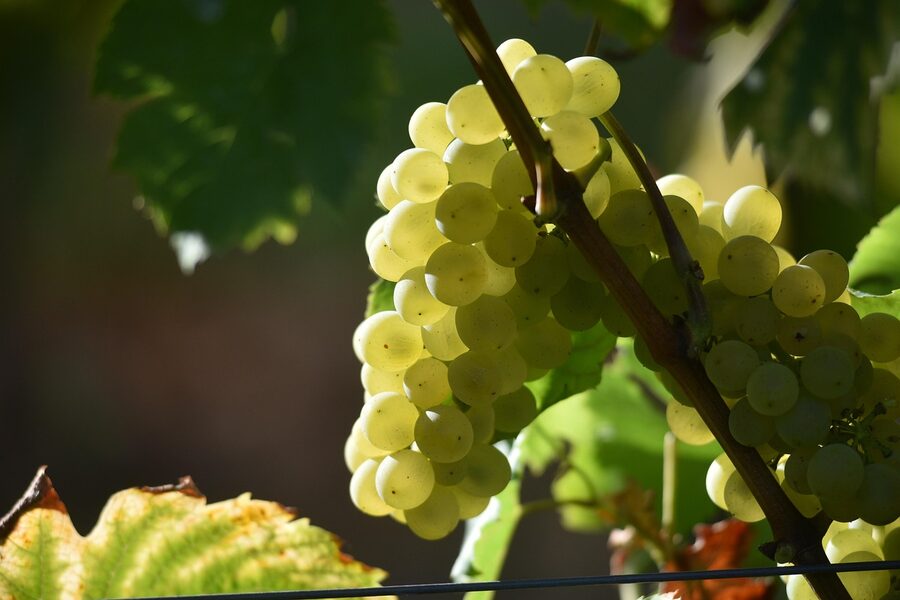
If you only do one tasting and you do not let the educator decide, here is what I would push you toward. Skip the half-dry whites unless you specifically like off-dry. Go for the contrast.
Dry Riesling (around $20 retail). The classic. Made from vines planted in 1958, partly from the original Konstantin block. Steely, citrus, just enough texture. Pair with anything with butter or a salty cheese.
Eugenia Dry Riesling (around $40). A single-vineyard Riesling from a high-shale plot, named after Konstantin’s wife. Drier and more austere than the standard. This is the one that shows you what NY Riesling can do when somebody is paying attention. If you can only buy one bottle, buy this.
Rkatsiteli (around $20). The Georgian native white grape that Konstantin brought with him from his Soviet Georgia days. Dr. Frank is one of maybe a dozen US wineries growing it, and one of two or three doing it well. Apricot, herbs, a touch of bitter almond. It will not taste like anything else you’ve had at a Finger Lakes winery, which is the point.
Saperavi (around $30). Another Georgian grape, this time red. Inky, peppery, surprisingly built for cellar time. If you’ve been told NY can’t do reds, this is the wine that politely disagrees.
Cabernet Franc (around $25). Made from vines dating to 1974 and aged 16 months in French oak. Cab Franc is the underrated NY red, and Dr. Frank’s is consistently in the top three on the lake. Cherry, graphite, a faintly herbal lift on the finish. Drink with grilled lamb or anything mushroom-heavy.
Pinot Noir Reserve (around $35). Made from vines that go back to 1958. NY Pinot Noir is hit or miss across the region; here it is on. Lighter than Burgundy, brighter than Oregon, food-friendly. If you are a Pinot person, taste it.
The Salmon Run line ($13–$15) is fine. It is the value tier. Nothing special, nothing wrong. Skip it on the tasting and spend the time on the proper estate bottles.
Chateau Frank, the sparkling sibling
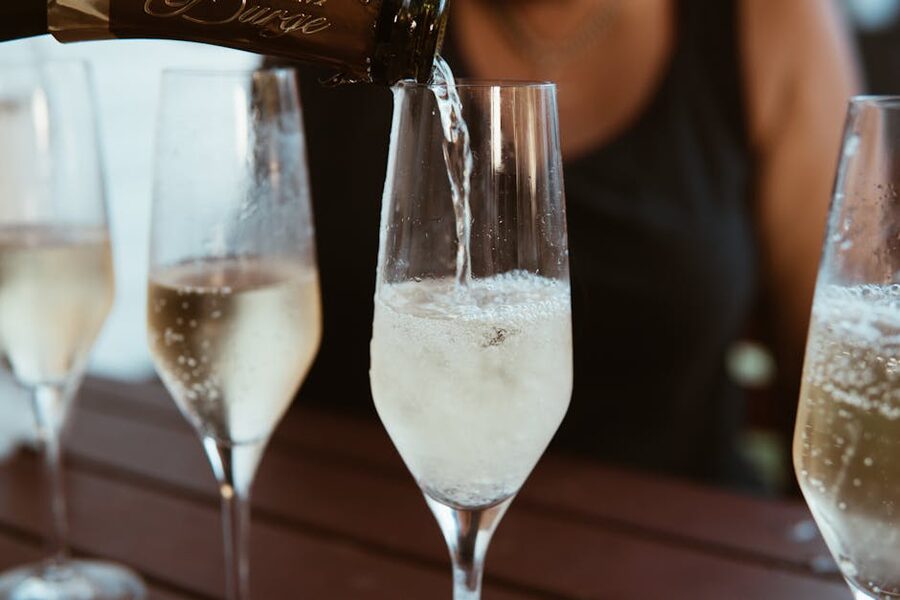
The sparkling program turned 40 in 2025 and is the Frank operation’s quiet flex. Willy started it in 1985, when nobody believed Finger Lakes sparkling could be serious. The current Brut is Pinot Noir, Pinot Meunier, and Chardonnay (the three Champagne grapes), aged at least 24 months on the lees. The Blanc de Blancs is 100% Chardonnay. The Blanc de Noirs leans heavier on Pinot. All three are made in the same building Konstantin’s son restored in the 1980s.
You taste the Chateau Frank wines as part of the Signature flight if you ask. Or you book the 1886 Experience and they appear in the lineup with food pairings. If you are pricing them against US sparklers in general, they sit comfortably with Schramsberg from California or Argyle from Oregon, both of which cost more.
Featured tour: book direct, not through a third party
Signature Seated Tasting at Dr. Konstantin Frank
The cheapest, easiest way into the room with the view. There is no Viator or GetYourGuide listing for this specific winery, so the only way to book is on the winery’s site. Do that. Reserve a weekday for fewer crowds; weekend slots fill up fastest June through October.
It is worth saying this clearly: no Viator or GetYourGuide tour visits Dr. Frank by name. A handful of generic Finger Lakes tours from those platforms run on Seneca and Canandaigua but skip Keuka entirely. If you want a chauffeured tour that actually stops here, you book either with the winery directly (and drive in) or with one of the Keuka-specific operators below.
Logistics: reservations, kids, dogs, accessibility
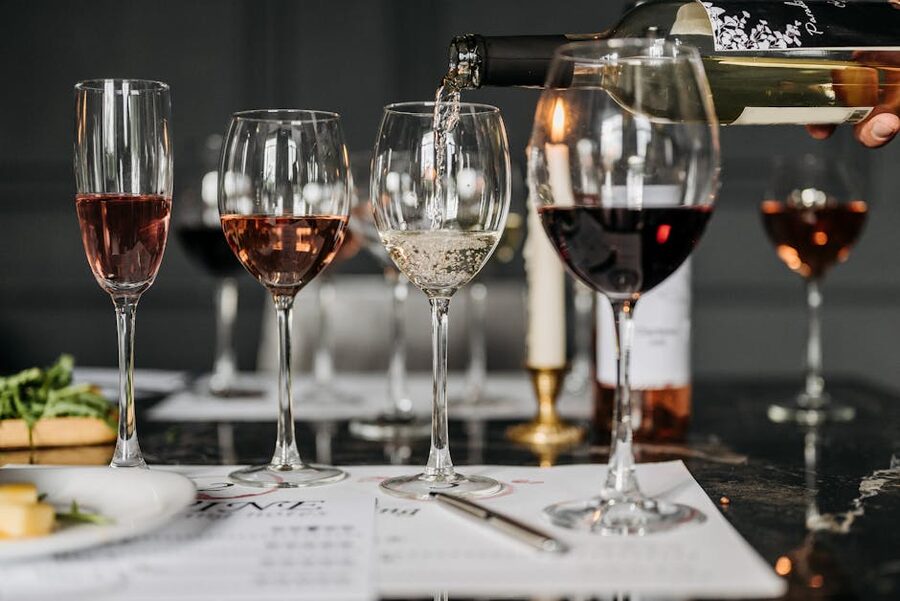
Reservations. Strongly recommended for the seated tasting and required for the Vinifera Vineyard Tour and the 1886 Experience. Book online through drfrankwines.com. The calendar is honest about which slots are full. Walk-ins are accommodated when staffing allows, but on a Saturday in August you will sit and wait.
Hours. Daily, 10am–5pm. Last tasting 4pm. Closed Thanksgiving and Christmas Day; reduced winter hours possible; check before you go in January.
Kids. Welcome, with a parent. They serve Honest juice boxes for the under-21s. Eugenia’s Garden has open lawn space if you have a runner.
Dogs. Well-behaved leashed dogs are fine at the Signature Seated Tasting, the retail shop, and Eugenia’s Garden. Service animals only at the 1886 Experience.
Accessibility. The main tasting room is on one level with parking close to the door. The 1886 stone house has a few steps. Email the hospitality manager (Holly) ahead if you need specifics; she’s the one who actually answers.
Group size. Max 6 per Signature reservation. They will not combine multiple parties at one table. Groups of 7–14 use the Group Tasting reservation. Groups bigger than 14: get a wine tour bus and split the day across two wineries.
What to wear. Comfortable. The Vineyard Tour walks through real rows; wear shoes that can handle dirt and slope.
Combining Dr. Frank with other Keuka stops
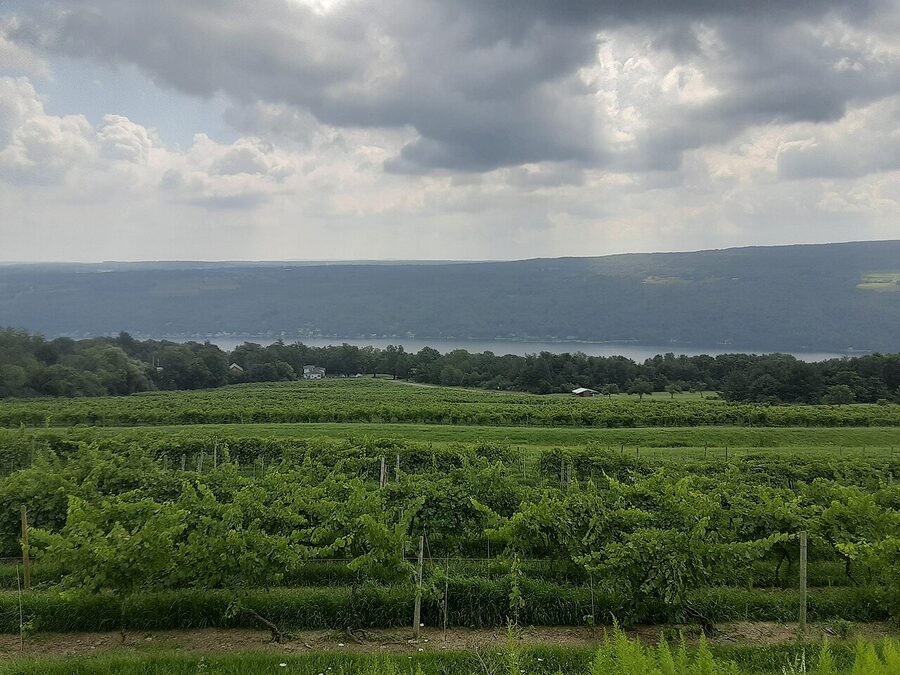

The temptation is to hit five or six wineries. Don’t. The day works better at three, with lunch in the middle. Here’s the loop I’d actually do, starting at Dr. Frank for a 10am tasting:
- 10am, Dr. Konstantin Frank for the Signature Seated. Best to start here while your palate is fresh; this is the wine that should anchor the day.
- 11:30am, Heron Hill Winery (4 min south on Middle Road). Different style, similar level of seriousness. Their patio looks the other direction down the lake.
- 12:45pm, Lunch at the Village Tavern in Hammondsport (10 min down from the wineries). Local list, pretty good food, a real Hammondsport room.
- 2:30pm, Bully Hill Vineyards (back up the hill, 5 min from the village). Skip the wines if you’re a wine person; the wines are not the point. The deck is. Order a bottle, sit in the sun, look at the view, then drive to your B&B.
If you have a second day on Keuka, swing the western shore in the morning and do the eastern arm in the afternoon: Hunt Country Vineyards, Keuka Spring, Ravines. The full lake takes two days to do properly. For the bigger picture, see my Keuka Lake Wine Trail guide; for the Finger Lakes overall, the Finger Lakes Wine Tours overview covers all five lakes.
If you want a driver: the Keuka tour operators that actually visit Dr. Frank
Crush on Keuka, a Private Wine Tour
The most established Keuka-specific operator (and one of the only ones that ranks in the Google top three for “Keuka Lake wine tour”). They pick four of the five major Keuka wineries based on the day’s availability, and Dr. Frank is on almost every itinerary. Best for groups of 4–6 sharing the cost.
Two other operators worth a look if Crush is full:
- Lakeside Trolley runs a vintage trolley around Keuka and links it with Watkins Glen and Penn Yan stops. Better for a casual atmosphere; less customisation. They rank #3-5 in Google for Keuka wine tour searches, which is enough to take seriously.
- Experience the Finger Lakes packages a “Keuka Lake Wine + Lunch” itinerary that often includes Dr. Frank. They publish prices and let you pick wineries from a menu. They consistently appear in the Keuka SERP.
If you are coming from Manhattan and don’t want to rent a car at all, the realistic move is Amtrak to Rochester, a one-way rental for the wine country leg, and dropping it back at a Rochester airport branch. There is no useful public transport into Keuka. If you’d rather a structured day-trip from the city (even one that doesn’t reach Keuka), see the five day-trip plans I’ve ranked from NYC; the closest fit for the spirit of a Frank visit is the Hudson Valley itinerary, which does reach a real winery the same day.
Where to stay near the winery
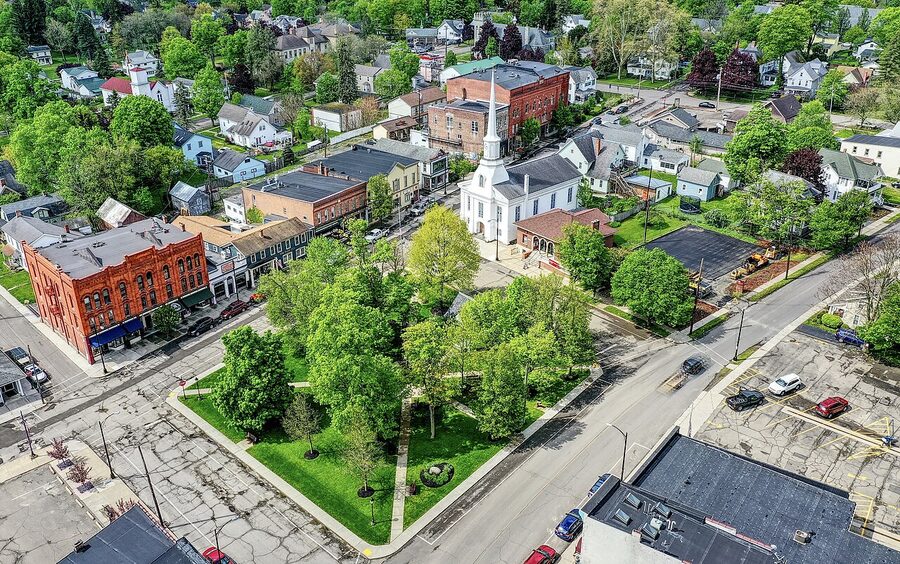

Hammondsport itself is small (population around 670) but punches above its weight. The village square has a bandstand, four or five real restaurants, and B&Bs walking distance from everything. If you want walking-distance-to-dinner with no driving after wine, base in Hammondsport. If you want a bigger town and don’t mind a 20-minute morning drive to the lake, base in Penn Yan at the north end of the lake or Bath to the south.
For higher-end stays around the lake itself I tend to recommend Hammondsport-area lodging on Booking.com; for Watkins Glen and the wider Finger Lakes options I’ve broken down the hotel + tour combos in the Finger Lakes wine tour packages article. The bigger-name resort closest to the lake is The Lake House on Canandaigua, which is technically the next lake over but a 45-minute drive from Dr. Frank.
When to go
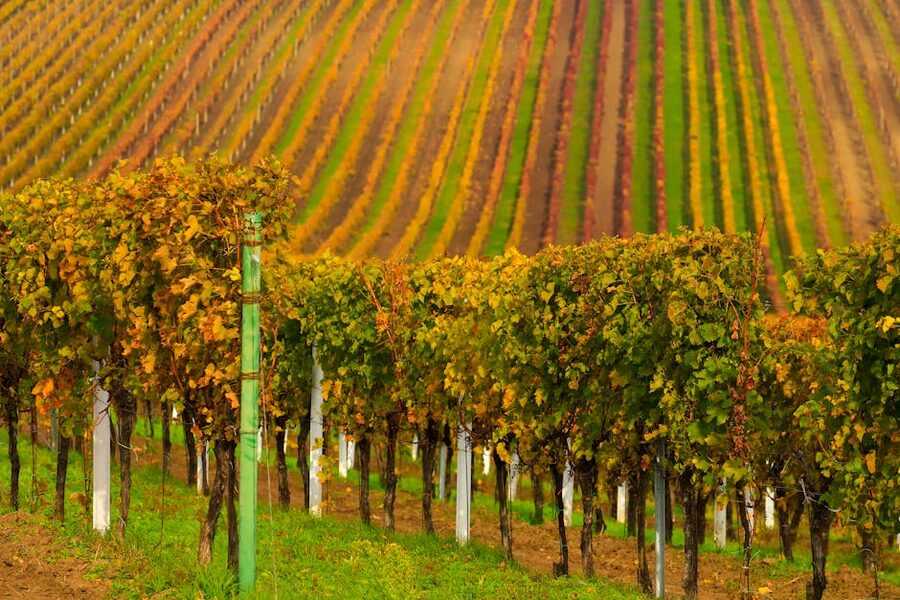
Late September through mid-October is the single best window. Harvest is on, leaves are turning, the deck is still warm enough for a flight outside but cool enough for a fire inside. Book six weeks ahead.
July and August are gorgeous but busy. Eugenia’s Garden is the big draw in summer; the indoor seated tastings still feel calm.
Mid-May through June is the underrated window. Vineyard Tours have just started, weather is unsettled but improving, and you’ll have the room to yourself on a Tuesday. The 1886 Experience runs from May.
November through April is the locals’ season. The Vineyard Tour is closed and Eugenia’s Garden is closed, but the Signature tasting still runs daily and you’ll often be the only people in the room. If you’re a Riesling-in-winter person, this is paradise.
What it costs in total: a realistic day budget
For two people doing a serious Frank visit and one other Keuka stop, with lunch and a bottle to take home:
- Dr. Frank Signature Seated Tasting × 2: $36
- Heron Hill or comparable second tasting × 2: $20–$30
- Lunch at the Village Tavern, Hammondsport, with two glasses: $70
- One bottle of Eugenia Riesling to take home: $40
- One bottle of Cab Franc: $25
- Gas for the loop from Hammondsport: $10
That is around $200–$220 for two people for the day, not including lodging. Add roughly $180–$320/night for a good Hammondsport B&B and you have a full Finger Lakes weekend at well under what the same trip costs in the Hamptons or Hudson Valley. The honest comparison: for the price of one decent dinner-for-two in midtown Manhattan, you can fund a full Saturday on Keuka.
Skip Dr. Frank if
I will tell you the truth on this one. Dr. Frank is the right call for almost everyone who likes wine, but it’s not the right call for everyone.
Skip if you only drink off-dry whites. They make some, but the strength is dry. Bully Hill or one of the more commercial Keuka producers will make you happier.
Skip if you want a party-bus, raucous-tasting-room atmosphere. The seated format is genuinely seated. People who want to mosh through a winery tasting bar should pick a louder room.
Skip if you’ve shown up without a reservation on a Saturday in October. You will wait, you might not get in, and you’ll resent the place. Reserve.
Skip if you’ve already done four tastings today. Frank deserves a fresh palate. If you are five wineries deep already, save it for tomorrow.
The thing nobody quite says out loud
Dr. Konstantin Frank is the historically most important winery in the Eastern United States. That is not a marketing claim, it is just true. The man planted the vines that proved the experts wrong, then trained a generation of winemakers who carried the gospel out across the East Coast. Hermann Wiemer (now one of the great Seneca producers) worked here. The cool-climate American wine industry as we know it has Konstantin Frank’s fingerprints on it.
The remarkable thing is that the place has not coasted on that. The fourth generation is running it harder, the wines are better than they have ever been, and the entry-level tasting still costs less than a movie ticket. If you only have one day of Finger Lakes wine tasting in your life, do this one. Reserve the seated tasting. Sit by the windows. Try the Eugenia Riesling and the Saperavi. Buy a bottle of each on the way out. You will not be sorry.
 Travel TipsFall Foliage in the Finger Lakes: When and WhereIf you have driven south on Route 414 in the second-to-last week of October, you already know what this article…
 Wine RegionsSheldrake Point: Cayuga Lake’s Lakefront Tasting RoomThe first time I drove down County Road 153 to Sheldrake Point, I missed the turn. You come around a…
 Travel TipsThings to Do in Canandaigua, NY: A Wine-Country TownYou drove down from Rochester for the gardens. That was the plan. Sonnenberg in the morning, lunch somewhere on Main…