
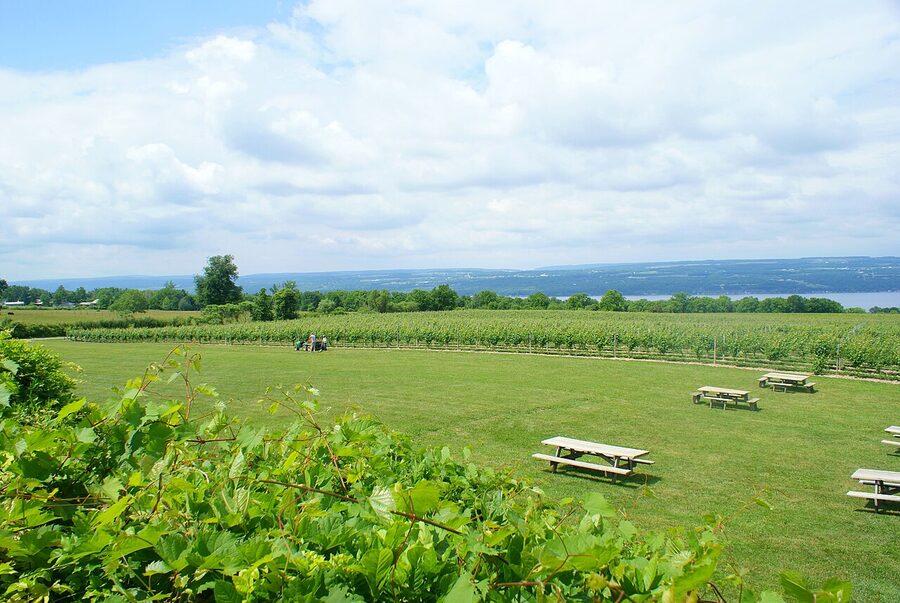
The first time I drove past Lamoreaux Landing I thought it was a corporate headquarters. A long, low, post-and-beam building with floor-to-ceiling glass, sitting up on a knoll above NY-414 with the lake spread out behind it. No barn-with-a-sign, no faux-Tuscan tower, no waving teddy bear holding a wine glass. Just a piece of confident architecture that looked like it knew what it was doing.
Then I went in, drank the T23 unoaked Cabernet Franc, and bought a case.
That’s the short version. Lamoreaux Landing is the one east-side Seneca winery I send people to without hedging. The building is the best designed on either side of the lake, the wines are the most consistent, and the staff don’t lead with their 90-point scores. They lead with the wines.

What follows is the practical guide. Address, prices, what to drink, how to get a seat, what to combine it with on an east-side day. I’ll also tell you when Lamoreaux is the wrong choice.
In a Hurry?
Three ways most people end up tasting at Lamoreaux Landing:
- Drive yourself. Lamoreaux is at 9224 NY-414 in Lodi, four hours from Manhattan and 90 minutes from Rochester. Tastings open at 10am Mon-Sat and noon Sun, last seating 4pm. Reservations strongly encouraged at lamoreauxwine.com; same-day weekday spots are usually fine in shoulder season, never on a summer Saturday.
- Take a small-group bus tour from Watkins Glen or Ithaca. The Seneca Lake South Wine Tastings and Tour on Viator runs three east-side wineries with a Mercedes Sprinter, lunch picnic, and a designated driver. About $150 per person, six hours, pickup at Watkins Glen.
- Book the Seneca Lake Wine Tasting Tour with Lunch from Geneva on GetYourGuide. Five wineries (mix of east and west), full-day, lunch included. Better if you’re not based at the south end and want a guide who plans the day for you.
In This Article
- Where Lamoreaux Landing sits, and why that matters
- The architecture, and why it matters
- The family, and the four generations
- What to drink
- The Rieslings
- The Cabernet Francs
- The Chardonnay and the Pinot Noir
- The Gewürztraminer
- The sparkling wines
- The dessert wines
- The featured tour: Seneca Lake South Wine Tastings and Tour
- What it costs and what’s included
- Hours, reservations and the dog question
- The deck, the view, and the picnic option
- Sustainability, in plain language
- The local-art angle
- Combining Lamoreaux with the rest of an east-side day
- The classic east-side three (Lamoreaux, Wagner, Damiani)
- The deep-Riesling day
- The lazy-lake day
- What to do nearby on either end of the day
- Where to stay if you want to walk back to your room after dinner
- When to visit
- How Lamoreaux compares to the other east-side anchor wineries
- How to get a tour without driving
- Who Lamoreaux Landing isn’t for
- The bottom line
Where Lamoreaux Landing sits, and why that matters
.jpg)
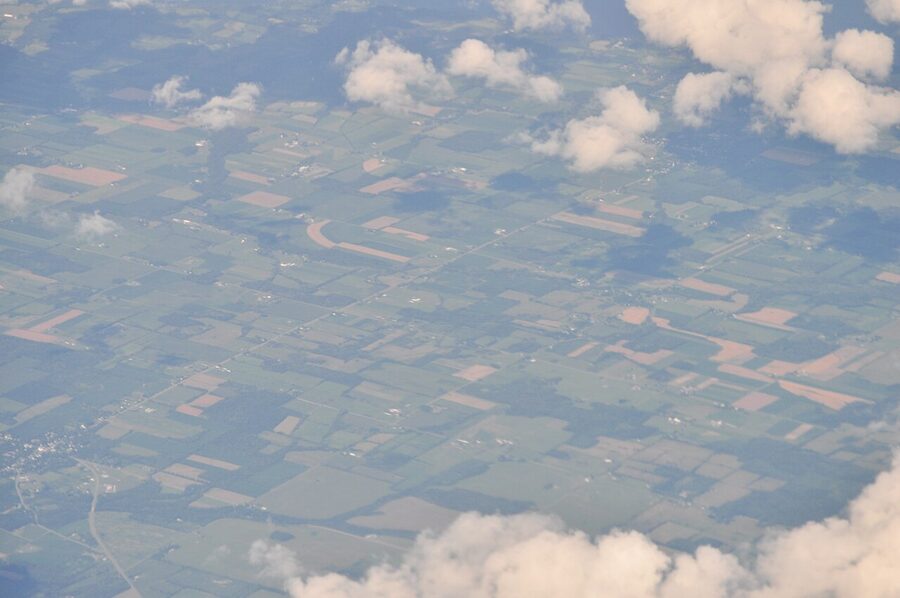
The address: 9224 NY-414, Lodi, NY 14860. Phone: 607-582-6011. The building sits on the east side of the road, set back from the highway up a sloping drive, with parking on a flat between the road and the tasting-room entrance. Approaching from the south, you’ll see the building before you see the sign.
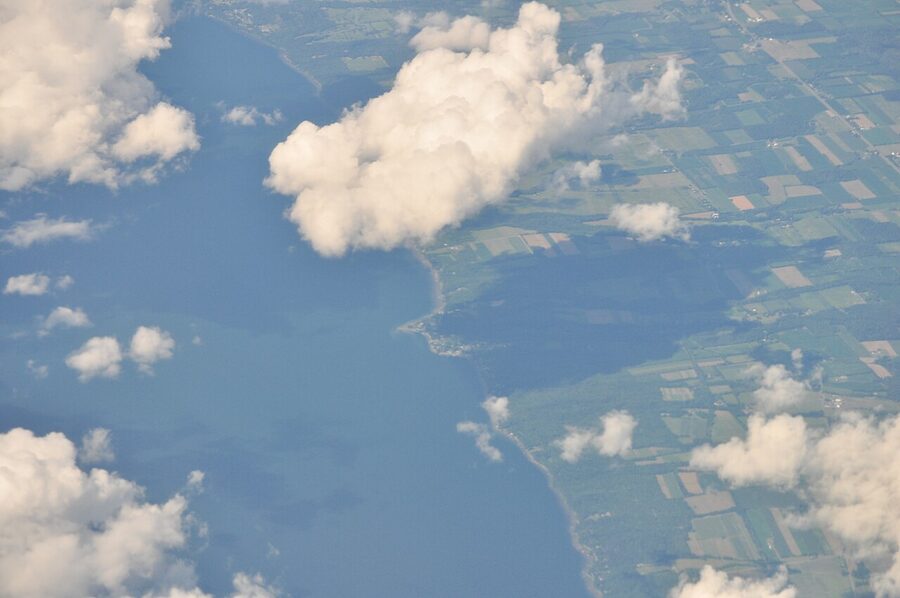
Lodi is the central town of the east-side wine cluster. From north to south along NY-414 you’ll hit Geneva (the north end of the lake), Romulus, Ovid, Lodi, Hector, then Watkins Glen at the south end. Lamoreaux is geographically closer to Wagner Vineyards (six miles south, also in Lodi) and to Standing Stone Vineyards (about four miles north) than to anyone on the west side.
.jpg)
Drive times worth knowing:
- From Manhattan: about four hours to Lodi via I-80 and I-86, longer on a summer Friday afternoon.
- From Rochester: 90 minutes south on I-390 then east on NY-414.
- From Syracuse: an hour and 20 minutes via I-81 and Routes 318/89/96A.
- From Watkins Glen (south end of the lake): 25 minutes north on NY-414, the prettiest stretch of the drive.
- From Geneva (north end): 35 minutes south on NY-414.
- From Ithaca: 45 minutes via NY-79 and NY-89 to Cayuga Lake’s west side, then over on NY-96 and south on NY-414.
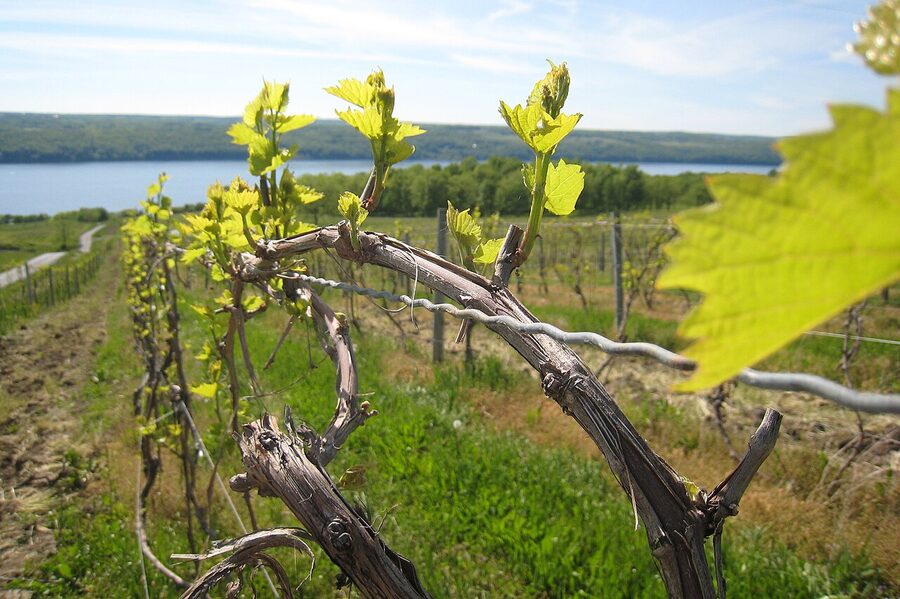
Why the east side, and why this particular spot? Seneca Lake is the deepest of the Finger Lakes, around 600 feet at its deepest point near Lodi. That depth holds heat into November and releases it slowly through May, which is what protects the vineyards from spring frost and stretches the growing season into late autumn. The east side runs higher above the lake than the west, so the tasting rooms have better views, and the slopes drop toward the water at a steeper grade. Lamoreaux’s vineyards are planted on Honeoye silt loam and Lansing gravelly loam, both the kind of well-drained, low-vigour soils that produce concentrated wines instead of leafy growth.
The architecture, and why it matters

Most Finger Lakes tasting rooms fall into two camps. The barn-conversion camp (Bully Hill, Hosmer, the original Wagner) and the faux-château camp (the larger commercial operations on the west side). Lamoreaux is in a third camp by itself.
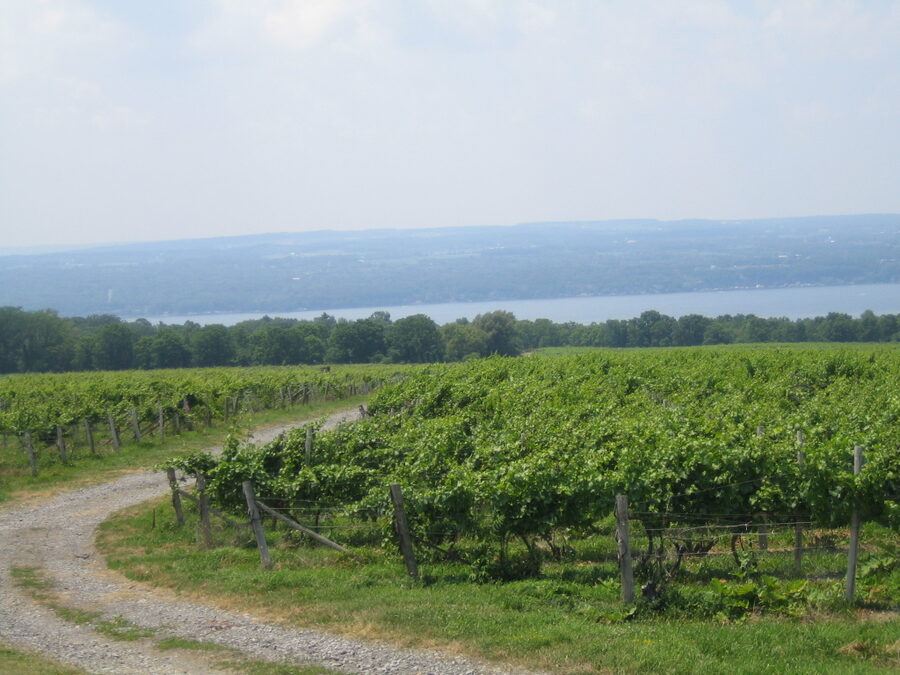
The building is a contemporary, deliberately stripped-down post-and-beam structure designed by Bruce Corson, completed in the late 1990s. From the road it reads as a long, low rectangle with deep eaves and an asymmetric pitched roof. From inside, the floor-to-ceiling glass on the west wall opens onto a continuous view of the vineyard sloping down to the lake. There’s no chandelier-style ostentation, no rustic-barn try-hard. It’s the only piece of architecturally serious building on either side of Seneca.
The reason this matters for a visit: the room shapes the experience. You sit at a wide wooden bar or at one of the tables along the glass wall, looking out at vines and water. Conversation is calmer than at the bigger east-side rooms (Wagner, Hazlitt) because the space is more contained. The acoustics work. You can actually hear the educator pour you the next wine and tell you about it without raising your voice.
Worth knowing: the modernist design earned the building a New York State sustainability award when it opened, and Lamoreaux added a 90-percent-of-load solar array in 2020. The roof you’re sitting under is generating most of the electricity that lit the room when you walked in.
The family, and the four generations
Mark Wagner, the founder, is a second-generation grape grower who took over his family’s Lodi farm in 1978. The Wagners had been growing grapes on this land since the 1930s, mostly Concord and Catawba for the bulk-juice market. Mark replanted to vinifera (the European wine grapes) starting in the early 1980s, then opened the winery in 1990. He is a different Wagner from the Wagner family at Wagner Vineyards six miles south; the two are unrelated despite living in the same village.
Mark’s nephew Josh Wig joined the operation in 2007. Josh is a retired US Naval Officer and the fourth generation of the family on the land. He runs the operations and the sustainability program, and he’s the one who pushed the solar install through. Head winemaker is Jesse Alexander, a Finger Lakes Community College grad who joined in 2017 and took over winemaking in 2021. Jesse has pushed the experimental wines (single-vineyard wild-ferment Rieslings, an unoaked T23 Cab Franc that’s been the breakout bottle) without giving up the textbook varietals that built the brand.
Why this lineage matters when you’re sitting at the bar: the same family has been farming this land for almost a century, and the wines you’re drinking come entirely from grapes they grew. Lamoreaux is a 100-percent estate-grown winery, which is rare on the east side. Most of the bigger rooms blend in fruit they buy from contract growers. Lamoreaux’s “grape to glass” is a real claim, not a marketing line.
What to drink
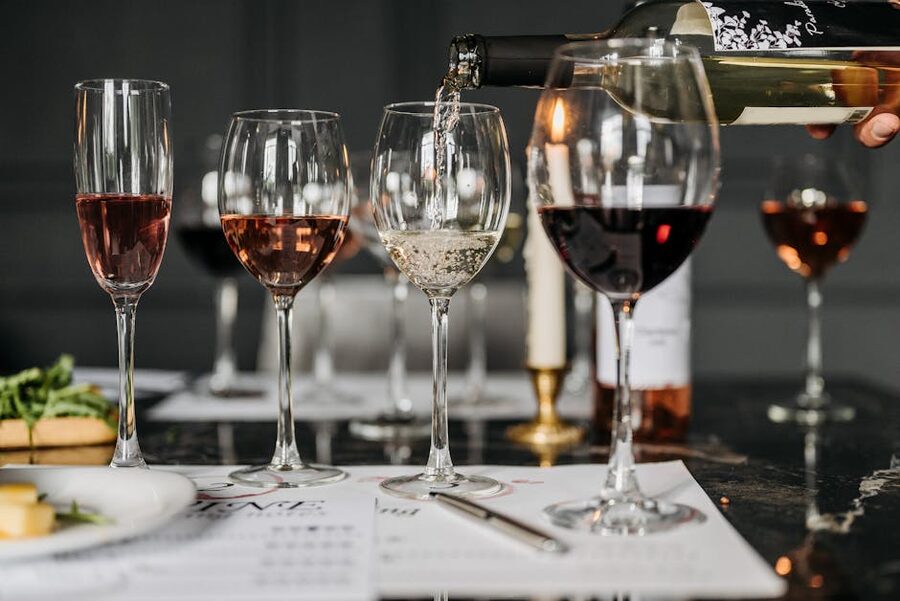
Lamoreaux makes around 90 different wines a year. You will not taste them all. Here’s what I’d ask to be poured if I had five glasses to spend.
The Rieslings
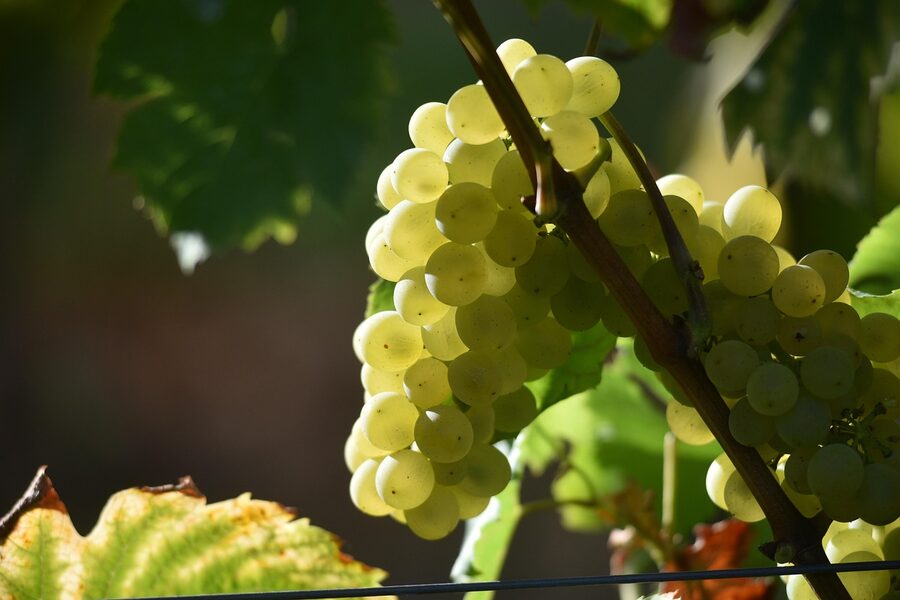
This is the most useful thing about a Lamoreaux visit. They make a wider range of single-vineyard Rieslings than almost any other Finger Lakes producer, and they’ll happily pour them side-by-side so you can taste what the different blocks actually produce.
- Dry Riesling (estate blend). Around $20 a bottle, the gateway. Bright, lime-driven, no residual sweetness to hide behind. The Wine Spectator-rated workhorse and probably what most readers have already tried.
- Single Vineyard Riesling, Red Oak. The most floral of the three, more aromatic, slightly fuller mid-palate. Around $30.
- Single Vineyard Riesling, Round Rock. Drier, mineral-driven, the most chiselled of the three.
- Single Vineyard Riesling, Yellow Dog. Splits the difference. The most balanced for someone who wants to learn what “site expression” actually means in a glass.
- Semi-dry Riesling. Worth one glass even if you think you don’t drink off-dry. The acidity carries the sweetness; nothing flabby.
Asking for “all three single vineyards” as a side-by-side flight is the move. Most days a vintner will set them up for you without an upcharge. This is the cheapest wine-education hour in the Finger Lakes.
The Cabernet Francs
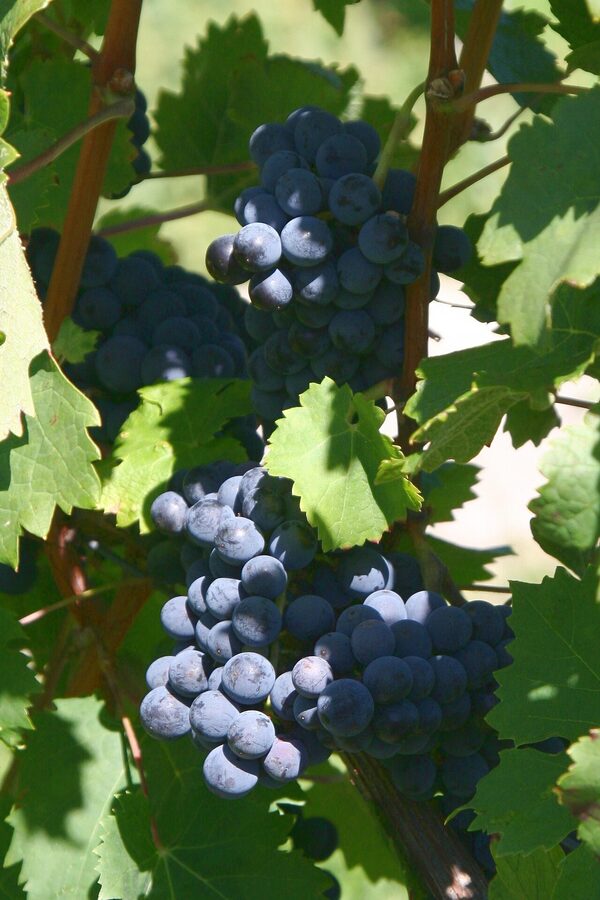

Cab Franc is the most underrated grape in New York and Lamoreaux is one of the best three or four producers of it on Seneca.
- T23 Unoaked Cabernet Franc. The breakout. Stainless-steel aged, no oak in the wine at all, lifted aromatic profile (red cherry, violet, white pepper). Around $24. This is the bottle I bring back to friends in the city. T23 is the clone designation; the wine is named after it.
- Estate Cabernet Franc. Oak-aged version, more structure, more cedar and cocoa, designed to age. Around $28.
- 76 West. Lamoreaux’s Bordeaux-style red blend (Cab Sauvignon, Cab Franc, Merlot, Petit Verdot, sometimes Lemberger). Made in small quantities and often sold out by mid-summer. The serious Lamoreaux red. Around $40 when available.
If you’ve only ever tried Cab Franc as a Loire Chinon or as a California blender, Lamoreaux’s T23 will surprise you. Cooler-climate Cab Franc has a freshness and a lift that the warmer-region versions don’t get, and the unoaked treatment lets it show without makeup.
The Chardonnay and the Pinot Noir
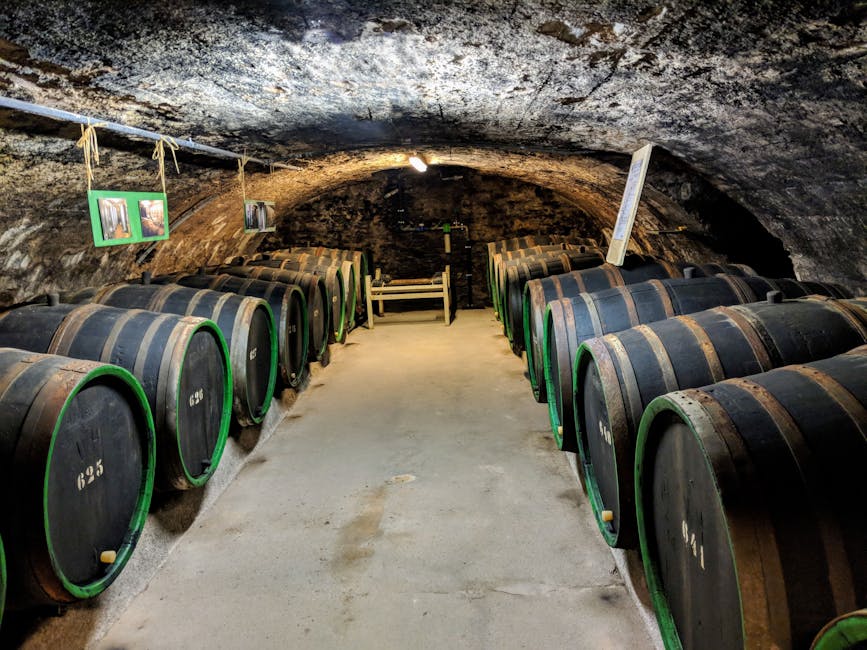
Chardonnay on the east side is a quietly serious story. Lamoreaux’s barrel-fermented Chardonnay Reserve is a real wine in the Burgundian style: lemon curd, toasted hazelnut, a long mineral finish. The unoaked Chardonnay is leaner, citrus-driven, what a Chablis drinker would gravitate to. Both are under $30.
The Pinot Noir is honest. The Finger Lakes is borderline-too-cool for Pinot Noir most years and the Lamoreaux version reads more like a German Spätburgunder than a Burgundian Pinot. Light, bright, cherry and forest floor, no extraction trying to make it heavier than it is. If you like delicate Pinots, this is for you. If you want plush Sonoma Coast Pinot, skip it.
The Gewürztraminer
One of the few semi-dry Gewürztraminers in the Finger Lakes that’s worth your time. Lychee, rose petal, ginger, just enough sweetness to balance the spice. Around $20. If you have a Thanksgiving table that needs one bottle to handle every dish, this is it.
The sparkling wines
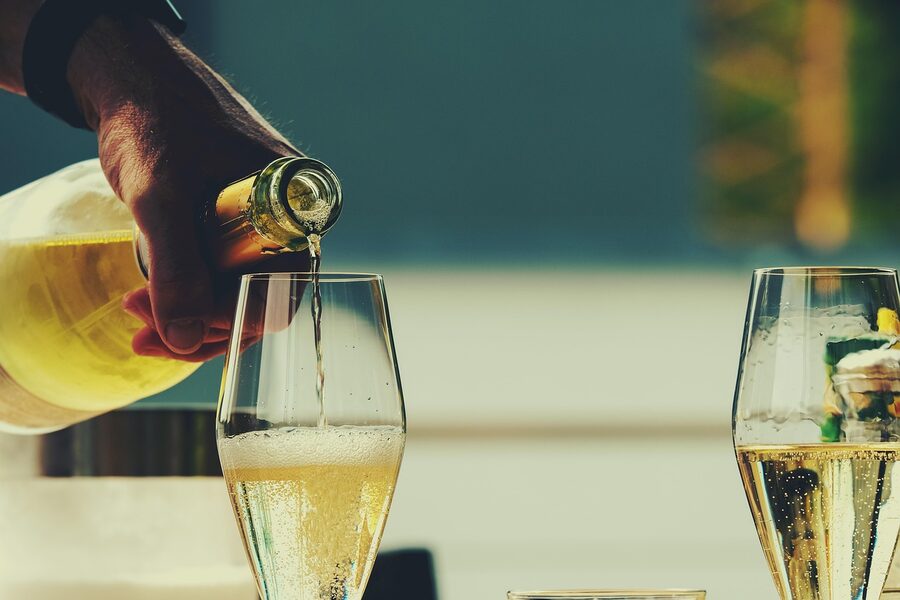
Made in the Champagne method, hand-riddled, aged on lees for three to five years before disgorging. The Brut (Chardonnay-Pinot Noir blend) is creamy, biscuit-noted, and around $35. The Blanc de Blancs (100 percent Chardonnay) is leaner and drier, around $40. The newer ancestral-method (pet-nat) bottlings sit in the $25 to $30 range and are closer to a fizzy white than a champagne style; ask if they’re pouring.
The dessert wines
The late-harvest Vignoles is what to taste at the end of the flight. Apricot, honey, lifted acid that keeps it from being sticky. Lamoreaux also makes ice wine in years when the harvest temperatures cooperate (not every year). Both are sold in 375ml bottles, $30 to $45.
The featured tour: Seneca Lake South Wine Tastings and Tour
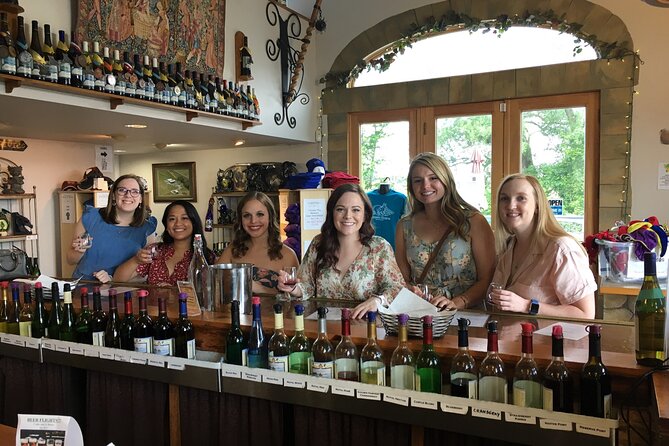
Seneca Lake South Wine Tastings and Tour
The right pick if you’re staying in Watkins Glen and want to do an east-side Seneca day with Lamoreaux as one of the three stops. The operator runs a fixed loop most weekends (Lamoreaux, Wagner, and one of Hazlitt or Hector Wine Co.) and a flexible itinerary on weekdays. You’re not driving, the lunch is decent, and the small-group format means you actually get to talk to the vintners. Skip if you want to pick the wineries yourself; book Long Point Limo or Crush Beer & Wine Tours instead for a custom day.
A second option, if you’re not based at the south end and want a fuller day of guided wine country: the Seneca Lake Wine Tasting Tour with Lunch on GetYourGuide picks up in Geneva, hits five wineries (mix of east and west), and runs about $185 per person. Lamoreaux is on the route most weekends. The lunch is at a working farm near the lake. Worth it if you’re staying in Geneva or coming over from Cayuga; not worth it if you’re already at the south end (the Viator pick above is closer and shorter).
What it costs and what’s included
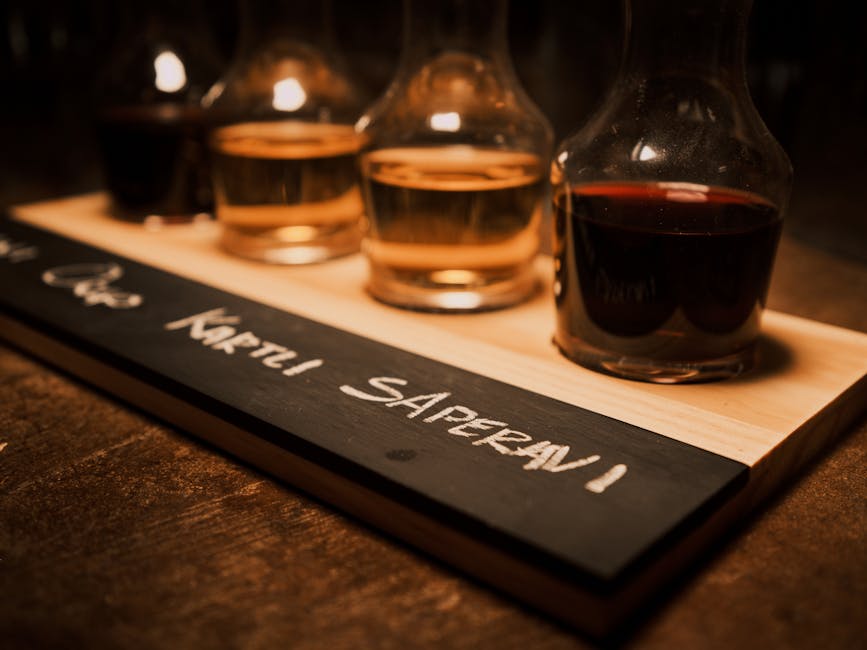
Real-world pricing as of the 2026 season:
- Standard guided tasting: $15 per person, five wines, about an hour. The fee is waived with a bottle purchase.
- Extended tasting (sparkling, dessert, library wines): $20 per person, 75 minutes. Worth the extra five bucks; the library wines are not poured at the standard tasting.
- Glass pour: $8 to $14 most wines, $18 to $22 for the sparkling Brut and Blanc de Blancs.
- Bottle to drink on site: full menu price. You can buy a bottle and stay seated rather than buying a flight; this is the move if you’ve already done two tastings earlier in the day.
- Cheese and chocolate add-on: $12 to $18 depending on size. The cheeses are sourced from regional producers (Lively Run goat dairy in Interlaken makes the chevre).
This is the cheapest serious tasting in the east-side rotation. Most comparable east-side rooms (Wagner, Hazlitt, Standing Stone) are charging $20 to $35 for what Lamoreaux pours for $15. The reason isn’t that the wines are cheaper; the family runs lean.
For a couple, plan on $50 to $80 total at Lamoreaux including a small cheese plate and a glass over lunch. If you’re buying a couple of bottles to take home, easily $100 to $150.
Hours, reservations and the dog question
Hours that hold most of the year:
- Monday-Saturday: 10am to 5pm
- Sunday: noon to 5pm
- Last tastings seated at 4pm
- Wine by the glass available until 4:30pm
Reservations are not strictly required but are strongly encouraged through lamoreauxwine.com (the site uses a built-in booking system, no third-party platform). Without a reservation you may not get a table at peak hours, especially summer Saturday afternoons (June-August) and the autumn weekends (mid-September through mid-October when leaf-peeper traffic peaks).
Same-day weekday reservations are usually available. Same-day Saturday in summer is a coin flip. Sunday is usually quieter than Saturday.
Dogs are welcome on the outdoor deck and on the lawn area, leashed, water bowls provided. Indoors is humans only. Lamoreaux is one of the more dog-friendly east-side rooms; Wagner and Hazlitt have similar policies but more crowded outdoor areas.
Kids: the room is adult-oriented but not unwelcoming to families. The lawn outside has space for kids to run around. There’s no kids’ menu and no juice; bring snacks. Strollers fit through the entrance without trouble.
The deck, the view, and the picnic option
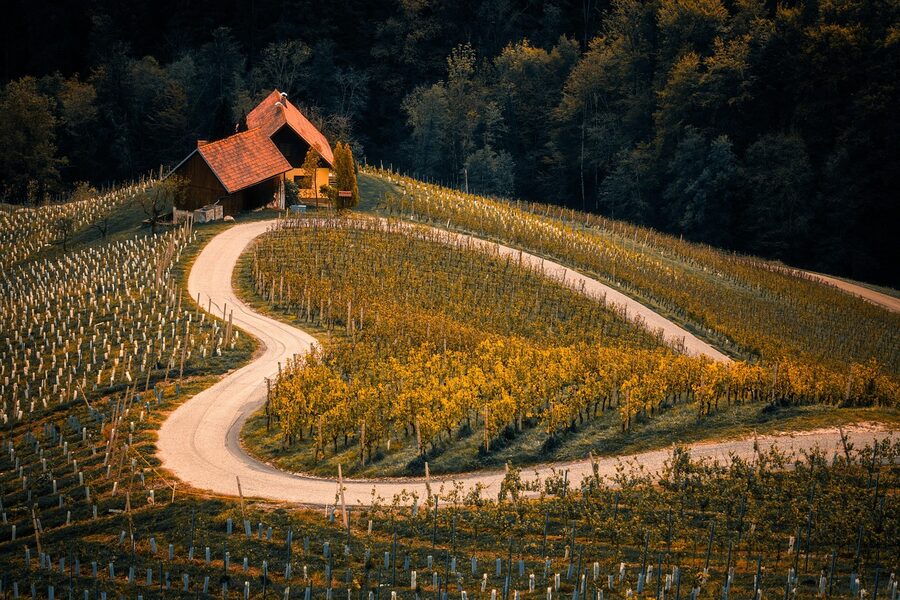
The outdoor space is a wide flagstone deck wrapped around the south and west sides of the building. About fifteen tables with umbrellas, plus a longer wooden table for groups of six to eight. The view is uninterrupted vines down to the lake, with the west-side hills as the back wall.
You can buy a bottle inside, take it out to the deck, and stay all afternoon. Lamoreaux doesn’t run a kitchen, but they sell cheese and chocolate plates and you’re welcome to bring your own food (sandwiches from Lively Run dairy in Interlaken, charcuterie from Stonecat in Hector, anything else portable). This is the move on a sunny weekday: one bottle of the T23 Cab Franc, a cheese plate, two chairs, two hours.
The deck doesn’t have heaters, so it closes for outdoor service from late November through April. In winter you sit inside at the bar or at one of the window-side tables, which is a perfectly fine fallback.
Sustainability, in plain language
Lamoreaux is the most aggressively sustainable winery on the east side and probably one of the top three in the Finger Lakes overall. The specifics, in case the marketing language has obscured what’s actually being done:
- Solar. A roof array installed in 2020 covers about 90 percent of the winery’s annual electricity load. The remaining 10 percent comes from grid power; the family is targeting full coverage by 2027.
- Vineyard practices. Lamoreaux is a certified participant in the New York Wine and Grape Foundation’s Sustainable Winegrowing Program. Cover crops between the rows, compost from on-site green waste, no synthetic herbicides, integrated pest management, no irrigation outside of new plantings.
- Trellising. Most of the Riesling and Cabernet Franc blocks are on the Scott-Henry trellis system, which splits the canopy into upper and lower curtains. The geek explanation is sunlight exposure plus airflow; the practical result is healthier vines and more concentrated fruit.
- Estate-only. Every bottle is grown, fermented, and bottled on the property. No bulk wine is imported, no fruit is purchased from contract growers.
The honest version of why this matters to you as a visitor: it almost always tastes like the place. A Lamoreaux Riesling is not a generic “cool-climate Riesling,” it’s specifically a Lodi-Seneca Riesling. That site specificity is the reason the single-vineyard bottlings are different from each other.
The local-art angle
The tasting room doubles as a small rotating gallery. Local Finger Lakes artists hang work for two-to-three-month stints. Most of it is landscape or still-life painting, plus the occasional photography or mixed-media show. Pieces are for sale; prices vary widely (typical range $200 to $1,500). Walking around the room while you wait for a table or between pours is a normal thing to do here.
This isn’t a gimmick. The family has been hosting local artists since 1998 and they pick the rotation themselves. If you’re an art-curious visitor, the gallery is a real reason to slow down.
Combining Lamoreaux with the rest of an east-side day
.jpg)
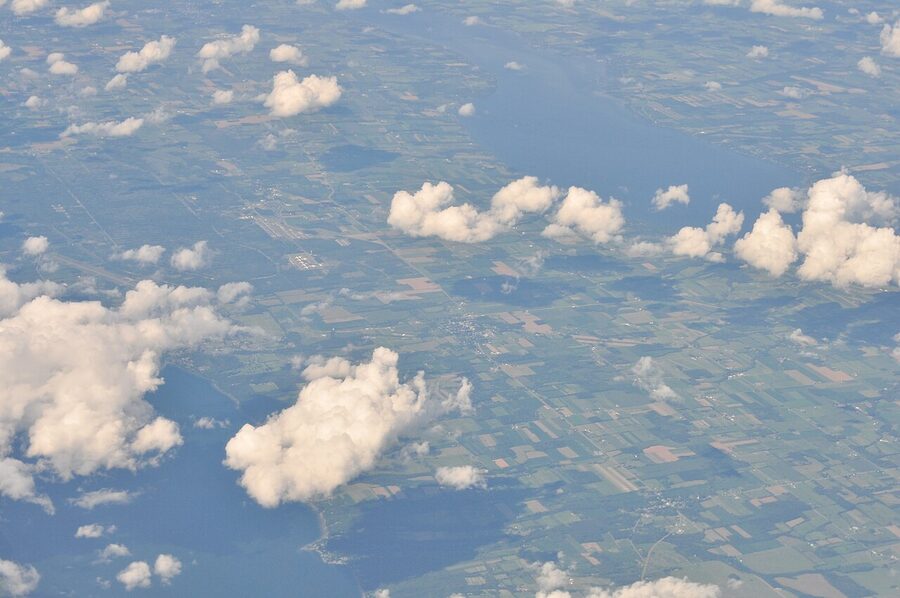
The standard mistake on a first east-side day is trying to do six tastings. You won’t enjoy any of them. Three is the right number, four if you keep the fourth short. Lamoreaux is a 60-to-75-minute commitment if you taste properly. Here are three working pairings:
The classic east-side three (Lamoreaux, Wagner, Damiani)
- 11am Lamoreaux Landing (Lodi). Open with the three single-vineyard Rieslings side-by-side, finish with the T23 Cab Franc.
- 12:30pm Wagner Vineyards (Lodi, six miles south). Lunch at the Ginny Lee Cafe upstairs, then a quick tasting downstairs. Wagner’s Riesling Reserve and the Caywood Estate Bottling are the two to ask about.
- 3:00pm Damiani Wine Cellars (Burdett, ten minutes south of Wagner). Smaller room, serious Cabernet Franc and Meritage. Sit on their hilltop deck. End the day here.
Drive back to Watkins Glen for dinner. Dano’s Heuriger on the lake is the right call if you can get a reservation, Stonecat in Hector is the better pick if you want to be closer to where you tasted.
The deep-Riesling day
- 11am Lamoreaux (Lodi). The single-vineyard side-by-side flight as above.
- 12:30pm Boundary Breaks (Lodi, three miles south of Lamoreaux on Boundary Breaks Road). The other Riesling-focused producer on the east side. Their Adirondack-chair lawn is the best afternoon-sit on the lake. Bring a picnic.
- 3:00pm Forge Cellars (Burdett). Small bone-dry Pinot and Riesling tasting, by reservation only. Tasting fee is $25 but the wines are some of the best in the state. Book a week ahead.
This is the day for someone who came for the wine, not the lake. End at the Stonecat Cafe in Hector for dinner.
The lazy-lake day
- 11am Hector Wine Company (Hector, twelve minutes south of Lamoreaux). Tasting with a deck view, less serious than Lamoreaux but easier to walk into.
- 1pm Lunch at Two Goats Brewing. Burgers and beer on a deck above the lake. Five minutes south of Hector.
- 2:30pm Lamoreaux (Lodi). The afternoon light is best at Lamoreaux around 4pm in the autumn. End here with a bottle of the T23 on the deck.
Three things and a meal, four hours total. This is the day I send people on if they tell me they don’t actually drink that much wine.
What to do nearby on either end of the day
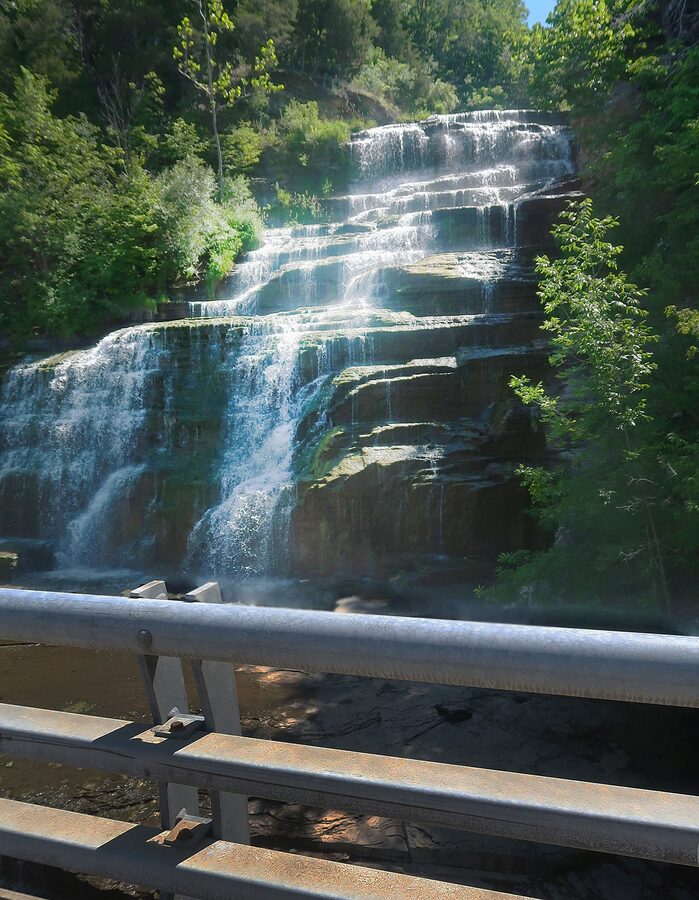
Lamoreaux works as a single stop on a longer day. The east-side wine country runs about 25 miles end-to-end, and the gorges, parks, and waterfalls are scattered all along it. Worth combining with a tasting:
- Watkins Glen State Park. The 19-waterfall gorge trail at the south end of Seneca. About 90 minutes if you walk the loop. Park in the main lot off Franklin Street.
- Hector Falls. A drive-by waterfall on NY-414 between Watkins Glen and Lodi. Five-minute stop, no hike.
- Lodi Point State Park. A small lake-access park with a beach, picnic tables, and boat launch. Perfect for an after-tasting walk before driving home.
- Finger Lakes National Forest. The only national forest in New York State. Trail access from the east side of NY-414. Quiet, less crowded than Watkins Glen, good for a morning walk.
- Stonecat Cafe (Hector). The serious dinner spot in the area. Local, seasonal, sits on the east shore. Reservations needed on Friday and Saturday.
- Dano’s Heuriger (Lodi). Austrian-style wine bar with small plates, a deck on the lake. Limited evening hours; check ahead.
- FLX Wienery (Dundee). Damon Baehrel-style hot dog stand done by the FLX Table chef Christopher Bates. Worth the detour for lunch.
Where to stay if you want to walk back to your room after dinner
Lamoreaux is in farmland; there are no hotels on the property. The closest options:
- The Inn at Glenora Wine Cellars (Dundee, 15 minutes west). A motel-style winery hotel above the west shore. Decent rooms, stadium-style lake view, walkable to one tasting room. Book direct at glenora.com; Booking.com doesn’t carry the property reliably.
- Watkins Glen Harbor Hotel (Watkins Glen, 25 minutes south). The closest full-service hotel. Lake-view rooms, walking distance to the State Park trailhead, decent restaurant. Check on Booking.com.
- Geneva on the Lake (Geneva, 35 minutes north). The historic resort hotel at the north end of Seneca. The fanciest option in the region; classical Italian villa, lake-edge gardens. Check on Booking.com.
- Belhurst Castle (Geneva, 35 minutes north). A 1880s stone castle on the north shore. Eccentric, lake-view, dinner included in some packages. Check on Booking.com.
For an east-side base near Lamoreaux, the smaller Lodi and Burdett B&Bs are the better picks if you want to walk out the door to a vineyard view in the morning. Most book up six to eight weeks ahead for autumn weekends. The full picks are in my Finger Lakes wine tour packages guide with hotel-and-tour combos.
When to visit
Best months in order of preference:
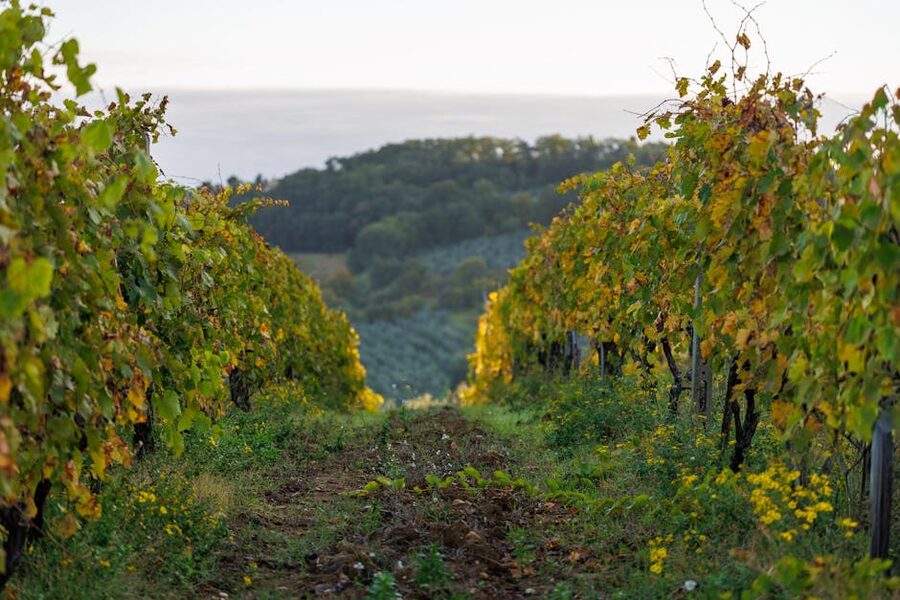
- Mid-September through mid-October. Harvest is happening, the vineyard is colouring up, the deck is open, the weather holds (60s to low 70s, occasional warm afternoon). Book ahead. This is the photograph season.
- Late May through June. Vines are full, lake is warming up, no leaf peepers. Cooler weather, sometimes rain. The deck opens by Memorial Day weekend.
- July and August. The hottest months and the busiest. The deck can be too hot in mid-afternoon; aim for an 11am or 4pm tasting and stay under the umbrella. Book three to four weeks ahead for Saturday tastings.
- April and early May. Quietest, vines look bare, indoor only. Easy to walk in. Better than nothing if you’re already in the area.
- November through March. Indoor only. Some weekday closures in January and February (check the website). The room is calm, the vintners have time to talk. Different experience from the summer; no worse, just different.
How Lamoreaux compares to the other east-side anchor wineries

| Winery | Strength | What to ask for | Compared to Lamoreaux |
|---|---|---|---|
| Lamoreaux Landing | Single-vineyard Rieslings, T23 Cab Franc, sustainability story | Three SV Rieslings side-by-side, T23 Cab Franc | this article |
| Wagner Vineyards | Restaurant, brewery, big-group capacity, broad lineup | Riesling Reserve, Ginny Lee lunch | Bigger, busier, more food on site, less wine focus |
| Atwater Estate Vineyards | Cab Franc, Lemberger, deck view | Cab Franc Reserve, Lemberger | Smaller, more red-focused, more rustic |
| Hazlitt 1852 | Famous Red Cat sweet wine, big tasting room, bachelorette crowd | Schooner Red, dry Riesling | Less serious wine, more party, walk-in friendly |
| Boundary Breaks | Riesling specialists, Adirondack-chair lawn, view | Single-block Rieslings, the Heron Hill collab | Riesling-only, smaller room, bring a picnic |
| Damiani Wine Cellars | Cab Franc, Meritage, Italian sensibility | Cab Franc Reserve, Meritage | Smaller, more serious red-focused, hilltop deck |
| Forge Cellars | Bone-dry Riesling, Pinot Noir, terroir-driven | Riesling Classique, single-vineyard Pinot | The wines may edge Lamoreaux on technique; the room is far less welcoming |
| Standing Stone Vineyards | Saperavi (Georgian red), Riesling | Saperavi, dry Riesling | The under-the-radar pick if you’re a wine geek |
For more on the east-vs-west debate, my east-side vs west-side breakdown covers the trade-off in detail and lays out the day-by-day routings.
How to get a tour without driving
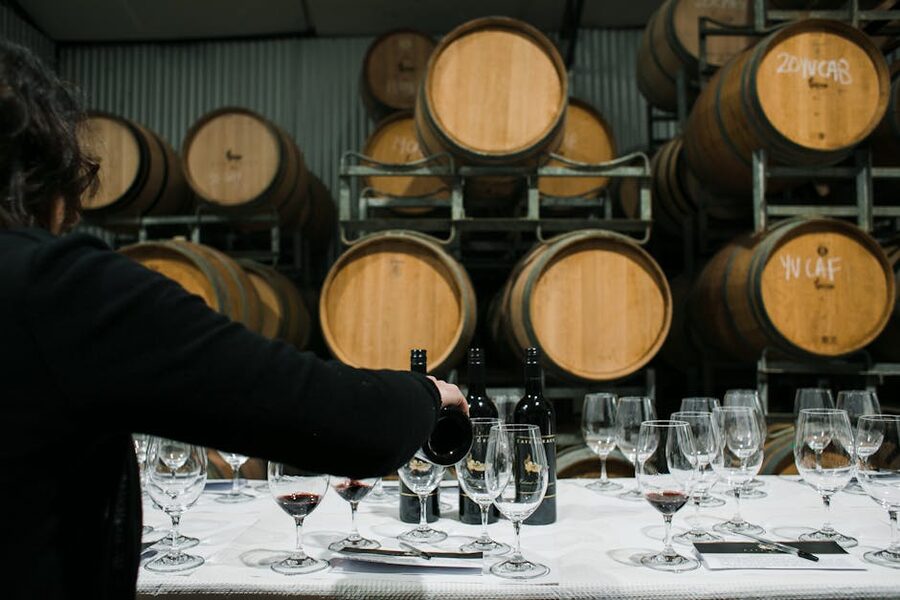
The Lodi-Burdett-Hector stretch of NY-414 is wine country with no public transit. If you don’t have a car, your options:
- Viator small-group bus from Watkins Glen or Ithaca. See the tour card above. The Seneca Lake South tour is the closest fit if Lamoreaux is on your list.
- GetYourGuide tour from Geneva. The Seneca Lake Wine Tasting Tour with Lunch covers a five-winery day with Lamoreaux on most weekends.
- Crush Beer & Wine Tours (Rochester-based). Custom east-side itineraries, can include Lamoreaux on request. Around $150 per person for a six-hour day. crushbeerwinetours.com.
- Lakeside Trolley. A hop-on hop-off east-side trolley running from Watkins Glen as far north as Lodi. Not great for serious tasting but works for a casual sampler day. lakeside-trolley.com.
- Private car with driver. Geneva and Watkins Glen have several local operators (Senecaglide, Empire Limousine), typically $400 to $600 for a six-hour day for up to six people.
For a deeper look at the bus options, my Finger Lakes wine tour buses guide compares the seven operators worth booking and what each charges.
Who Lamoreaux Landing isn’t for
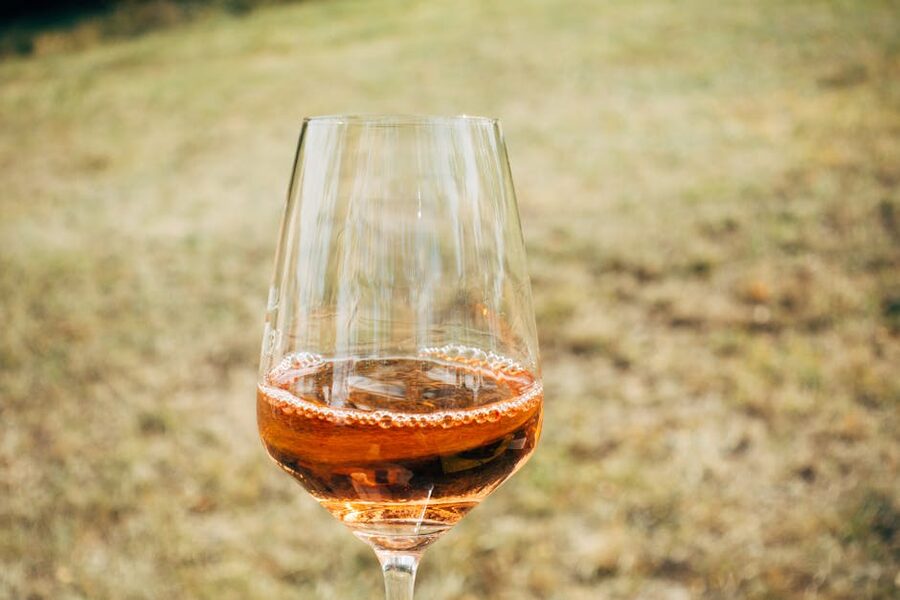
I’d skip Lamoreaux if:
- You want a sweet-wine party. Lamoreaux’s wines are mostly dry. The Red Cat at Hazlitt 1852 a few miles north is the right call instead.
- You want a big tasting-room scene with a DJ. The room is calm. Try Wagner if you want energy.
- You want to walk in with no plan and grab a table. You can on weekdays. On Saturdays you’ll wait. Reserve.
- You’re in a hurry. The five-wine flight is 60 minutes and the staff don’t speed it up.
- You drink only Napa-style reds. The Lamoreaux Cab Franc and Pinot Noir are cool-climate, leaner, more savoury. They are not Caymus.
And conversely, this is the right room if you actually want to learn what’s different about Finger Lakes wine, want to taste site expression in single-vineyard Rieslings, want a building that’s worth looking at, and don’t mind paying $15 for a tasting that’s probably better than the $30 ones at the bigger houses.
The bottom line
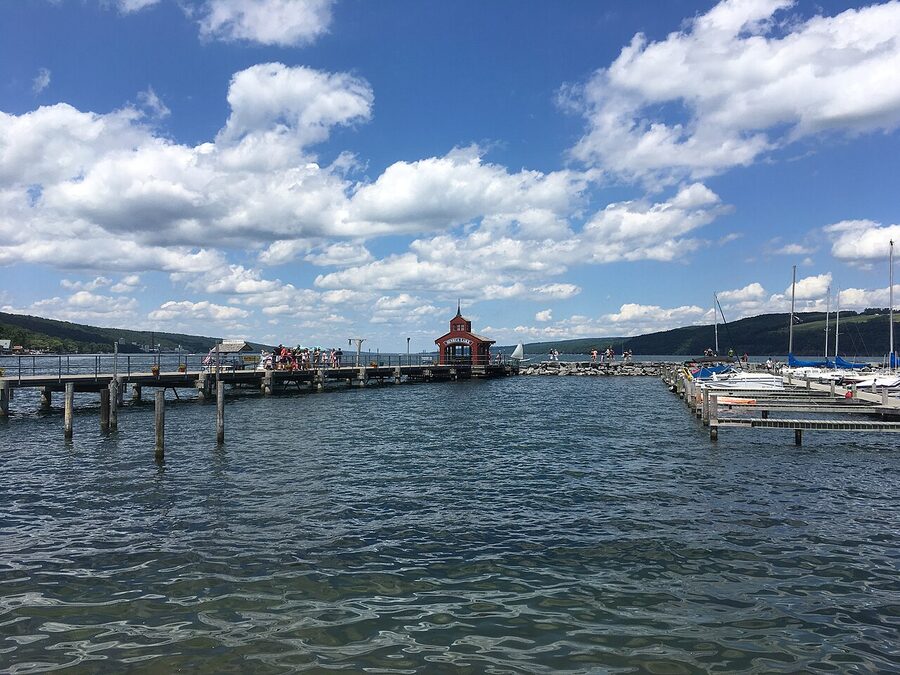

Lamoreaux Landing is the safest recommendation I have on the east side. The wines are good top-to-bottom (more than 90 of them have racked up Wine Spectator scores in the 90s, which the staff don’t bother telling you about), the building is the most thoughtfully designed on Seneca, and the family has been farming this land for almost a century. The pricing is honest and the staff treat you like a guest, not a transaction.
If I’m sending one friend to one east-side winery, this is the one. If I’m sending three friends to three wineries, Lamoreaux is the start of the day.
If you want the broader east-side context, my Seneca Lake Wine Trail itinerary walks the full 25-mile loop with both shores; the complete Finger Lakes wine tours guide sets Lamoreaux in the wider regional picture.
 Travel TipsFall Foliage in the Finger Lakes: When and WhereIf you have driven south on Route 414 in the second-to-last week of October, you already know what this article…
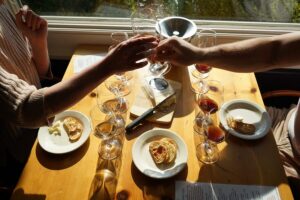 Wine RegionsSheldrake Point: Cayuga Lake’s Lakefront Tasting RoomThe first time I drove down County Road 153 to Sheldrake Point, I missed the turn. You come around a…
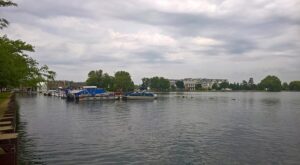 Travel TipsThings to Do in Canandaigua, NY: A Wine-Country TownYou drove down from Rochester for the gardens. That was the plan. Sonnenberg in the morning, lunch somewhere on Main…