
Yes, with caveats. Brotherhood Winery in Washingtonville is genuinely the oldest continuously operating winery in the United States, and the underground cellars are the only thing in New York wine country that gives you a real sense of what 19th-century American winemaking looked like. The grounds are pretty. The 1839 Restaurant on-site is decent. But the wines are uneven. If you’re driving up from Manhattan expecting a Hudson Valley equivalent of a Sonoma flight, lower the bar. Go for the history, the cellars, and the spectacle. The bottles you take home should be chosen carefully.
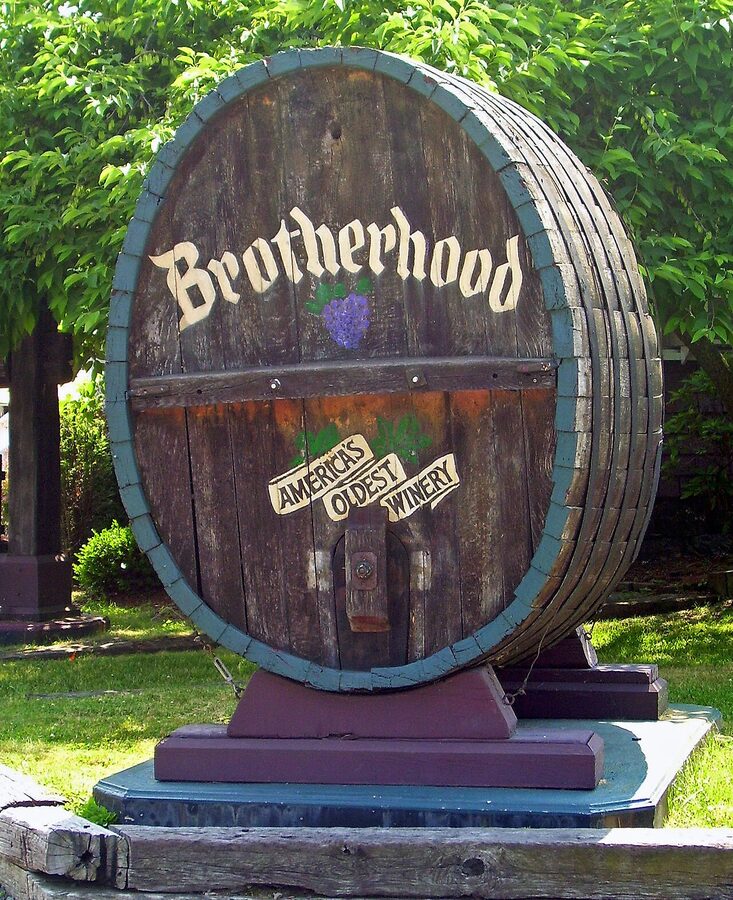
I have visited Brotherhood three times across about a decade. The first visit, as a college student, I thought it was the coolest thing in the state. The second, in my late twenties, I came back with friends and a more critical palate, and we spent the drive home arguing about whether the place was worth recommending. The third visit, last autumn, I went in knowing exactly what I was looking for. The $25 guided cellar tour, a careful tasting flight, lunch at 1839, and a stop at Storm King on the way home. That visit was the best of the three, and the rest of this guide is built around making sure yours plays out the same way.
In a Hurry?
Two ways to do Brotherhood without overthinking it:
- Add it to a NYC day trip (Viator): the all-day NYC Wine Country tour pairs a Hudson Valley winery visit with a stop at the Walkway Over the Hudson. Best if you don’t have a car.
- Book a Hudson Valley vineyard experience (Viator): a half-day Hudson Valley wine tasting that’s a softer commitment than a full day-tour bus, and it’ll get you out of the city.
- Drive yourself: Brotherhood is 50 miles from Manhattan via I-87. Public tours are $25, walk-in only, Tuesday-Sunday, no reservation needed. The cellars open at 11am.
Book NYC Wine Country tour on Viator
Hudson Valley vineyard half-day on Viator
In This Article
- The Verdict, Expanded
- Why “America’s Oldest Winery” Is a Slightly Contested Title
- The Site Itself: Washingtonville and the Stone Buildings
- The Four Eras, Briefly
- The Cellar Tour: The Reason to Come
- Practical notes
- The Featured Tour Card: NYC Wine Country Day Trip
- What to Drink, Honestly
- The genuinely good
- The interesting curiosities
- The skip list
- The 1839 Restaurant and the Wine Garden
- Hours, Prices, and the Reservation Question
- Getting There from NYC
- Driving
- Without a car: Metro-North + ride-share
- By guided wine tour
- Make a Day Out of It: Pairing Brotherhood with Storm King and the Highlands
- Storm King Art Center
- Hudson Highlands hiking
- Walkway Over the Hudson
- Newburgh waterfront
- Woodbury Common
- One Note on Weekend Weddings
- Where to Stay Nearby
- Halloween, Christmas, and the Seasonal Calendar
- The Shawangunk Wine Trail Question
- One Honest Note on Brotherhood vs. the Finger Lakes
- So, Worth a Visit?
The Verdict, Expanded
Brotherhood traces its first commercial vintage to 1839. That’s not marketing copy. The Cornell University Library holds the Brotherhood Wine Company Records from 1822 to 2006, and the National Register of Historic Places added the property in 2000. The site has been making wine, with one quiet Prohibition-era detour into sacramental output, for 187 years.
So why the caveat? Because the brand spent most of those years making sweet sacramental and labrusca wines, and the modern lineup is still finding its feet. The Pinot Noir is the most credible bottle on the list right now. The traditional-method Grand Monarque sparkling has a story behind every cork. And the Holiday wine, the spiced one that’s been a cult favourite since the Victorian era, is genuinely unlike anything else made commercially in the US. But the Chardonnay is plain, the Merlot is forgettable, and the May wine is a sweet curiosity nobody serious about wine should pretend to enjoy. The visit is worth it. The bottles are a mixed bag. Treat the gift shop as a souvenir stop, not a cellar-stocking expedition.
Why “America’s Oldest Winery” Is a Slightly Contested Title
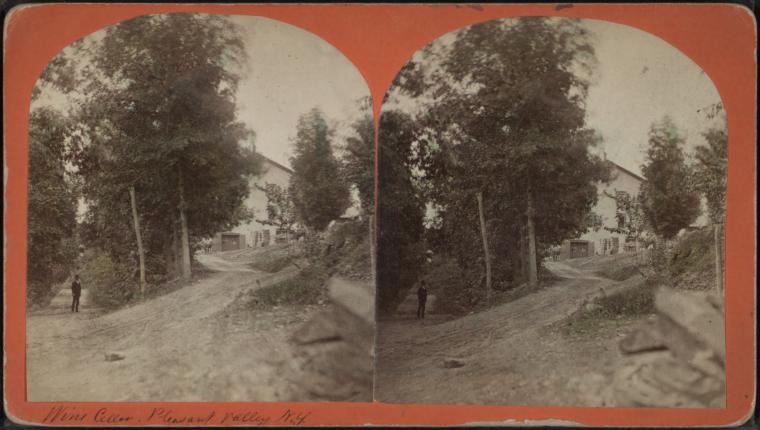
Three claims you’ll hear thrown around the Hudson Valley:
- Brotherhood says it’s the oldest continuously operating winery in America, founded 1839 in Washingtonville.
- Pleasant Valley Wine Co. in Hammondsport (Finger Lakes) says it’s US Bonded Winery No. 1, the literal first winery licensed by the federal government, in 1860.
- Benmarl Winery in Marlboro (also Hudson Valley) says its land holds the oldest continuously cultivated vineyard in America, with vine cultivation traced to the 1600s.
All three are true. They’re answering different questions. “Bonded” means “federally licensed and surety-bonded,” which only became a thing in 1860, and Brotherhood was making wine before that designation existed. Continuously cultivated vineyard land is a different metric again. The version that matters when you’re standing in front of the Brotherhood gate: no other winery in the US has been operating from the same address, with the same brand, since 1839. That’s the line the National Register accepts and the New York State tourism board uses. Take it with the asterisks attached and move on.
The Site Itself: Washingtonville and the Stone Buildings
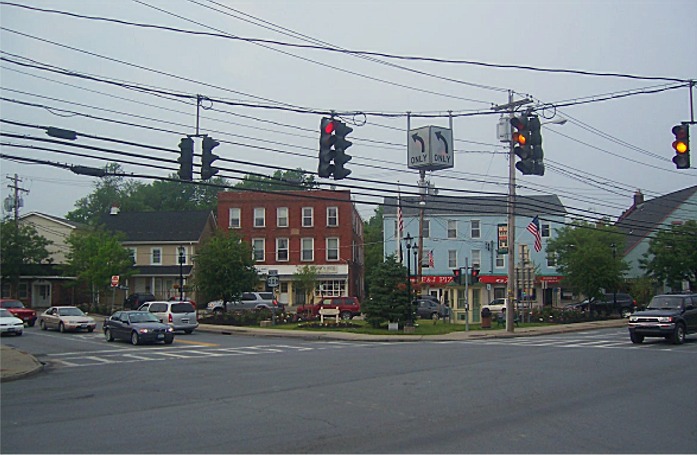
Brotherhood sits at 100 Brotherhood Plaza Drive in Washingtonville, NY 10992. Orange County. About 50 miles northwest of Manhattan, 12 miles west of Newburgh, 70 miles southeast of the closest Catskill peaks. The property is a small village of stone buildings: wine production on one side, a tasting room and showroom in the centre, the 1839 Restaurant in a barn-like building, the Grand Monarque Hall for weddings, an outdoor wine garden, and the staircase down to the cellars. The buildings the Emersons added in the 1880s and 1890s are still standing, low and stone-built with the same proportions you see in the wine villages of Burgundy. The Emersons studied French and German wine architecture and copied what they saw.
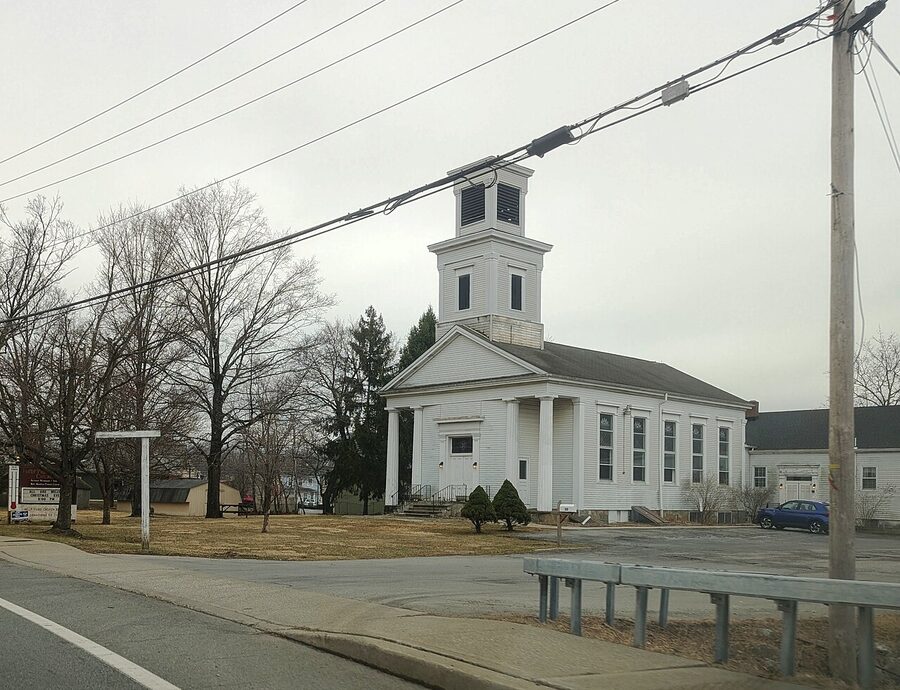
The church is on East Main Street, a 90-second drive from the winery. You can stand in the car park and look at the same three streets John Jaques walked between his cobbler’s shop, his vines, and his pulpit.
The Four Eras, Briefly
Brotherhood’s history page is unusually honest about the murk in the early decades, and the legend-versus-fact framing is what makes the cellar tour worth listening to. The short version goes like this.
The Jaques family (1839 to 1886). John Jaques was a Scottish-immigrant cobbler who started growing native grapes in his Washingtonville back garden in 1824. His first commercial vintage went out in 1839 under the label “Blooming Grove Winery,” marketed for sacramental use. The wine got a Victorian-era reputation for being unusually clean. In 1858 he passed it to his three sons (John Jr., Oren, Charles), who expanded to 15 different styles and 35,000 gallons in storage. By 1886, ill health forced Charles, the last surviving brother, to sell.
The Emersons (1886 to 1920). Jesse and Edward Emerson bought the operation and renamed it Brotherhood Wine Company. The name was inherited from a religious community called the Brotherhood of New Life that the Emersons had previously distributed wine for. They liked the brand recognition and kept it. Under the Emersons, Brotherhood expanded the stone buildings, dug more underground vaults, and started producing methode champenoise sparkling, fermented in the bottle. That technique still produces the Grand Monarque sparklings sold today.
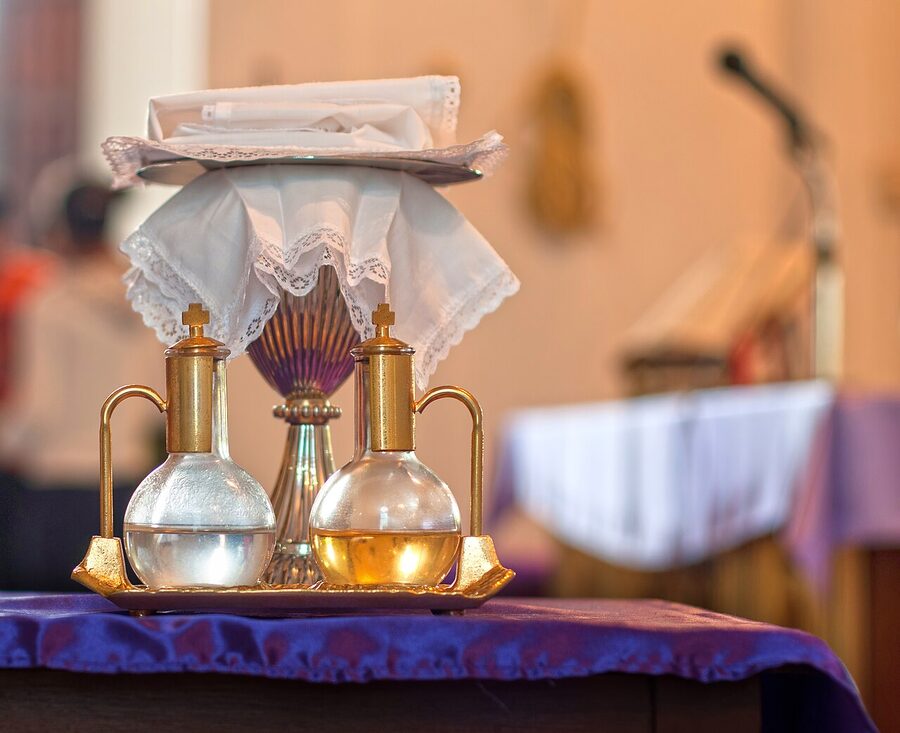
Louis Farrell and Prohibition (1920 to 1947). When Prohibition was enacted on January 17, 1920, Edward Emerson partnered with Louis L. Farrell to reorganise as the Brotherhood Corporation. They got a Volstead Act permit for medicinal and sacramental wines and kept production going through the Washingtonville vines plus a Livermore Valley vineyard in California, shipped east by tank car. When Repeal hit on December 5, 1933, Brotherhood released a stockpile of roughly 500,000 bottles of 1915 champagne that had been cellaring through the dry years. That gave them a serious head start on every other American winery rebuilding from scratch.
The Farrell cousins to Cesar Baeza (1947 to present). Louis Farrell and his son Louis Jr. died in close succession in 1947. Francis Farrell ran the winery through the postwar era and oversaw the addition of the modern visitor tour facilities, making Brotherhood’s claim to “inventing wine tourism in America” roughly defensible. Cesar Baeza, a Chilean winemaker, bought the winery in 1987 and started planting vinifera in Long Island. The Baeza-era wines are the best Brotherhood has produced, and the property has slowly shifted from historic novelty toward functional modern winery.
The Cellar Tour: The Reason to Come
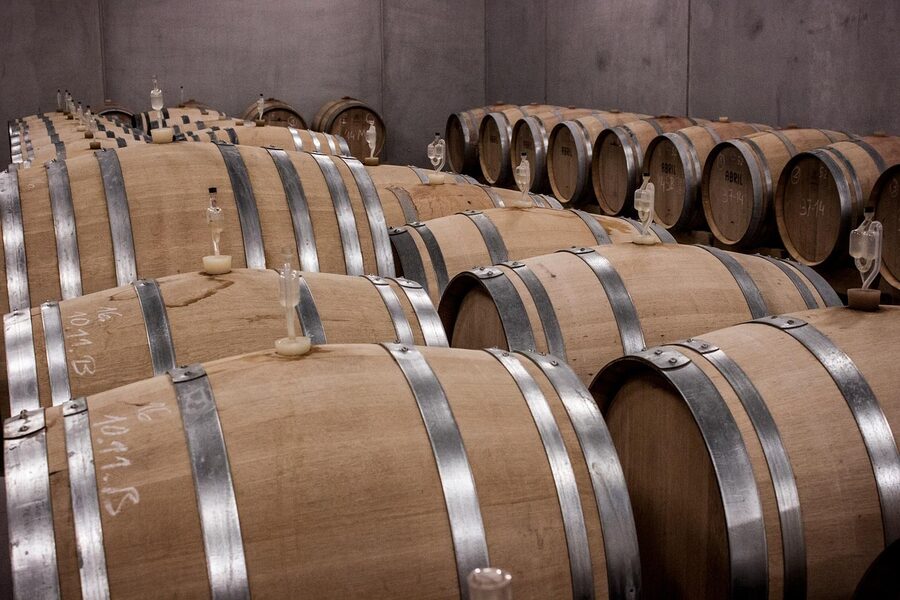
The cellar tour is $25 per person, Tuesday through Sunday, walk-in. No reservations. Tours leave as small groups gather, so you might wait 10 minutes solo or walk straight in if eight people just headed down.
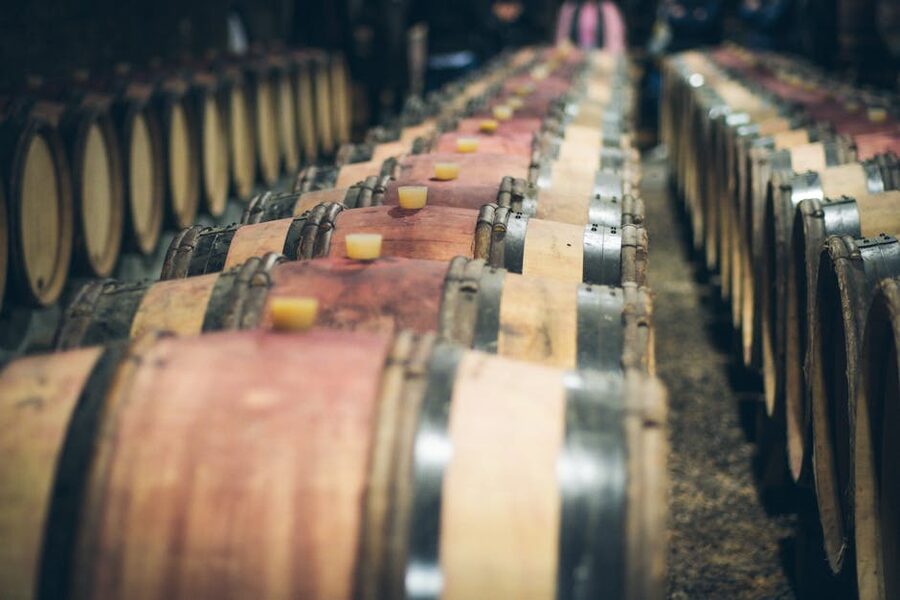
What you get for $25: a guided walk through cellars dug by hand in the late 19th century, a look at the 200-plus oak barrels currently in service, the crested vault holding some of the oldest vintages in America (visible, not drinkable), an explanation of methode champenoise, and a 5-from-10 tasting in the modern showroom afterward at one ounce per pour.
The unguided $15 tasting gives you the same 5-from-10 wines but skips the cellar. Don’t do this. The cellar walk is Brotherhood. Without it you’re paying a steep tasting fee at a winery whose bottles are no better than the average Finger Lakes producer.
The guides vary. Some are theatrical, others read off script. The history they’re working from is genuinely interesting, so even an average guide gets you 70% of the value. The best ones lean into the Prohibition story, the legend-vs-fact framing of the founder’s nationality, and the detail that Brotherhood “Holiday” wine has been the same recipe since the 1880s.
Practical notes
- Wear flat shoes. Cellar floor is uneven brick and stone.
- The cellars stay around 55-58F. Bring a layer even on a 90-degree summer day.
- Bring valid ID. Under-21s must be accompanied by an adult and won’t be poured.
- No pets inside, but pets are allowed in the outdoor wine garden.
- No outside food, but picnics on the lawn are fine.
- Groups of 20+ need to contact the winery in advance (Juan Sanchez is the events contact).
The Featured Tour Card: NYC Wine Country Day Trip
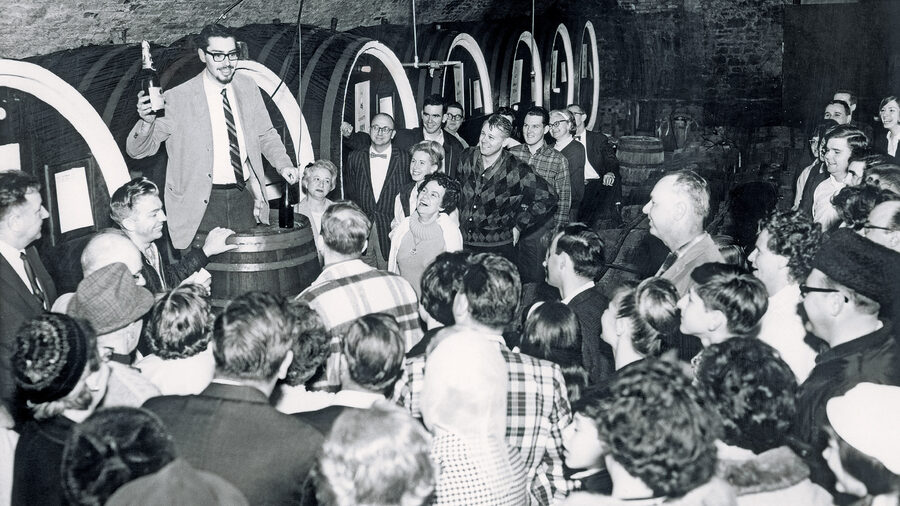
NYC Wine Country Tour with Wine & Food Tasting in Hudson Valley
This is the day-trip I’d point a first-timer toward if they don’t want to drive. Pickup is in Midtown Manhattan, you spend the day in the Hudson Valley with stops at one or two wineries plus the Walkway Over the Hudson, and lunch is included. Brotherhood isn’t always the specific winery on the itinerary (it rotates between Brotherhood, Benmarl, and Whitecliff depending on season), so check current itinerary before booking if Brotherhood is the must-stop. If it’s the broader Hudson Valley wine experience you want, this is the easiest way.
What to Drink, Honestly
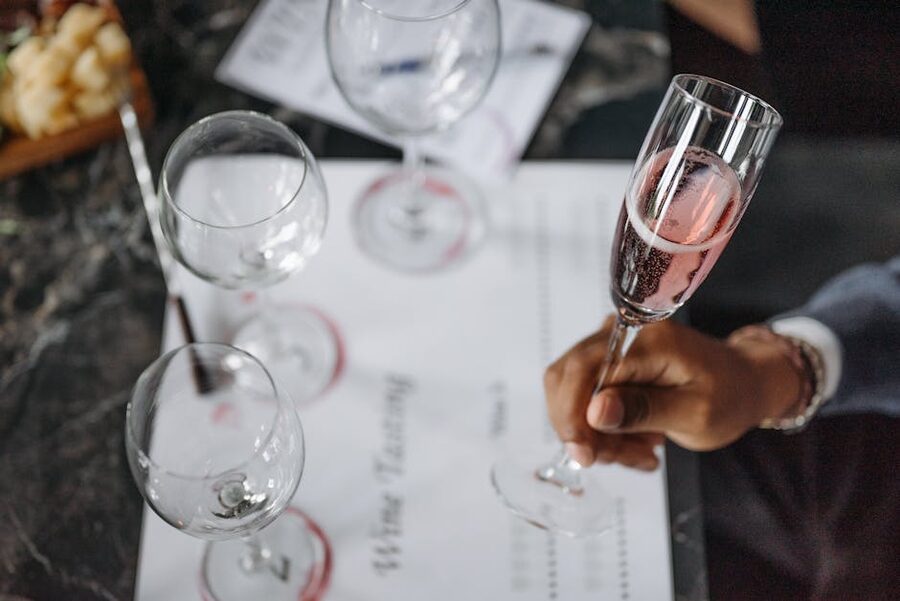
The tasting list rotates, but typically includes a mix of dry and traditional sweet selections. Here’s how I’d rank what I’ve had over the years.
The genuinely good
- Pinot Noir. Light, mid-bodied, more Burgundian than Californian. The best dry red they make. Not a cellar-worthy bottle, but a perfectly enjoyable Tuesday-night red. Around $20.
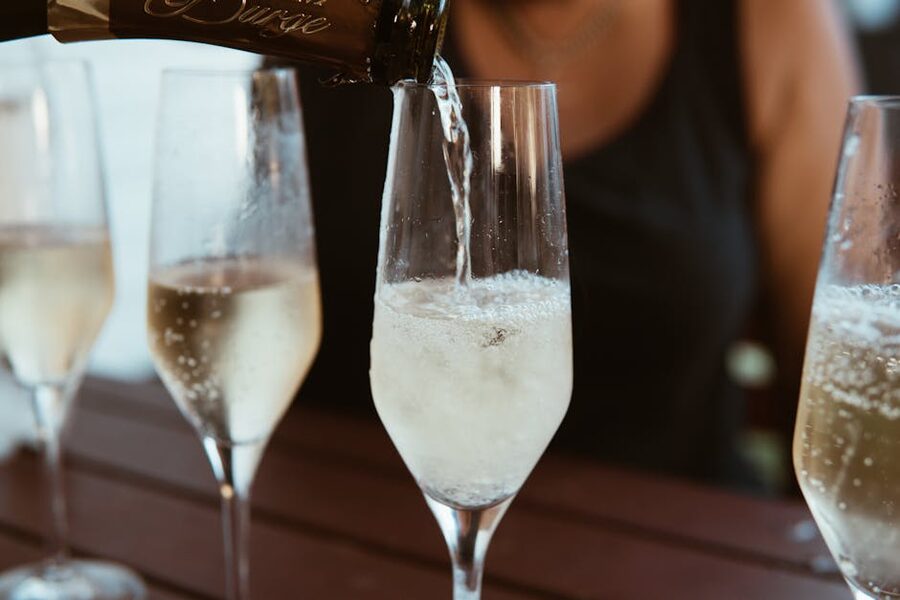
- Grand Monarque Brut Champagne (sparkling). The methode champenoise sparkling that’s been their signature since the Emerson era. Yeasty, crisp, dry. Buy a bottle.
- Riesling. Cool-climate Hudson Valley Riesling has the same general appeal as Finger Lakes Riesling: nervy acidity, off-dry to dry. Brotherhood’s is competent, not exceptional.
The interesting curiosities
- Holiday Spiced Wine. The cult bottle. Spiced with citrus and clove based on a 19th-century recipe that hasn’t changed materially in 140 years. Best mulled in winter. People come back to Brotherhood specifically for this. It’s not a serious wine, but it’s a serious piece of Americana, and it’s genuinely delicious warm.
- Port-style fortified. Dessert wine made in the traditional Portuguese style. Sweet but balanced. A bottle lasts months.
- Sheba Te’j Honey Wine. Brotherhood makes an Ethiopian-style honey wine called Sheba. It’s a curiosity item rather than a flagship bottle, but it pairs surprisingly well with spicy food.
The skip list
- Chardonnay. Plain, no character. The Finger Lakes makes much better Chardonnay at the same price point.
- Merlot. Forgettable. North Fork Long Island Merlot is in a different league.
- May Wine. Sweet strawberry-flavoured wine. A novelty. Don’t waste a tasting pour on it.
- Cabernet Sauvignon. Hudson Valley climate is not ideal for Cab Sauv, and Brotherhood’s is overcropped and thin.
The 1839 Restaurant and the Wine Garden
1839 Restaurant & Bar (845-614-5867) sits on the Brotherhood property in its own building. American with Italian leanings: pasta, flatbread, a steak, sandwiches. Not a destination, but a perfectly good post-cellar lunch where you don’t have to drive anywhere.
The outdoor Wine Garden Patio is more casual in good weather: charcuterie boards, pours by the glass, seasonal cocktails. Dog-friendly. Weekend live music tends toward “wedding reception background,” but it doesn’t hurt.
Off-property, the village has Loughran’s Irish Pub in Salisbury Mills (845-496-3615) and Bella Luna in Blooming Grove (845-496-3747). Drive 12 miles east to Newburgh for Cosimo’s on Union (upmarket Italian) or Pamela’s on the Hudson (waterfront).
Hours, Prices, and the Reservation Question
Current rates and hours, as of 2026:
- Public Tour + Tasting: $25 per person. Tuesday-Sunday. Walk-ins, no reservation needed.
- Public Tasting Only: $15 per person. Same hours. Skip this and pay $25 for the cellar.
- Closed Mondays year-round.
- April-December hours: Tuesday-Friday 11am-5pm (Friday 11am-6pm), Saturday 11am-6pm, Sunday 11am-5pm.
- January-March hours: Closed Tuesday and Wednesday. Thursday 11am-5pm (retail store only, no tours), Friday 11am-5pm, Saturday-Sunday 11am-5pm.
- Closed: New Year’s Day, Thanksgiving, Christmas Day. Open most other holidays including MLK, Presidents’ Day, Easter, Memorial Day, July 4, Labor Day, Columbus/Indigenous Peoples’ Day, Veterans Day.
The reservation question: you don’t need one for the standard tour and tasting. If you’re going on a Saturday in October during peak foliage, expect a 15-30 minute wait for your tour to leave. Go on a Tuesday or Friday and you’ll walk in to a near-empty cellar.
Getting There from NYC
Driving
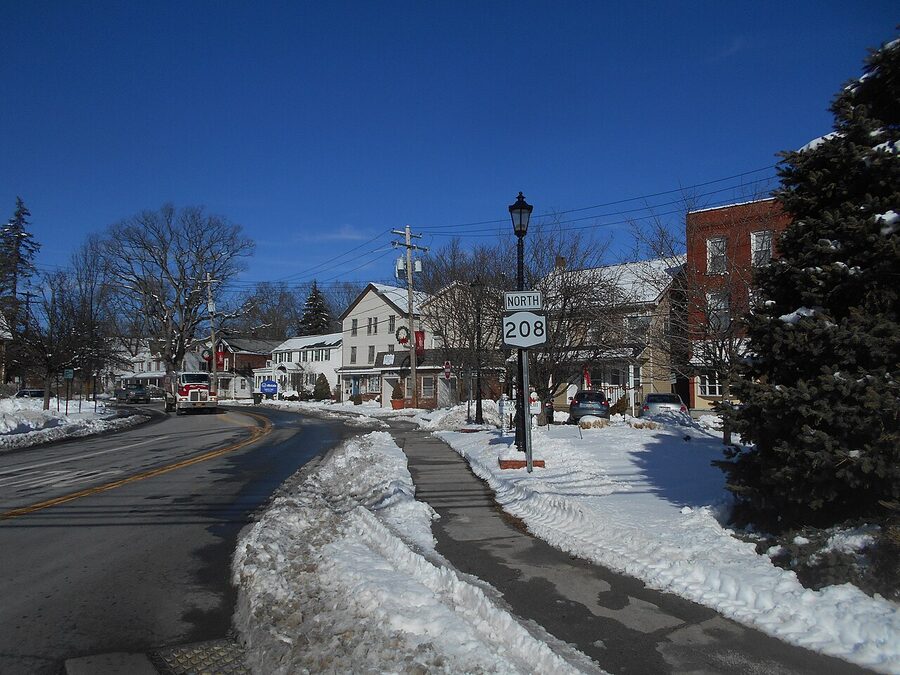
From Manhattan: take I-87 north (the New York State Thruway), exit 16 (Harriman), then NY-17 west to NY-208 north into Washingtonville. The total drive is about 50 miles and runs 75 minutes off-peak, 2 to 2.5 hours in Friday-evening northbound or Sunday-evening southbound traffic.
Parking at Brotherhood is free and ample. The lot wraps around the main building cluster and there’s overflow grass parking for festivals and weddings.
Without a car: Metro-North + ride-share
Brotherhood lists Metro-North Railroad as a transportation resource, which gets you partway. The Hudson Line goes to Beacon, the Port Jervis Line goes to Salisbury Mills-Cornwall (about 6 miles from Brotherhood). From either station you’d need a taxi or rideshare to cover the last leg. From Salisbury Mills, the local taxis Brotherhood recommends are A-1 Transportation (845-562-7300), All Budget Taxi (845-561-2210), Bob’s Taxi of Newburgh (845-561-8330), and Dr. Bird Taxi (845-565-4595).
Honestly, if you don’t have a car, the Viator or GetYourGuide day-trip is much easier. The Short Line Bus (Coach USA) used to run a Brotherhood-specific package; it’s still a way to get from Port Authority to nearby Newburgh, but the Brotherhood-branded round-trip product comes and goes seasonally, verify before relying on it.
By guided wine tour
If you want someone else to handle the logistics, the two Hudson Valley day-trip options I’d consider:
- Viator: NYC Wine Country Tour with Wine and Food Tasting in the Hudson Valley: pickup in Manhattan, full day, Walkway Over the Hudson included, around $189-220/person depending on date.
- GetYourGuide: New York City Day Trip to Hudson Valley Wine Country: similar concept, four wineries plus the Walkway, around $189/person.
Whether your specific tour stops at Brotherhood depends on the operator’s rotation. Read the itinerary on the booking page, or message the operator beforehand if Brotherhood is non-negotiable. Many of these tours visit Whitecliff Vineyards, Benmarl, or Hudson-Chatham Winery instead, and substitute Brotherhood seasonally.
Make a Day Out of It: Pairing Brotherhood with Storm King and the Highlands
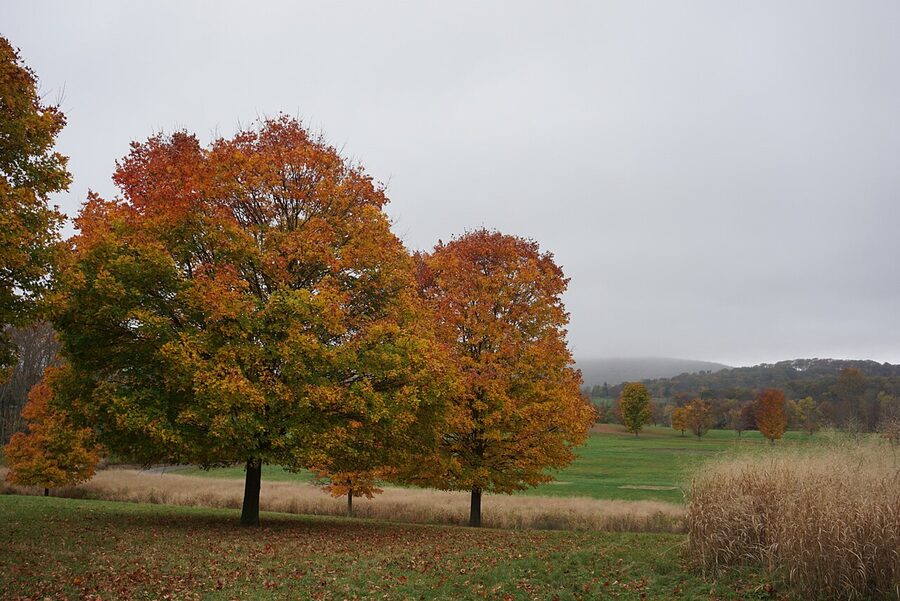
The brilliant thing about Brotherhood is that it sits in one of the densest concentrations of weekend-day-trip options in the Hudson Valley. You can build a 6 to 8-hour day around it without much effort.
Storm King Art Center
500 acres of contemporary sculpture in the open: Calder, Serra, di Suvero, Goldsworthy. 12 miles south of Brotherhood in Mountainville, about a 25-minute drive. Plan 2 to 3 hours minimum. Open April through November, closed in winter. Tickets around $25. stormking.org
Hudson Highlands hiking
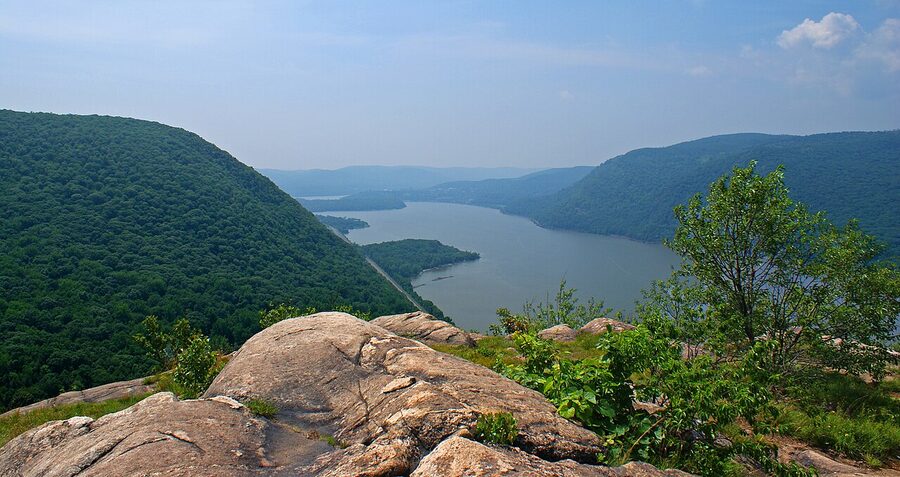
Bear Mountain State Park, Schunemunk Mountain, and Breakneck Ridge are all within 30 minutes. Breakneck is the famous one, short, steep, very Instagrammed. Schunemunk is the longer, quieter alternative with different geology. Stash hiking boots in the car and pick the trail based on weather and how much wine you’ve had.
Walkway Over the Hudson

1.28-mile pedestrian bridge across the Hudson at Poughkeepsie. 200 feet above the water. Free, open dawn to dusk. 35 miles north of Brotherhood, so a stretch on the same day unless you started early. Most NYC-Hudson-Valley wine day-tours include it as the head-clearing post-tasting walk.
Newburgh waterfront
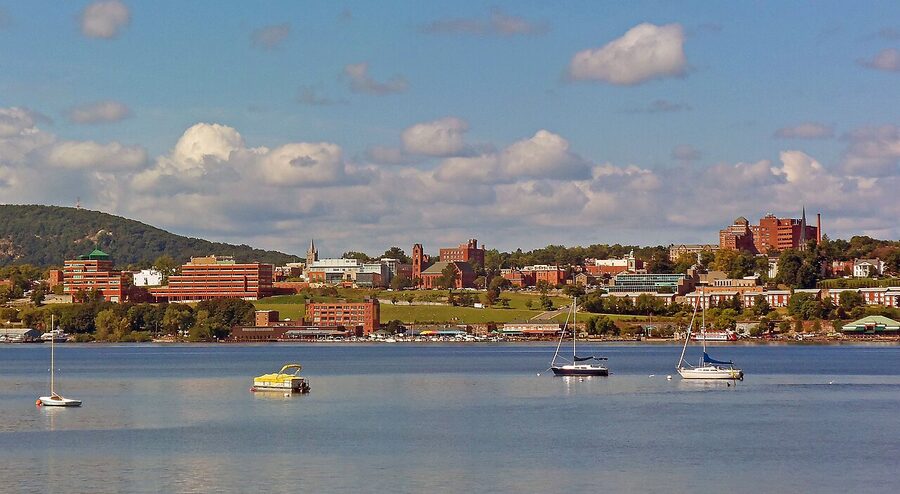
If you want a sit-down dinner with a Hudson view, drive 12 miles east from Brotherhood to Newburgh’s waterfront. The waterfront strip has a cluster of restaurants with patios over the river, Pamela’s on the Hudson, Liberty Street Bistro, Cosimo’s. The town itself is rough around the edges but the waterfront is a different world. Pair this with sunset and you’ve ended the day better than 90% of NYC day-trippers manage.
Woodbury Common
If your travel partner is bored at the third winery, Woodbury Common Premium Outlets is 8 miles south. You’ll either love this or hate it. I am not going to weigh in.
One Note on Weekend Weddings
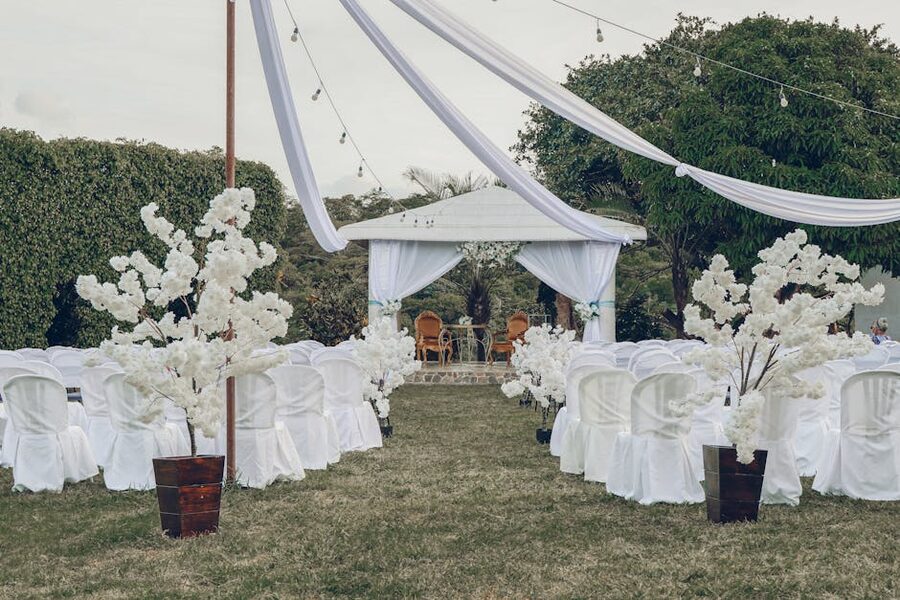
The Grand Monarque Hall, the Grand Salon, and the outdoor courtyard are all rented as wedding venues throughout the warm months. The cellars and tasting room stay open during weddings, so this doesn’t ruin a visit. But if you’ve come for atmospheric Victorian solitude, a Sunday in March is your better bet than a Saturday in June.
Where to Stay Nearby
Brotherhood is a day-trip from Manhattan and most people treat it that way. If you’re staying overnight, Orange County has a mix of corporate and B&B options:
- Caldwell House Bed & Breakfast in Salisbury Mills (845-496-2954), the closest B&B to Brotherhood, about 4 miles, walkable distance to the train station. Check rates on Booking.
- Dominion House Bed & Breakfast in Washingtonville itself (845-496-1826), closer still, in the village.
- Hampton Inn by Hilton, Middletown (845-695-8902), a chain hotel, 12 miles west. Check rates on Booking.
- SpringHill Suites by Marriott, Fishkill (845-896-8100). 30 minutes east, useful if you’re combining Brotherhood with the Walkway and Beacon. Check rates on Booking.
- Mohonk Mountain House in New Paltz if you want a destination resort 30 miles north. Pricey but special. Check rates on Booking.
- Beacon, 25 miles east, has the best concentration of design-forward small inns and is the most enjoyable Hudson town to walk around. Check Beacon hotels on Booking.
Halloween, Christmas, and the Seasonal Calendar
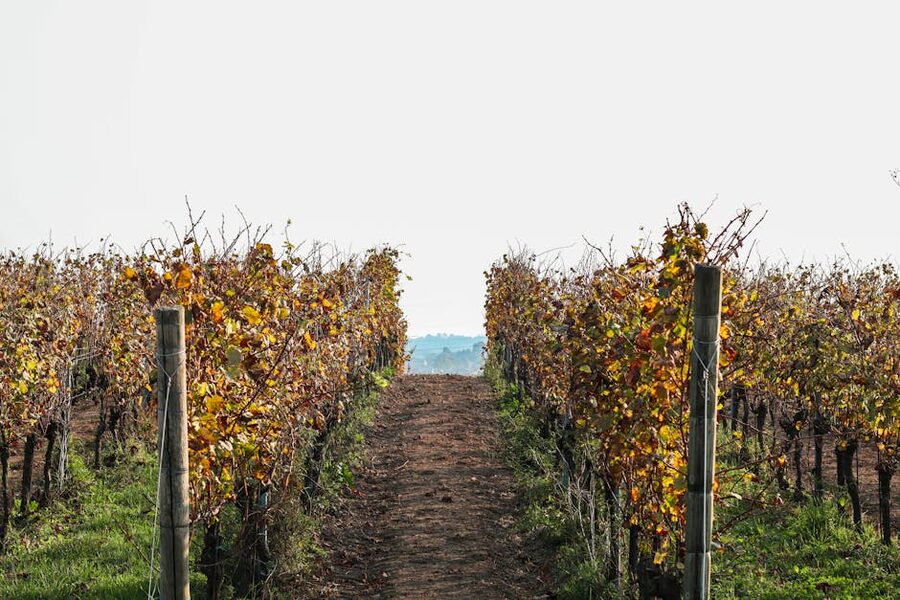
Brotherhood leans hard into seasonal events, more than most American wineries. Mother’s Day weekend in May runs a 15-wine tasting plus charcuterie and lawn games on the patio. Halloween cellar tours in late October play up the dim, old-vault atmosphere with themed nights and mulled Holiday wine. November and December bring wreath-making, gift-box specials, and the annual Holiday wine sales peak. Wine-club members get quarterly releases and occasional Baeza-led tastings throughout the year. Check the events page on brotherhood-winery.com a week before you go, the seasonal calendar shifts year to year.
The Shawangunk Wine Trail Question
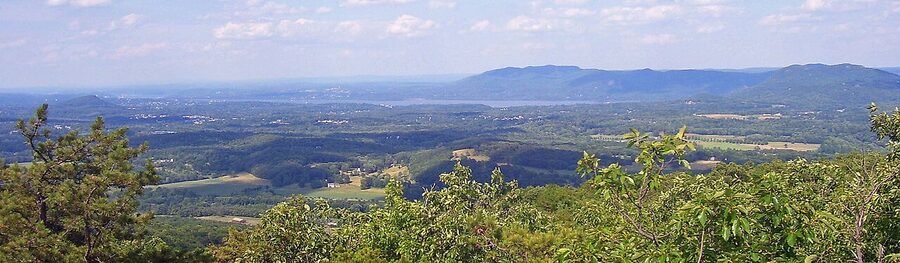
Brotherhood is a member of the Shawangunk Wine Trail, the closest thing the Hudson Valley has to an organised wine trail like the Finger Lakes have. The trail loops through Orange and Ulster counties and includes a dozen wineries. The trail’s signature event is the “Hudson Valley Wine Tasting Passport”: pay once, taste at multiple wineries on the trail, no individual reservations.
If you’re planning a full-day Hudson Valley wine outing rather than a single-winery visit, the trail’s other notable members are City Winery Hudson Valley, Benmarl, Whitecliff, Robibero, and Glorie Farm. The Brotherhood-Whitecliff-Benmarl trio is a reasonable three-stop loop that fills a long day. Whitecliff is the most consistently good wine of the three.
One Honest Note on Brotherhood vs. the Finger Lakes
If you’ve been to the Finger Lakes and you’re judging Brotherhood by the same standard you’d apply to Hermann J. Wiemer or Dr. Konstantin Frank, you’re going to be disappointed. The Finger Lakes makes better Riesling, better Cabernet Franc, better dry varietal wine across the board. There is no way around that. You can read about that whole wine country in our complete Finger Lakes wine tours guide, or specifically about the trail Brotherhood’s Pleasant Valley-rivalry-claim runs into, the Keuka Lake Wine Trail.
What Brotherhood has that no Finger Lakes winery has: 187 years of continuous operation, hand-dug 19th-century cellars, the Prohibition-era survival story, and a 50-mile drive from Manhattan instead of a 5-hour drive to Geneva. Take a bottle of Grand Monarque sparkling and a bottle of Holiday wine home. Don’t pretend you went for the cellar-aged Cabernet.
For the broader region, our Hudson Valley wine tours guide covers the eight wineries worth driving between and the Metro-North logistics for car-less trips. The wine tours from NYC guide ranks the day-trip options. And the Hudson Valley wine train piece sets the record straight on which trains exist and which don’t.
So, Worth a Visit?
Yes. Once. Maybe twice if you want to bring different visiting friends through.
Treat it as a piece of historical Americana that happens to also pour wine, not as a contemporary winery on the strength of its bottles. Pair it with Storm King or the Walkway Over the Hudson to fill the day. Buy the Grand Monarque sparkling and the Holiday wine. Skip the May Wine. Eat at 1839 if you want convenience or drive into Newburgh if you want a view. Plan for a Tuesday or Friday if you want the cellars half-empty, or accept the wait if you’re going on a fall Saturday.
Brotherhood is the only winery in America where you can drink a glass of sparkling that traces directly back to a process introduced in the 1880s, in cellars dug by Civil War-era hands, on land that has not stopped making wine since 1839. That’s worth a $25 ticket and a day of your time. It’s not worth pretending the wines themselves are better than they are.
 Travel TipsFall Foliage in the Finger Lakes: When and WhereIf you have driven south on Route 414 in the second-to-last week of October, you already know what this article…
 Wine RegionsSheldrake Point: Cayuga Lake’s Lakefront Tasting RoomThe first time I drove down County Road 153 to Sheldrake Point, I missed the turn. You come around a…
 Travel TipsThings to Do in Canandaigua, NY: A Wine-Country TownYou drove down from Rochester for the gardens. That was the plan. Sonnenberg in the morning, lunch somewhere on Main…