
Charles Massoud was working in the office furniture business in Kuwait in the late seventies, drinking the wine his Lebanese-born family had grown up on, when the Iranian revolution and a couple of regional shocks made it clear the Gulf was no place to raise three boys. He had been thinking about land in Connecticut, until a single Sunday drive east of New York City in 1980 changed the plan. He stood on a flat, sandy bench of farmland in Aquebogue, watched the wind come off Peconic Bay, and decided he was going to plant Chenin Blanc on the North Fork of Long Island. Almost nobody in America was making serious dry Chenin then. Almost nobody is now. Paumanok is the exception, forty-two harvests in.

The Massouds bought 76 acres that first year, planted vinifera on a property the seller had assumed would never grow anything but potatoes, and named the place after the Algonquian word for Long Island. Charles ran the vineyard for the first decade out of a twin-trailer office while keeping his day job; Ursula did the books, the labels, and most of the human relations. By 1996 they had bought a second parcel, by 2000 they had crossed 100 acres, and by 2017 they had put the entire estate on solar. Today the operation is 127 acres, owned and run by the second generation: Kareem makes the wine, Nabeel runs the vineyard, Salim runs the business, and Charles and Ursula still wander the rows in the evenings. It is the kind of family operation North Fork visitors come looking for and very rarely find.
In a Hurry?
The two ways most people end up at Paumanok:
- Reserve direct on Tock ($25–$45 per person, depending on flight): the cheapest and best way in. A seated tasting flight at the bar or on the verandah, plus the option to add a winery tour with a Massoud. Book a few weeks ahead in summer and fall.
- Long Island Wine and Food Day Trip with Sommelier from NYC ($389 per person): the small-group Viator tour that picks you up in Manhattan, includes Paumanok as the lead winery on most departures, and adds a sommelier-led lunch. Best if you don’t want to drive.
Reserve direct at Paumanok
Book the NYC sommelier tour on Viator
In This Article
- Where it is, and how to get there
- The Massoud family, in a paragraph
- What to drink
- The Chenin Blanc, dry
- The Cabernet Franc, in any form
- The Petit Verdot
- The Assemblage and the Grand Vintage reds
- The dry Riesling, and the Late Harvest
- The Festival Chardonnay (the entry-level white blend)
- Tasting flights and pricing
- The proprietor and VIP tours
- The verandah, the barn, and the deck
- Featured tour: the small-group from NYC
- Sustainability, in real terms
- What it is not, and who should skip
- How to combine Paumanok with the rest of the North Fork
- Where to stay if you want to make a weekend of it
- Hours, reservations, and the practical layer
- The verdict
Where it is, and how to get there
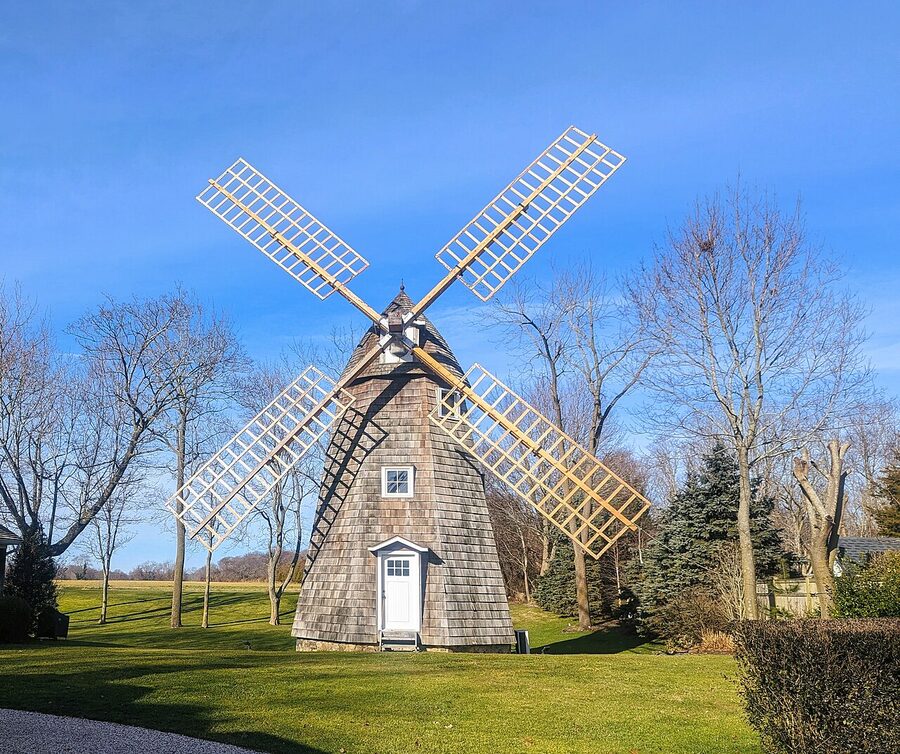

Paumanok is at 1074 Main Road, Aquebogue, NY 11931. Phone 631-722-8800. That puts it on the western tip of the North Fork wine country, about a mile and a half east of where Route 25 (Main Road) splits off from Route 25A in Riverhead. It is the first serious winery you hit if you are driving east from the city, which is a meaningful detail. People treat it as warm-up. It is closer to the headline event.
From Manhattan it is two hours and ten minutes on a good morning, three on a bad Friday afternoon. Take the Long Island Expressway (I-495) to Exit 73, then Old Country Road to Main Road, then east. From the LIRR, Aquebogue itself doesn’t have a station any more, but Riverhead does, and it is a six-minute Uber from the Riverhead platform to the winery driveway. Hampton Jitney drops at the Riverhead McDonald’s, which is the same six-minute Uber. The closest North Fork wineries that share the LIRR-and-rideshare model are Bedell, Macari, and Lieb, all within ten miles east.
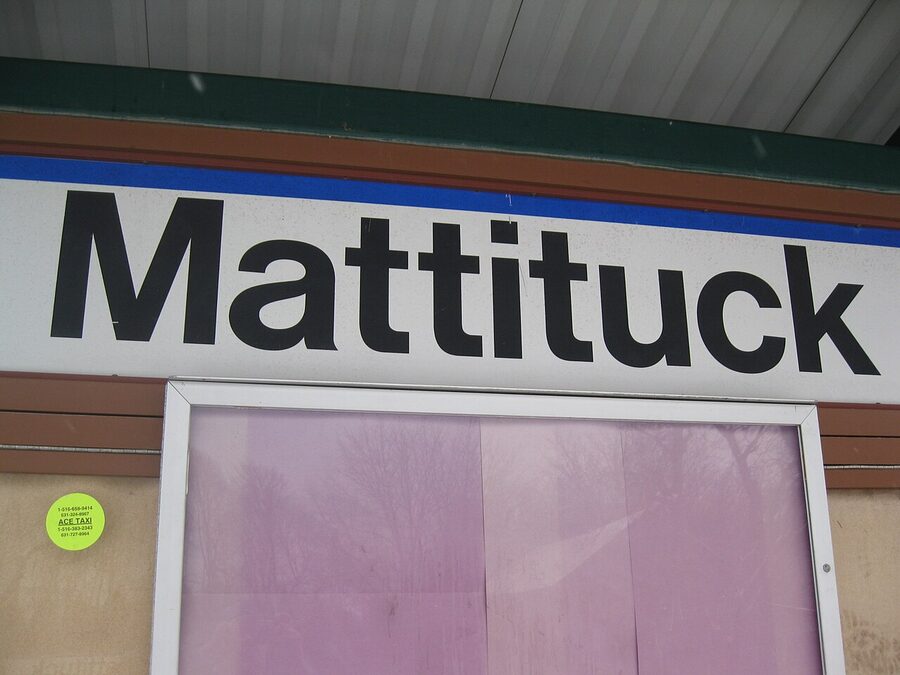
If you want to do this carless, the structural fix is laid out in detail in our Long Island Wine Tours playbook: train to Riverhead or Mattituck, prearranged limo or wine bus from there. Paumanok is on most of the limo itineraries because it is the western anchor of the trail.
The Massoud family, in a paragraph
Charles arrived in the US in the late seventies via Beirut, Kuwait, and a long Mediterranean route. Ursula is German, an architect by training. The two met in the Gulf, married, had three sons, and in 1980 made the wine-country bet on Long Island instead of California, in part because they had been visiting friends in Sag Harbor and the South Fork felt overpriced even then. The first plantings went in in 1983: Chenin Blanc, Chardonnay, Riesling, Cabernet Sauvignon. The first commercial vintage was 1989. The 1997 Late Harvest Riesling was poured at the White House in 1999 for the NATO 50th-anniversary dinner with Bill Clinton and 17 heads of state. That moment, more than any single review, put Paumanok on the national wine map.
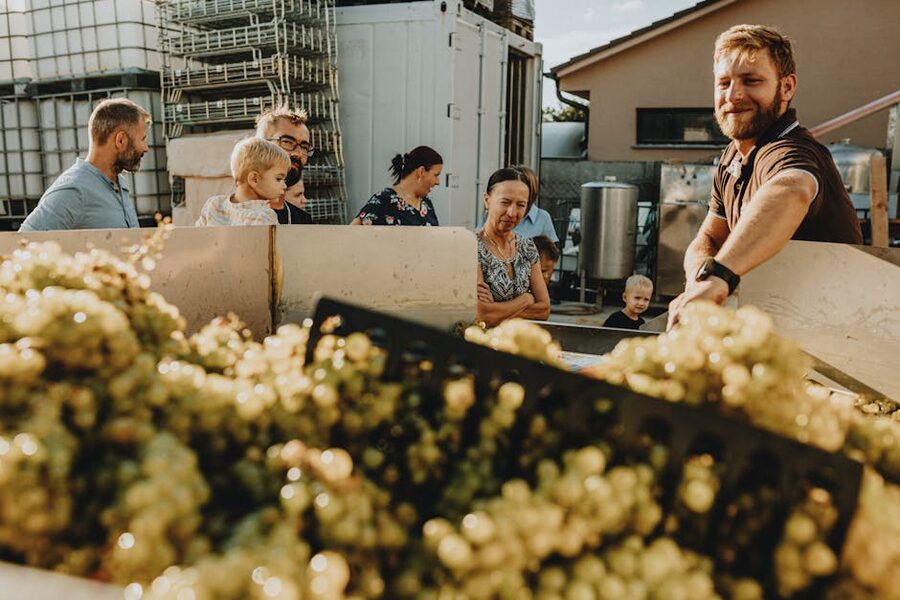
Today the kids run it. Kareem went to Cornell, then to Bordeaux for a stint at Château Pichon-Longueville, then home in 2005 to take over the cellar. He has been the sole winemaker since 2010 and has progressively cleaned up the white wines, sharpened the reds, and pushed the estate toward minimalist, lower-intervention winemaking. The wild-yeast Cabernet Franc he started a few years back is the obvious example. Nabeel runs the vineyard. Salim runs the business and the wine club. Charles and Ursula are emeritus, but emeritus in the working sense. They host tours. They write the newsletter. They are at the harvest dinners.
What to drink
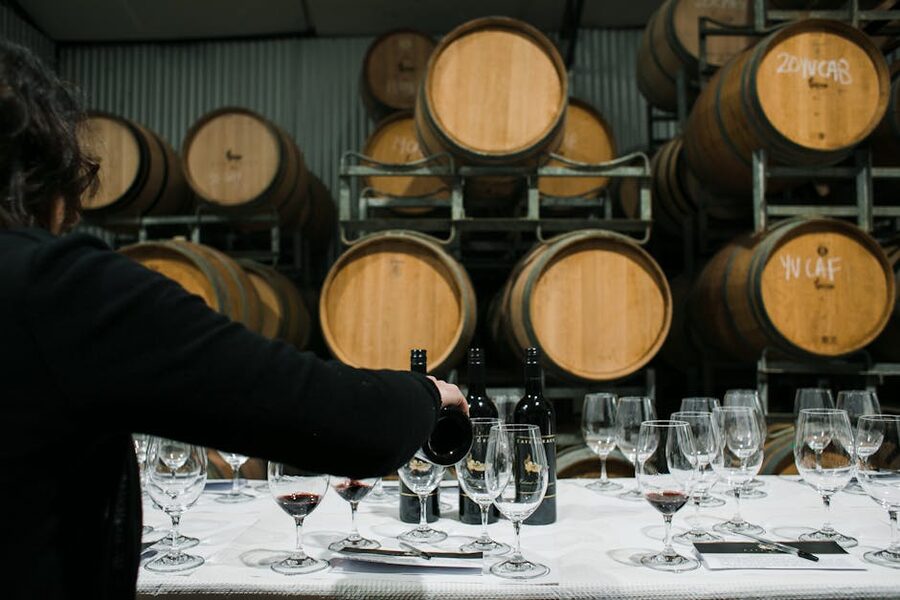
Paumanok grows eight varieties: Chenin Blanc, Chardonnay, Riesling, Sauvignon Blanc, Cabernet Franc, Cabernet Sauvignon, Merlot, and Petit Verdot. They make four or five red Bordeaux blends out of the four red varieties, plus a Festival Chardonnay (their entry-level), a Grand Vintage label for the special-reserve wines, and a Late Harvest Riesling that is the dessert wine the White House noticed. There is no Pinot, no Gewürztraminer, no Albariño, no Grüner. The list is short on purpose.
Here is what I would actually order on a first visit, in order of importance:
The Chenin Blanc, dry
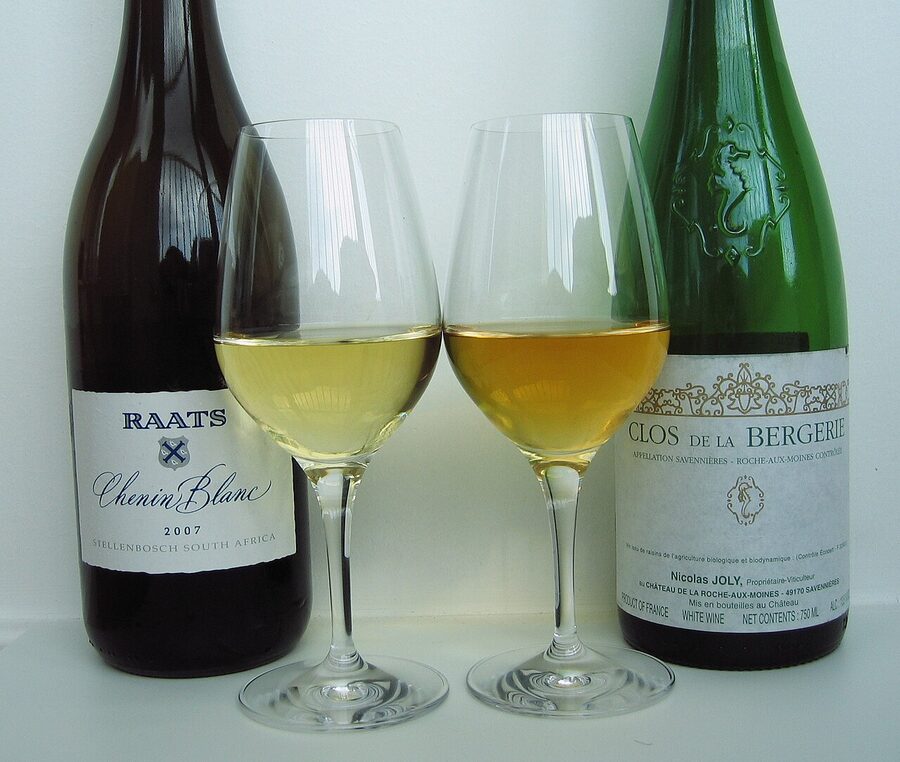

This is the wine that makes the trip. Paumanok is one of a handful of US wineries that grows Chenin Blanc commercially; it is one of two, possibly the only, that ferments it bone dry, in stainless, with screw cap, no oak, no malo. The current 2025 release tastes of grapefruit pith, pineapple, and a note of guava, with the racy acidity that the variety is famous for in Vouvray and Savennières. Eric Asimov in the New York Times has called it “one of the best American chenin blancs around.” He is right. It is $34 a bottle from the cellar door.
The right pairing is Peconic Bay oysters, of which there are several thousand a few hundred yards from where the grape grew. Several of the better oyster bars on Main Road, including Little Creek Oysters in Greenport and Peeko Oysters down at Indian Neck, list the Paumanok Chenin by the glass. If you want one wine to take home from the North Fork that you genuinely cannot replicate from California or Oregon, this is it.
The Cabernet Franc, in any form
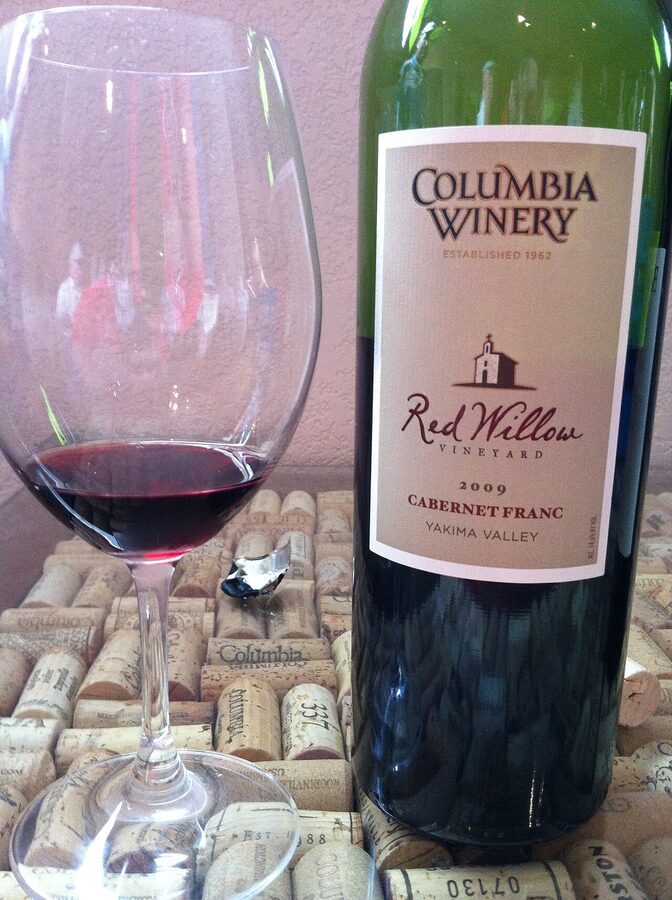

Cab Franc is the red Long Island does best. The growing season is long enough to get the variety to full ripeness, which is something Bordeaux struggles with in cool years, and the sandy loam keeps the wines lighter than New York Merlot tends to be. Paumanok has three different Cabernet Francs going at any moment, and you should taste at least two:
- The estate Cabernet Franc 2023 ($36): 99% Cab Franc, 1% Merlot, aged in neutral oak. Bramble fruit, herbs, spice, medium body, firm tannins, the Long Island house style. The buy-it-by-the-case wine.
- The Grand Vintage Cabernet Franc 2021 ($65): the reserve cuvée, the one that gets the 90+ scores. 50% whole-cluster fermentation in neutral oak, longer ageing, more savoury and spicier than the regular bottling. This is the bottle to keep for five years.
- The “minimalist” wild-yeast bottling, when available: Kareem’s pet project, fermented with native yeast, no added sulfites, made in tiny quantities. Sells out fast in the tasting room. If they have a half-bottle open at the bar, ask.
If you are tasting the broader Long Island Cabernet Franc category, the comparison points are Bedell’s Reserve Cab Franc and Macari’s “Bergen Road”; both serious, both different in character. We’ve broken down the field in our 12 stops worth your drive piece, and Paumanok sits in the top three on Cab Franc alone.
The Petit Verdot
Petit Verdot is normally a blending grape, the dark, structural one that gives Bordeaux blends their backbone. Paumanok was one of the first East Coast wineries to bottle it as a varietal, partly because the variety actually likes the longer Long Island growing season. The single-varietal Petit Verdot is dense, dark, and tannic; needs decanting; rewards food. If you eat steak at home, this is the bottle. If you don’t, skip it for the Cabernet Franc.
The Assemblage and the Grand Vintage reds
Assemblage is the four-grape red Bordeaux blend that has been the flagship since the early nineties. It is the wine the family signs off on personally before bottling. The Grand Vintage Merlot, when they release one, is a separate beast: longer hang time, longer barrel ageing, made only in years they consider strong enough to stand alone. The 2021 vintage of both is what’s in the tasting room as I write this.
The dry Riesling, and the Late Harvest
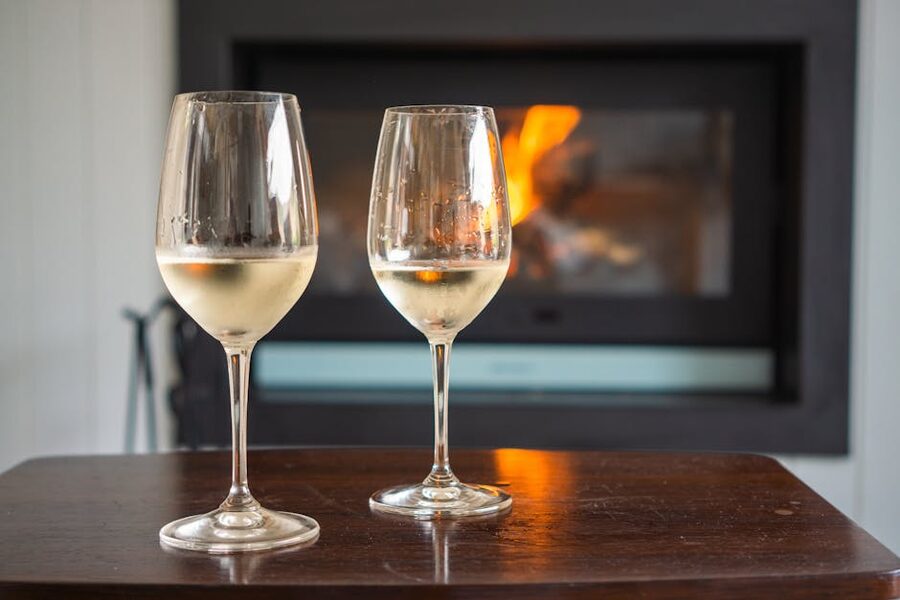
The dry Riesling is honest, lean, and crisp; not as showy as a good Finger Lakes Riesling but a useful comparison if you have done a Wiemer or Forge tasting upstate and want to see what the warmer growing season changes. The Late Harvest Riesling is the famous one, an apricot-and-honey dessert wine that holds its acidity, perfect with blue cheese, and the bottle that ended up at the White House in 1999. It is a half-bottle pour and a small splurge ($55 the half).
The Festival Chardonnay (the entry-level white blend)
The Festival Chardonnay is mostly Chardonnay with a bit of Chenin Blanc and Sauvignon Blanc blended in for lift. At $16.99 it is the bottle to grab on the way out for tomorrow night’s dinner. Don’t agonise over this one. It is exactly as advertised.
Tasting flights and pricing
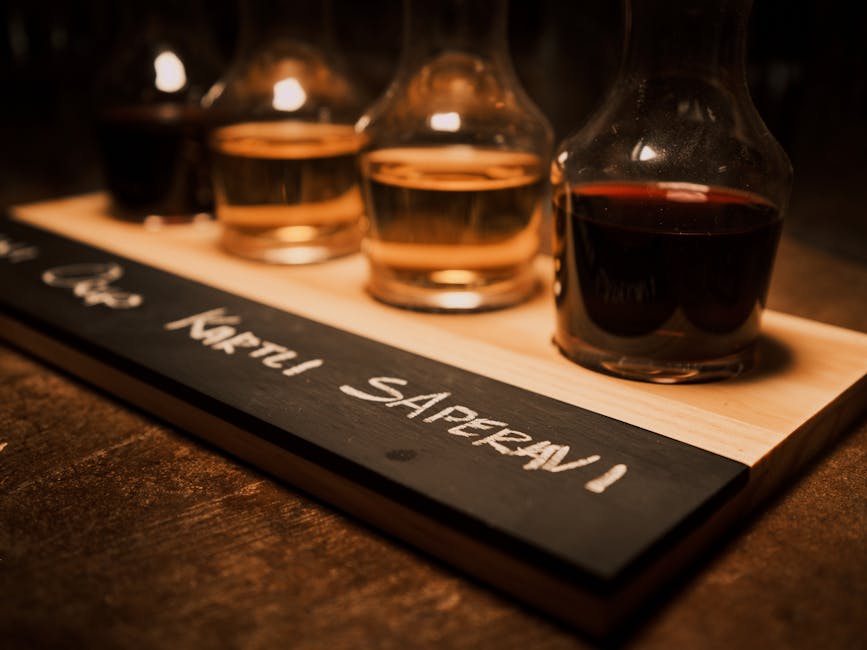
Paumanok runs three tiers of tasting flight, all bookable on the winery’s Tock page:
- The Festival Flight ($25 per person): three wines, the entry-level whites and reds. The flight to take if you are doing four wineries in a day.
- The Library Flight ($45 per person): five wines, including the Grand Vintage tier. The flight to take if Paumanok is your main stop of the day.
- The Verandah Reserve experience ($65 per person, Saturdays only): a seated, hosted tasting on the verandah with a six-wine flight including library back-vintages. Reserve at least a week ahead in summer and fall.
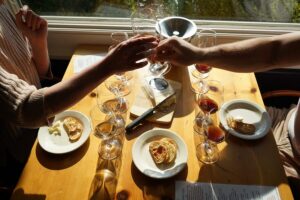
Flights start at $18 per person at the bar without reservation if you walk in midweek and they’re quiet, but on a Saturday afternoon in October, walk-ins are not realistic. Reserve. The pours run roughly an ounce, the format is led by a wine educator, and they don’t do food beyond cheese plates and a hummus board (which is very good and a Massoud-family touch you don’t get elsewhere on the North Fork).
The proprietor and VIP tours
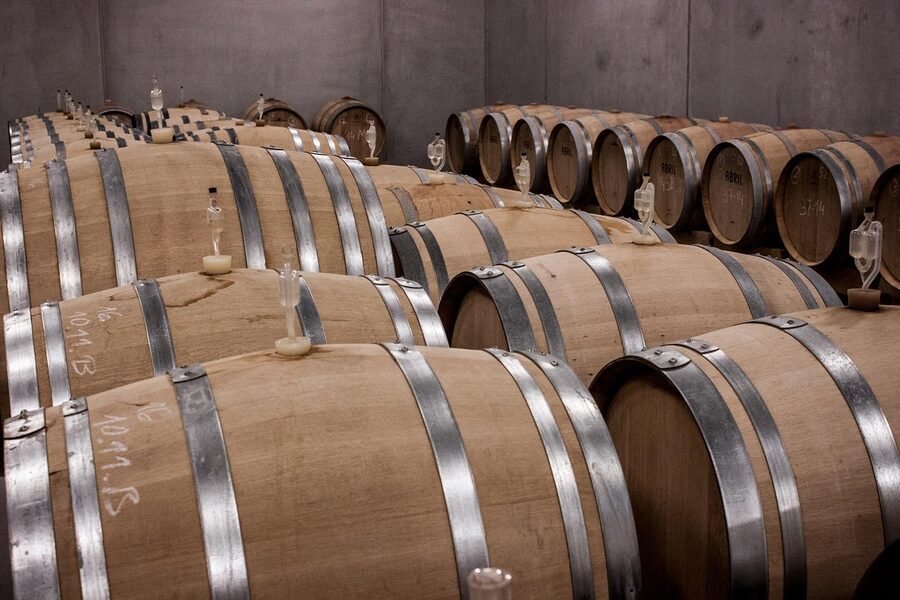
If you want to step beyond the regular tasting, two add-on options are bookable through the website by appointment:
- The Proprietor Tour ($25 per person, Saturdays and Sundays at noon, May through October): a half-hour to one-hour walk through the vineyard and the winemaking facility with Charles, Ursula, or Kareem. Members of the Paumanok Club pay $15. Minimum charge $150 for the group, so it works out for a foursome.
- The VIP Tour ($50 per person, same days): the proprietor tour plus a private flight on the balcony. Members pay $40. Minimum charge $250.
Both tours need to be booked at least 48 hours ahead, and you book by emailing [email protected] directly; the website’s booking flow only handles the standard tasting flights. The VIP tour is the closest thing on the North Fork to the kind of small-group cellar tour you would expect from a serious Bordeaux property. It is one of the genuinely good experiences on the trail and almost nobody does it.
The verandah, the barn, and the deck
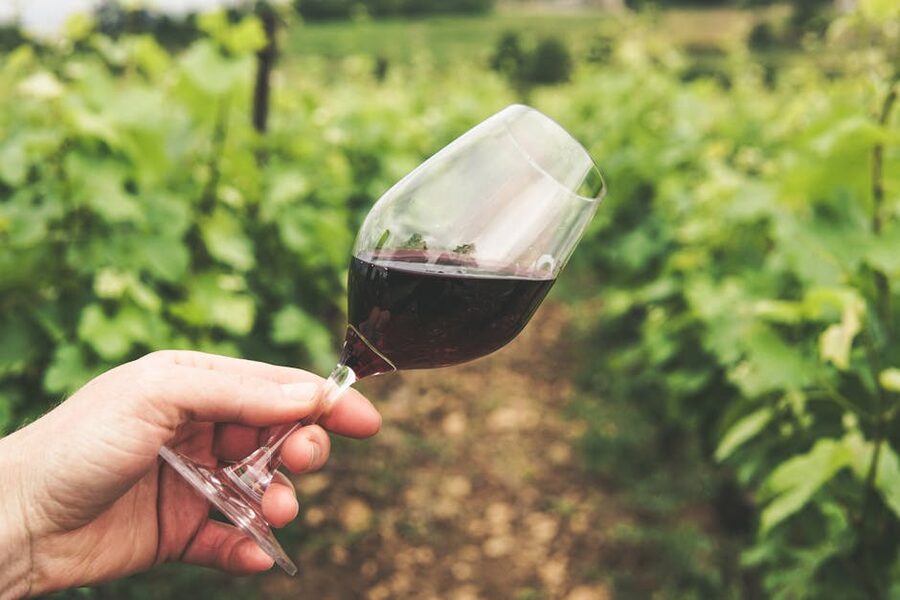
The tasting room itself is a renovated turn-of-the-century barn, all high ceilings and beams, with the bar front and left as you walk in. It is functional rather than designed-to-Instagram, which I prefer. The shop is along the back wall. The fermentation tanks and the small lab are visible through a glass partition off to the side, and you can usually wander over and look at them.
The verandah is the better place to drink, and the deck behind it is the better-better place. Both face east over the home block of vineyards, which means the afternoon light hits the rows from behind your shoulder. The deck holds maybe forty people; the verandah another thirty. On a sunny weekend afternoon both fill up by 1pm and the line for tables can be twenty minutes by 2:30pm. If you are arriving with a group, the smart move is the late-morning slot. Get there for the 11am opening on Saturday, take the deck while it is empty, finish by 1pm.
Featured tour: the small-group from NYC
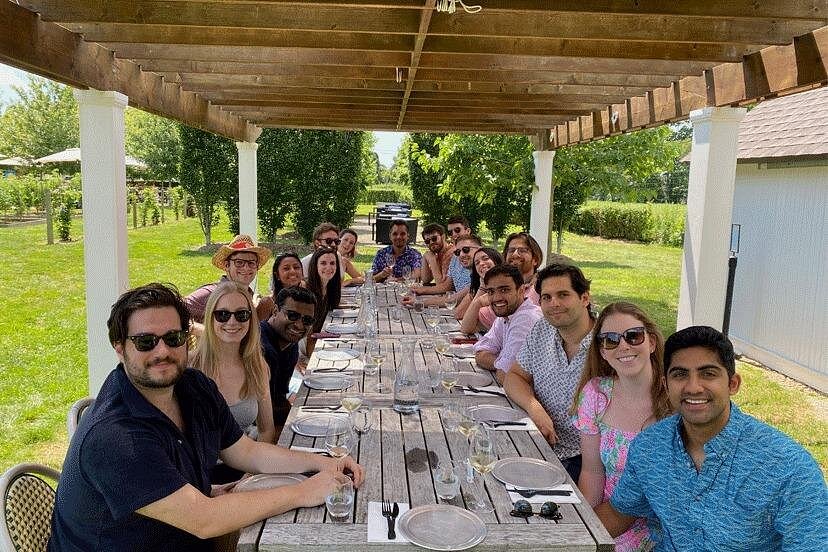
Long Island Wine and Food Day Trip with Sommelier
The pick if you don’t want to drive and you want a real wine person leading the day. The standard route includes Paumanok, one of Bedell or Macari, and a third stop that varies. Lunch is at one of the wineries with food-and-wine pairings the sommelier walks you through. Skip if you want to choose your own wineries; this is a fixed itinerary, not custom.
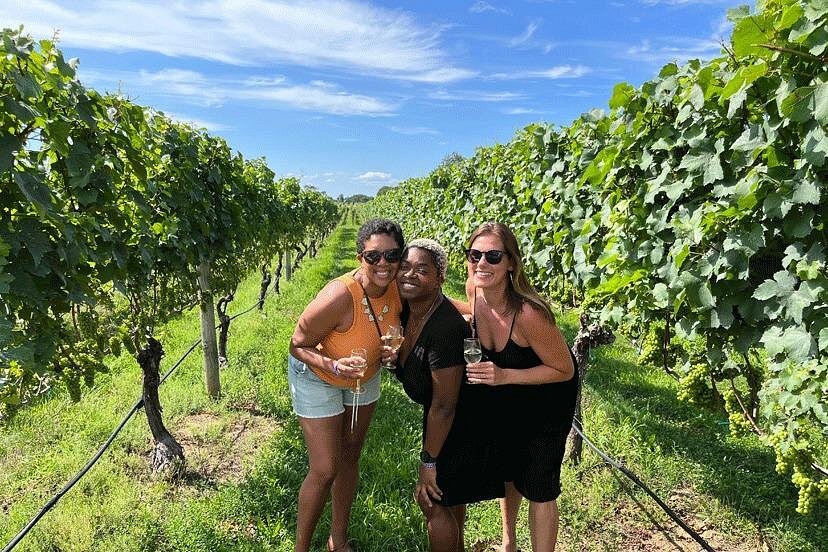
The other Viator tours that include Paumanok are the cheaper full-day Long Island Winery Tour with Lunch ($249 per person), which is a larger bus and a more generic lineup but cuts the price almost in half, and the Full-Day Luxury Private Winery Tour ($1,400+ for the group), which lets you write the itinerary and put Paumanok wherever in the day you want it. If you want NYC-to-NF-and-back without the headache, those are the three viable options.
For a deeper comparison of the day-trip options from Manhattan including price-per-person tradeoffs and which tour fits which audience, see our five day-trip plans from NYC, ranked.
Sustainability, in real terms
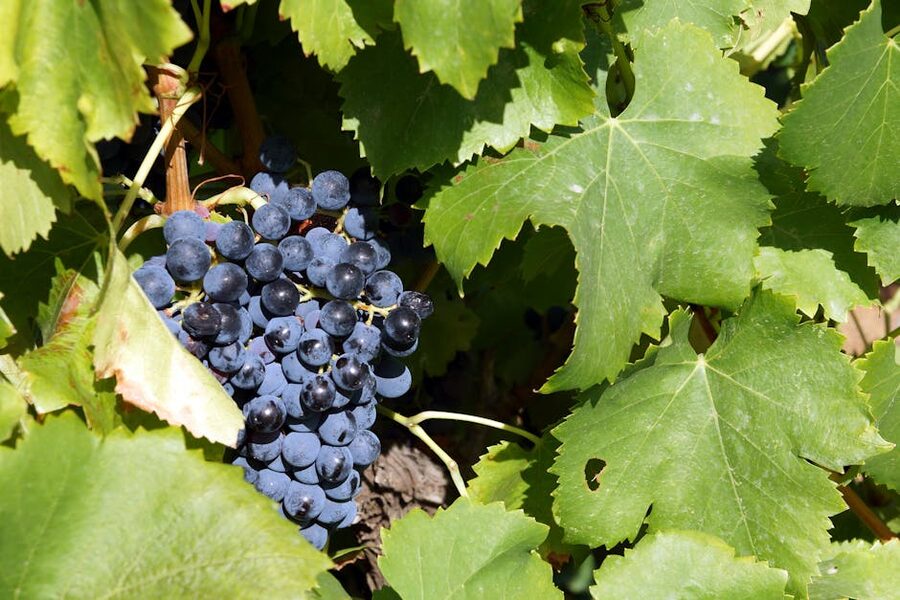
The phrase “certified sustainable” is doing heavy lifting at most North Fork wineries; at Paumanok it has actual meaning. The estate is certified by Long Island Sustainable Winegrowing, which requires audits of pesticide use, soil health, water management, and waste handling. The whole property has been 100% solar-powered since 2017. Cover crops are grown between every row. The fining (the clarifying agents added to wine before bottling) has been animal-product-free for years, which makes the entire range vegan-friendly without being shouty about it.
The Massouds farm sustainably because they think it makes better wine on this specific site, not because the marketing team told them to. That distinction matters when you taste the difference between the densely planted blocks and the looser ones, between the wild-yeast Cab Franc and the inoculated one. It is hands-on farming that justifies the label.
What it is not, and who should skip
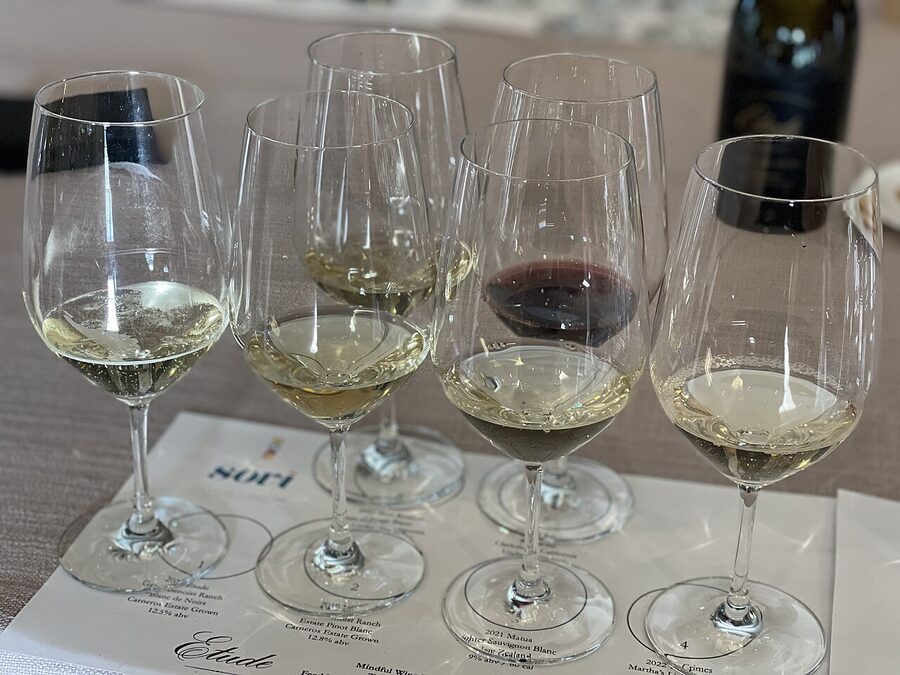
Paumanok is not a party winery. There is no live music on the lawn most weekends, no food trucks parked out front, no full restaurant. The bar pours are an ounce, not the South Fork buckets. Bachelorette groups in matching shirts are politely but firmly steered toward the more boisterous spots further east. If you want Croteaux or Sparkling Pointe energy, this is not it.
It also doesn’t do the casual walk-in-and-graze model that some North Fork newcomers expect. The food offering is a hummus board and a cheese plate. If you are bringing a hungry group, eat first. There is a half-decent diner two minutes back toward Riverhead (the Modern Snack Bar in Aquebogue, open since 1950) and several stronger options once you cross into Jamesport.
For bigger groups, weddings, or private events, the verandah and the deck do book out for private parties, typically Saturdays, but for the standard visiting public this is a quiet, focused, wine-first experience. That’s what to expect.
How to combine Paumanok with the rest of the North Fork
Because Paumanok is the western anchor of the trail, the natural geography is to start here on a Saturday around 11am and work east. A clean three-stop day looks like this:
11am, Paumanok in Aquebogue. Library Flight on the deck, an hour. The Cabernet Franc and the Chenin Blanc are non-negotiable.
1pm, Macari in Mattituck. The biodynamic operation about ten minutes east on Sound Avenue. Lunch on the lawn from their food truck, the Sauvignon Blanc and the Bergen Road red Bordeaux blend. Macari is a Saturday-afternoon-with-a-blanket place; Paumanok is the studious morning visit. The two complement each other. Profile and visit notes in our Macari Vineyards guide.
3pm, Bedell in Cutchogue. The modernist tasting room, the art collection, the Cabernet Franc that competes head-to-head with Paumanok’s. A different feel from both prior stops, which is the point. Full breakdown in our Bedell Cellars guide.
5pm, dinner in Greenport. The North Fork’s second town and easily the better one for an evening. American Beech, Industry Standard, and the Frisky Oyster are the safer reservations. Aldo’s for coffee in the morning if you are staying over.
If you are choosing a single day off the standard rotation, the trail’s full ranked playbook lives in 12 North Fork stops worth your drive, and the broader regional context, including the LIRR-and-rideshare alternative for carless visits, is in our Long Island Wine Tours playbook. For a one-day comparison with the South Fork (Hamptons) cluster, our Hamptons Winery Tours guide sets the two coasts side-by-side.
Where to stay if you want to make a weekend of it
The North Fork has limited hotel inventory but enough good options to build a weekend around. From Paumanok, three sensible bases:
- Riverhead (closest to Paumanok, cheapest): the Hyatt Place Long Island East End is a five-minute drive west, run-of-the-mill chain hotel, $189–$259 a night in season. The Best Western and Hampton Inn nearby are similar.
- Greenport (the proper North Fork base): the Sound View Inn sits on a beach on Long Island Sound, mid-century-modern reno, walking distance to nothing but the right base for a wine weekend, $389–$589 a night in season. The Greenport Inn (the old Townsend Manor) is the budget alternative downtown.
- Mattituck (in the middle of everything): the Jedediah Hawkins Inn in Jamesport is the standout, a restored 1863 Italianate house with a serious restaurant, six rooms, $295 to $525 a night, books out months ahead in summer.
If you are coming by train and not driving, base in Greenport. The LIRR runs there directly from Penn Station, and you can walk to dinner. If you are road-tripping the trail, Mattituck or Riverhead. The hotel deep-dive across the rest of the North Fork lives in the broader Long Island Wine Tours guide.
Hours, reservations, and the practical layer

Open daily, year-round. Sunday through Friday: noon to 5pm. Saturday: 11am to 6pm. The website lists those as the public hours; the tasting room generally honors the last reservation 45 minutes before close. Last call for flights is roughly 4:15pm Sunday-Friday and 5:15pm Saturday.
Reservations: required for groups of six or more, strongly recommended for any weekend visit, and easy to book through the Tock page. Walk-ins are accepted at the bar Sunday-Friday but are a coin flip on a Saturday in summer or fall. Cancellation is free up to 24 hours ahead.
Dogs: welcome on the deck and verandah, on a leash. Not in the tasting room itself. Water bowls supplied; the family golden retriever has been known to inspect.
Kids: welcome but not catered to. There is no kids’ menu and no playground. The hummus board works for an under-ten. The verandah is the easier seating for a stroller.
Restrooms, parking, accessibility: ground-level entry, accessible bathrooms, gravel parking lot that holds about 60 cars. There is a small ADA loop for shorter walks if the proprietor tour terrain doesn’t suit. Email [email protected] ahead and they will accommodate.
Wine club: three tiers (4, 8, or 12 bottles per shipment, four shipments per year). Member benefits include 15% off all purchases, complimentary flights for two, and proprietor tour discounts. Most North Fork regulars who visit Paumanok more than twice a year end up joining; the math works out.
Shipping: direct to NY, DC, FL, MA, NH, PA, TX. Through Vinoshipper to most other states (the long list is on the Tock page). Pick-up orders fine; just order ahead and they’ll have the case at the bar.
The verdict
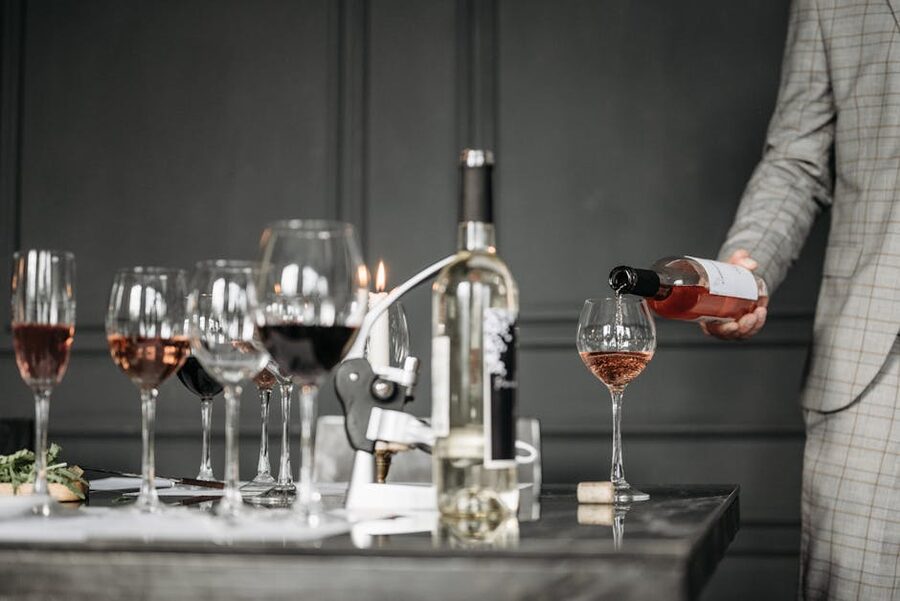
If you have time for one North Fork winery on a first visit, this is the one I would send you to. The wines are the deepest expression of the region, made by a family that has been on the same patch of sandy loam for forty-two years. The Chenin Blanc is one of the most distinctive bottles produced anywhere on the East Coast. The Cabernet Franc range, from estate to Grand Vintage to wild-yeast experimental, is the most serious red lineup in Long Island wine. The verandah is the nicest place on the trail to drink a glass of either.
The catches are the same ones that make it good. It is small, it gets full on Saturdays, the food is a hummus board, and the experience is fundamentally about wine rather than about a day out. If that is what you are looking for, you will leave understanding what people mean when they say the North Fork is finally producing wines that belong on a serious list. If it isn’t, head to Wölffer for the rosé scene, McCall for the deck-and-burger combination, or Pellegrini for the architecture.
Reserve, take the Library Flight, sit on the deck, ask whoever is pouring whether Charles is on site. Often he is.
 Travel TipsFall Foliage in the Finger Lakes: When and WhereIf you have driven south on Route 414 in the second-to-last week of October, you already know what this article…
 Wine RegionsSheldrake Point: Cayuga Lake’s Lakefront Tasting RoomThe first time I drove down County Road 153 to Sheldrake Point, I missed the turn. You come around a…
 Travel TipsThings to Do in Canandaigua, NY: A Wine-Country TownYou drove down from Rochester for the gardens. That was the plan. Sonnenberg in the morning, lunch somewhere on Main…